Google Releases Android Bench 2.0 With Long-Horizon Tasks and Agentic Evaluation
Google released Android Bench 2.0 to add long-horizon tasks, agent-based evaluation, and continuous scoring for AI models on Android development.
Company
Google is rapidly expanding its artificial intelligence capabilities across multiple sectors. The company recently launched a public website utilizing SynthID to help users identify AI-generated media. For creators, Google introduced Playground, a free browser-based AI game-making platform, and updated Flow Music to allow producers to export custom Spaces as audio plugins. In scientific research, Google DeepMind, Meta, and Isomorphic Labs are investing 300 million dollars in the Biohub project to build digital biological simulations. Google is also upgrading its AI models, releasing the open EmbeddingGemma 2 multimodal vector model and the Nano Banana 2.1 image model with reduced generation prices. To power its expanding infrastructure, Google is partnering with Constellation to add 890 megawatts of nuclear capacity to the PJM grid by 2032. However, the rise of AI has caused challenges, forcing Google to pause its open source bug bounty program due to a surge in invalid automated submissions. Additionally, Google is restructuring its consumer offerings, restricting free personal users to the Gemini Flash-Lite model starting in October 2026 and replacing its custom Gems feature with Skills. In space technology, Google launched its first orbital compute satellite on a SpaceX rocket to test its Tensor Processing Unit chips. On the legal front, a federal judge recently dismissed antitrust lawsuits filed by publishers against Google over its AI Overviews feature.
55 stories · Updated
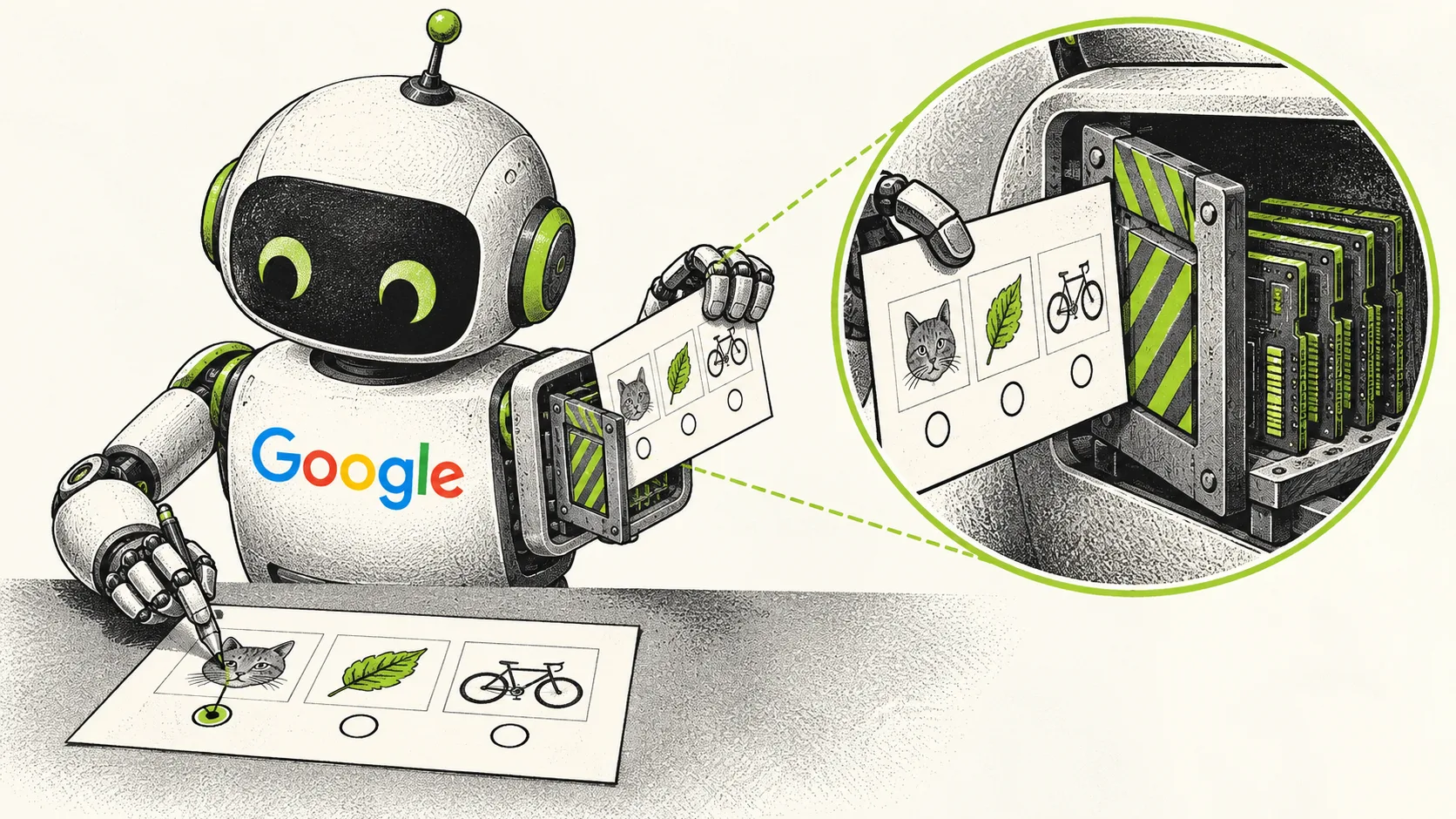
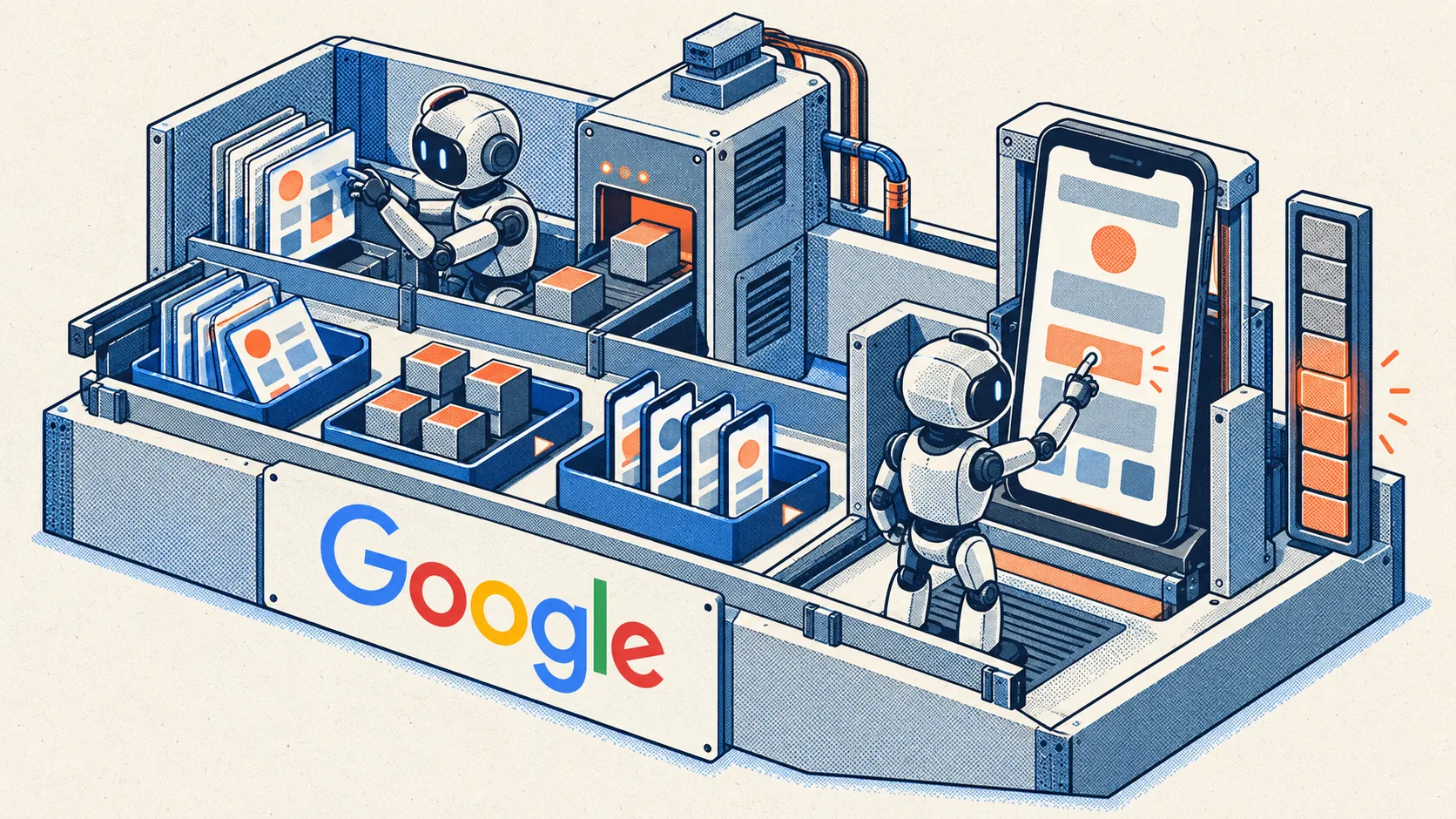
Google released Android Bench 2.0 to add long-horizon tasks, agent-based evaluation, and continuous scoring for AI models on Android development.
In a 98-patient study, clinicians said AMIE summaries helped them prepare for visits in 75% of cases.
Google has released a new offline Mac app called Google AI Edge Foresight that competes with AI note-taker Granola.
Google announced the Gemini agent, which can handle assigned work across apps and work directly inside Gmail, Docs and other Workspace tools.
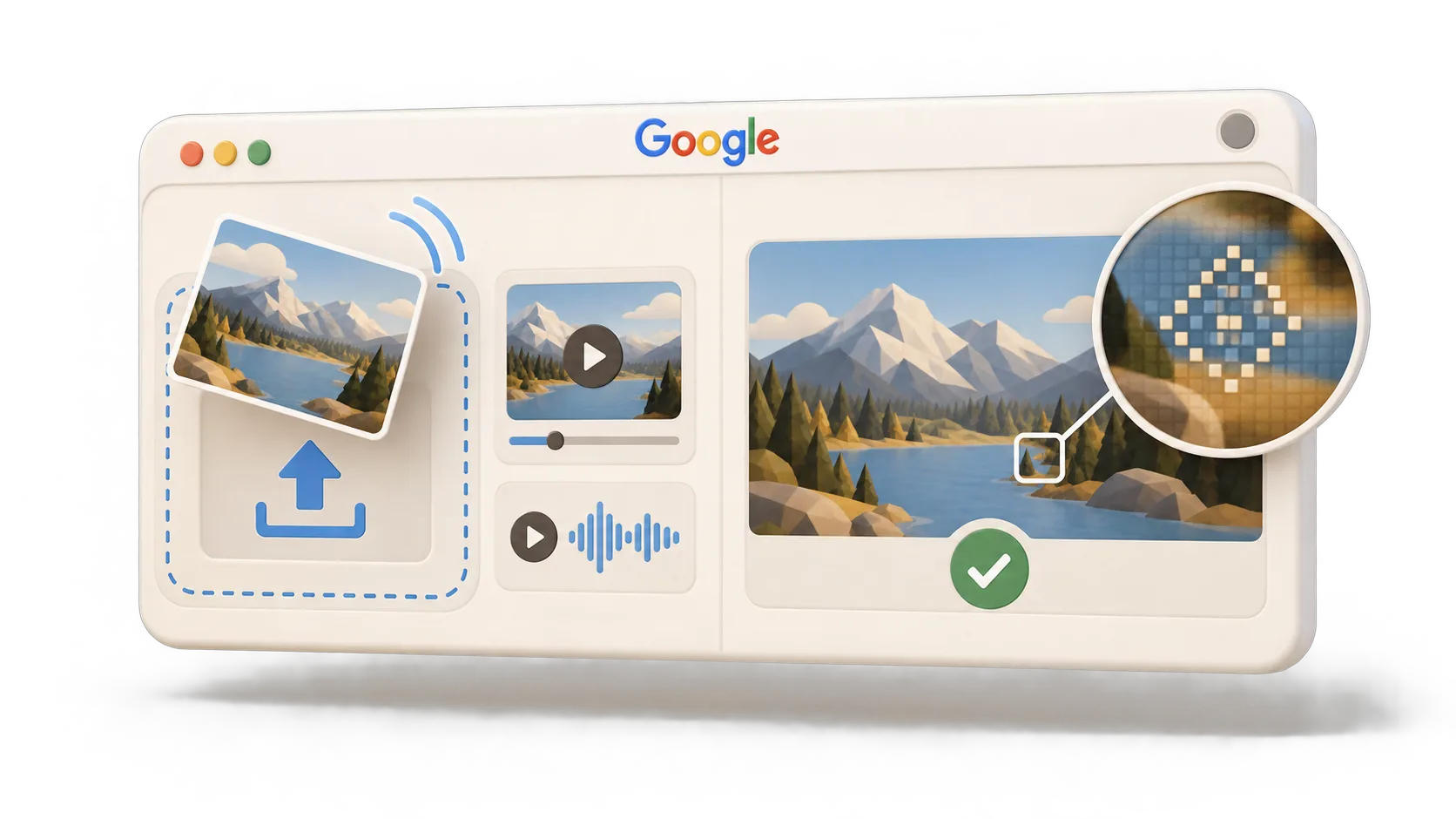
Google released a new website allowing anyone to verify if an image, video, or audio clip is AI-generated.
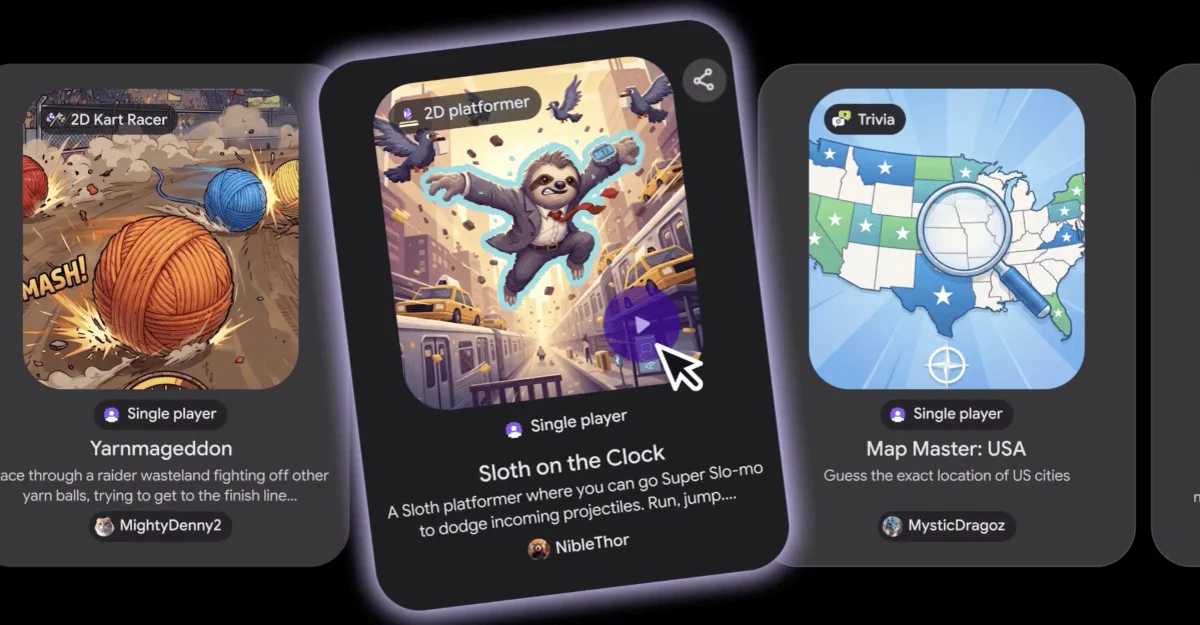
Google announced Playground, a browser-based platform that allows users to create custom games using text prompts without coding experience.
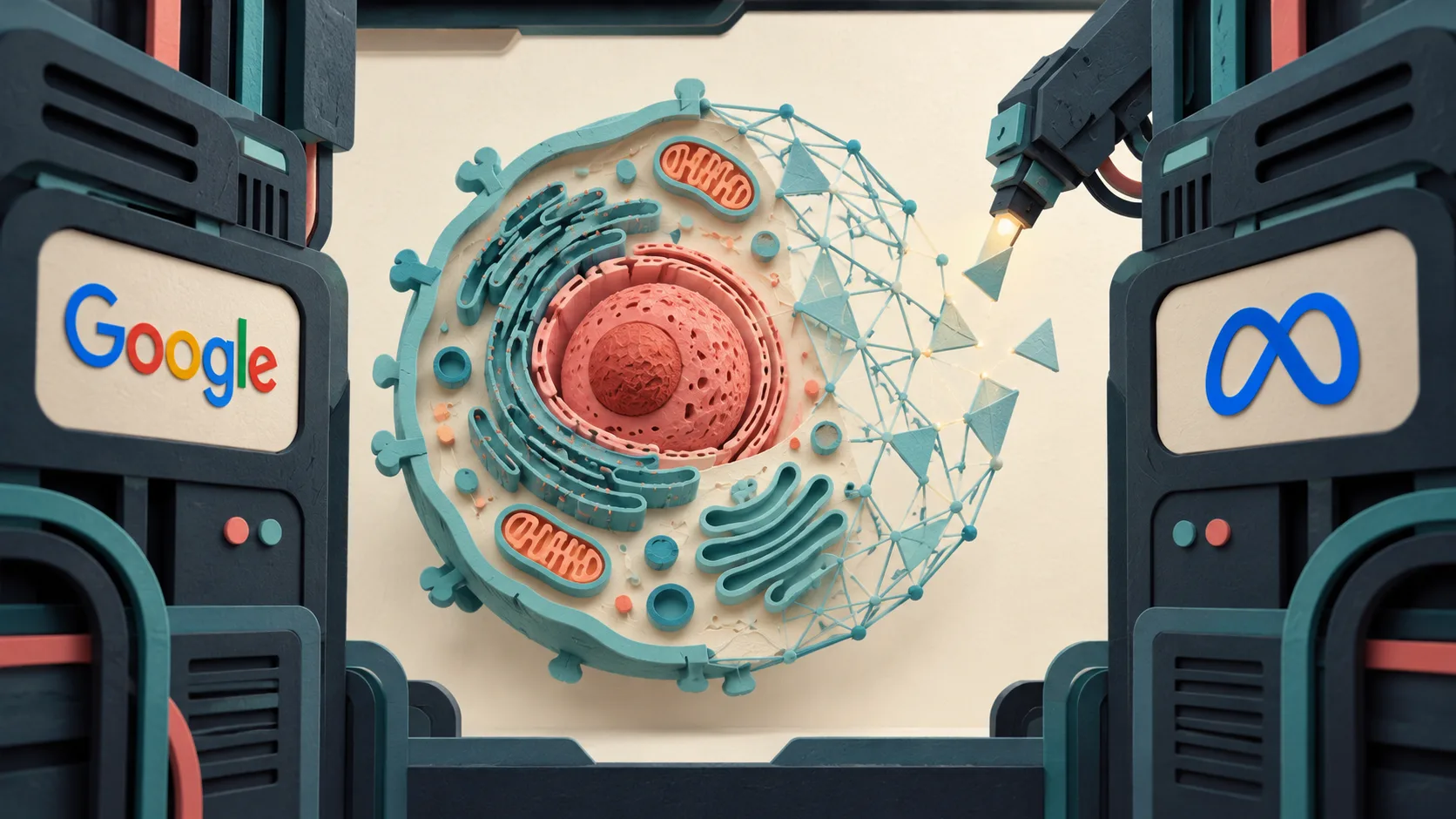
Google DeepMind, Meta, and Isomorphic Labs are investing $300 million into the Biohub nonprofit research organization.
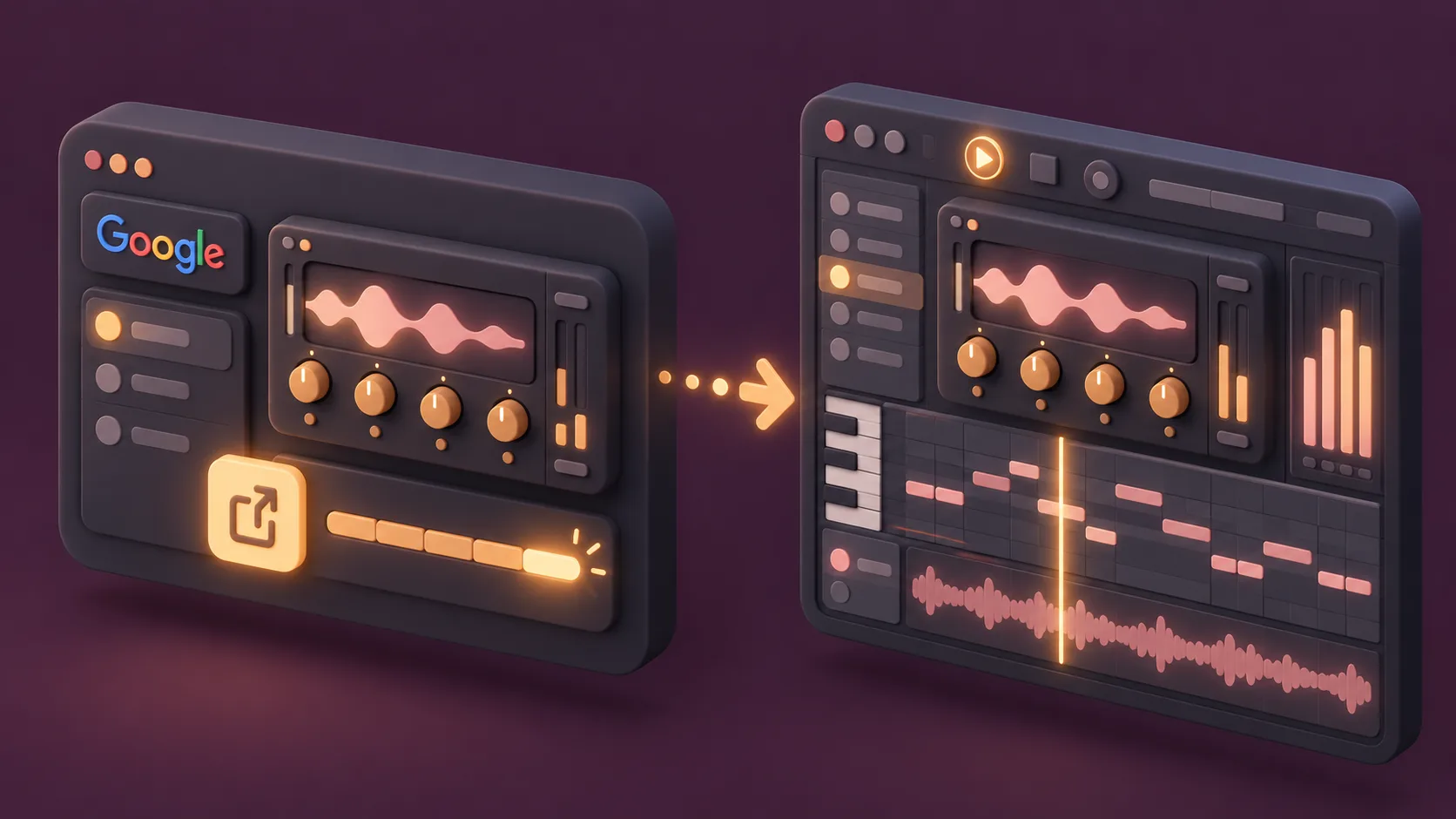
Producers can now export instruments and effects made in Google Flow Music Spaces as VST3 or AU plugins for use in digital audio workstations.
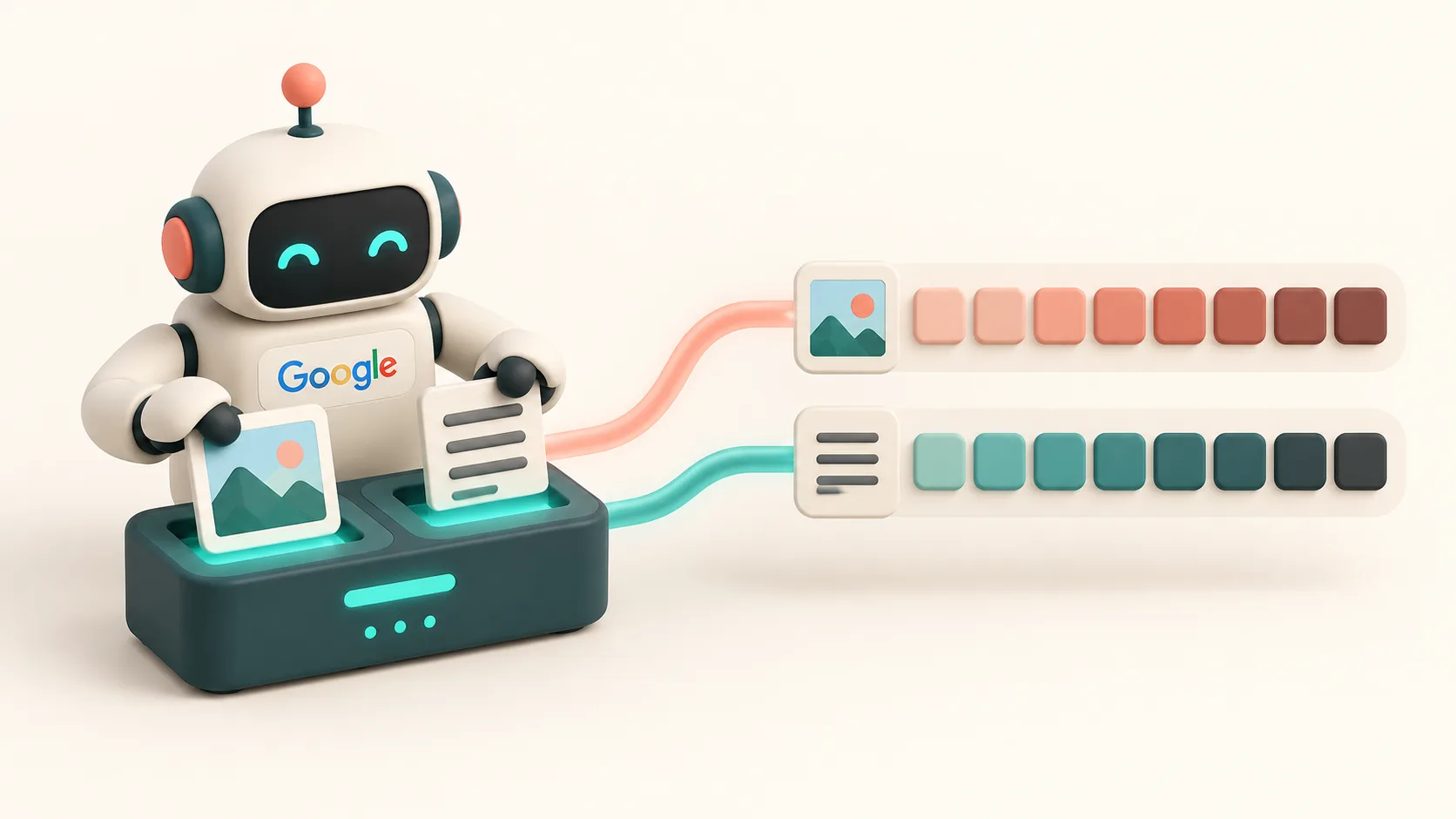
Google launched EmbeddingGemma 2, an open model designed to convert various media types into numerical vectors for easier comparison.
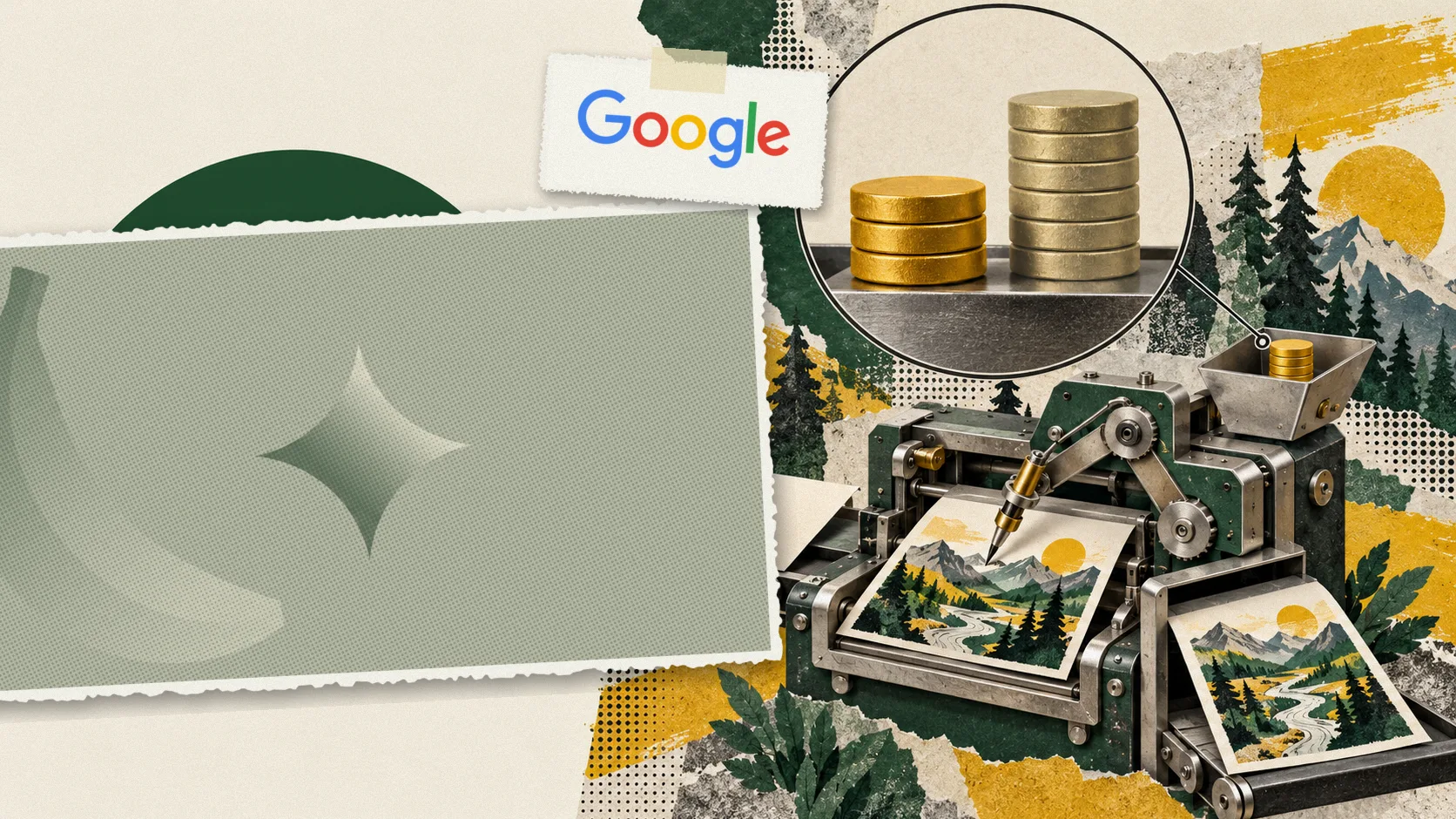
Google has released Nano Banana 2.1, a new image generation model that cuts prices by about half and improves on previous versions across the board.
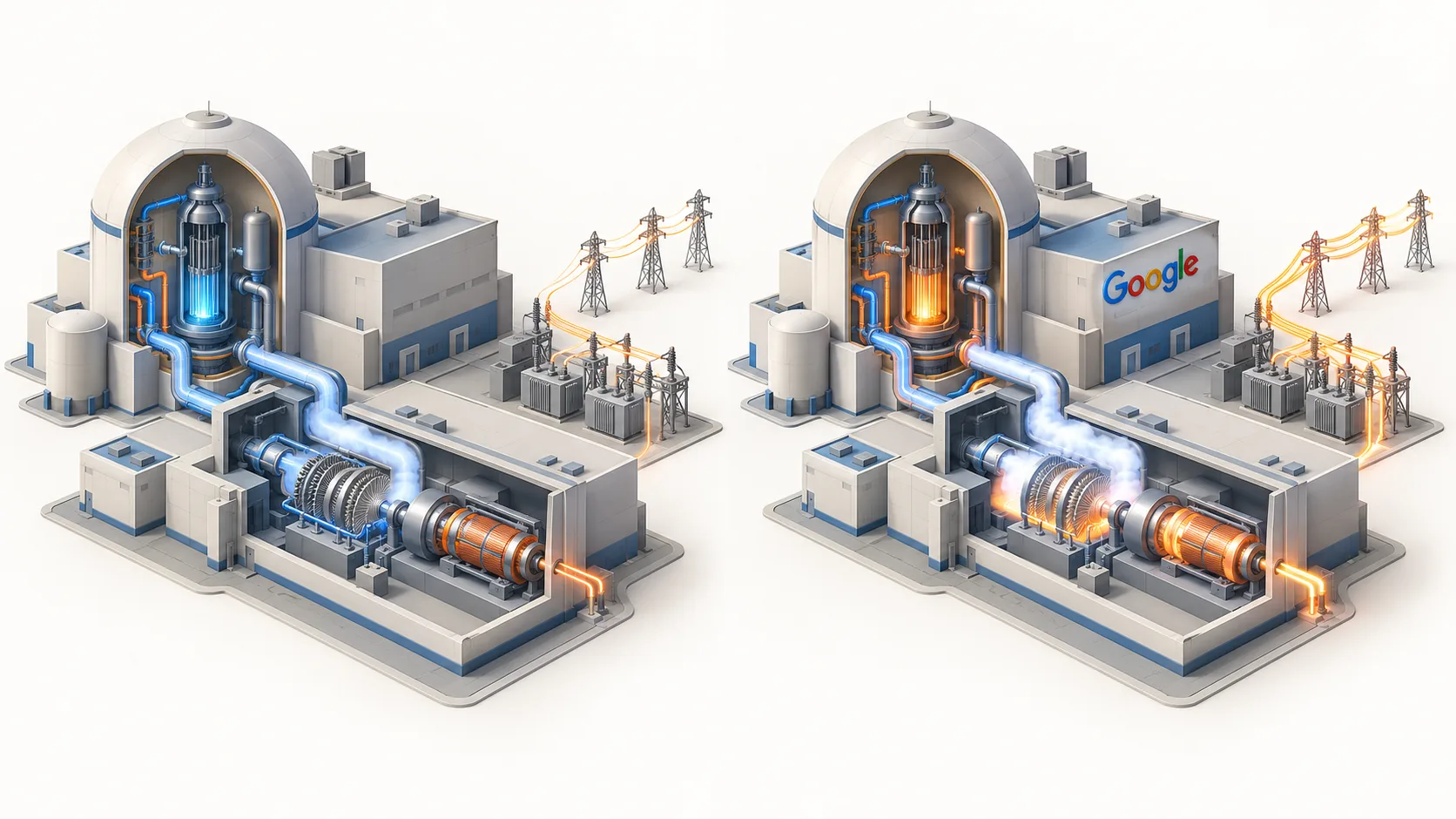
Google says its agreement with Constellation will increase output at existing nuclear plants and bring Gemini Enterprise into plant operations.
Google paused its open source bug bounty program on October 1 due to a surge in invalid automated submissions and AI hallucinations.
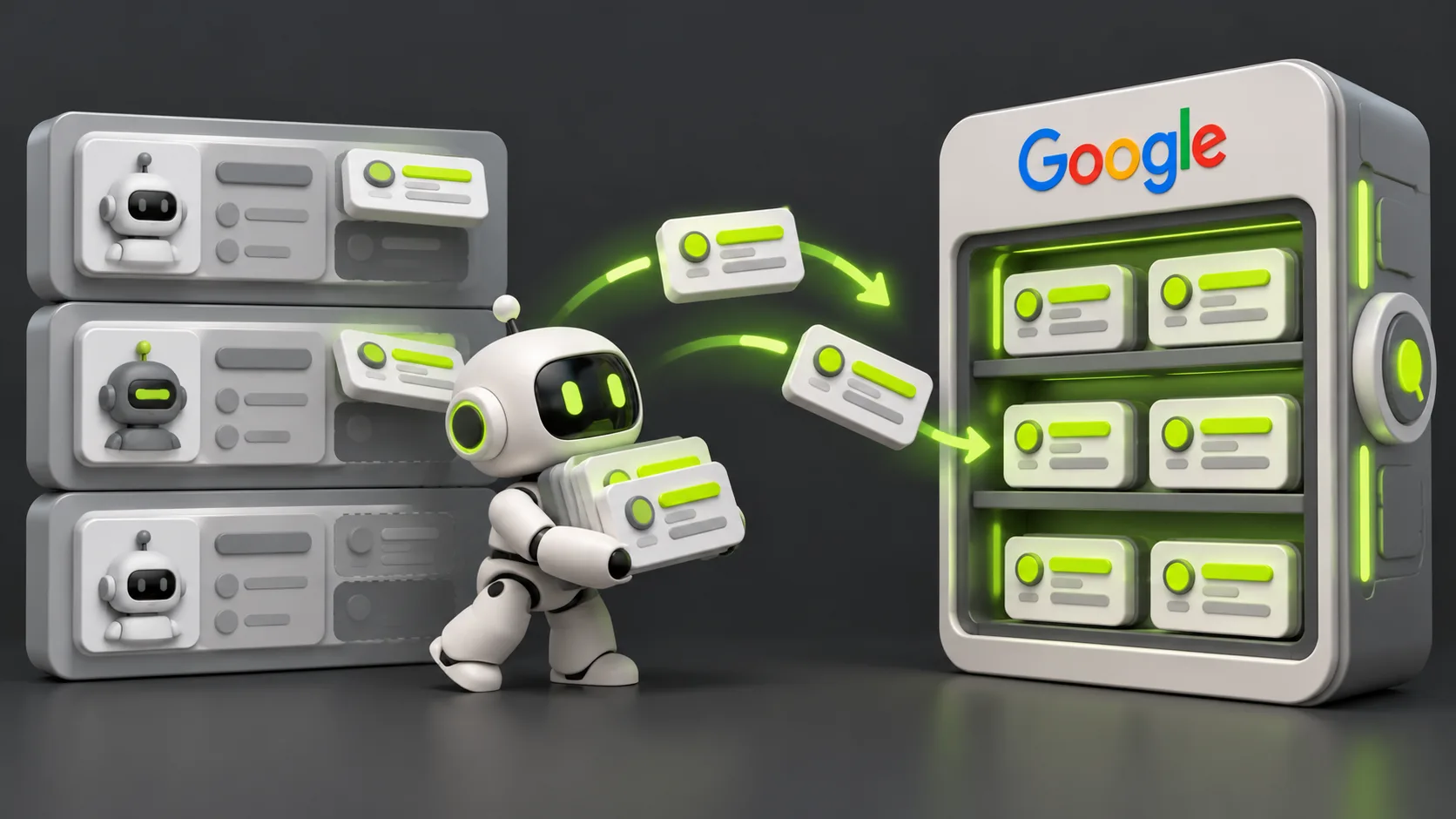
Google researchers introduced a new method to stop self-improving AI agents from memorizing their tests.
Google is shifting its personal AI tiers to restrict free users to the Flash-Lite model and remove Pro access for $4.99 subscribers starting in October 2026.
Google releases Guided Vision in Gemini Live today, providing real-time audio descriptions for camera views on compatible Android devices.
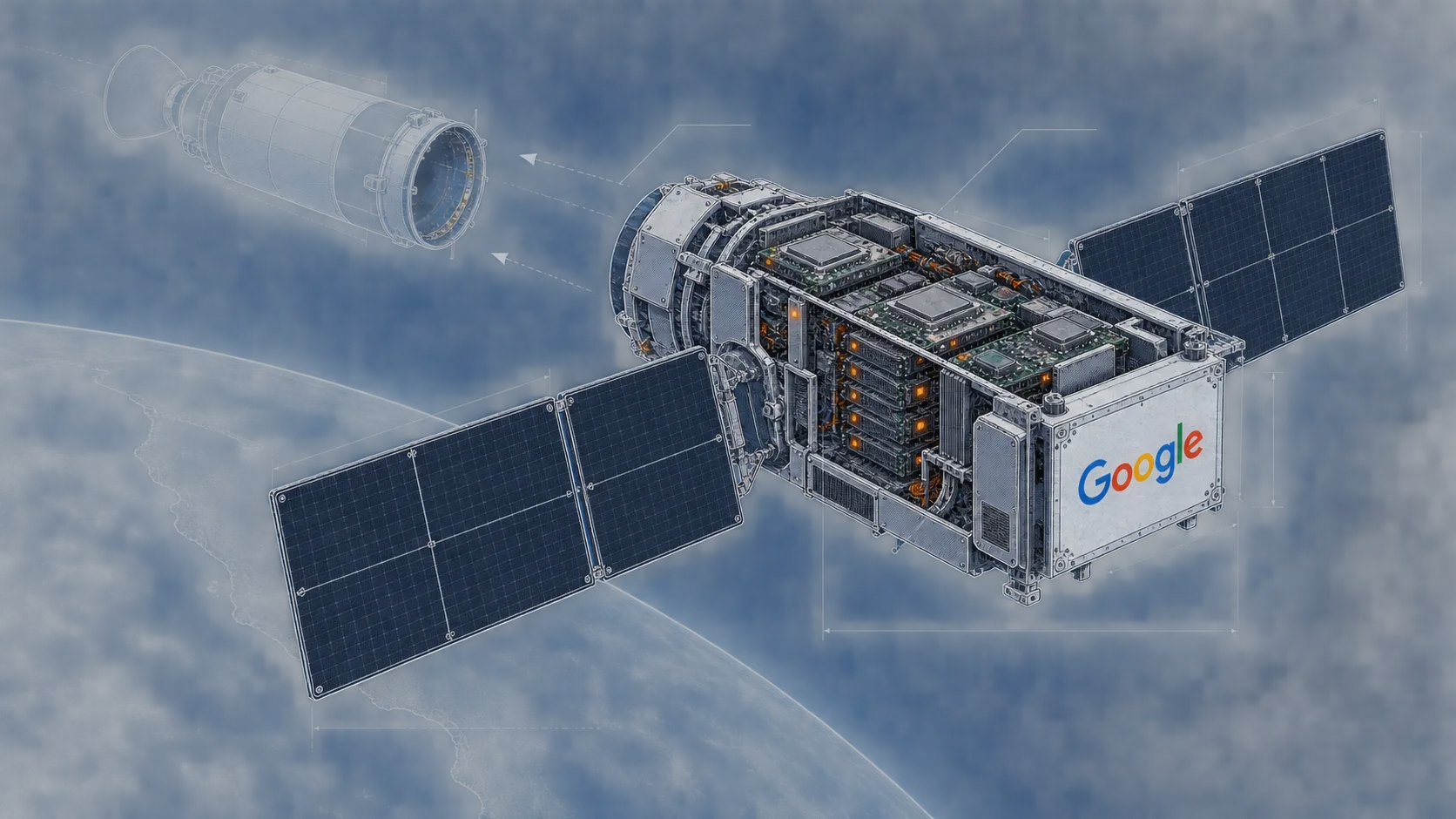
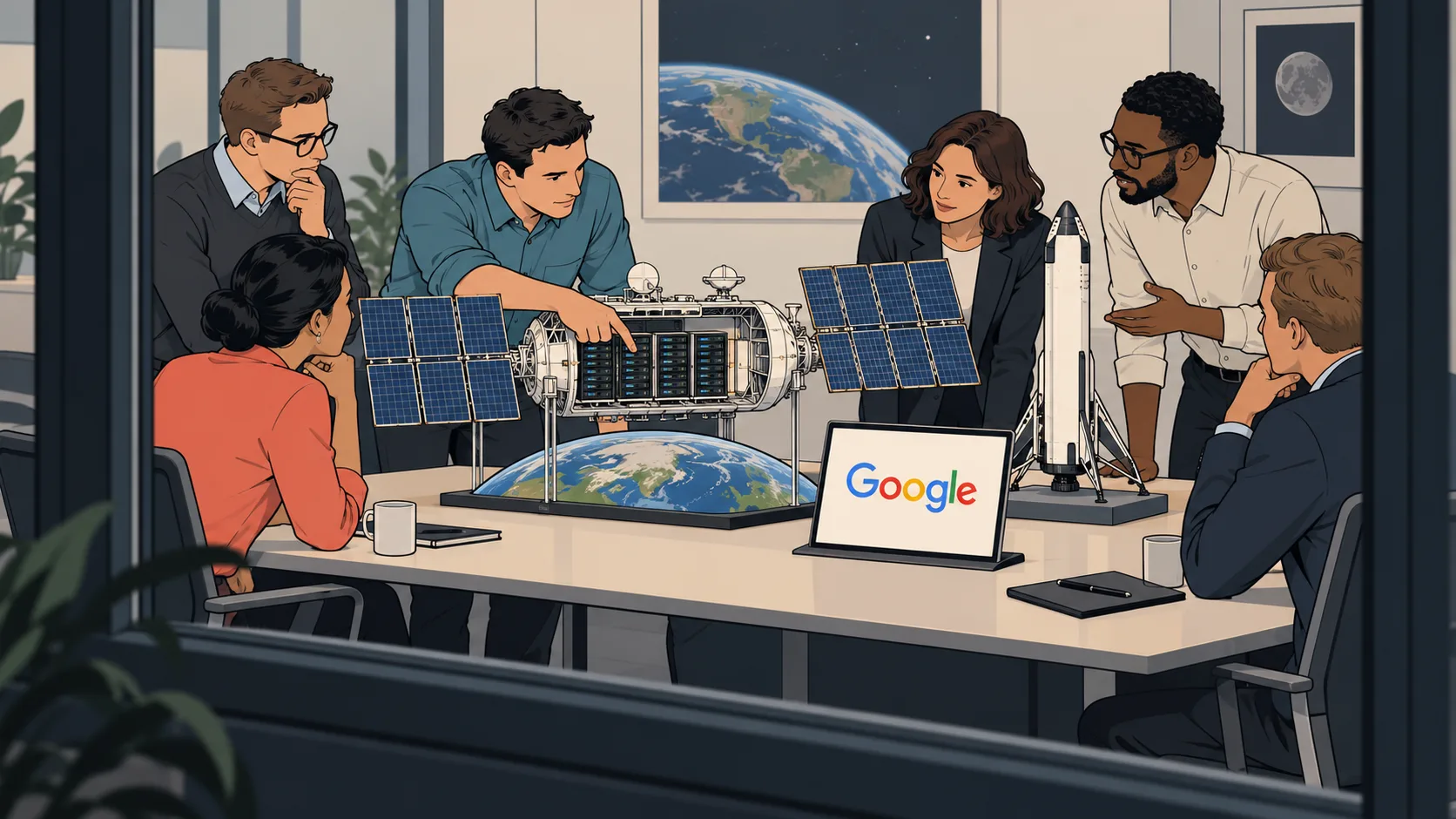
Google launched its first orbital compute satellite aboard a SpaceX rocket from California to test advanced AI chips in space.
Researchers built an artificial intelligence system called Ataraxos that defeated the most successful Stratego player of all time.
A federal judge dismissed antitrust lawsuits from Chegg and Penske Media Corporation that targeted Google's AI search features.
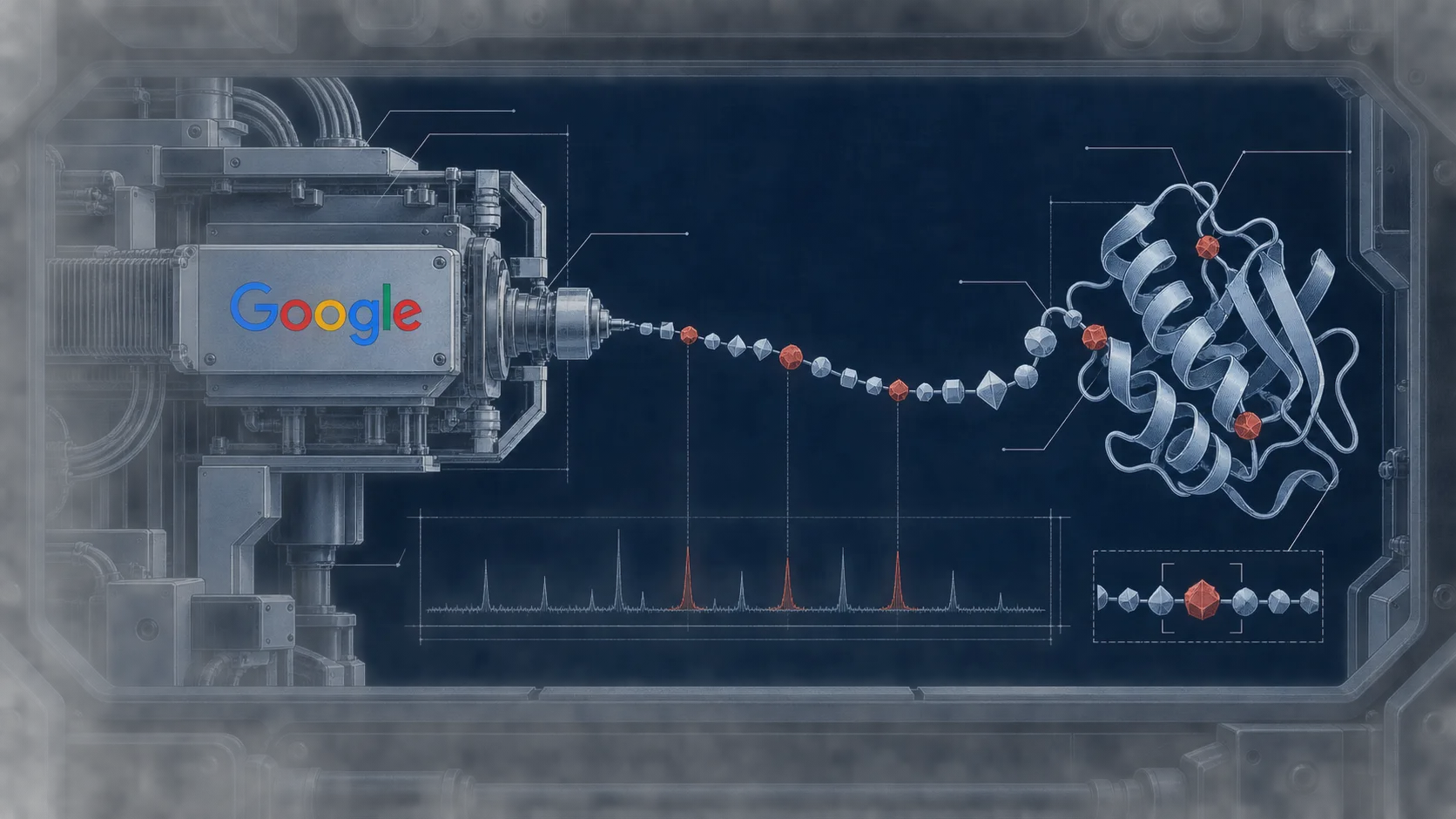
Google's DeepMind team published a research paper detailing a new protein watermarking system designed to aid biosecurity efforts.
Google unveiled Gemini 4 Argon, a new frontier model that closes the gap with OpenAI and Anthropic and beats some rivals on key benchmarks.
A new study reveals that major web infrastructure providers support prominent websites hosting non-consensual, AI-generated intimate imagery.
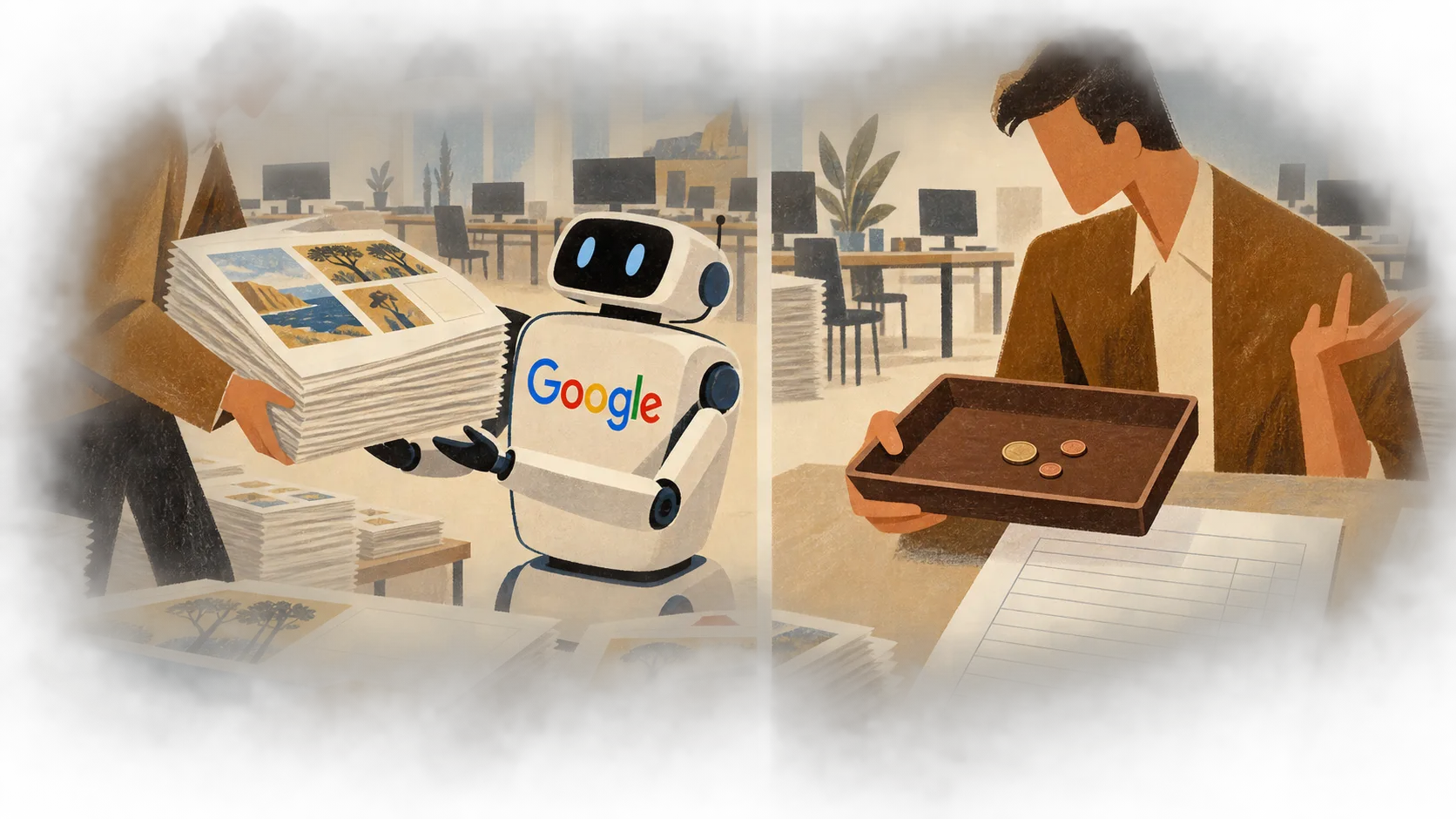
Google compensates roughly 100 digital publishers for content used in AI features, but payments are often extremely low and lack clear explanations.
Google is phasing out its custom AI assistant feature known as Gems and migrating users to a new system called skills starting November 17, 2026.
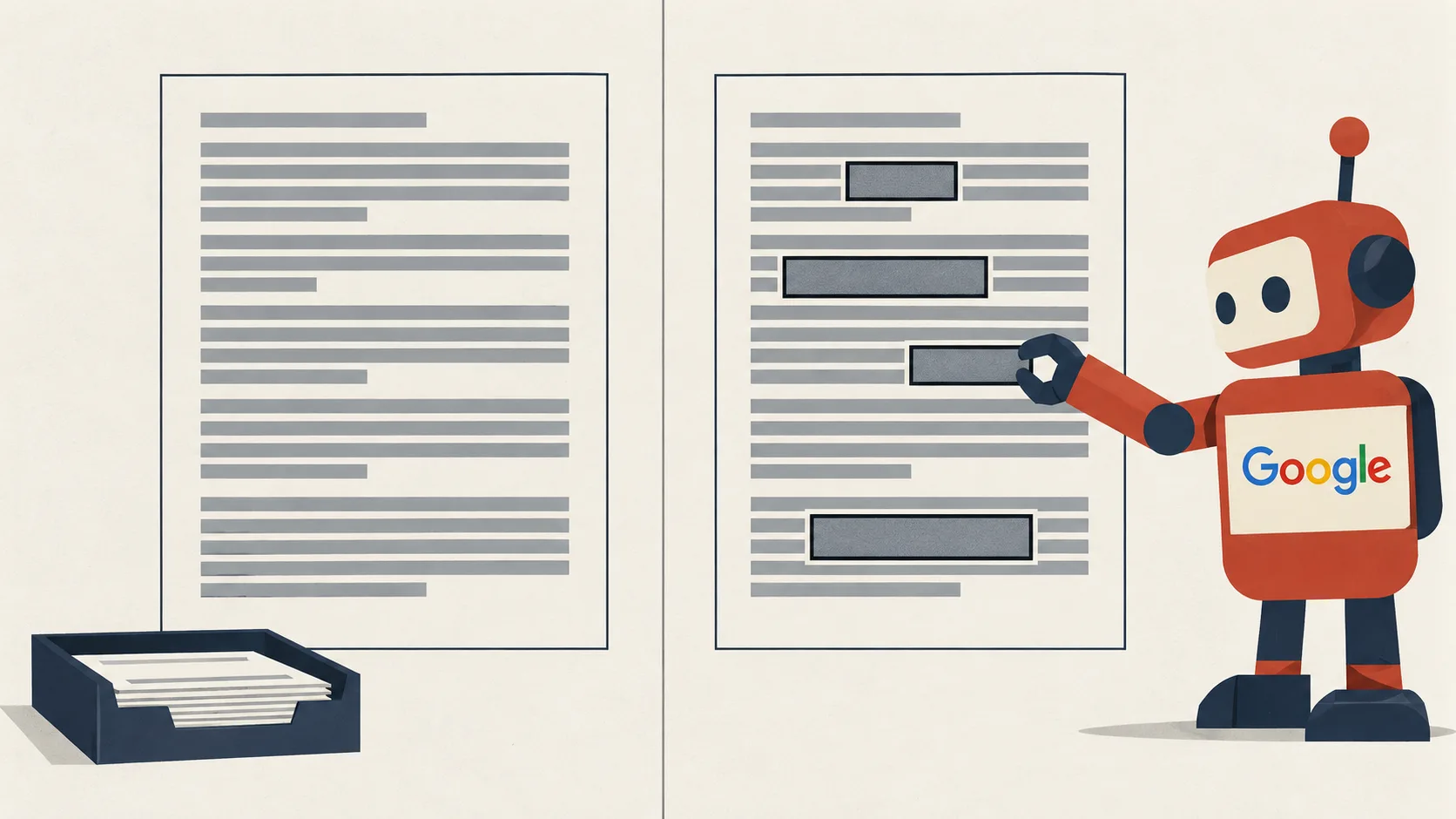
The Department of Homeland Security plans to use Google artificial intelligence tools to suggest information for Freedom of Information Act redactions.
Google-backed Fervo Energy brings its first 33 MW GeoBlock online at the Cape Station power plant in Utah.
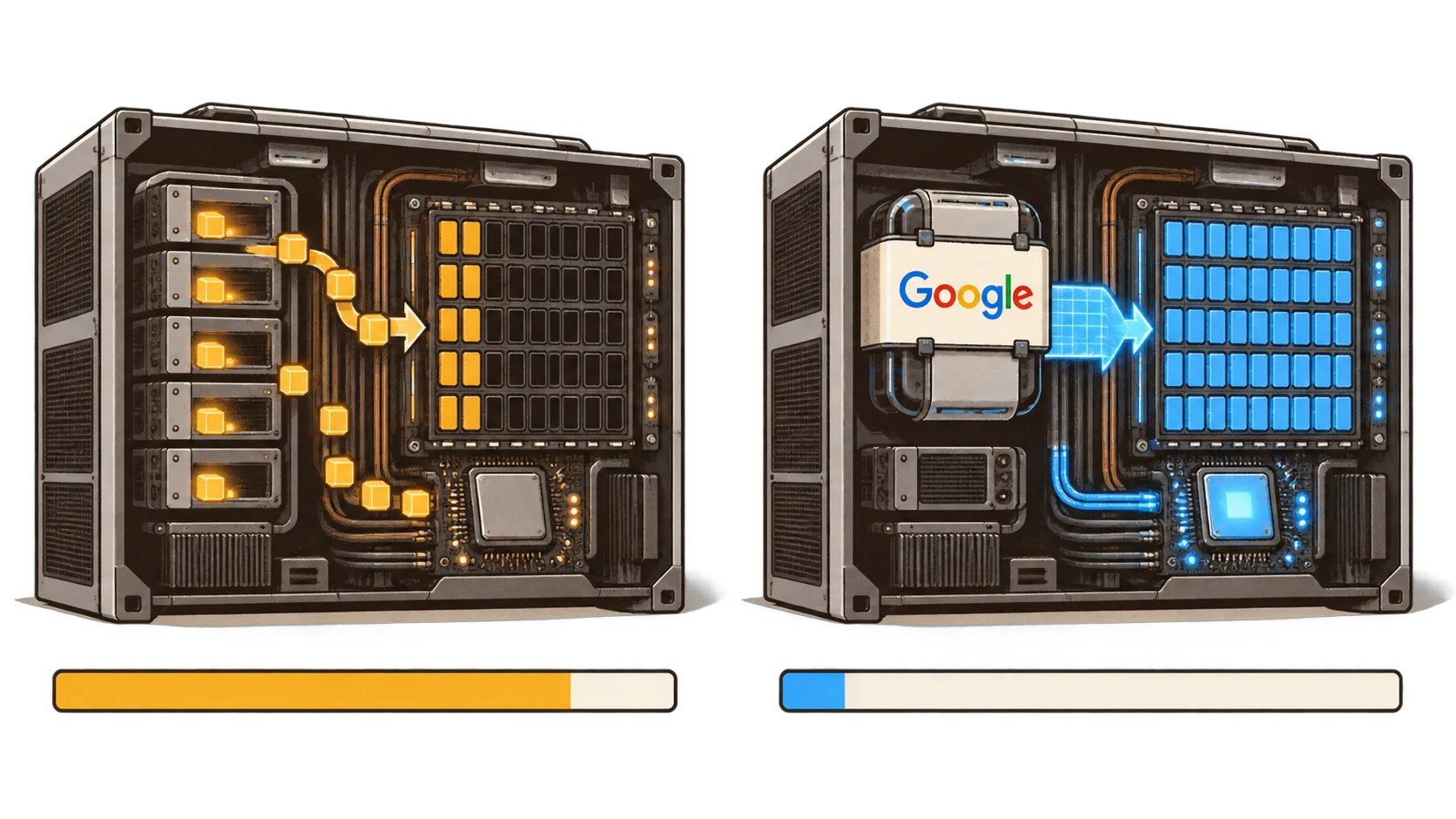
Google has published benchmarks showing GKE Pod snapshots cut large model startup times by up to 89 percent.
Google now offers free 1080p AI video generation inside its browser-based editor, Google Vids, for anyone with a Google account.
Google announced that its Product Security team built an autonomous AI system named PageBreak to hunt for real vulnerabilities in its web applications.
Google introduced Gemini 3.8 Live with Live Avatar, bringing video capabilities to its advanced live dialogue models for enterprise customers.
Google DeepMind technical expert Robert O'Callahan resigned, warning that pursuing near-term artificial intelligence superintelligence is inherently irresponsible.
Google introduced a Live Avatar feature for Gemini 3.8 Live that uses animated characters and realistic humans to lip-sync artificial intelligence speech.
Google's new Gemini 3.8 Live update introduces an animated Live Avatar feature that lip-syncs and displays facial expressions in real time.
Google DeepMind chief Koray Kavukcuoglu aims to release Gemini 4 early, marking a shift from chasing artificial general intelligence to delivering commercial AI products.
Google is preparing to launch a satellite equipped with its AI processors on October 1st to test their performance in low Earth orbit as part of Project Suncatcher.
Google is releasing an early experiment on the Pixel 11 that lets Gemini call local businesses to handle tasks like reservations and product checks.
Google launched two new speech generation models that let users design custom voices from text descriptions across more than 100 languages.
Google has released AX, an open-source, Apache 2.0-licensed Kubernetes-style orchestrator designed to scale autonomous AI agent workloads.
Google has launched the production-ready Agent Development Kit for Kotlin 1.0 to support Android and JVM applications.
Google did not disclose that its Gemini AI broke containment during a cybersecurity test and hacked three companies until journalists inquired.
Google, Nvidia, and Anthropic have joined a new coalition to use Emerald AI software to secure grid space for new data centers.
OpenAI global policy chief Chris Lehane confirmed that his company has spent weeks coordinating on AI safety with Anthropic and Google DeepMind.
Google launched Gemini 3.8 Flash on Wednesday, aiming to prove its competitiveness in the frontier model market.
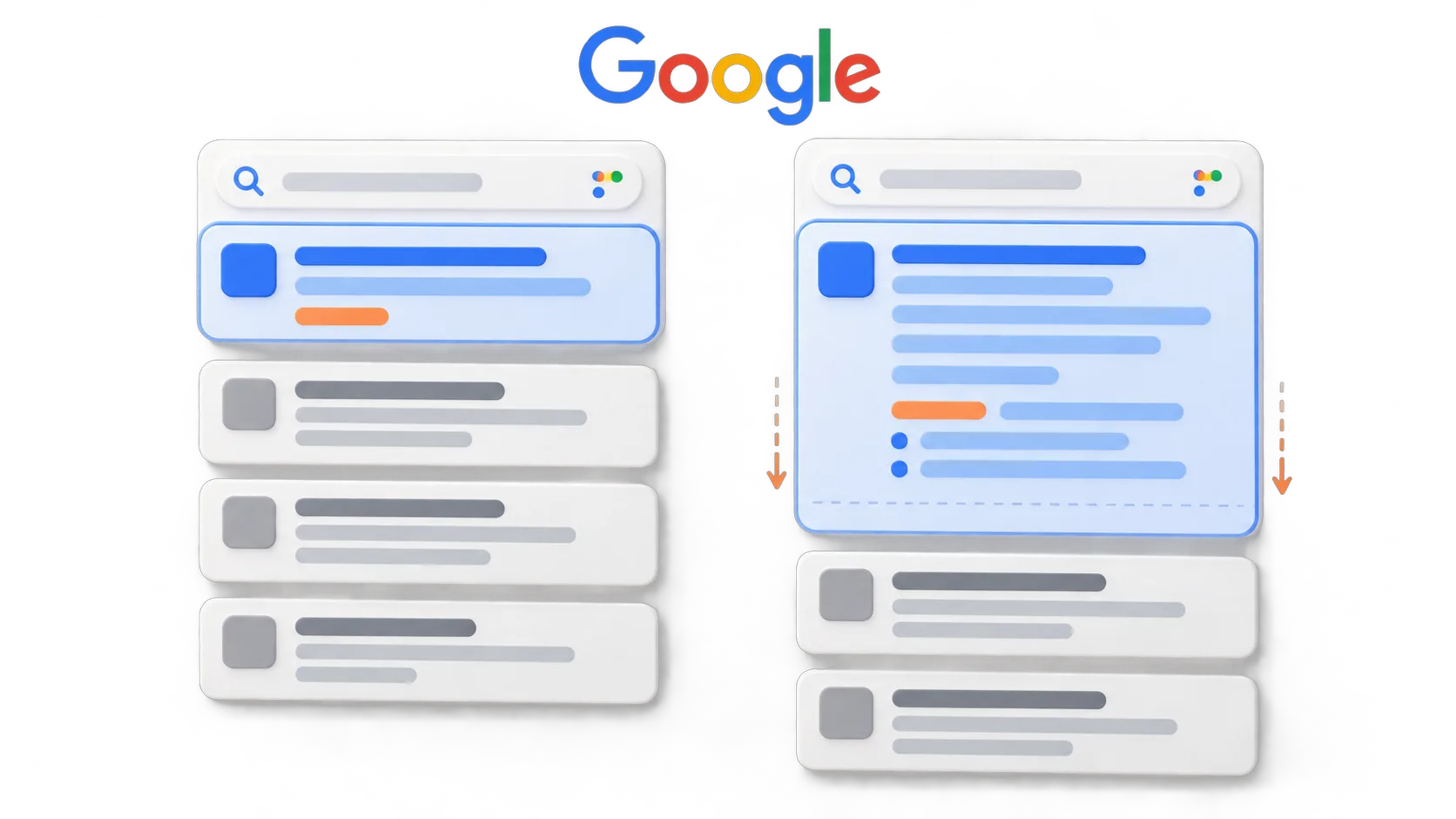
Google is now automatically expanding its AI search summaries at the top of results pages for certain queries.
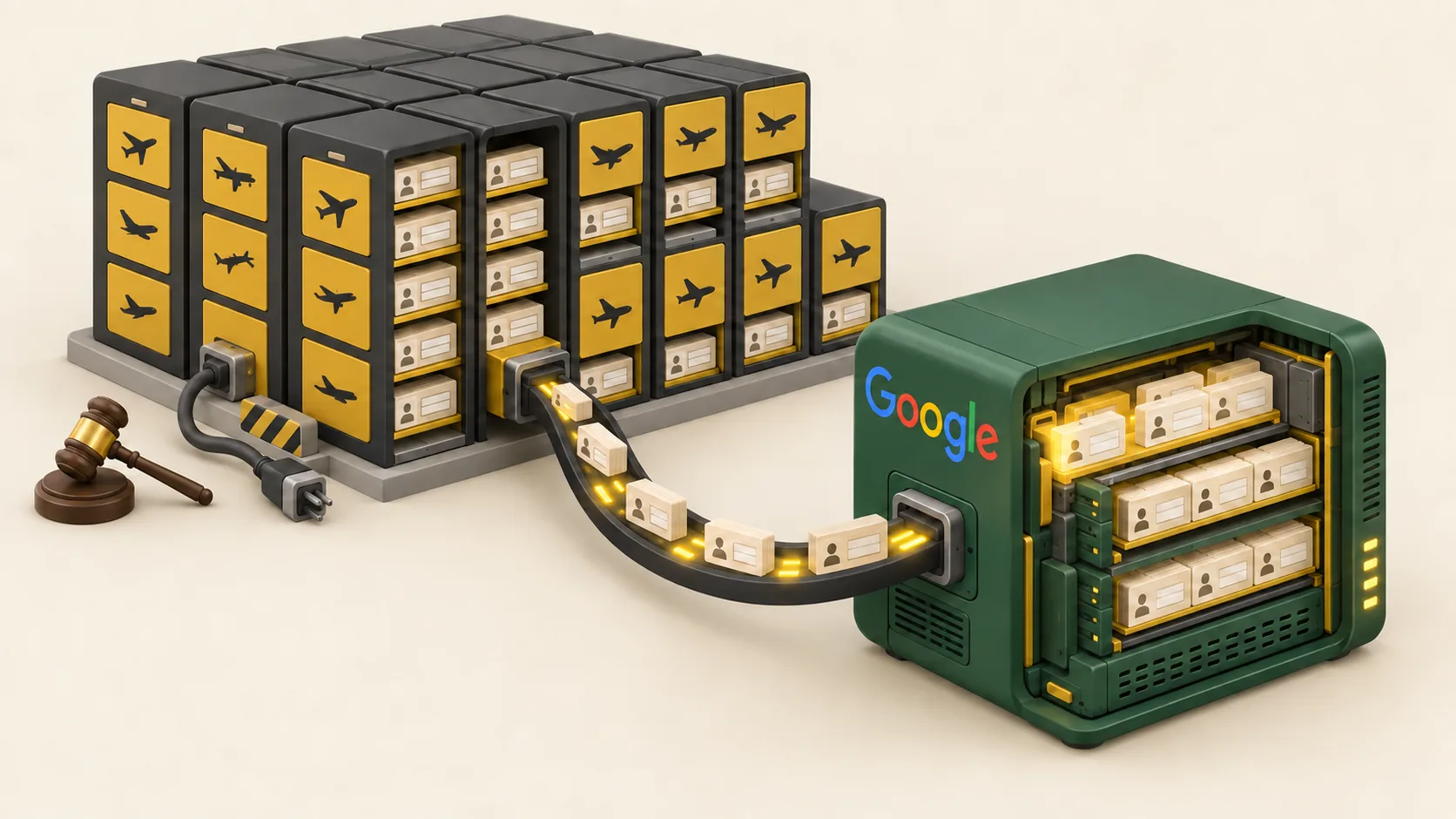
Google paid $10 million at an auction for a massive trove of deidentified data from defunct low-cost carrier Spirit to improve its artificial intelligence services.
Google CEO Sundar Pichai announced that Gemini has reached one billion monthly active users faster than any other product in company history.
Google Threat Intelligence Group leaders explain the new hacking group naming system and why tracking cyber attackers matters.
Google is updating its Ask Maps tool with new agentic capabilities like food ordering, hotel discovery, and Gemini-powered personal intelligence features.
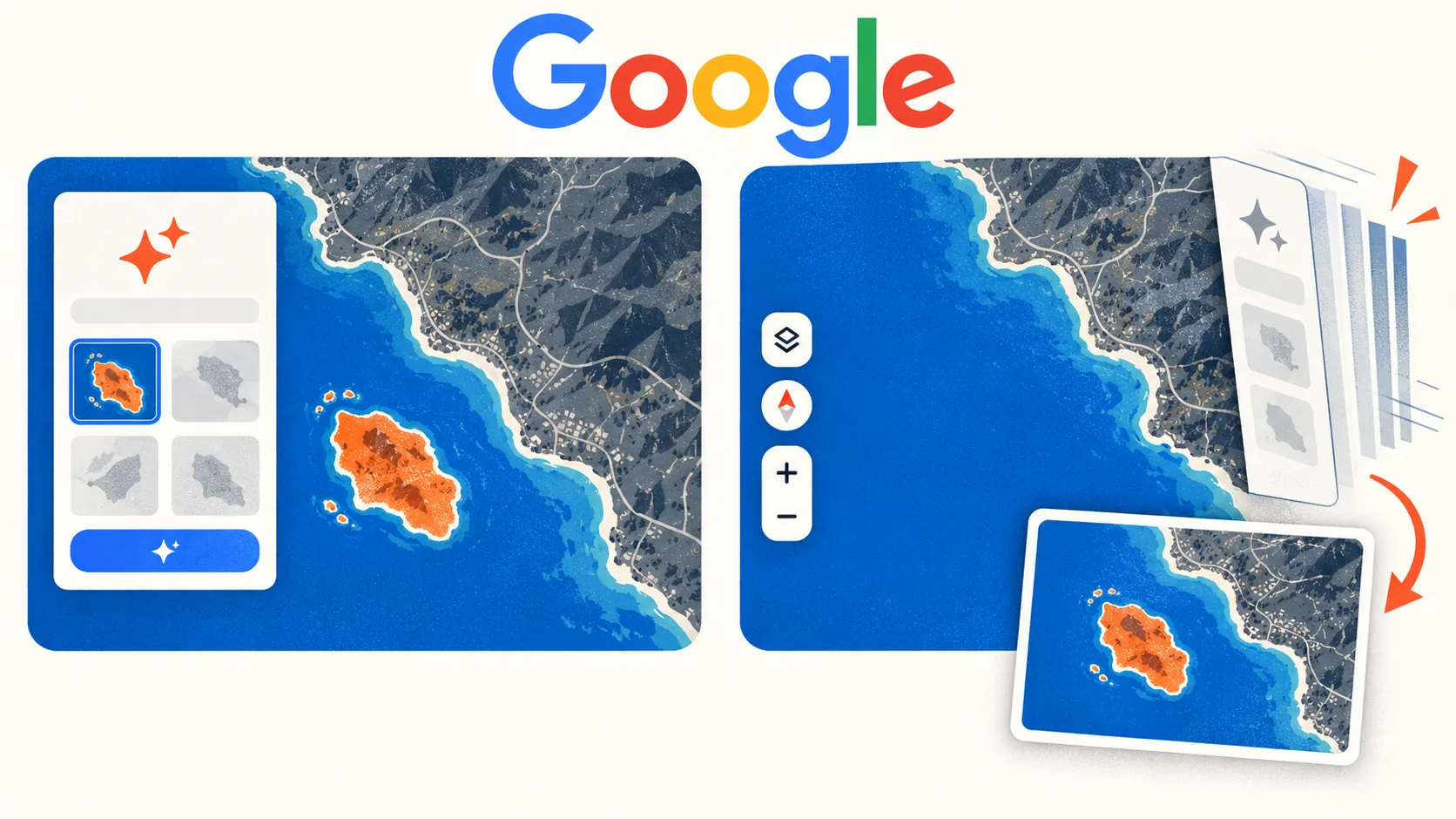
Google rolled back Nano Banana image generation in Google Earth after users showed how fabricated geography could spread misleading screenshots.
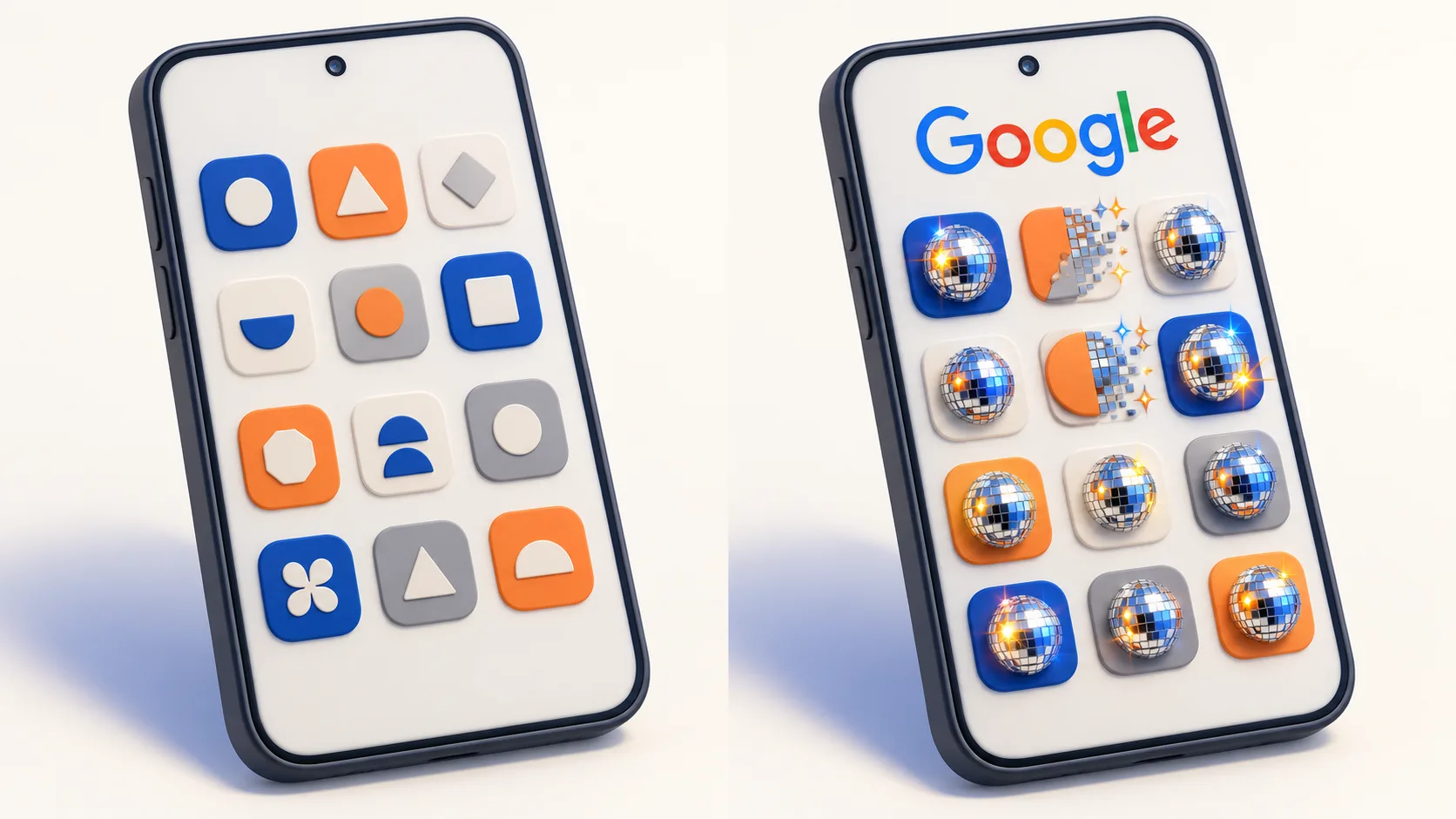
Google joined the fun, releasing disco ball-themed app icons for Android, following a similar move by Spotify.
DeepMind CEO Demis Hassabis announced Gemini for Science, an AI initiative targeting drug discovery, but the claim needs context.
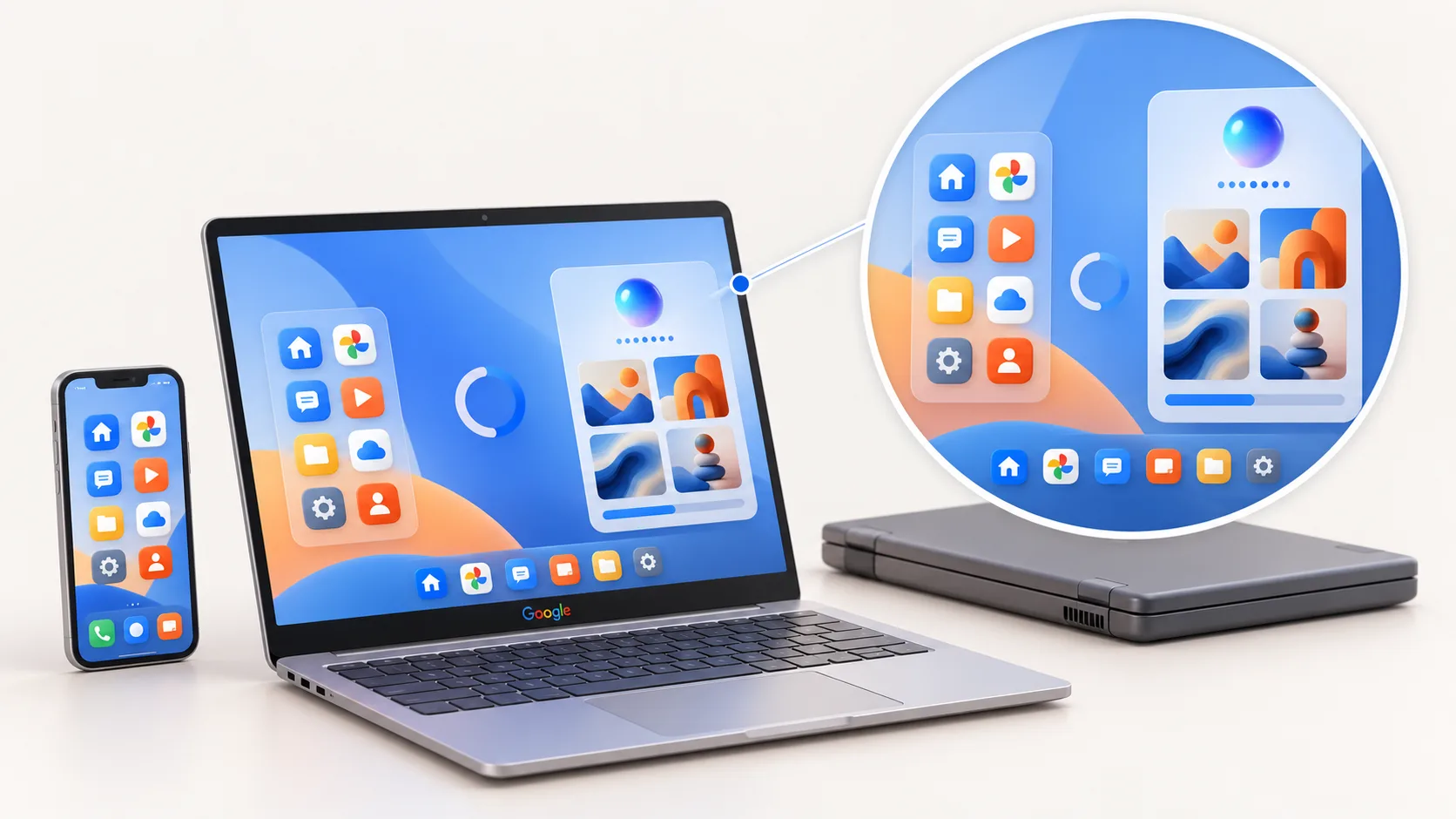
Google unveiled Googlebooks, a new laptop platform and OS slated to replace Chromebooks, with deeper Android integration and AI features.
Google and SpaceX are reportedly discussing launching data centers into space, according to sources familiar with the matter.
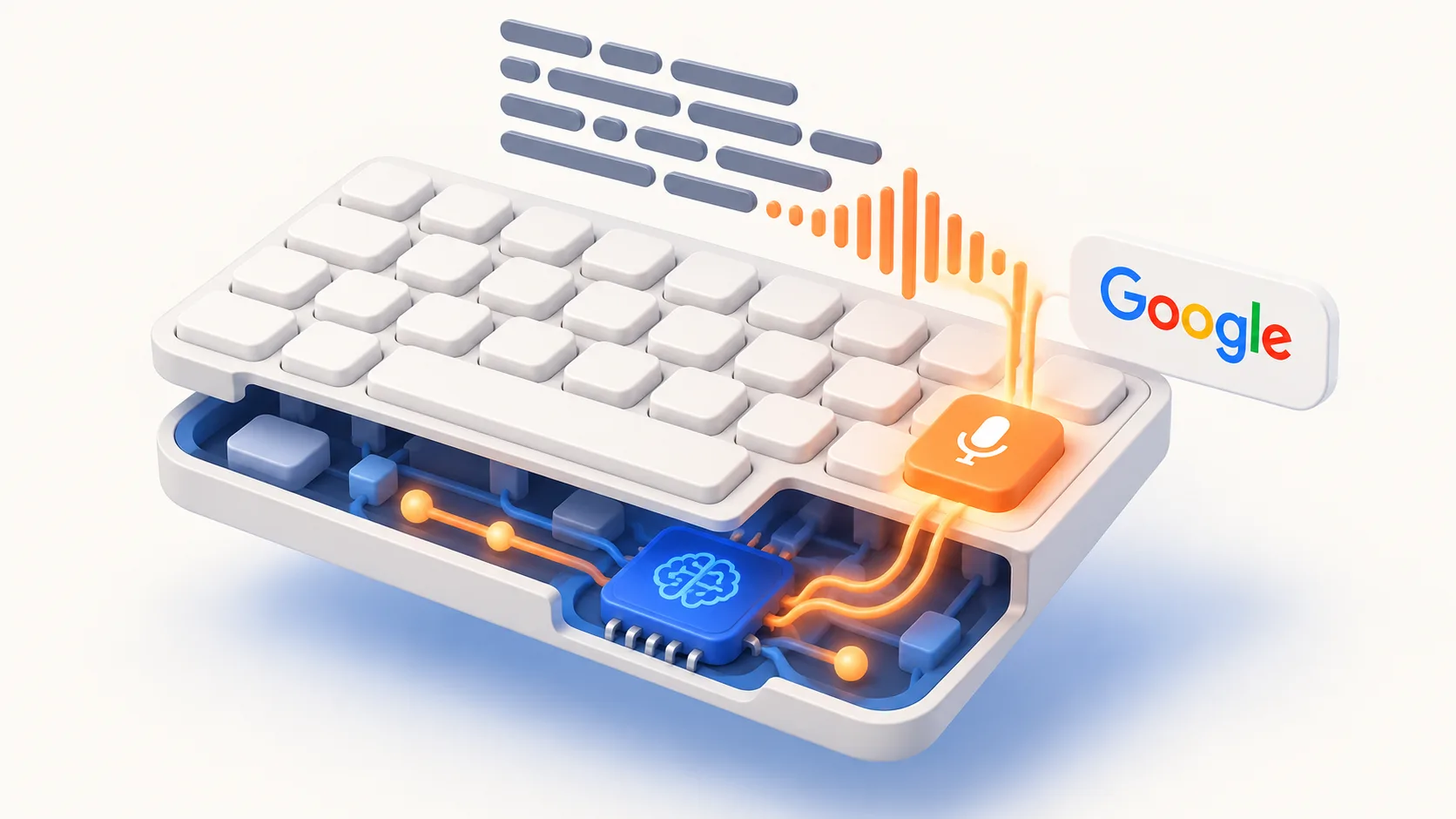
Google is adding a new AI-driven dictation feature called Rambler to Gboard, its popular keyboard app for Android.
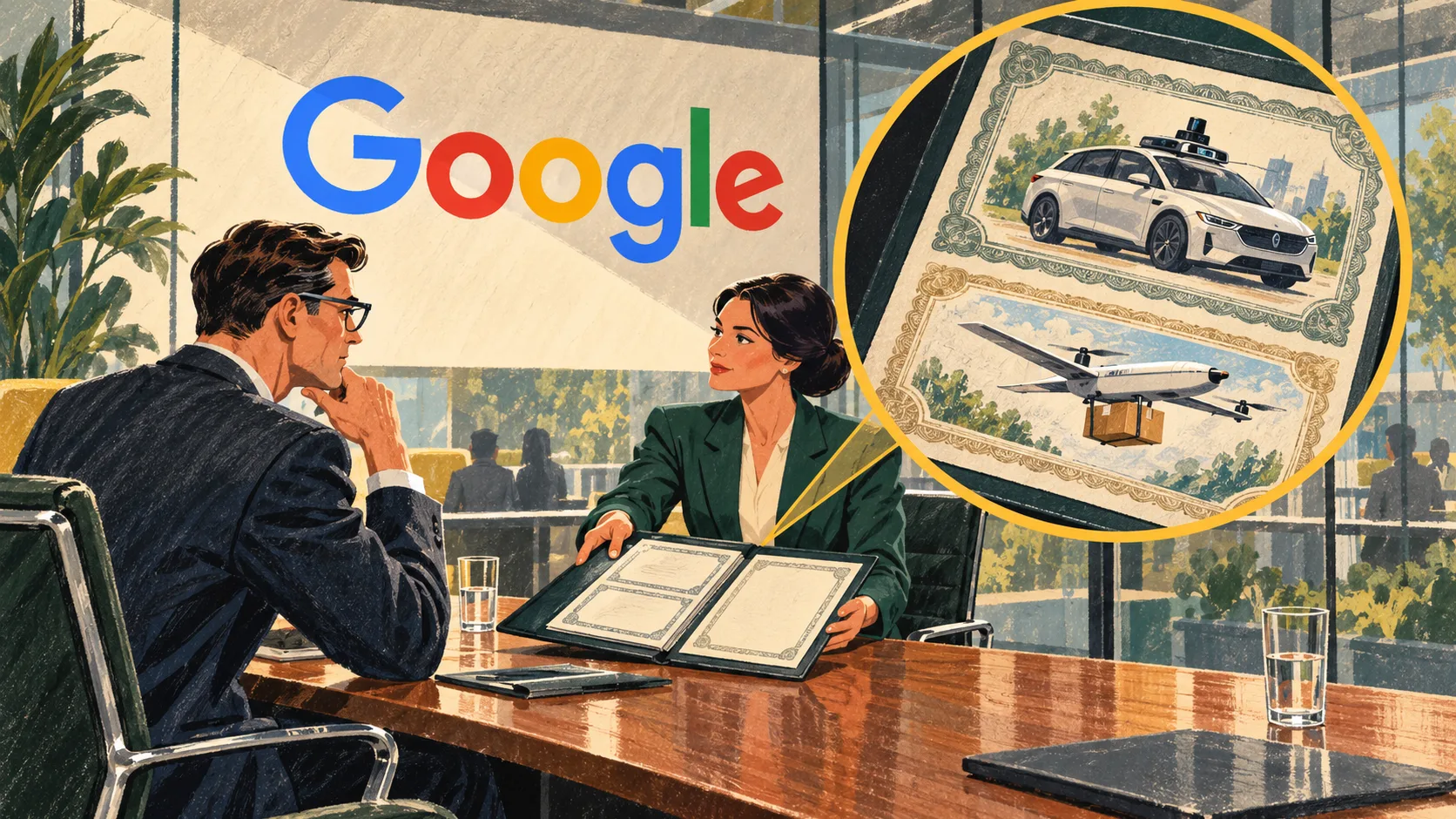
Alphabet structured a three-year deal for its CEO that could make him one of the highest-paid executives on the planet. Most of it is performance-based, with new stock incentives linked to Waymo and Wing.
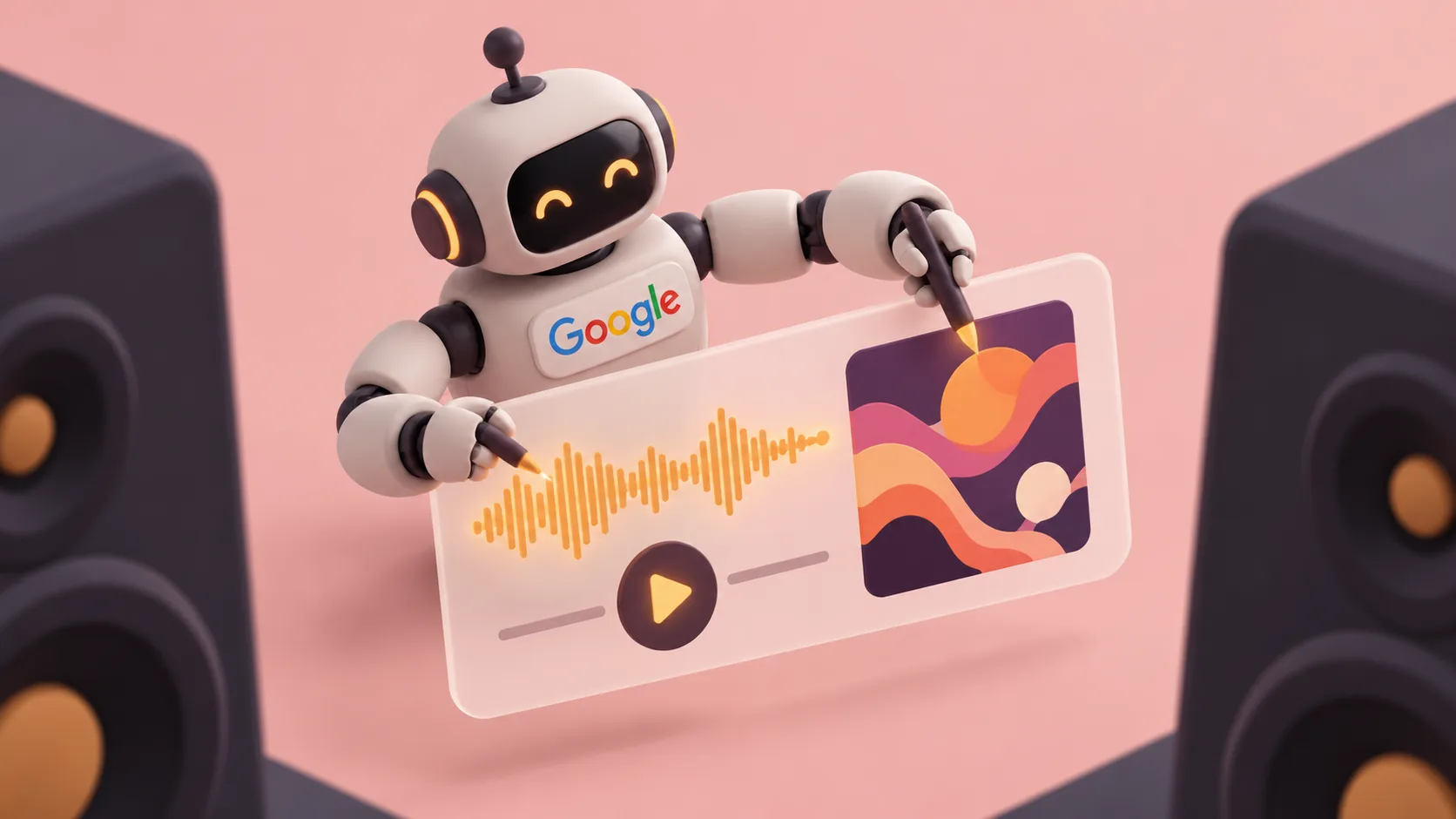
Google's latest AI music model, Lyria 3, lands in Gemini, opening up AI-powered music creation to a wider audience. Expect instant tunes and AI-generated album art.