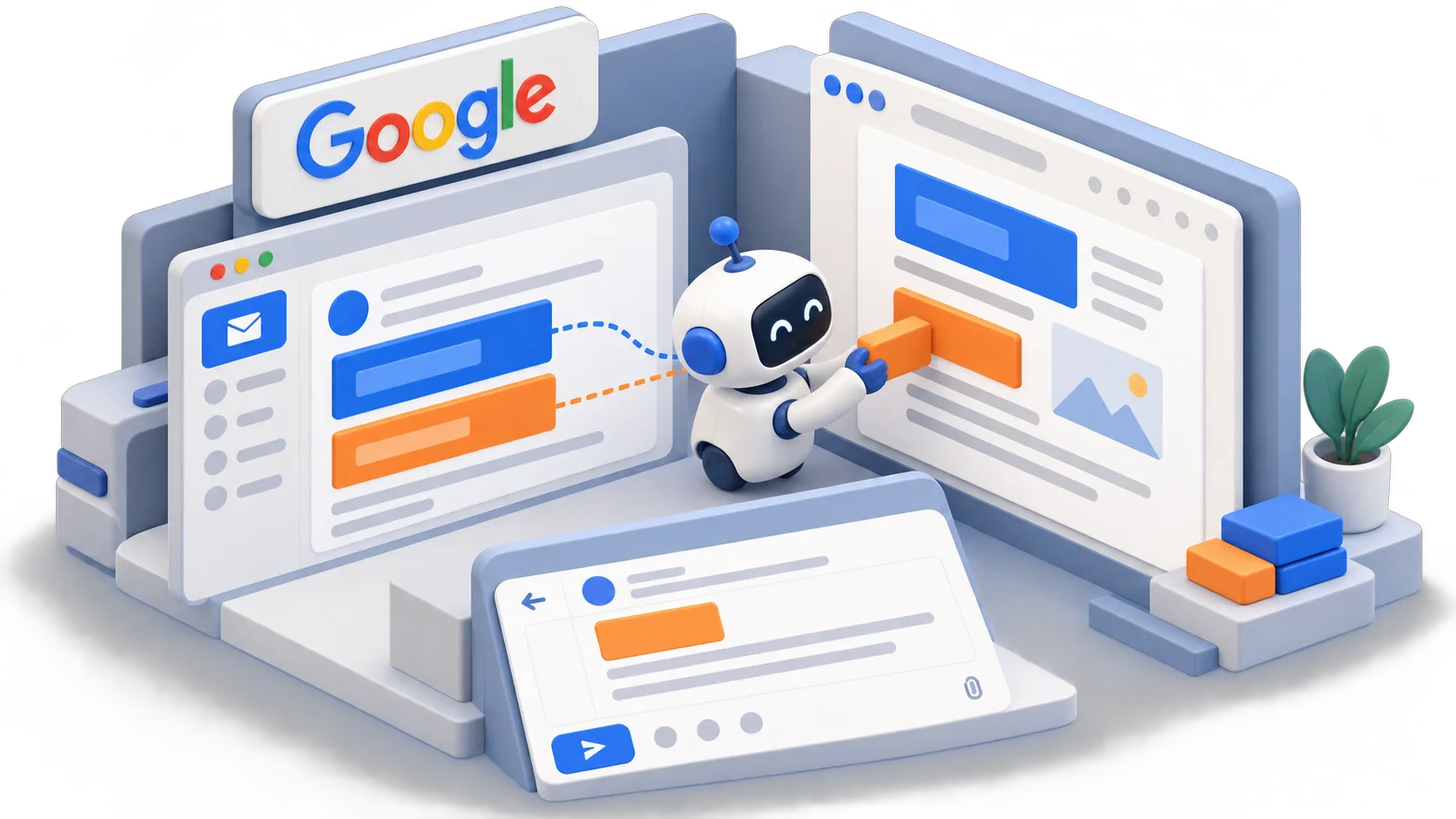

Google announced the Gemini agent at Gemini at Work 2026. The company says the agent can answer questions, complete assigned work, create images and other media, and write and run code from one interface. It can also work directly inside Gmail, Drive, Docs, Slides, Sheets, Chat and Calendar.
Users can give the agent an objective, schedule a task or have it respond to an event, according to Google. It can use tools connected to company systems and continue working in the cloud after a user closes their laptop. Google says its memory and context carry across devices and channels, including mobile apps, desktop apps and the command line.
Gemini works across apps and teams
Inside Workspace, the agent can act on information from a user’s email, calendar, documents and team activity. Google gives an example in which it identifies meeting participants from a Chat space and an earlier email thread, checks calendars and starts an email conversation to arrange a time. The company also says Workspace can suggest tasks for a user to delegate to Gemini.
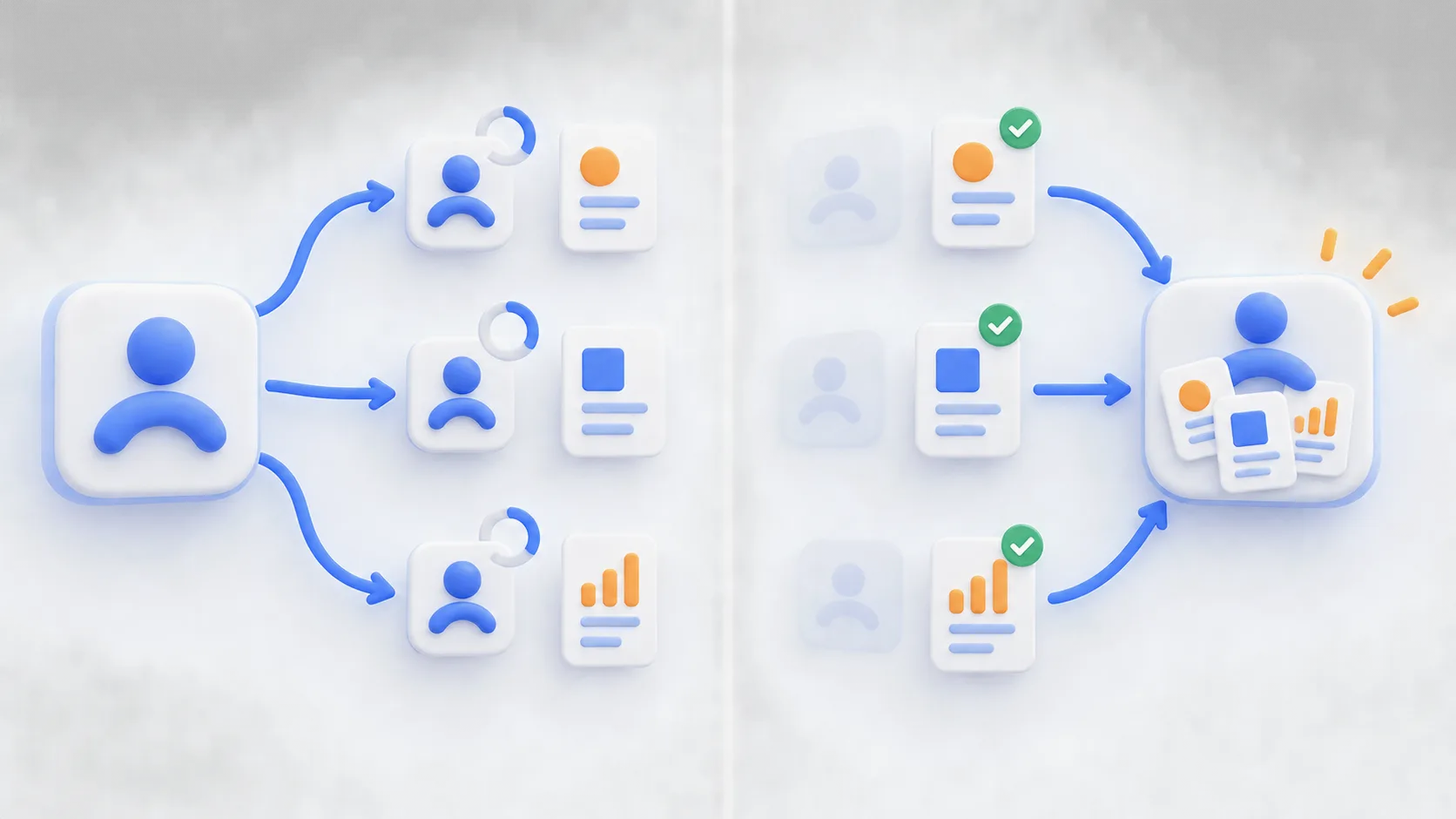
Teams can create coworker agents with their own Workspace accounts, including an email address, calendar and Drive. Colleagues can add one to a Chat space or mention it in a document comment. For longer tasks, Gemini can create temporary subagents and coordinate their work, Google says.
Google adds model and cost controls
Google says Gemini can select a model for each job from its own Gemini family and Anthropic’s Claude models. The company also announced Smart Routing and real-time spending caps. Its enterprise controls include identity and policy management, permissions, sandboxing and network gateways.
Google also announced data and analytics skills intended to let technical and business users ask questions in plain language. It described specialized tools, skills, connectors and knowledge for financial services and legal teams. Teams can publish their own tools and skills to company registries.
Google says early customers have tested parts of the new agent. Sportswear brand On tested its dynamic model selection capability.