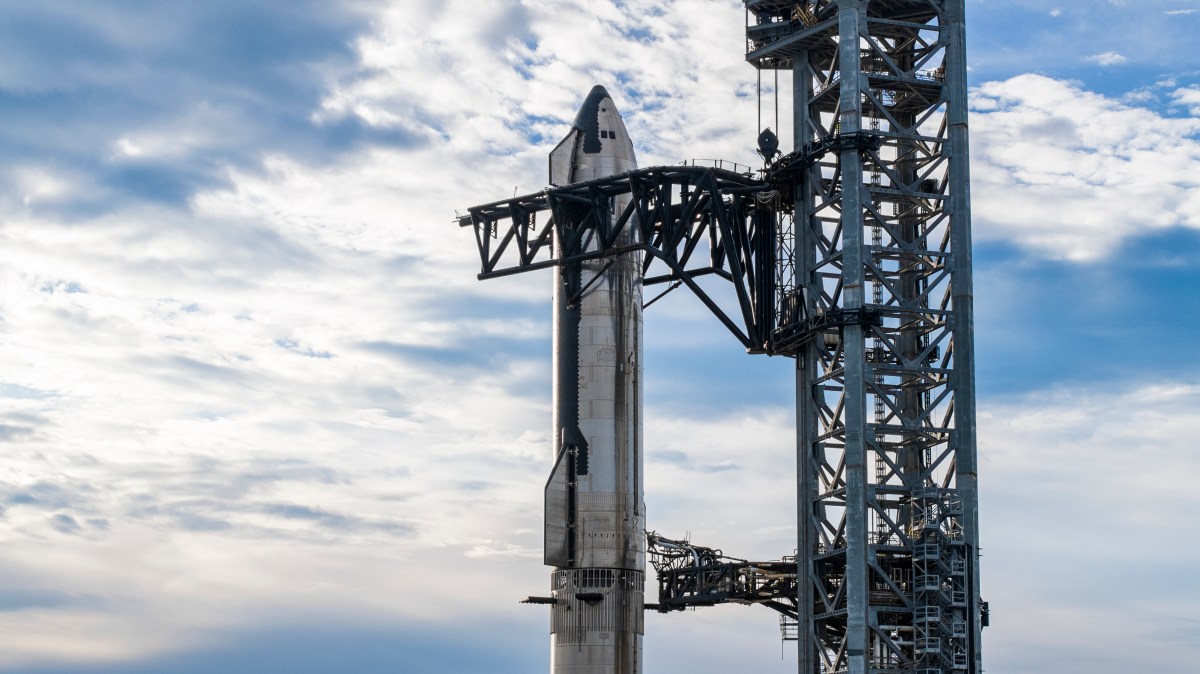

Google and SpaceX might team up for something wild: data centers in orbit. The Wall Street Journal reported the news, citing sources familiar with the talks. Imagine servers floating around Earth.
Why space? SpaceX is gearing up for a massive IPO, potentially valued at $1.75 trillion. They're selling investors on the idea that space-based data centers will be the most cost-effective place for AI computing in the near future. Think lower latency and access to unique resources.
Anthropic struck a deal with SpaceX
This isn't totally out of the blue. Anthropic, the AI company, recently struck a deal with SpaceX to use computing from xAI's Memphis data center. (SpaceX acquired xAI earlier this year.) The long-term plan could involve working together on those orbital data centers. This collaboration shows there is interest in computing beyond Earth.
What are the potential benefits? Proponents suggest reduced latency for global users. Data travels faster in a vacuum. Space could also offer unique cooling opportunities. Plus, there is the potential for harnessing solar energy more efficiently. It is a different environment than current data centers.
 Read nextMeta Saves Billions On US Taxes By Classifying AI Data Centers As Experiments
Space data centers face major challenges
There are challenges, of course. Building and maintaining data centers in space would be incredibly complex and expensive. Power, cooling, and communication are all big hurdles. Repairing equipment would be a logistical nightmare. The cost alone may outweigh the benefits.
The report doesn’t detail the specifics of the talks. It's unclear how far along the discussions are. But the very idea of Google and SpaceX exploring this is pretty mind-blowing. It shows where tech companies are looking for future infrastructure solutions. We'll have to wait and see if this becomes reality.
If it happens, expect a shift in how we think about data infrastructure. Earth-bound data centers might become old news. The future could be floating above us. This is just the start of the space-based computing era.