Google DeepMind CEO Demis Hassabis made a pretty bold statement at Google I/O. He said the company wants to "reimagine the drug discovery process with the goal of one day solving all disease." That's a huge claim, and it needs some unpacking.
What Hassabis actually presented was Gemini for Science. It's a set of experimental AI tools. The goal? To help researchers explore and make new discoveries. Think of it as AI assisting scientists, not replacing them.
The problem is how this kind of announcement lands with the public. Experts at I/O likely understood the nuance. They know AI can speed up medical discoveries. But to many, it might sound like "Gemini is going to cure every disease because that is the power of AI." That's not how medical breakthroughs work.
The statement requires more context
Good science communication is key here. It's got to be easy to understand. It also can't accidentally spread misinformation. Hassabis' statement definitely needs context. Otherwise, people might get the wrong idea about AI's capabilities in medicine.
I'm often critical of AI health in Optimizer, but Hassabis’ statement is one that deserves a lot more contextualization.
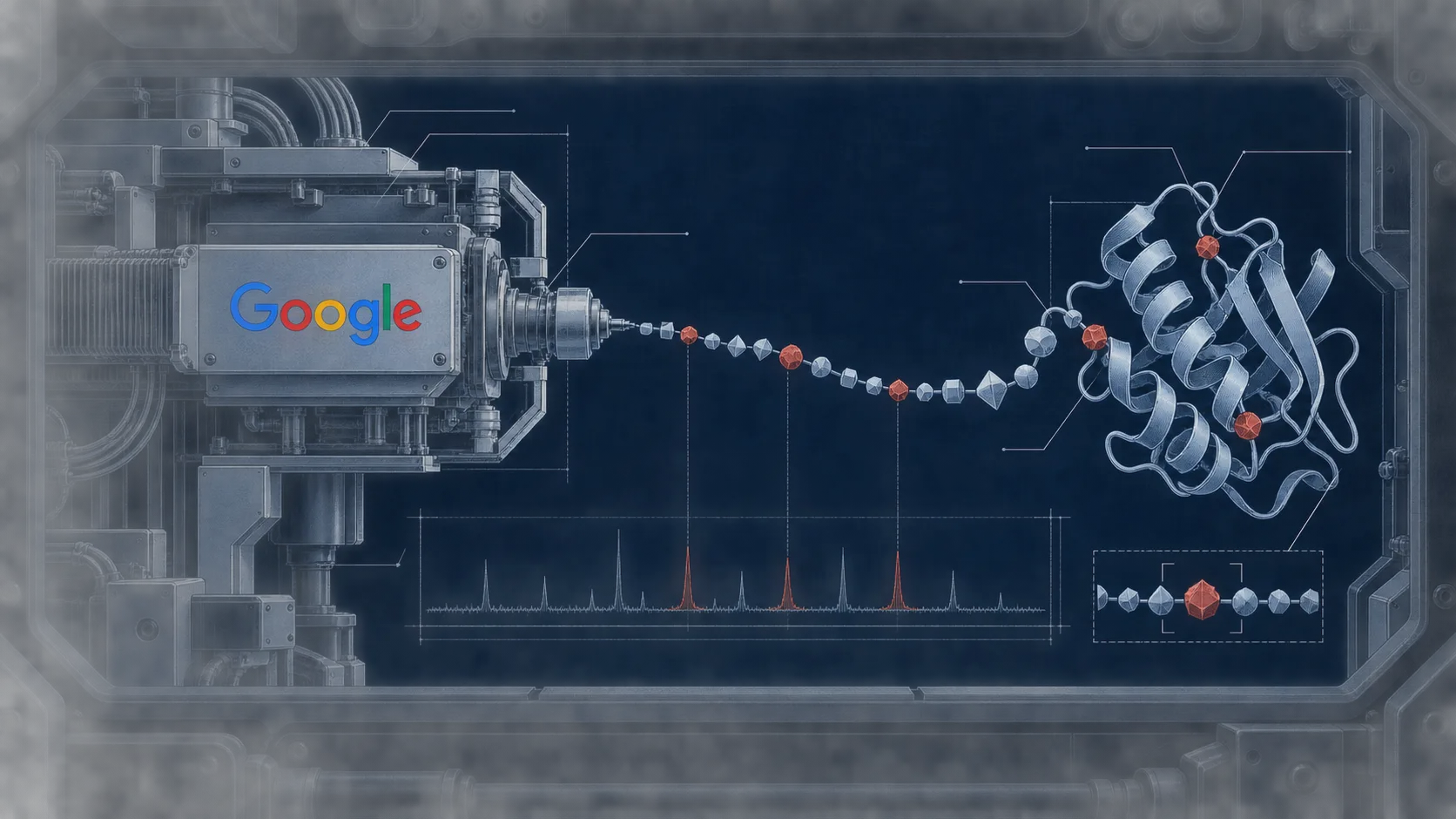 Read nextGoogle Researchers Develop Watermarking System for AI-Designed Proteins
Drug discovery is a complex process
The reality is drug discovery is complex. It takes time, research, and a lot of trial and error. AI can help, but it's not a magic bullet. It's a tool to accelerate the process, analyze data, and identify potential drug candidates. It's not going to instantly eradicate every illness.
So, while Google DeepMind's ambitions are admirable, it's important to keep expectations in check. "Solving all diseases" is a long-term goal. Gemini for Science is a step in that direction, but it's just one step. It will take more than AI to make that a reality.