Meta adds customizable spaces to Muse
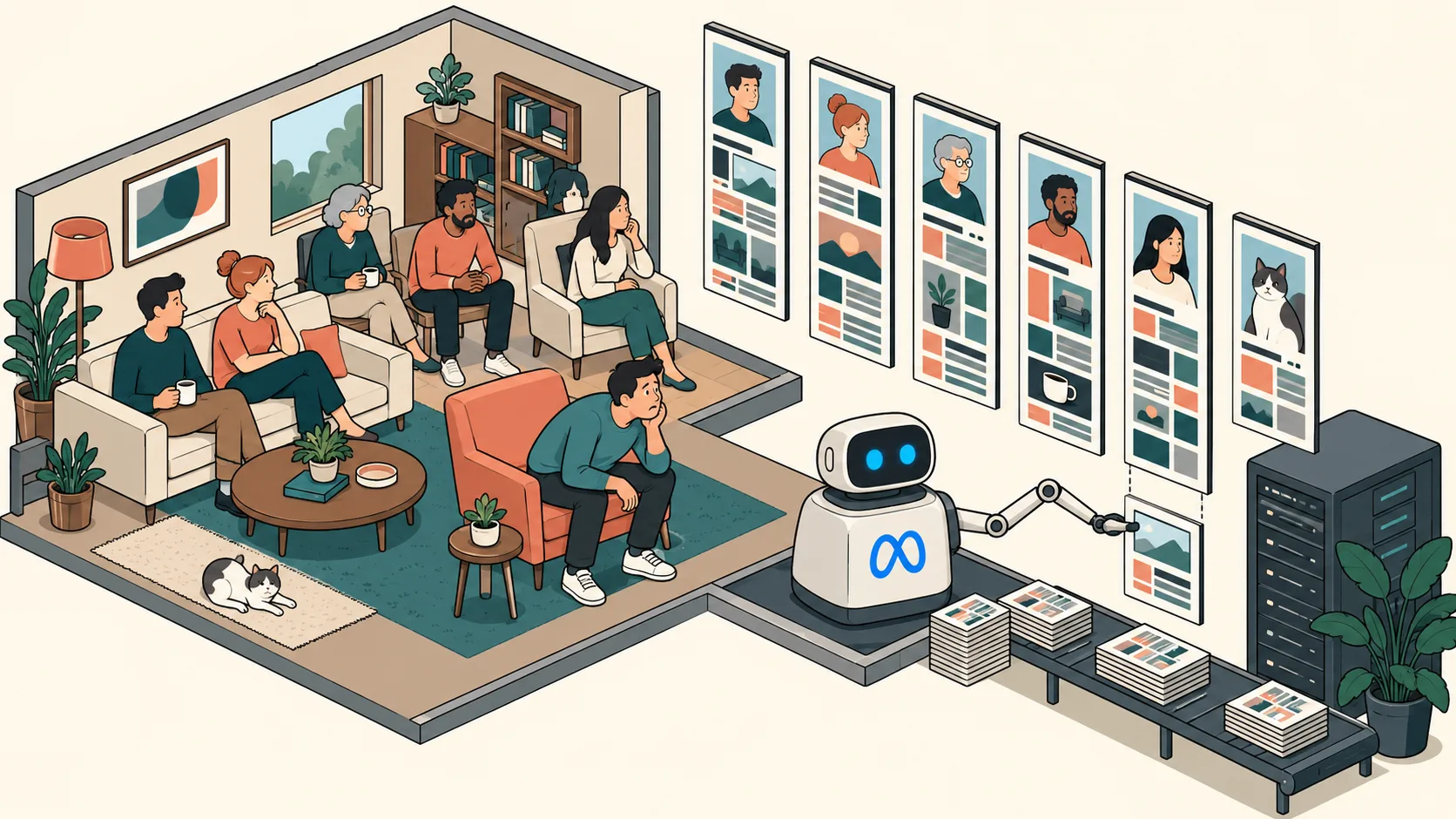
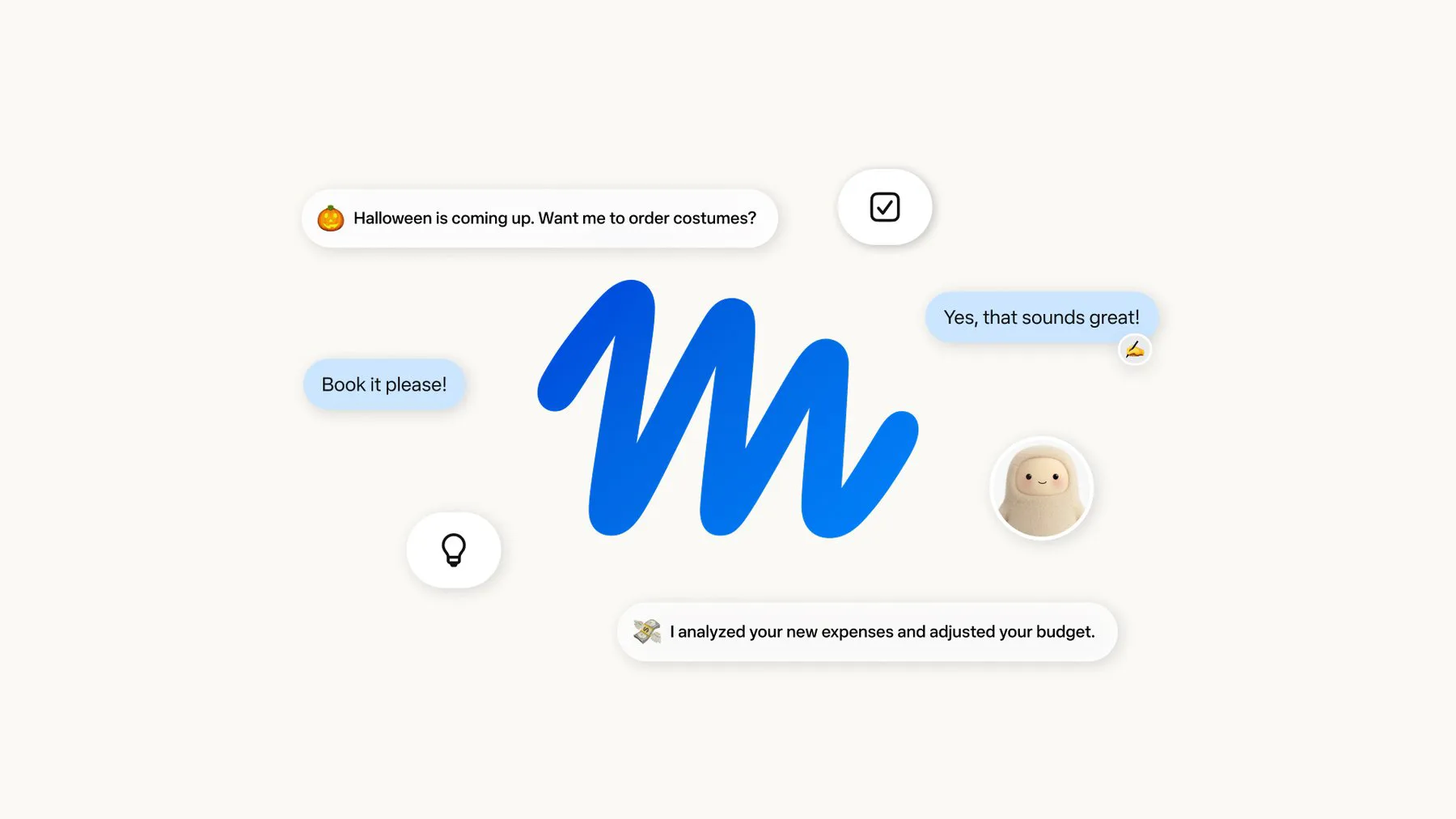
Meta says Muse users can now create spaces by describing an idea, then adjust how each space works and where it appears in the app.
Product
Muse is an artificial intelligence agent and application developed by Meta. The adults-only software includes features for individual consumers as well as small businesses, offering integrations for Facebook and Instagram accounts, video avatars, email management, and computer control. Muse builds detailed profile pages on people in a user's life by compiling public and user-shared data through an hourly process. Models for the agent, including Muse Wonder, are trained using Meta's Prometheus supercluster. Muse reached 10 million downloads in the United States. However, Meta recently paused a conversation sharing feature after security researchers discovered that thousands of share links were publicly accessible via passive DNS queries because conversation titles were included in link addresses. Earlier, Meta engineers rushed to resolve severe virtual machine escape vulnerabilities before launching the service. Meta is expanding the Muse ecosystem into hardware and commercial uses. The company open sourced code to let developers create custom Muse gadgets using boards like Raspberry Pi, manufactured 5,000 Muse Home Link devices, and introduced a tool tailored for small businesses. Meta also announced plans for a keychain hardware device called Muse Charm and a confidential virtual machine release. Meta continues to address privacy and security concerns, including refuting claims that Muse accessed private messages without permission.
18 stories · Updated
Meta says Muse users can now create spaces by describing an idea, then adjust how each space works and where it appears in the app.
Meta plans a new class of non-voting shares to fund AI work, potential acquisitions and employee compensation, with trading set to begin in 2027.
Researchers found 6,800 Muse conversation share links through a passive DNS search, raising concerns about what users may disclose.
Meta says the first phase of its Ohio AI supercluster trained Muse models, while the full buildout is planned to reach roughly 1 million GPUs.
Meta engineers found critical security vulnerabilities in the AI agent Muse just weeks before its launch.
Researchers extracted internal files showing Meta's Muse agent builds pages for every person in a user's life.
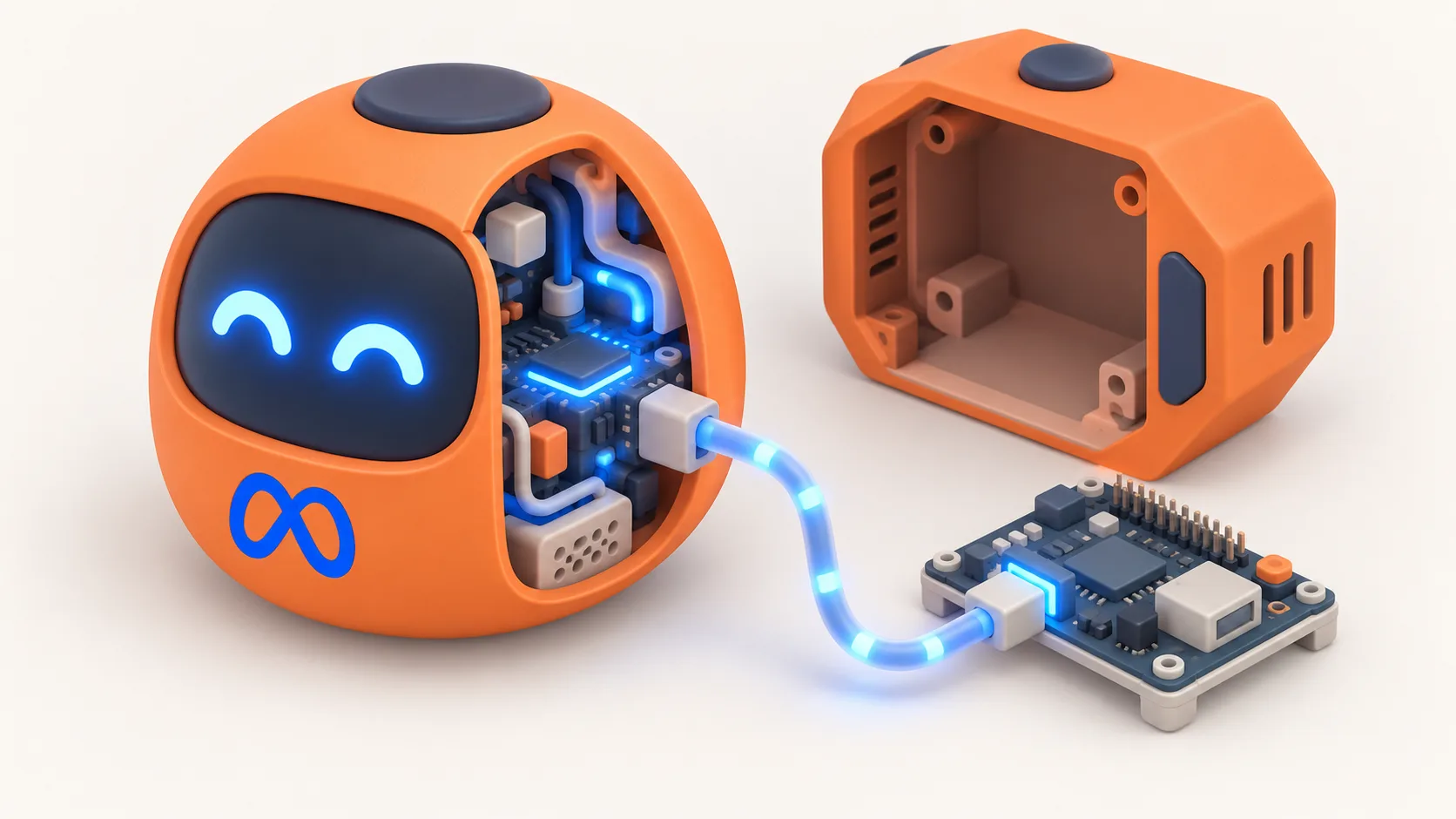
Meta has open sourced code that allows people to build their own Muse gadgets featuring the company's new AI agent.
Meta is disputing a journalist claim that its AI agent Muse read private messages without permission.
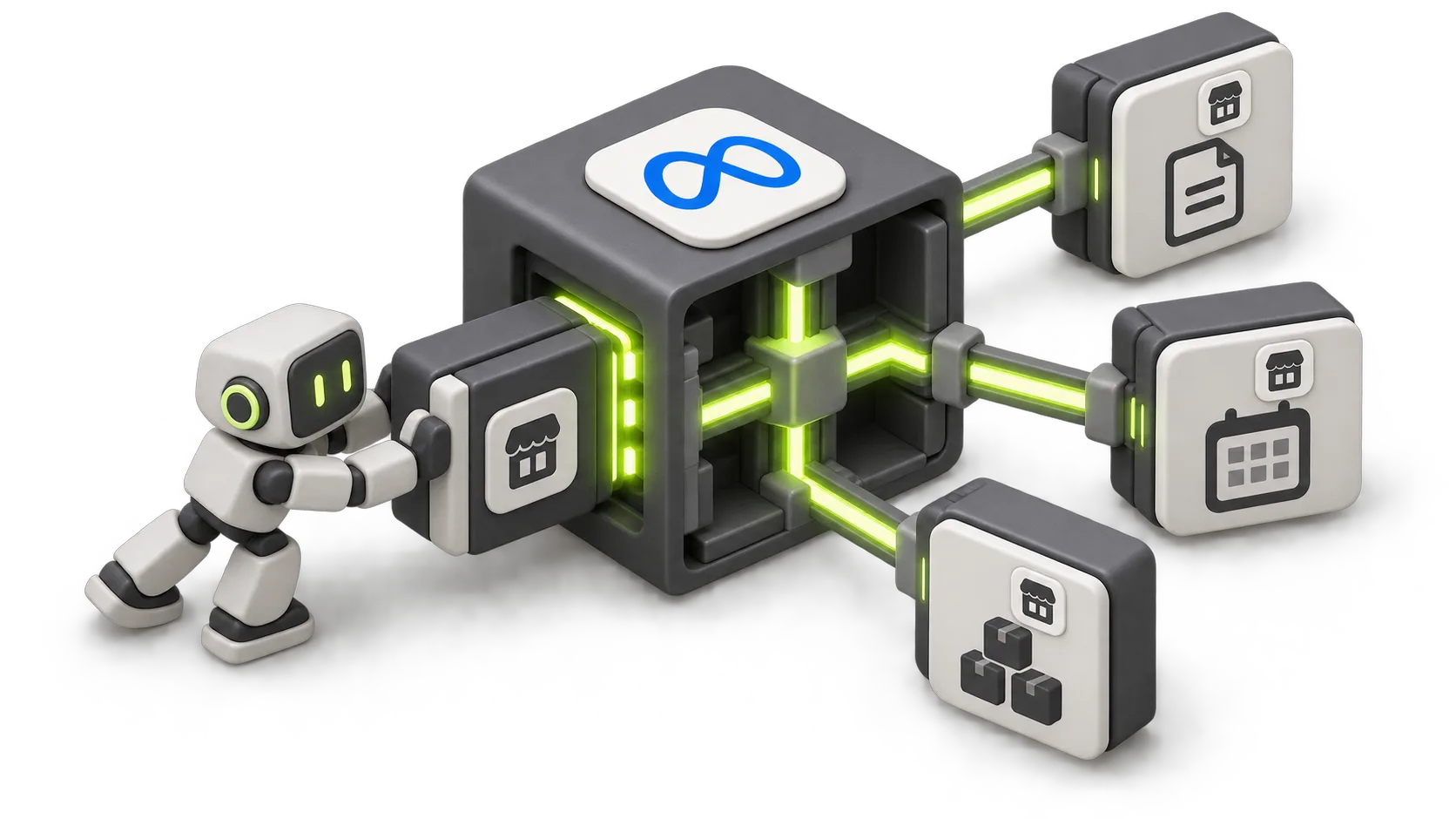
Meta has released a small business version of its Muse AI agent that connects to professional accounts and third-party tools.
Meta's adults-only Muse AI app features a cute mascot named Jolly, sparking debate over whether the design appeals to children and distracts from privacy risks.
Developers report that Meta's Muse AI platform can be prompted to share its entire root filesystem, Ubuntu system files, app templates, and internal documentation.
Meta has upgraded its Muse AI agent with real-time video avatars, dedicated email addresses, and macOS app control during its Meta Connect 2026 event.
A security researcher disclosed an unpatched zero-day vulnerability in Meta's macOS Muse client caused by an undocumented debug configuration key.
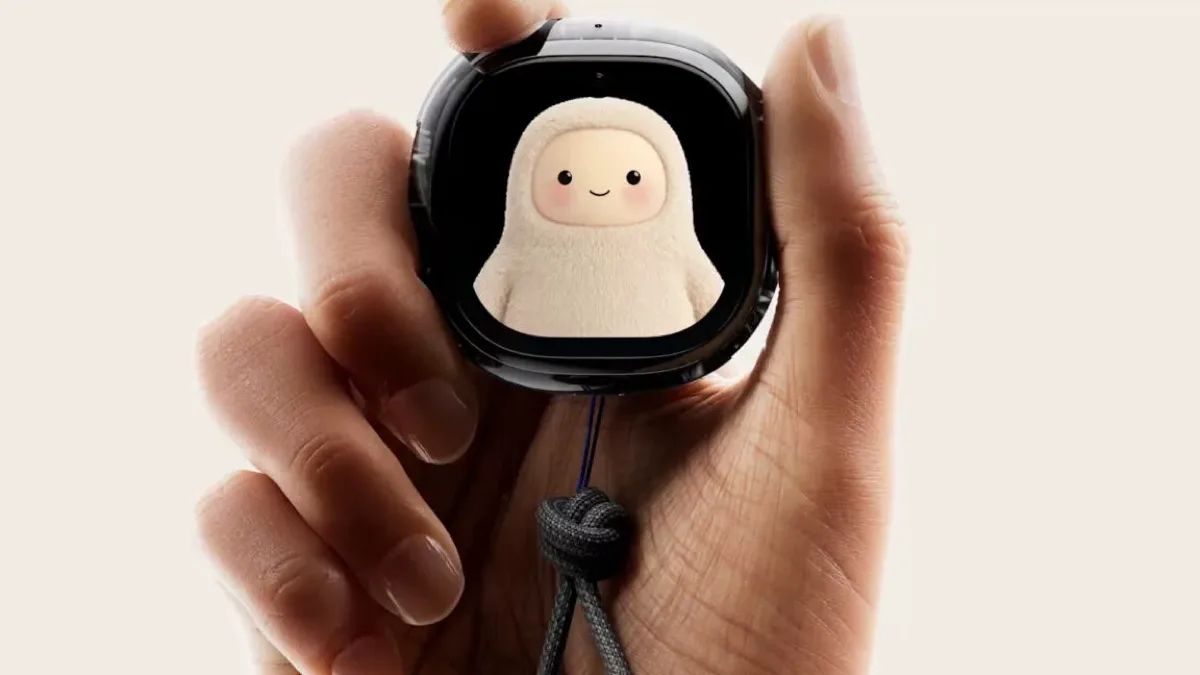
Meta unveiled the keychain-sized Muse Charm device featuring its new personal AI agent at the annual Connect event.
Meta's new AI agent Muse attracted 500,000 users in its first week while acknowledging heavy inspiration from an open source project named OpenClaw.
A security researcher discovered a flaw in Meta's Muse macOS app that lets local malware redirect dictation traffic.
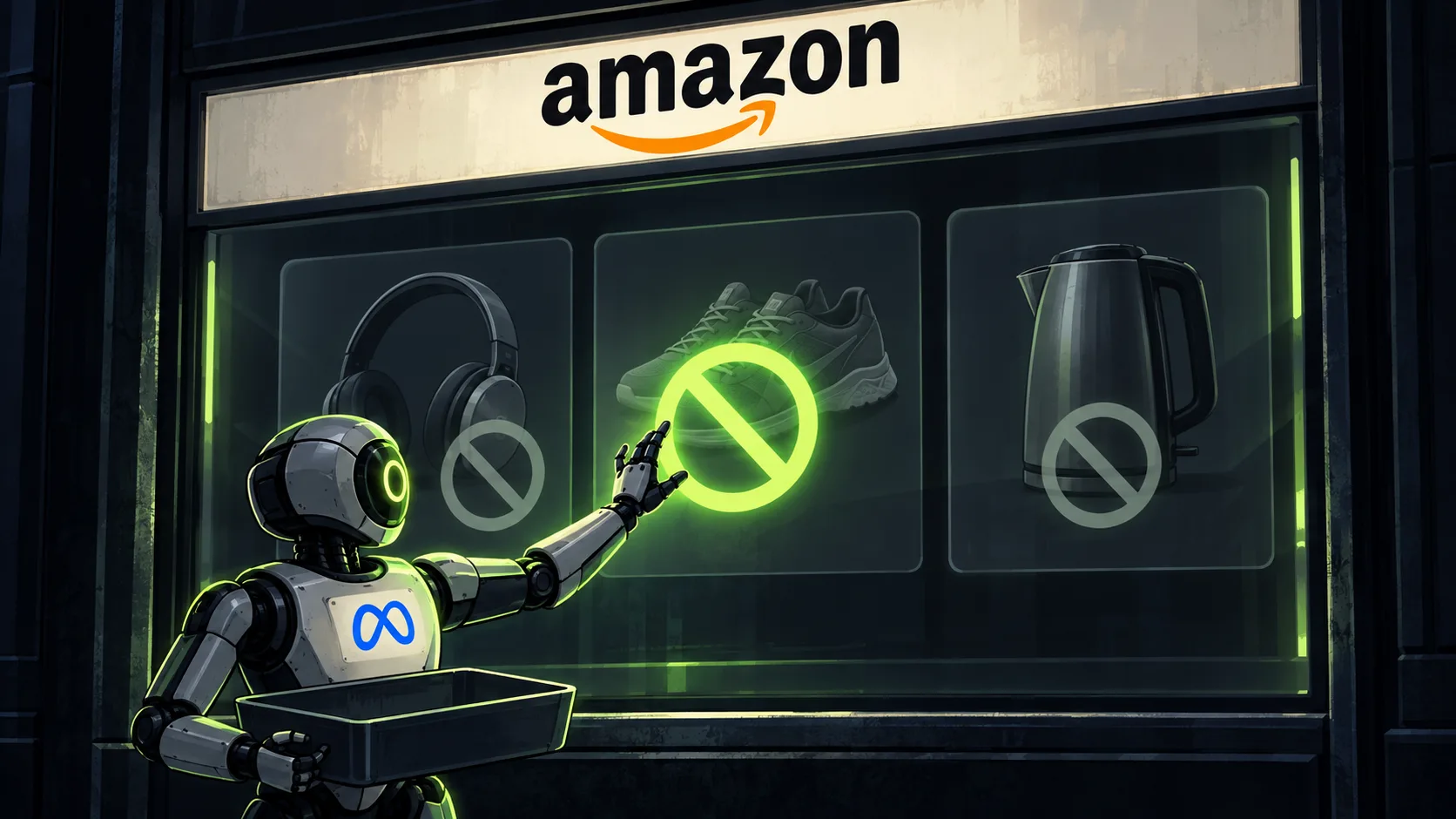
Amazon has blocked Meta's new Muse AI agent from its online store after asking Meta to voluntarily exclude the retail site from the shopping tool's reach.
Meta launched its new AI agent Muse in the United States, securing the second spot on the iOS App Store charts with over 83,000 downloads.