Amazon starts invitation-only Alexa for Shopping by text
A small group of United States customers can now text Alexa for Shopping to find products, manage carts and check orders.
Company
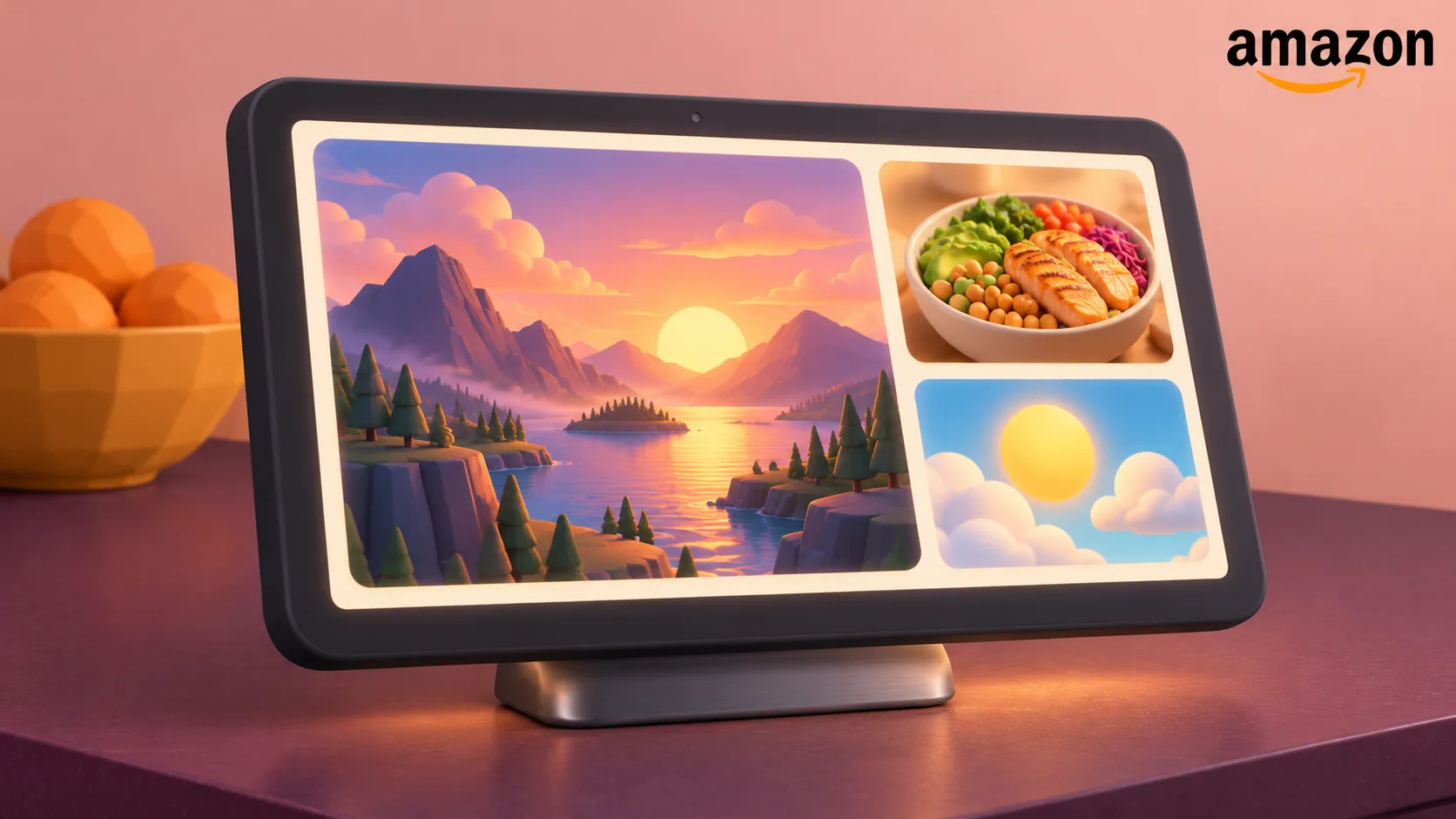
Amazon actively expands its artificial intelligence, hardware, and infrastructure initiatives. In latest developments, Amazon is testing an invitation only Alexa for Shopping text service in the United States, allowing customers to handle purchases and cart management via text message. The company's updated device lineup features the Echo Show 16 with Fire TV, the Echo Time nightstand device, and new Alexa tablets that run on Android with Google Play Store access. For software and developer services, Amazon offers the open source Physical AI Toolchain on AWS, open sources TorchNeuron to run PyTorch code on Trainium chips without rewrites, and releases hybrid AI models developed through a process called priming. Under its Bee brand, Amazon provides conversation summarizing hardware, including the Frontier wearable and Eclipse phone attachment. Infrastructure and logistics developments continue across multiple sectors. Amazon commits over one billion dollars over five years to communities hosting its data centers while eliminating non disclosure agreements for those projects. The company funds a 960 megawatt nuclear energy project in Indiana as part of a larger plan to add nuclear capacity. Additionally, Amazon plans to expand delivery driver smart glasses, while evaluating Prime Air drone delivery operations in Australia.
17 stories · Updated
A small group of United States customers can now text Alexa for Shopping to find products, manage carts and check orders.
Amazon announced a redesigned Echo Show 16 with a 16-inch full HD screen, built-in Fire TV and a home screen people can personalize.
Amazon says TorchNeuron lets developers run existing PyTorch code on Trainium and will be open-sourced on October 20.
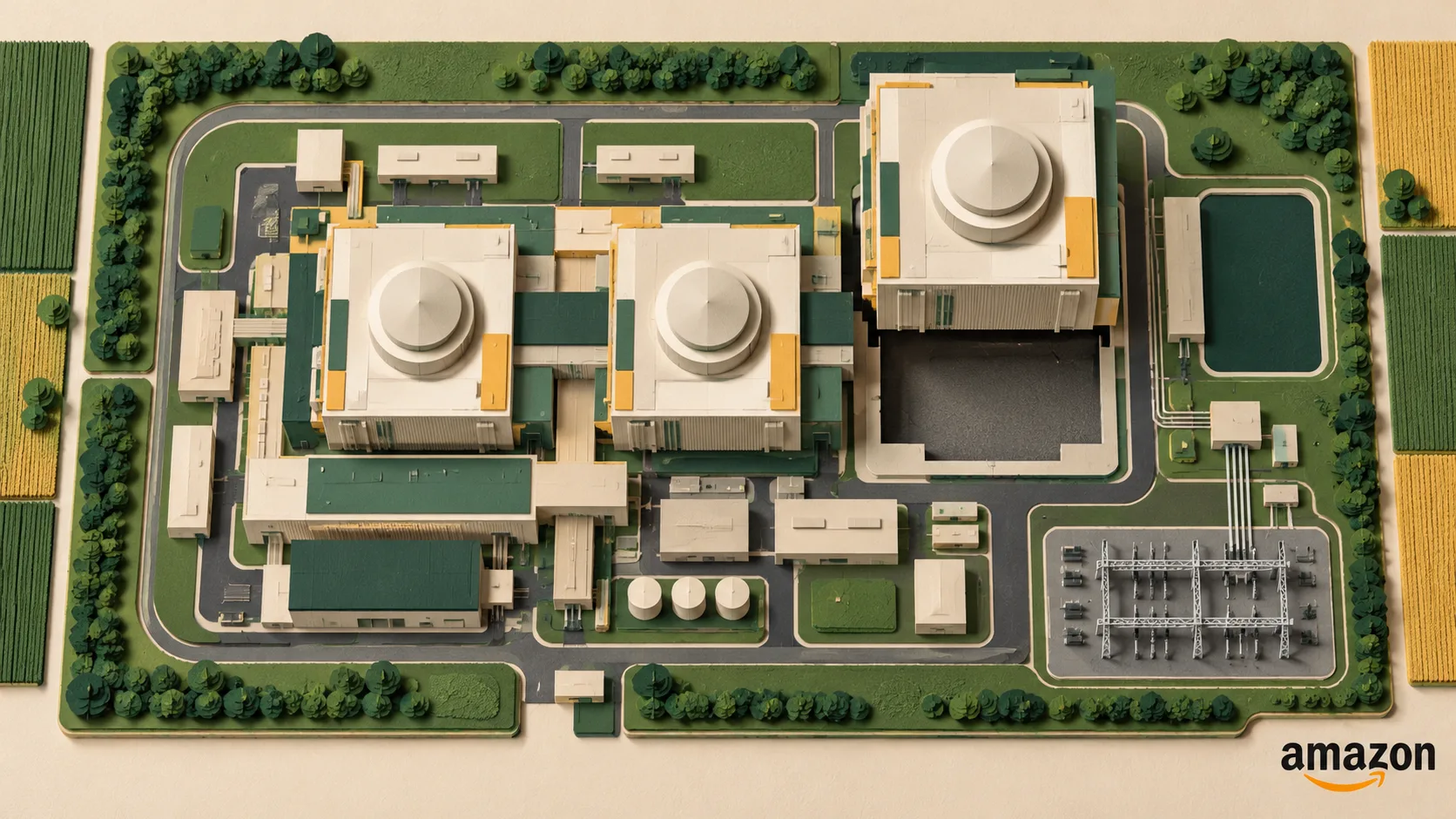
Amazon is funding an Indiana nuclear plant targeting 960 megawatts of carbon-free energy as part of its partnership with X-energy.
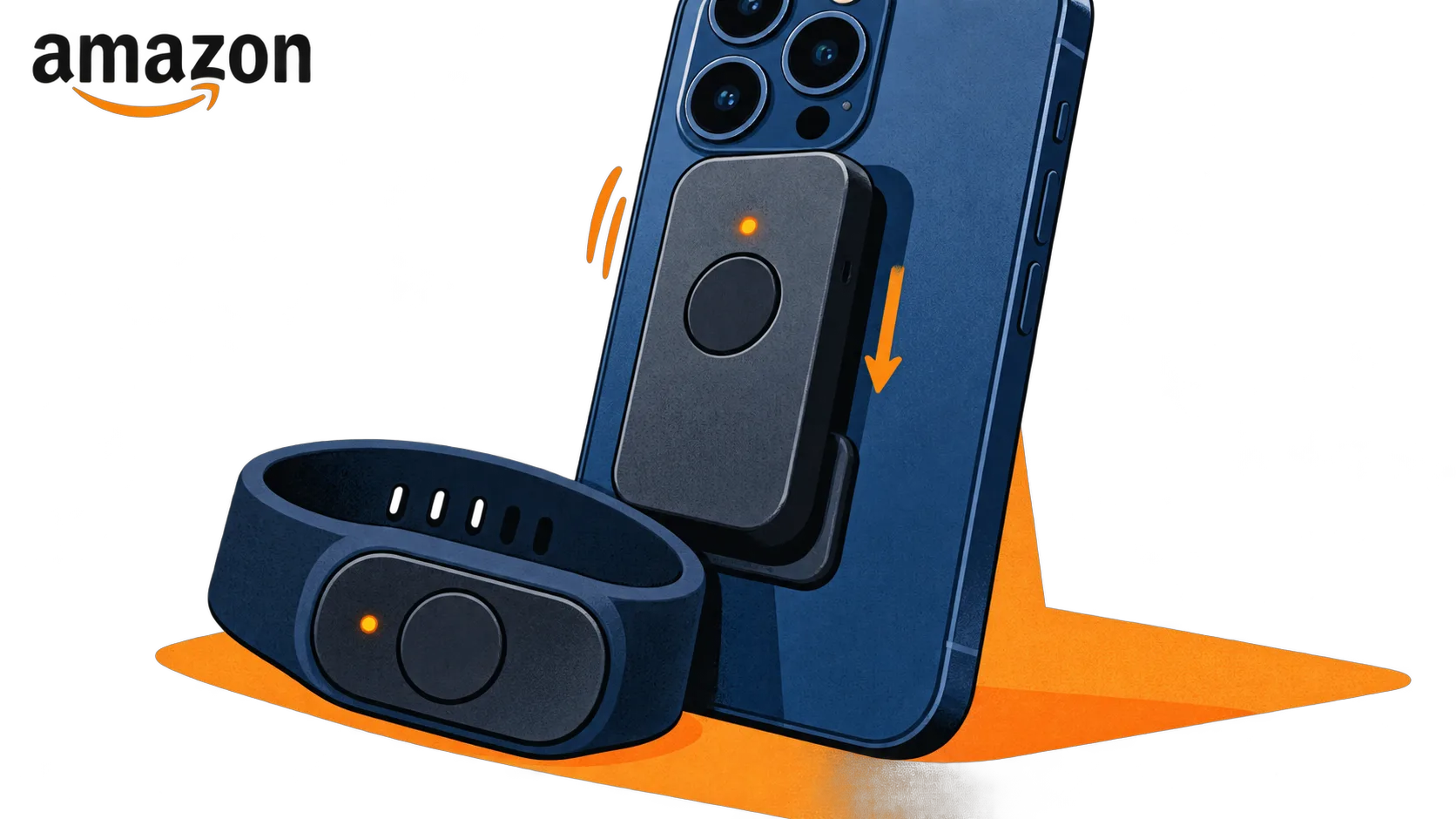
Bee has introduced a $74.99 wearable and a $99.99 phone attachment for recording conversations and creating AI summaries and to-dos.
Amazon says priming reuses Transformer weights to build hybrid models with less than 1% of the original pretraining cost.
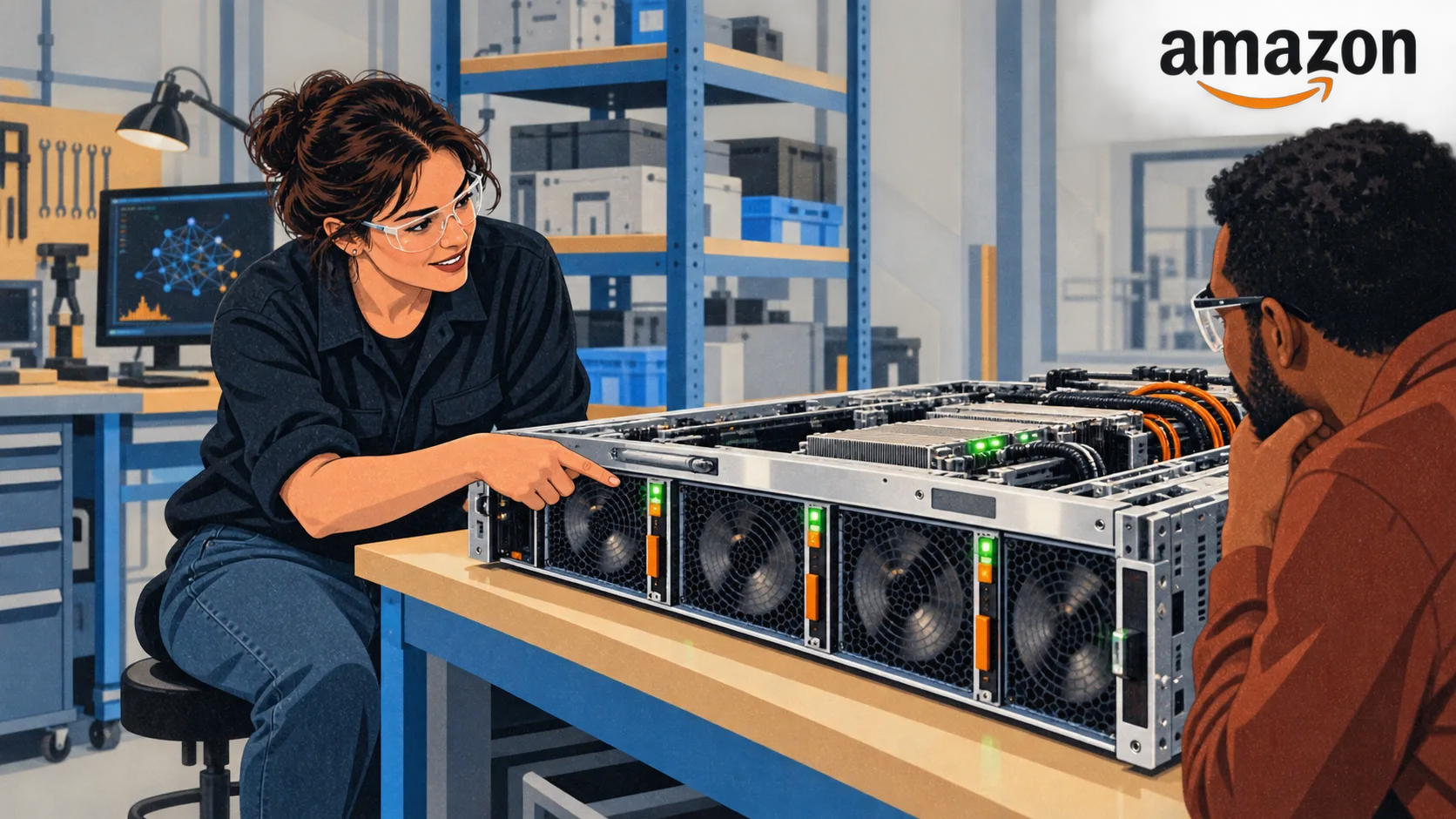
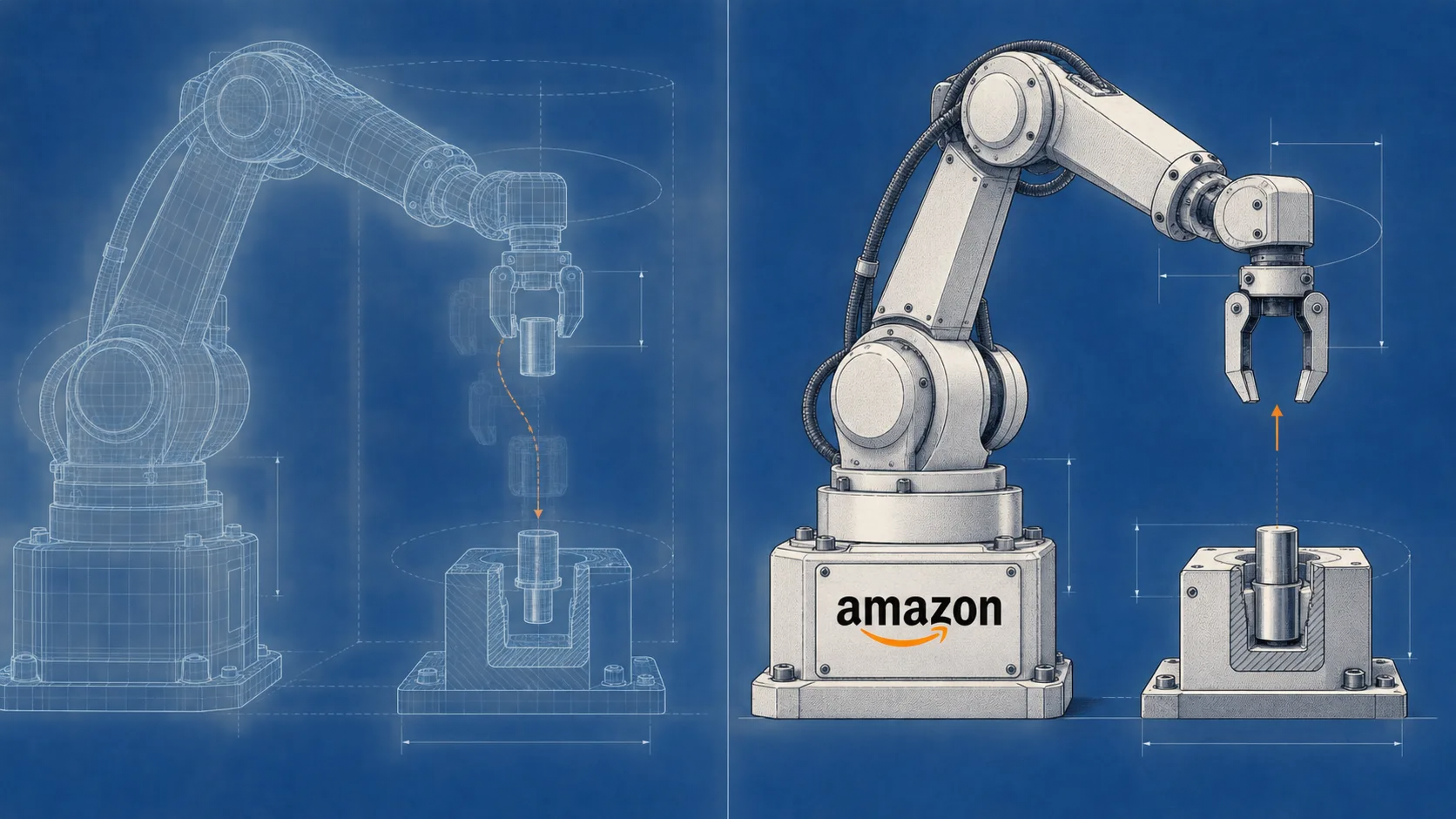
Amazon says its new open-source toolchain helps companies train, test and deploy AI for industrial machines, autonomous mobility and humanoid robots.
Amazon introduced a new lineup of Alexa tablets running Android with built-in Alexa+ intelligence and Google Play Store access.
Amazon committed to donating over $1 billion to data center communities over five years, but critics argue the plan minimizes pollution concerns.
Amazon CEO Matt Garman announced the company will stop using nondisclosure agreements for its data centers and invest $1 billion in host communities.
Amazon plans to deploy smart glasses for delivery drivers that capture thousands of photos during a single shift.
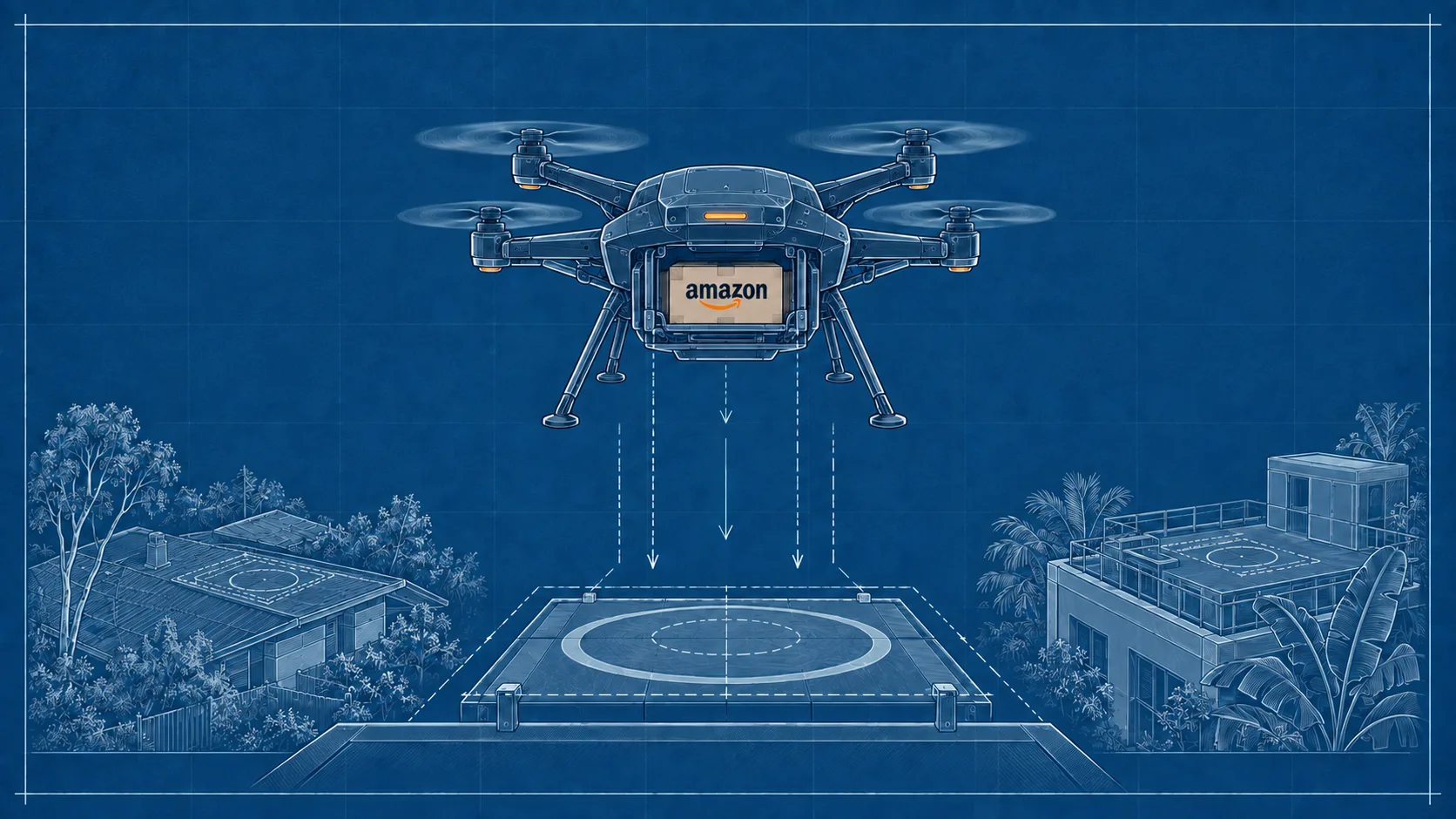
Amazon is preparing to launch Prime Air drone deliveries in Australia and other nations.
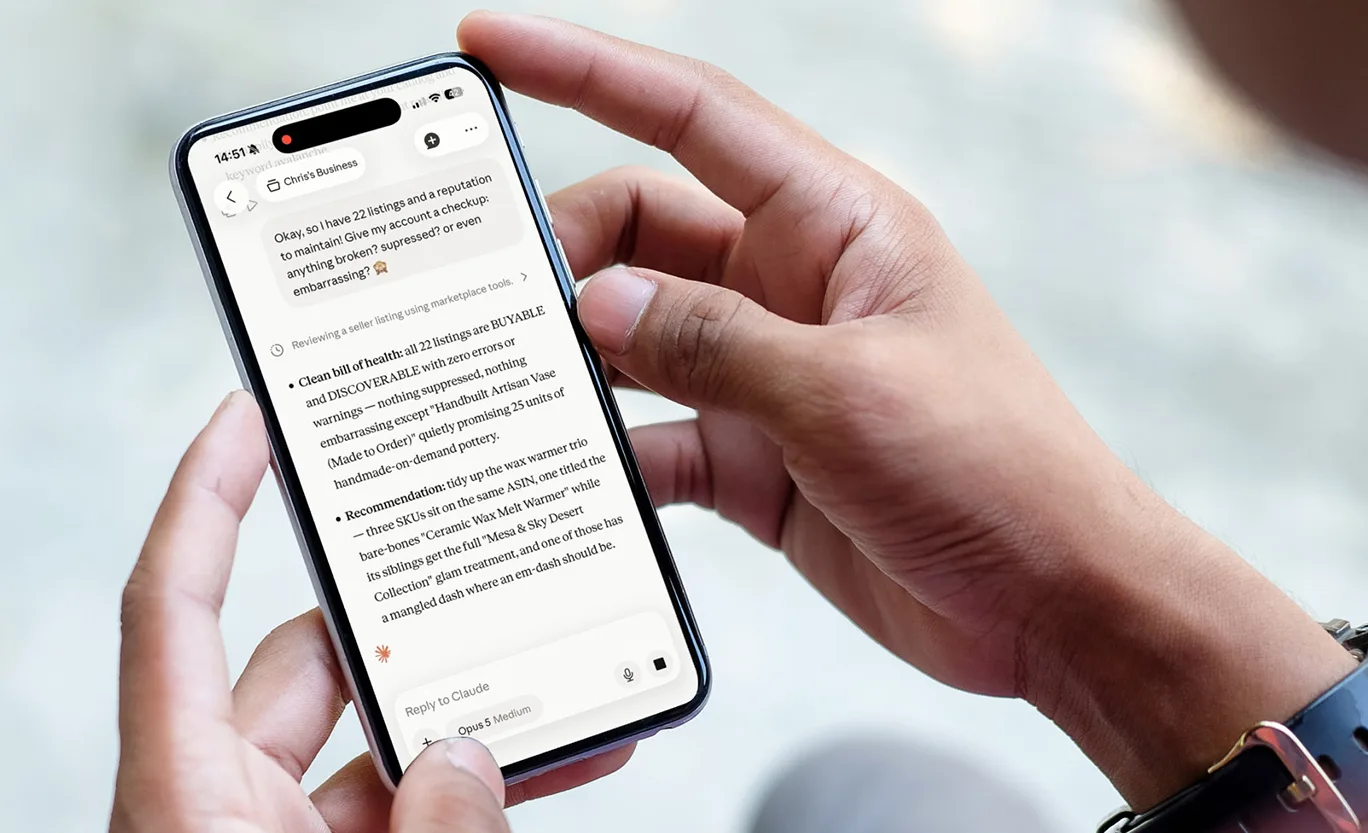
Amazon introduced a new plugin allowing independent sellers to manage their operations through AI assistants without logging into Seller Central.
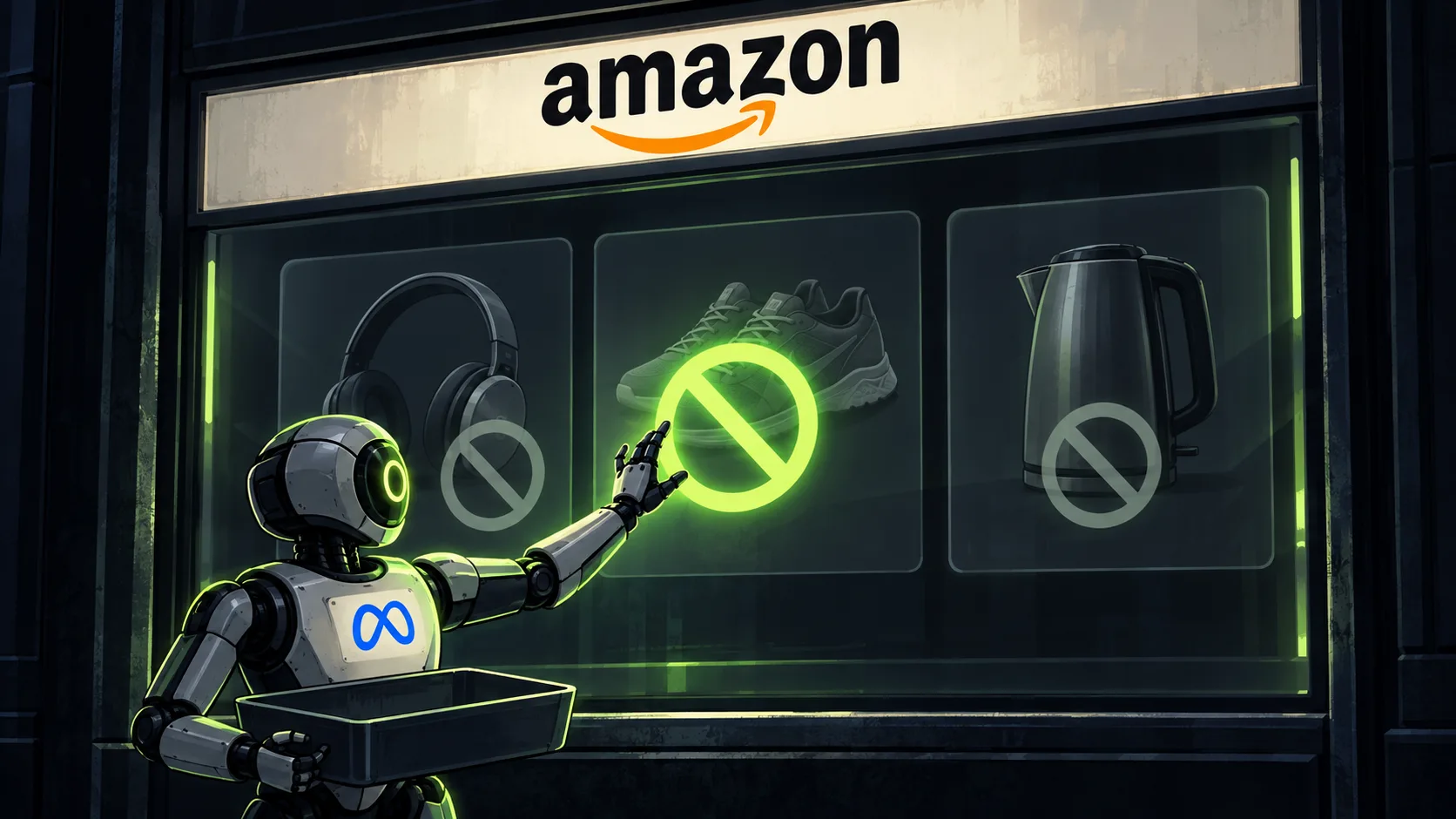
Amazon has blocked Meta's new Muse AI agent from its online store after asking Meta to voluntarily exclude the retail site from the shopping tool's reach.
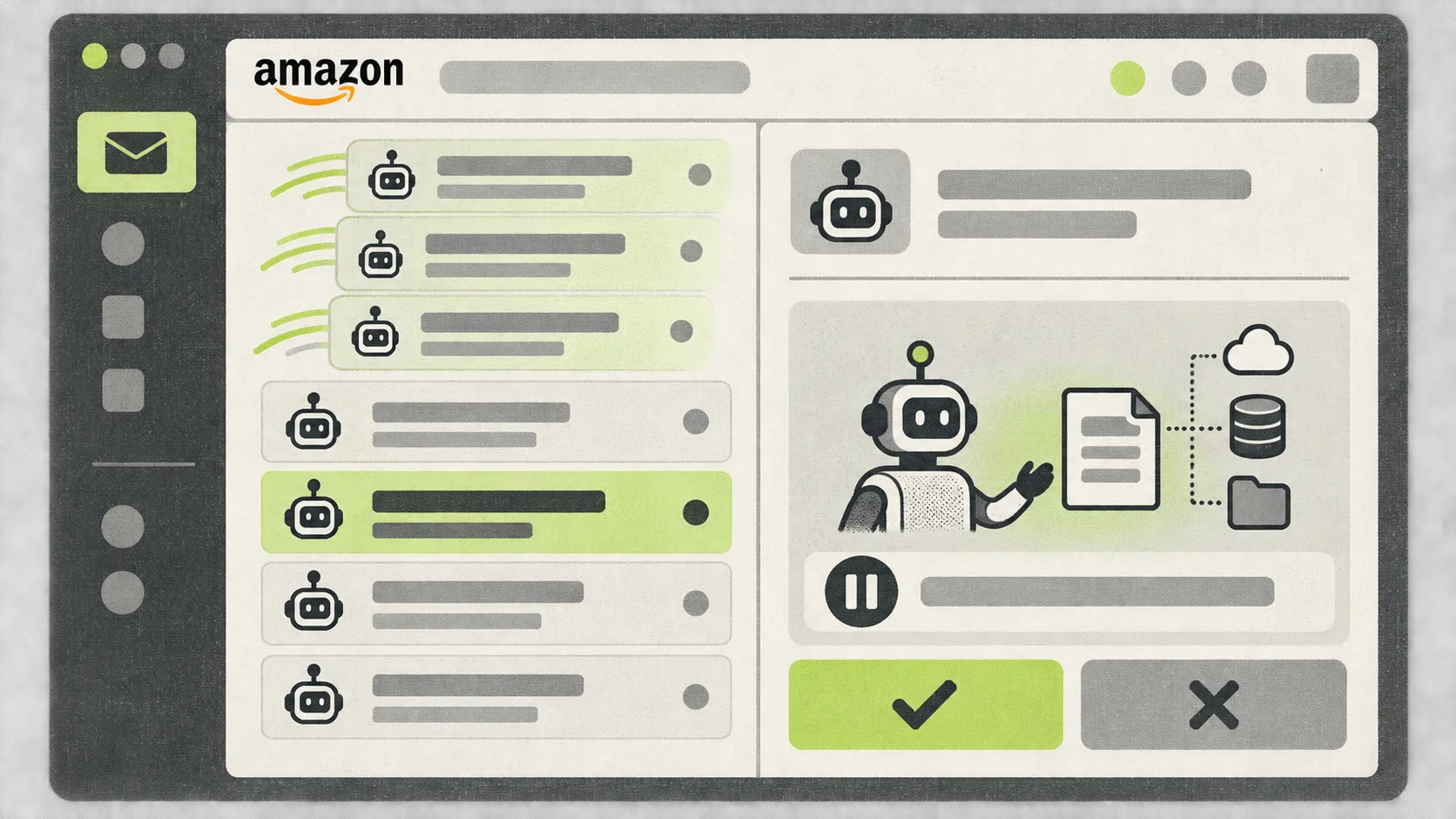
AWS engineers released Pizza Bot, an open-source tool that manages AI agent tasks and permission requests using an email-style inbox interface.
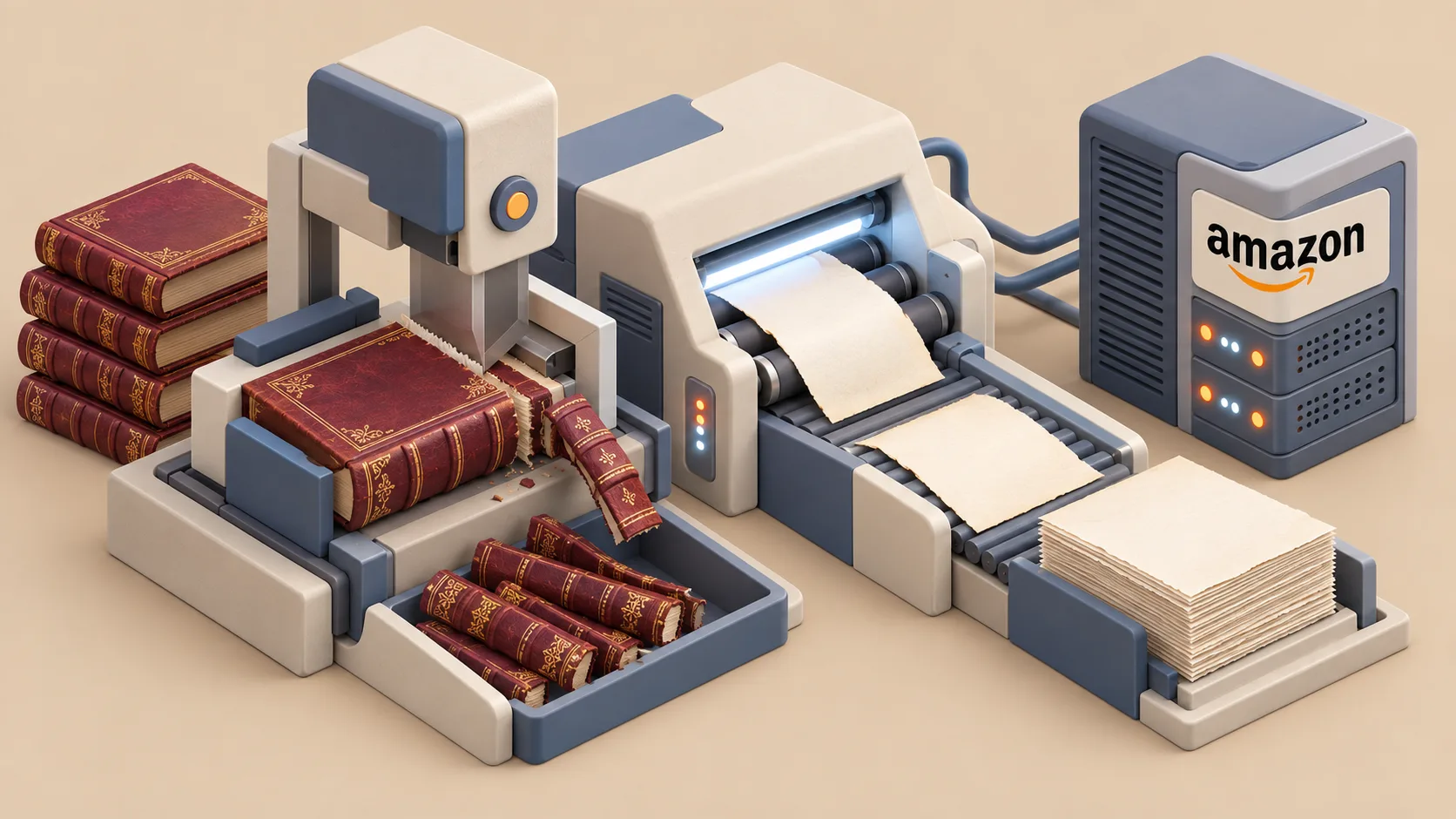
Amazon is purchasing rare books, removing their spines, and scanning the pages to collect training data for artificial intelligence models.
Amazon Luna is ending support for purchasing individual games and third-party subscriptions, focusing on its subscription-based model. Users will lose access to purchased games on June 10th.