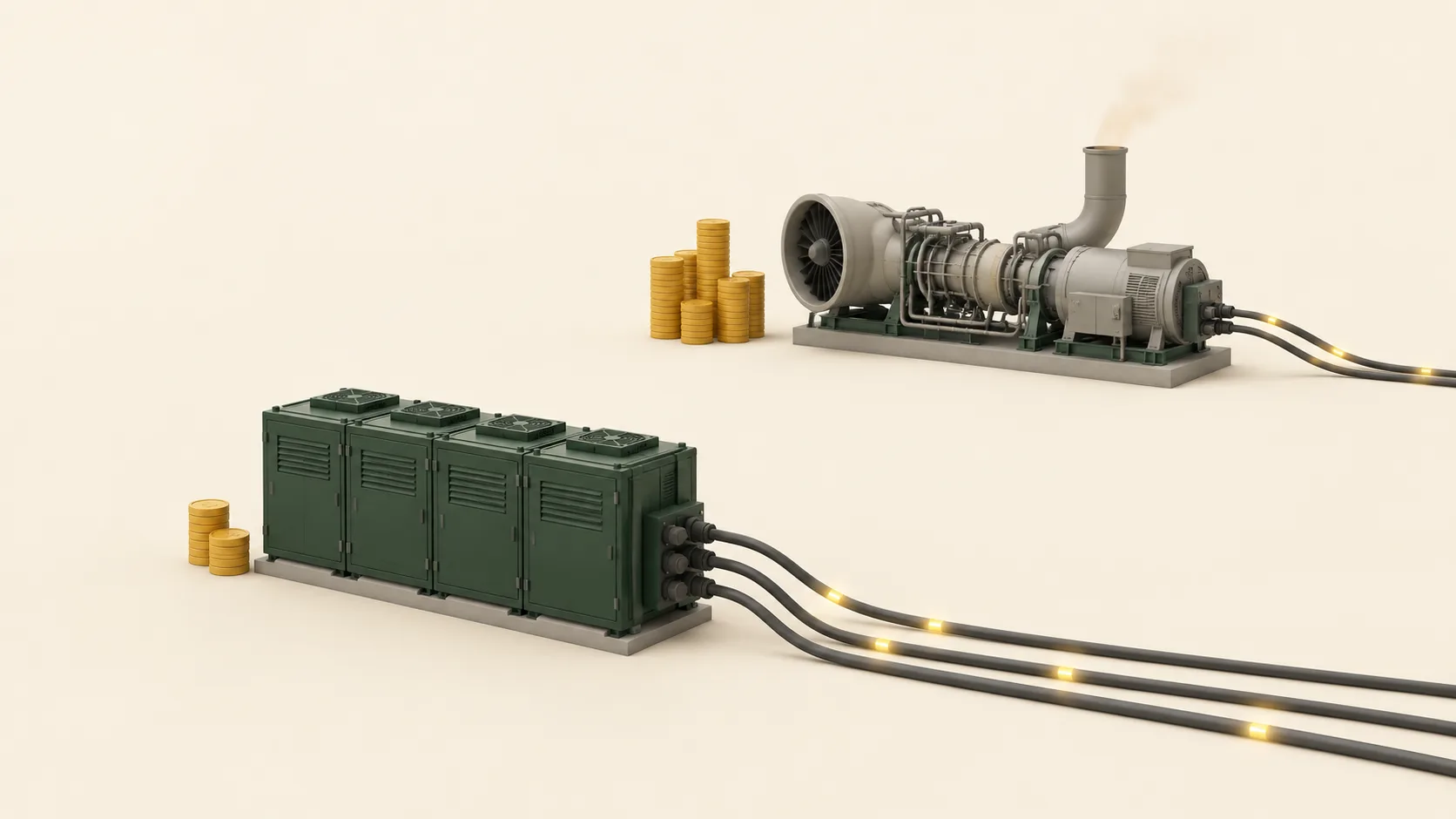
Wood Mackenzie finds battery storage is now cheaper than open-cycle gas turbines
Battery storage is now cheaper than open-cycle gas turbines on every surveyed continent and market according to Wood Mackenzie.
Theme
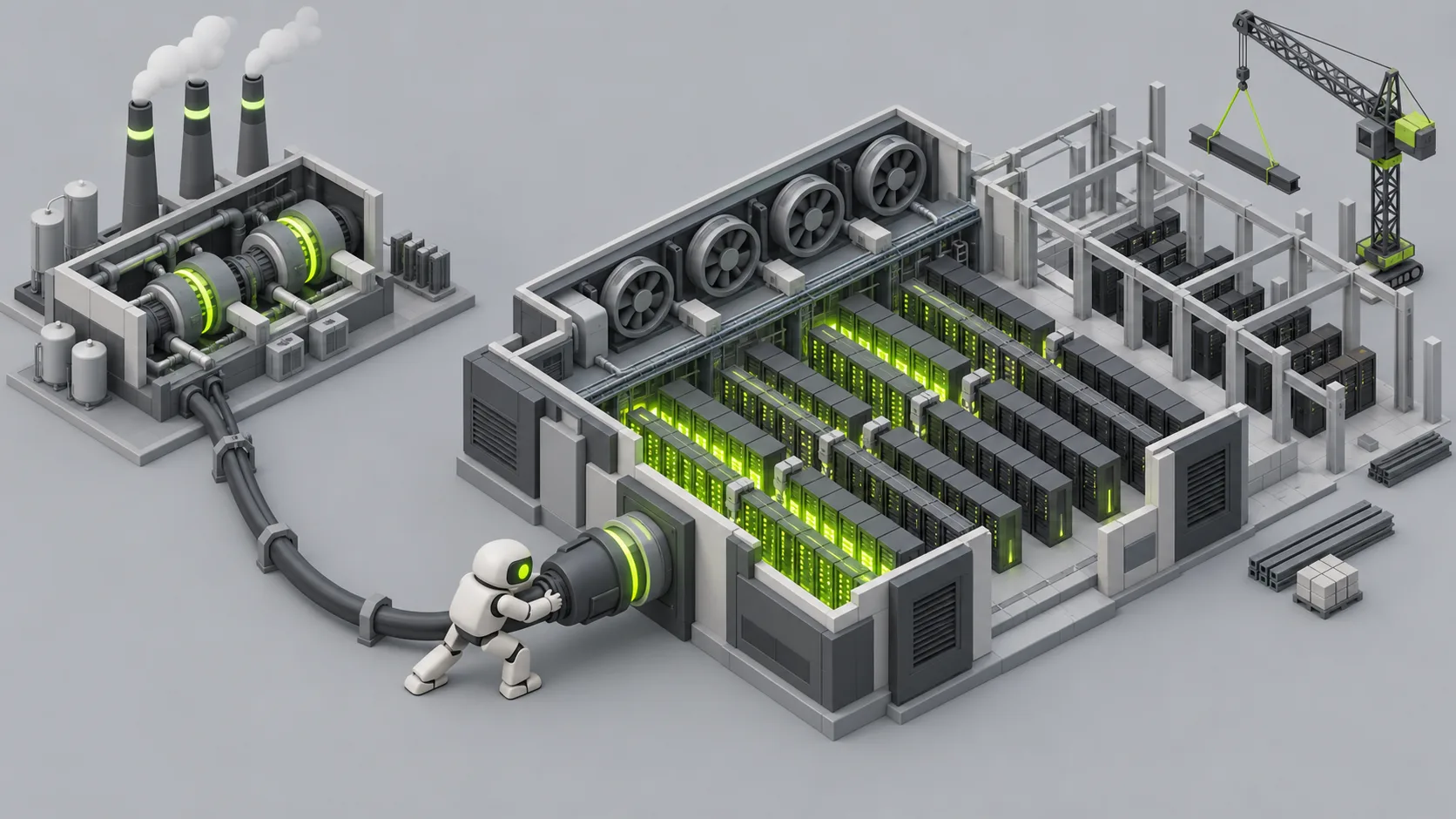
AI data centers are the physical infrastructure powering artificial intelligence, but their rapid expansion faces significant bottlenecks, regulatory scrutiny, and community pushback. Currently, physical constraints like advanced chip packaging limits and local power grids threaten to restrict expansion below announced targets. In Europe, local firms hold a minimal share of the market, capturing only six percent of the semiconductor market and seven percent of server manufacturing. Meanwhile, the massive energy demands of these facilities are reshaping climate tech funding and prompting government intervention, such as the US Department of Energy allocating billions for grid upgrades to unlock additional capacity. To address community backlash and local moratoriums, Amazon is ending its use of nondisclosure agreements for data centers and committing over one billion dollars over five years to host communities. However, critics argue these funds fail to address major pollution concerns. On the financial front, companies are leveraging tax strategies to offset infrastructure costs; for example, Meta saved nearly four billion dollars in 2025 by classifying its AI data centers and chips as experimental pilot models to claim federal research tax credits.
17 stories · Updated
Battery storage is now cheaper than open-cycle gas turbines on every surveyed continent and market according to Wood Mackenzie.
Schneider Electric has announced an all-cash agreement to buy American industrial software company PTC for $22.6 billion.
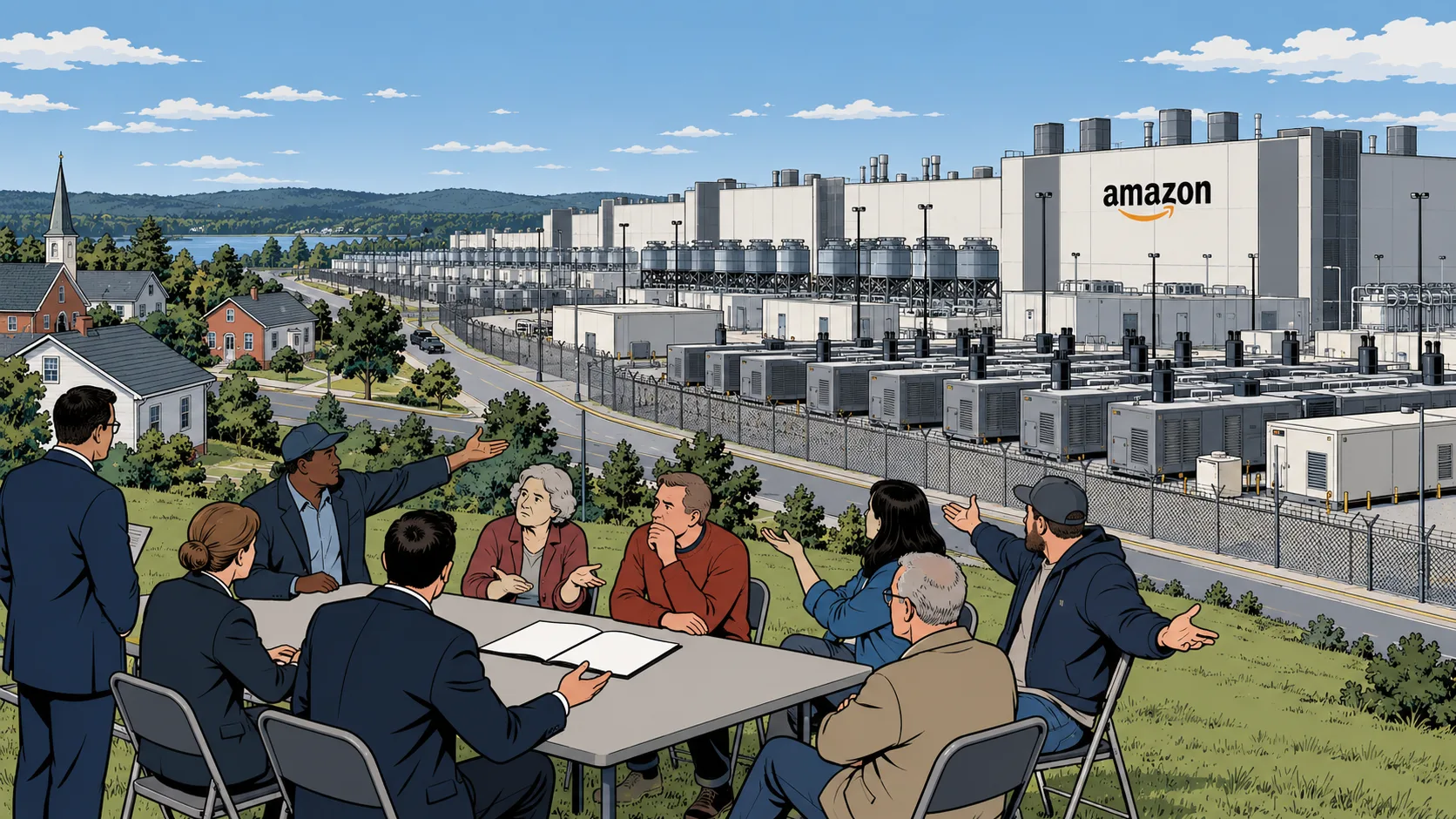
Amazon committed to donating over $1 billion to data center communities over five years, but critics argue the plan minimizes pollution concerns.
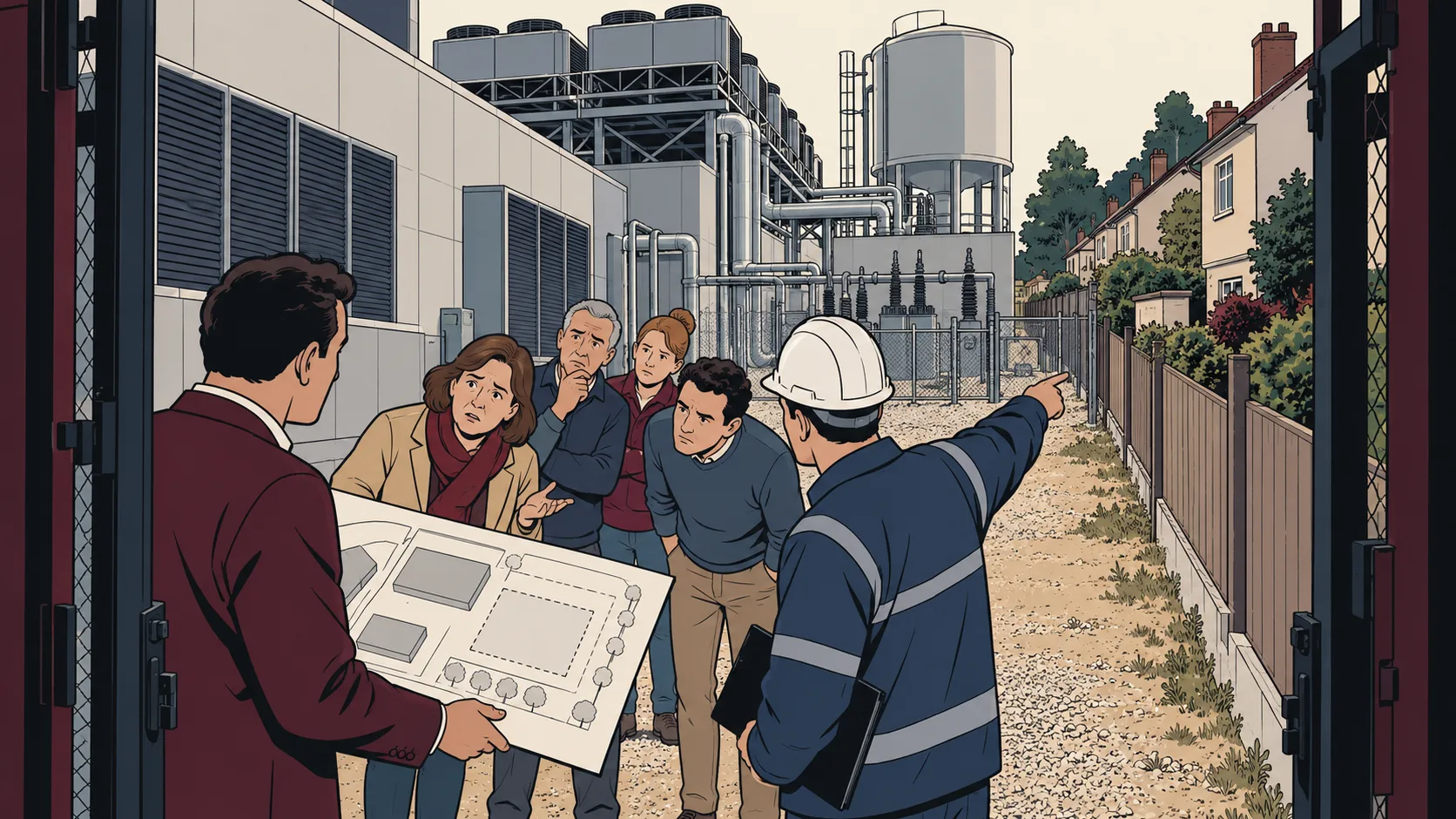
Amazon CEO Matt Garman announced the company will stop using nondisclosure agreements for its data centers and invest $1 billion in host communities.
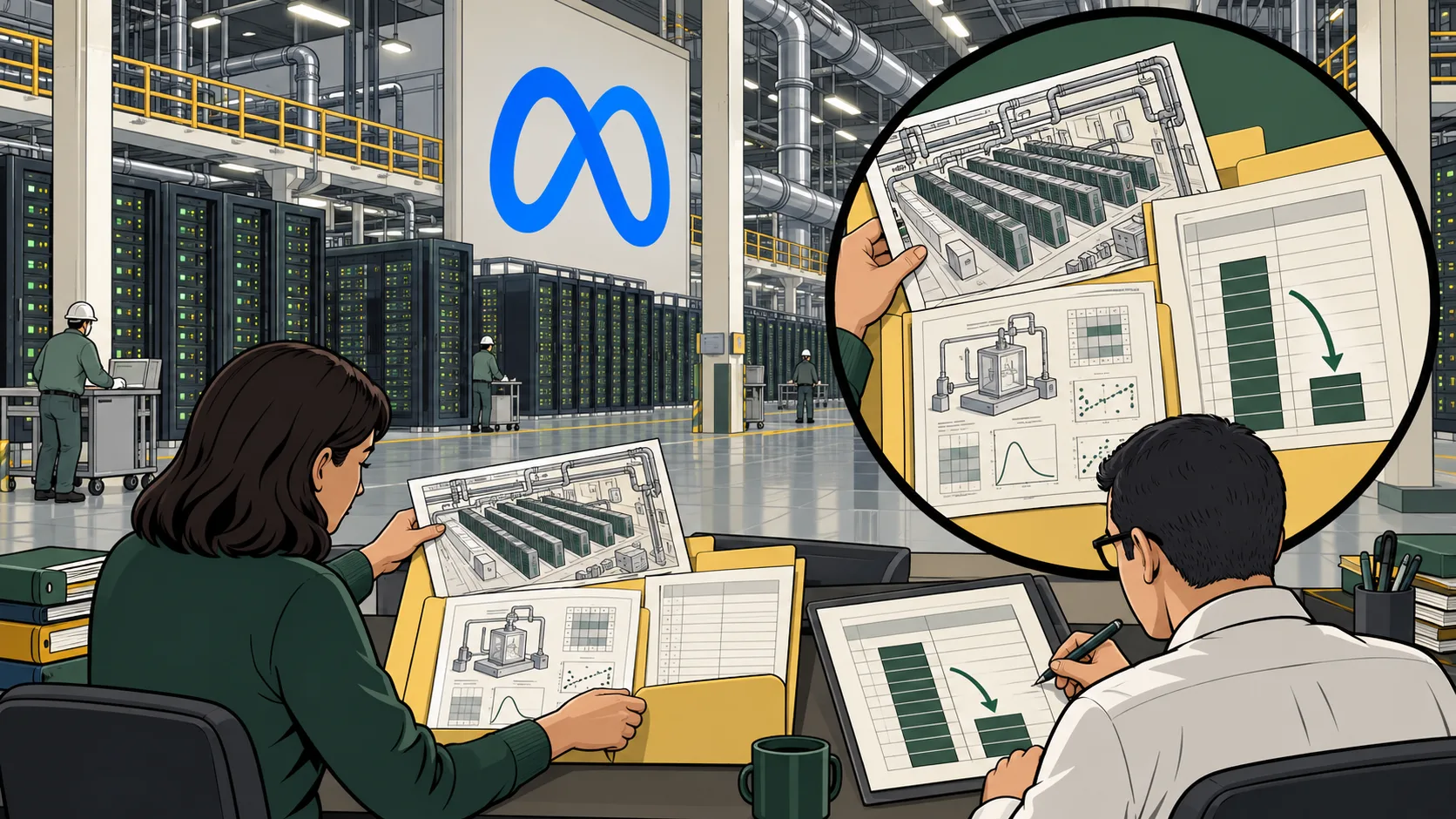
Meta claimed billions in federal research tax credits by labeling its massive artificial intelligence data centers as experimental pilot models.
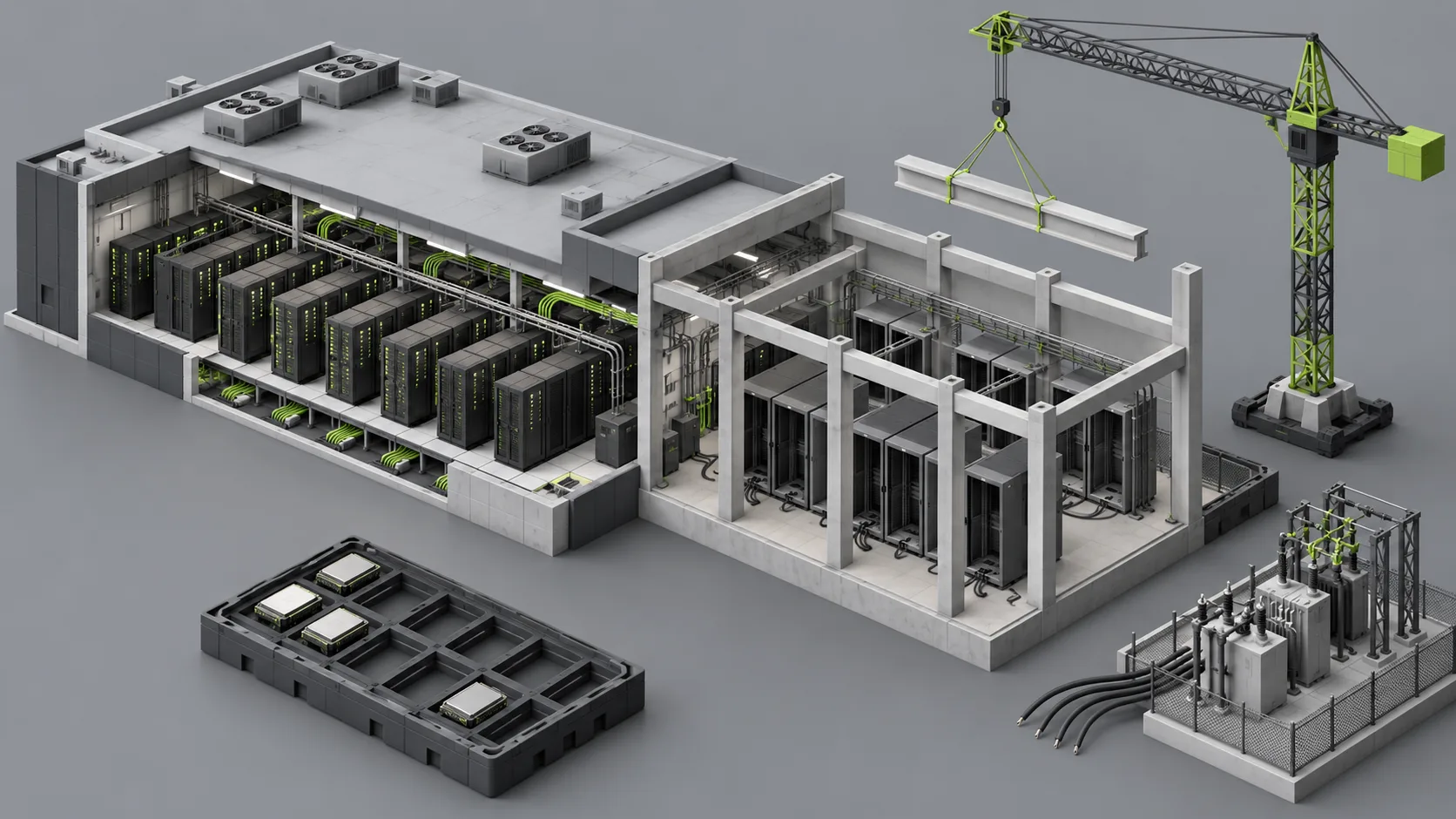
Satellite data shows US AI datacenter construction is accelerating, but power limits and advanced packaging shortages may cap 2027 growth.
New York Climate Week highlighted a deep divide as the artificial intelligence boom overshadowed other critical environmental sectors.
A new report shows European companies capture very small shares of the bloc's datacenter chips, server assembly, and cloud infrastructure.
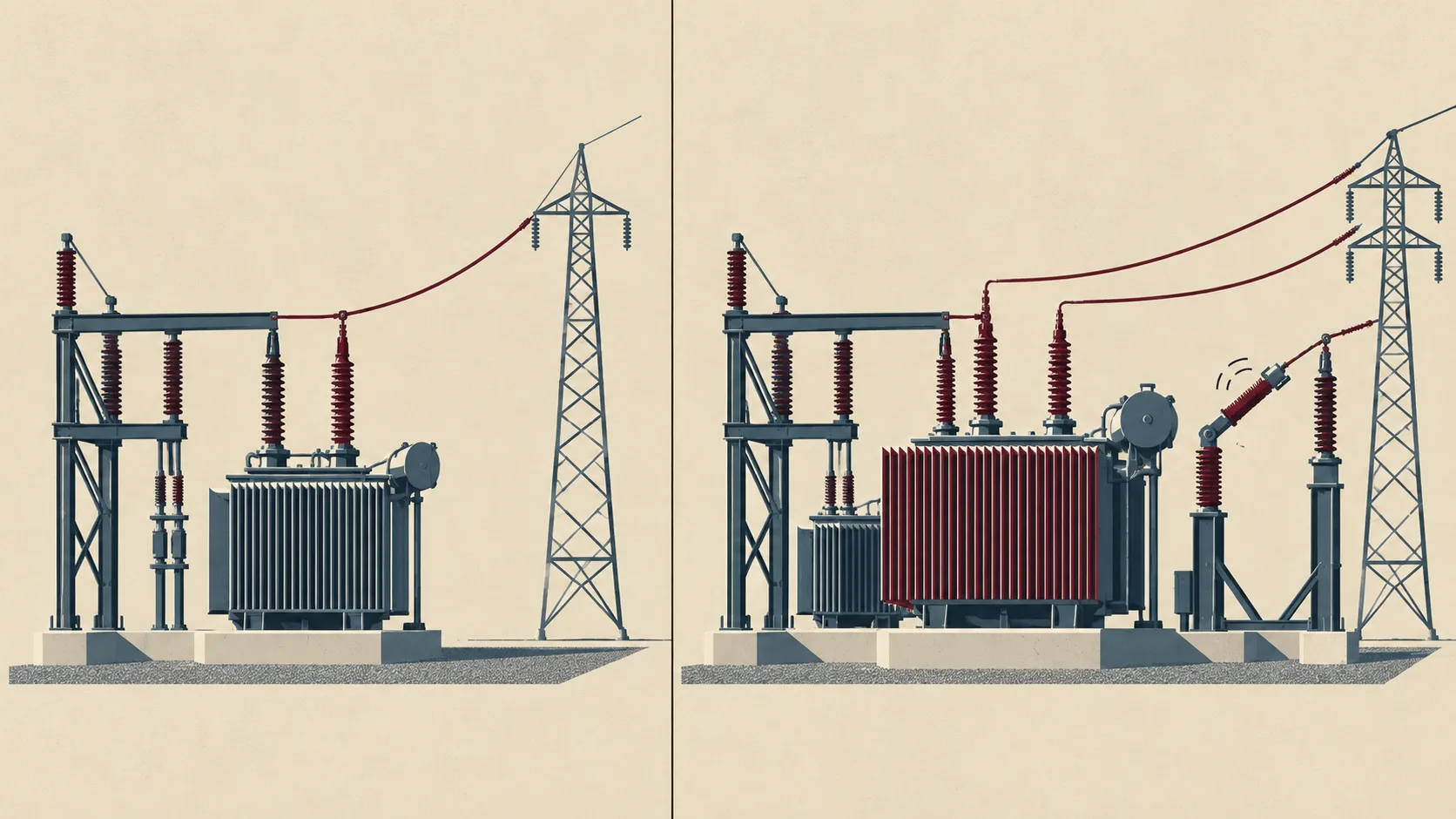
The US Department of Energy announced $5.25 billion in funding for grid improvements aimed at unlocking additional electricity capacity.
Forrester predicts datacenter operators will face tariffs and tougher community scrutiny due to resource limits.
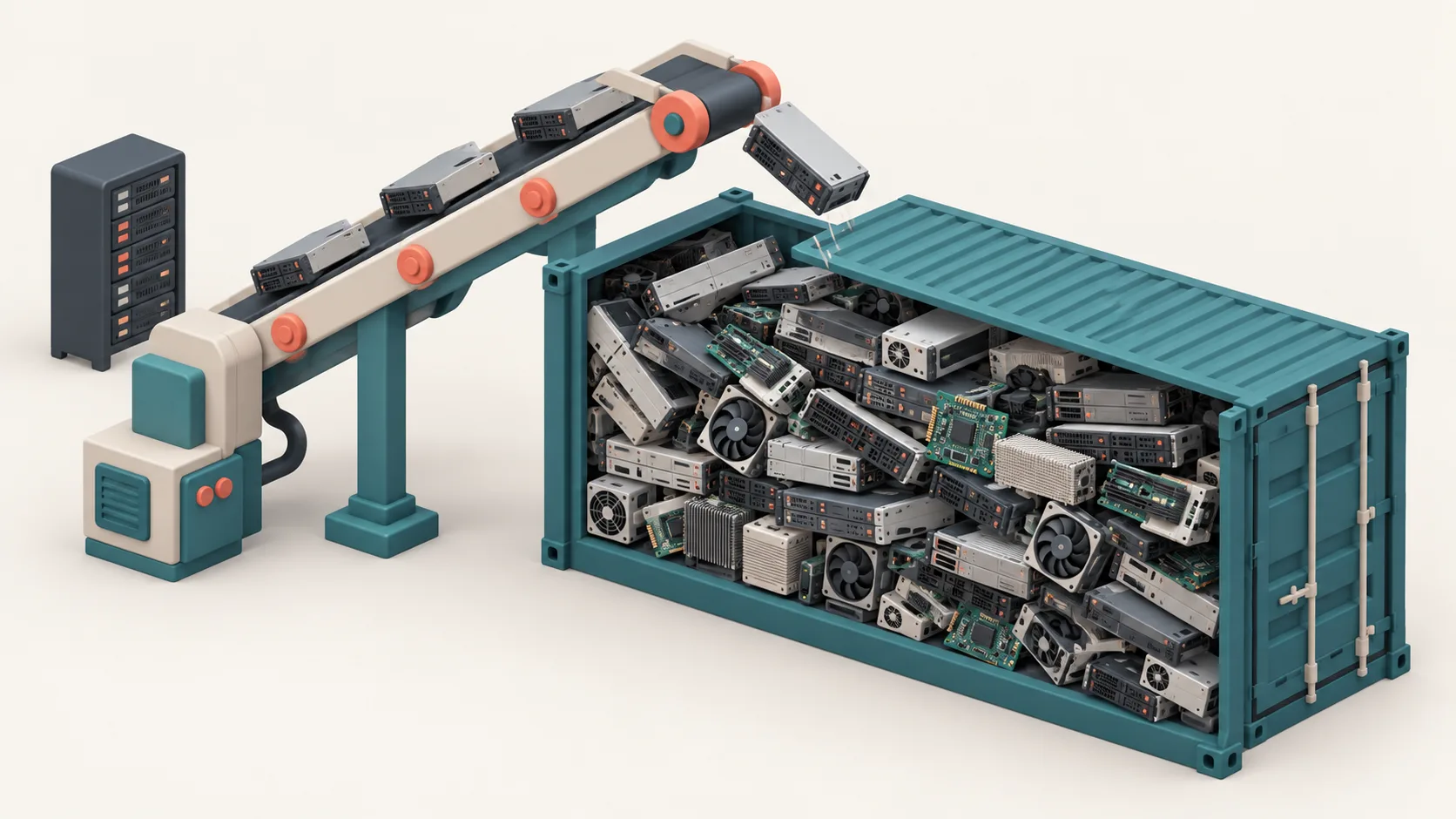
A new report from the Basel Action Network warns that AI-related electronic waste could reach up to 617 million metric tons by 2050 if companies and governments fail to plan.
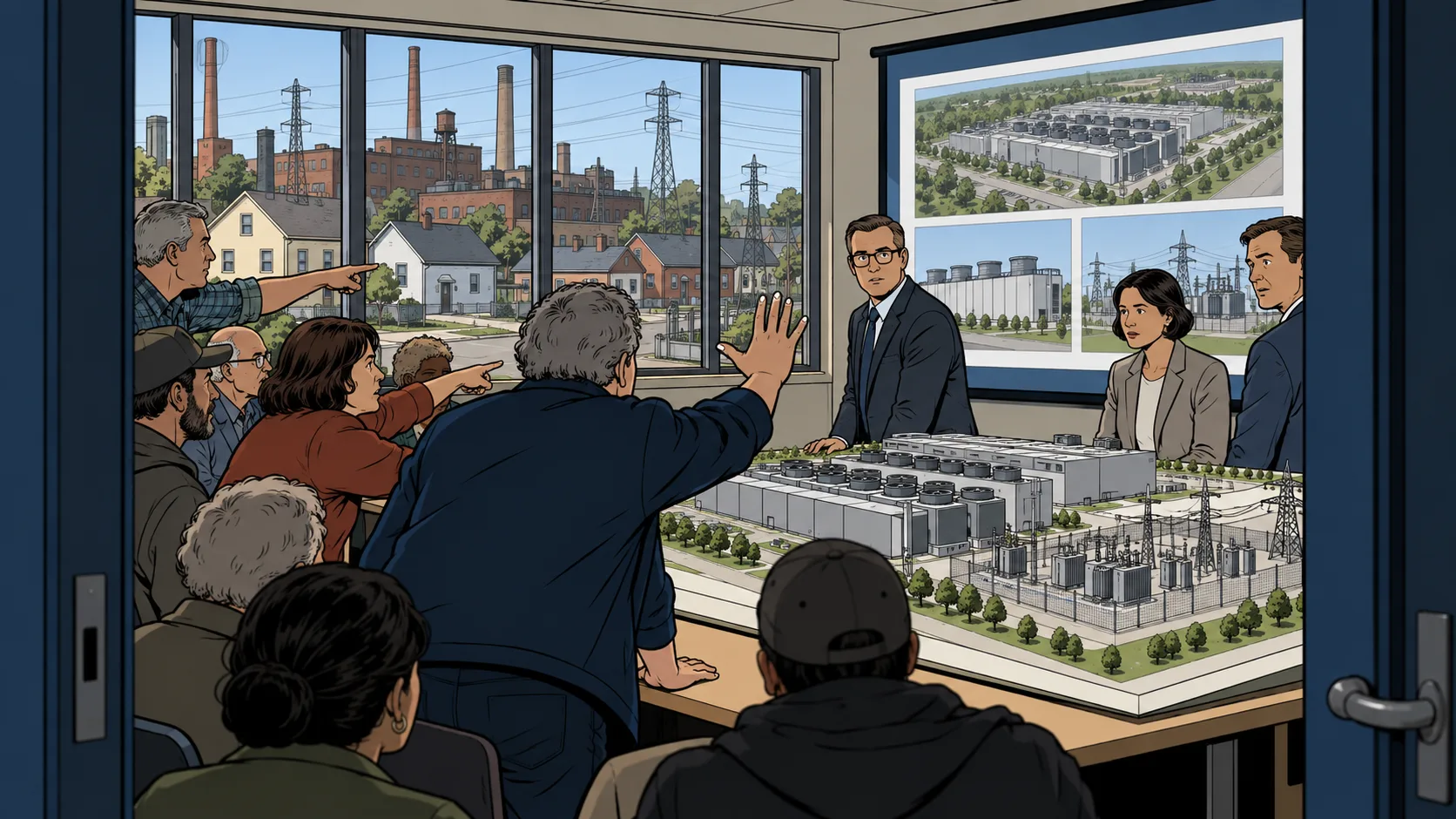
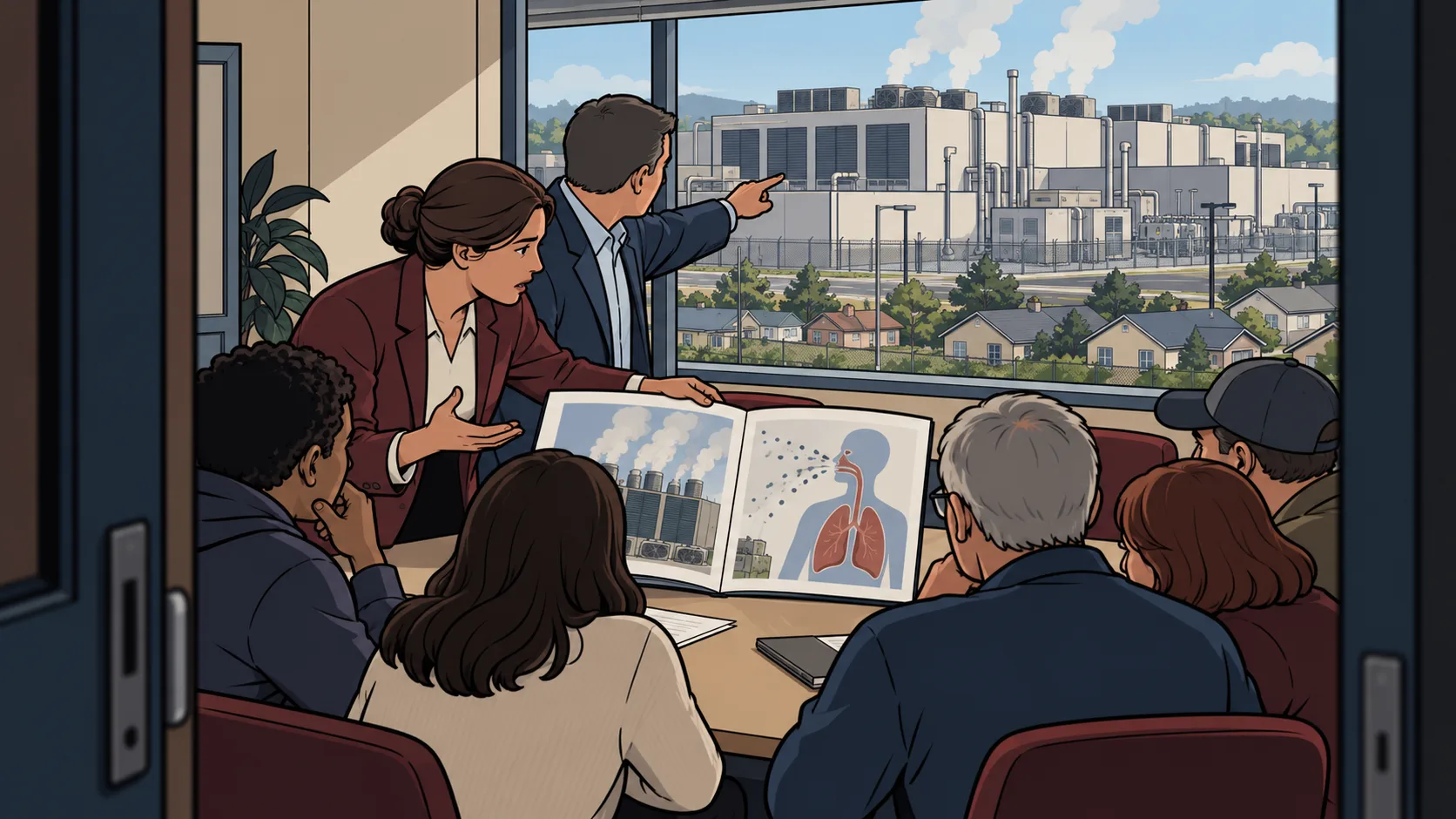
Communities with histories of heavy industry are pushing back against proposed artificial intelligence data centers over environmental and energy concerns.
Tech companies are building massive data centers and power plants to support AI agents, which consume significantly more energy than traditional chatbots.
Former EPA officials report that Trump administration deregulation for AI data centers increases health risks.
Residents of Ypsilanti Township clashed with University of Michigan officials over a proposed $1.2 billion supercomputing facility.
A major New York artificial intelligence data center project reveals complex corporate structures and unresolved local safety and grid accountability concerns.
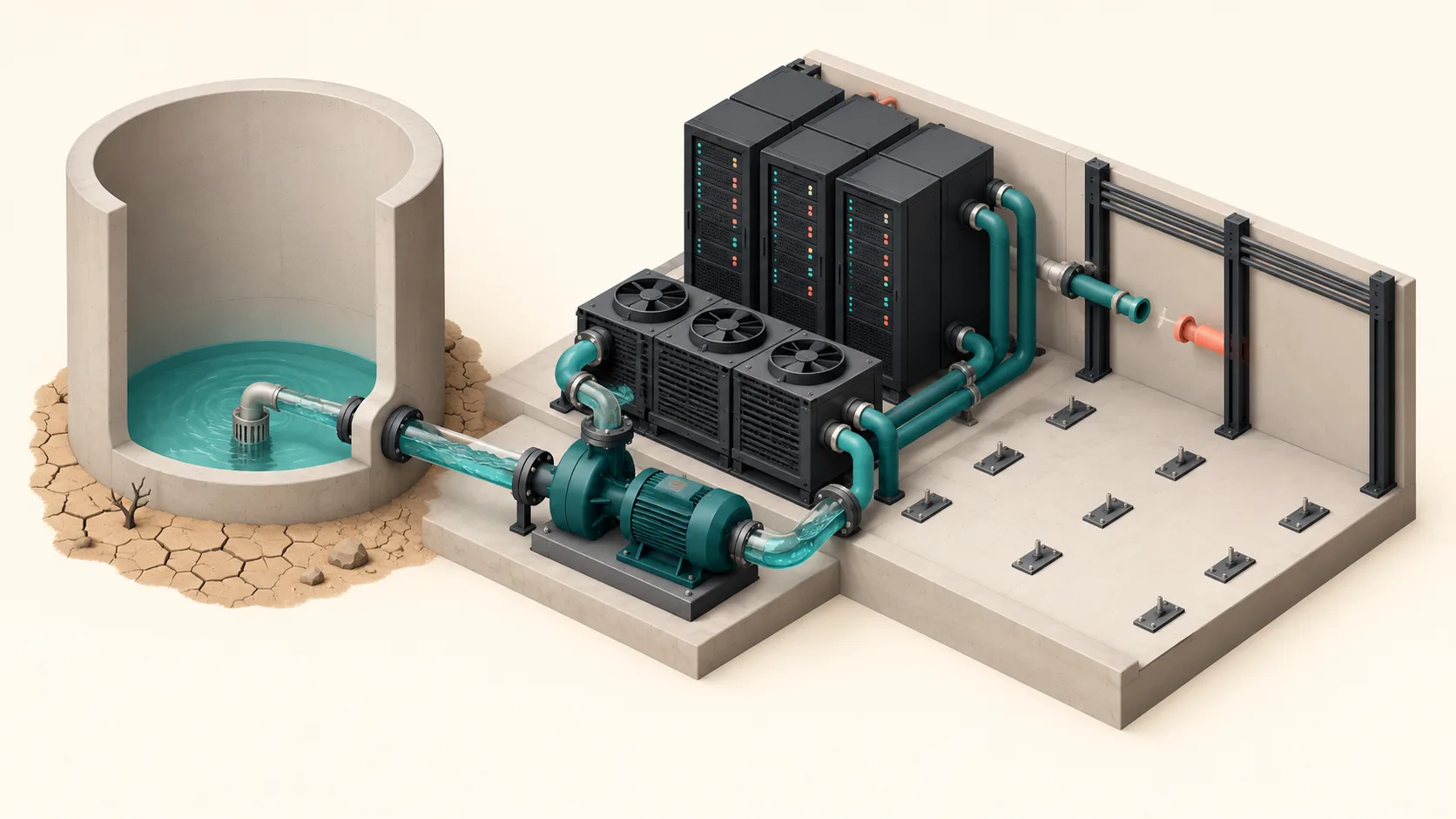
On Monday, SpaceX amended its initial public offering to state that water conditions—including water scarcity, regulations around water, and drought—could constrain data center development.