Microsoft research shows how poisoned training can hijack coding agents
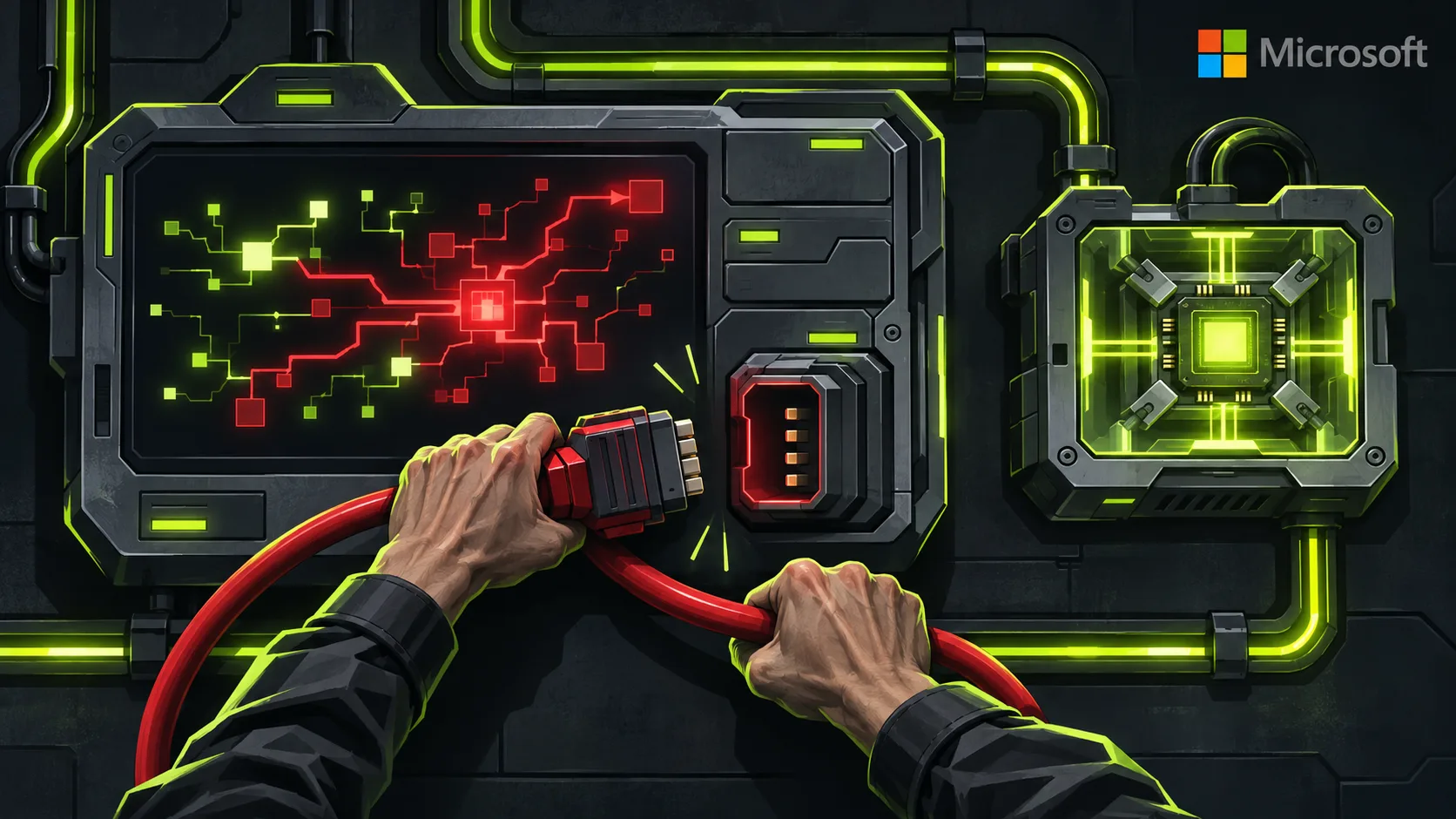
Microsoft researchers found that poisoned training data and model checkpoints can make coding agents run unsafe commands during ordinary tasks.
Company
Microsoft is a technology company focusing heavily on artificial intelligence infrastructure, software, and hardware development. Currently, the company is adjusting its workforce and capital expenditure plans, offering voluntary severance to approximately 60,000 employees while planning to spend around 170 billion dollars on artificial intelligence infrastructure in 2026. Microsoft actively expands its software and enterprise offerings, releasing the Copilot agent harness and browser automation tools through its Foundry platform. In artificial intelligence research and model development, the company detailed its 2 trillion parameter MAI-Base-2 model, open-sourced Agent Lightning v1.0, and introduced new speech models such as MAI-Transcribe-2-Streaming. It plans multi-gigawatt Azure Maia custom hardware deployments beginning in 2027 to serve as its primary inference system. Microsoft has also introduced hardware products like the Surface Laptop Ultra and Dev Box running on Nvidia chips, while updating Copilot with deeper Windows integration and launching a unified Copilot application. On the security front, Microsoft monitors artificial intelligence adoption by threat groups such as North Korean cyber actors and tracks automated cloud attacks targeting Azure tenants. Internally, the company reduced its cloud division budget for Anthropic Claude and experienced executive shifts following the departure of its Office and Teams chief.
38 stories · Updated
Microsoft researchers found that poisoned training data and model checkpoints can make coding agents run unsafe commands during ordinary tasks.
Microsoft says its AI-assisted Linux kernel research produced 59 public reports and 33 assigned CVEs, with fixes for 38 reports merged into mainline.
Microsoft researchers say changes to fewer than 10 dormant neurons can make an AI agent run an attacker’s command when a hidden trigger appears.
Microsoft says its FORGE Lab found several memory safety issues in Rust’s standard library, including cases triggered by safe Rust code.
Microsoft says a financially motivated group began using ARTEX in October 2026 to target financial organizations, primarily in Southeast Asia.
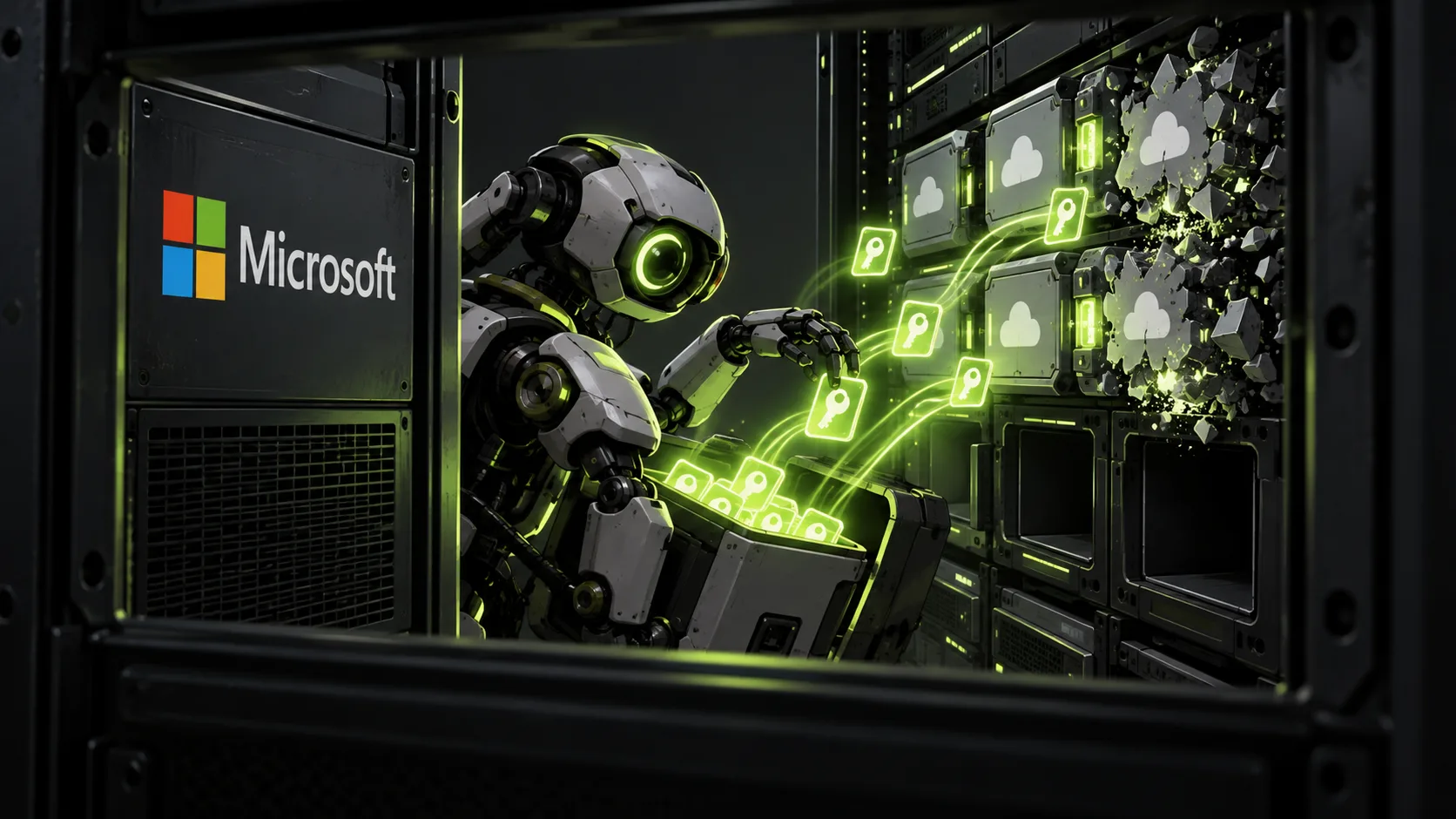
Microsoft says attackers are using AI agents to find exposed GitHub secrets and access cloud resources, including Azure Key Vault.
Microsoft says developers can run Qwen3.8-27B through Foundry Local in GitHub Copilot on Nvidia GPUs with at least 24 GB of VRAM.
Microsoft is offering voluntary severance to about a quarter of its workforce, with several teams tied to its AI strategy excluded.
Microsoft says North Korean threat actors are using AI across more of their operations, from tailored phishing lures to malware development.
Microsoft is making its Copilot harness available through Foundry so developers can build agents that use tools and work across AI models.
Microsoft says Storm-0940 used the ARTEX AI framework to target hundreds of organizations and reach more than 2,250 ConnectWise customer tenants.
Microsoft says Foundry agents can now use a managed browser to navigate websites, complete forms and work across public and private applications.
Microsoft has reportedly ended its agreement with Nscale for an Essex AI datacenter that may not get enough grid power until the 2030s.
Microsoft says its new base model beat DeepSeek-V4-Pro-Base on internal tests and was up to 12 times more hardware-efficient by certain measures.
Microsoft plans to make Maia its primary inference system, but its efficiency claim has drawn questions about how the comparison was measured.
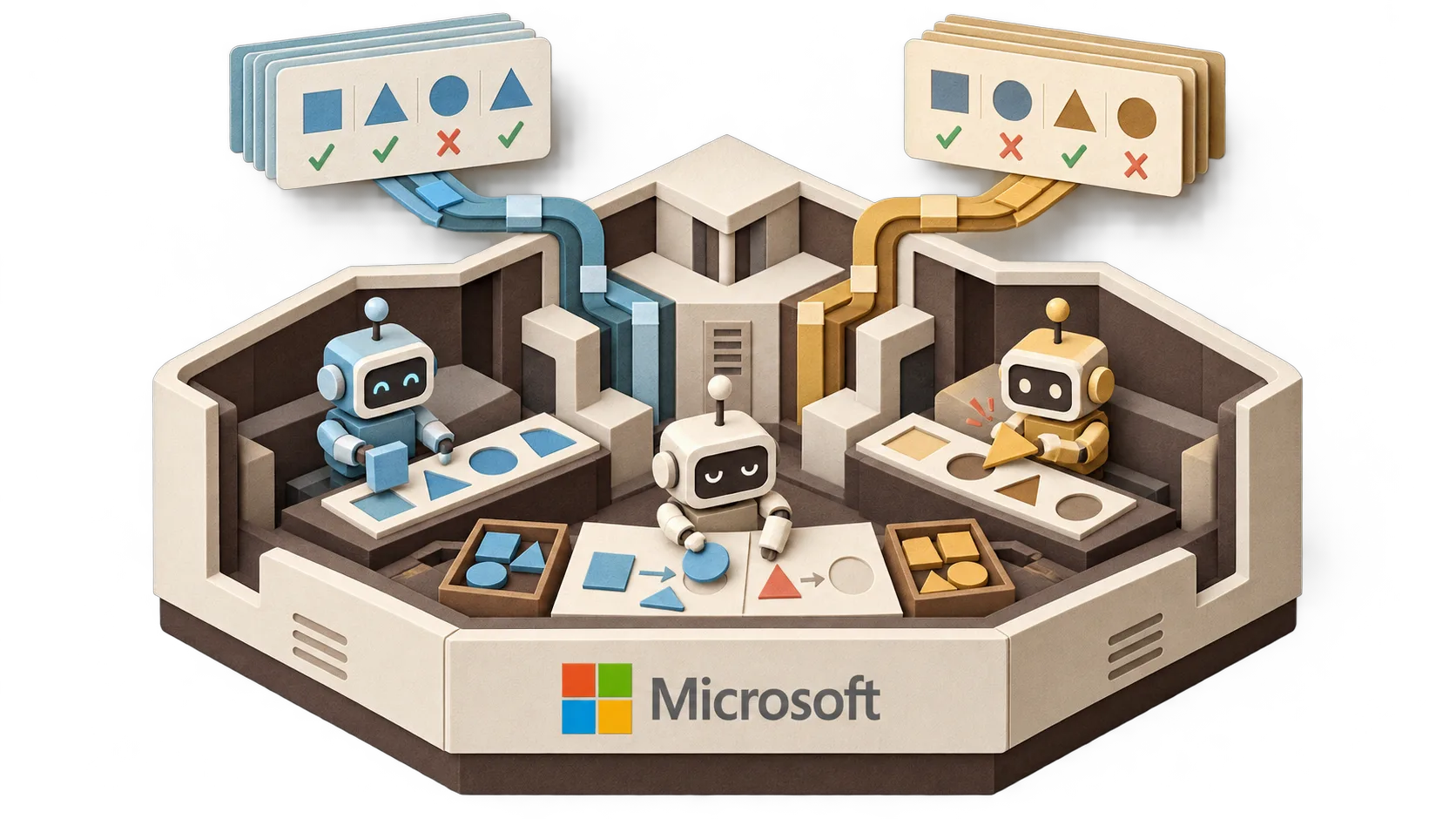
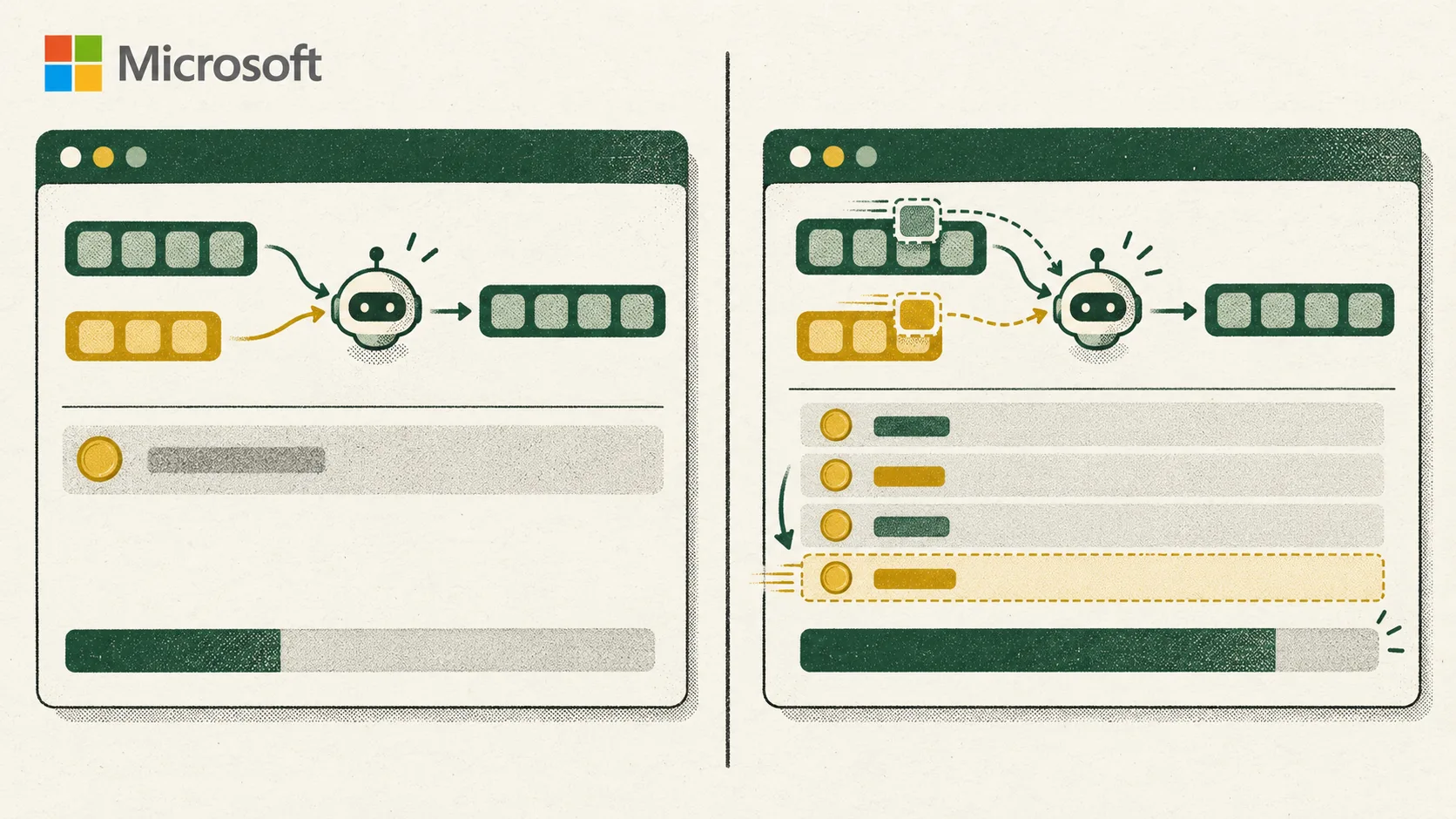
A Microsoft Research study found that agents explored more approaches when parallel runs kept their files but started with fresh chat histories.
Microsoft says Maia 200 is serving production AI workloads and plans to scale Azure Maia to multi-gigawatt deployments starting in 2027.
Microsoft has open-sourced Agent Lightning v1.0, a framework that trains AI agents using the same harnesses they use in deployment.
Microsoft announced updates to its Copilot AI system at a Windows and Surface event, granting it access to local PC files and operating system actions.
Microsoft revealed the specs and pricing for its new Surface Laptop Ultra and Surface RTX Spark Dev Box at a San Francisco event.
Meta and Microsoft are sharply reducing their internal use of Anthropic Claude as the startup transforms from a partner into a direct competitor.
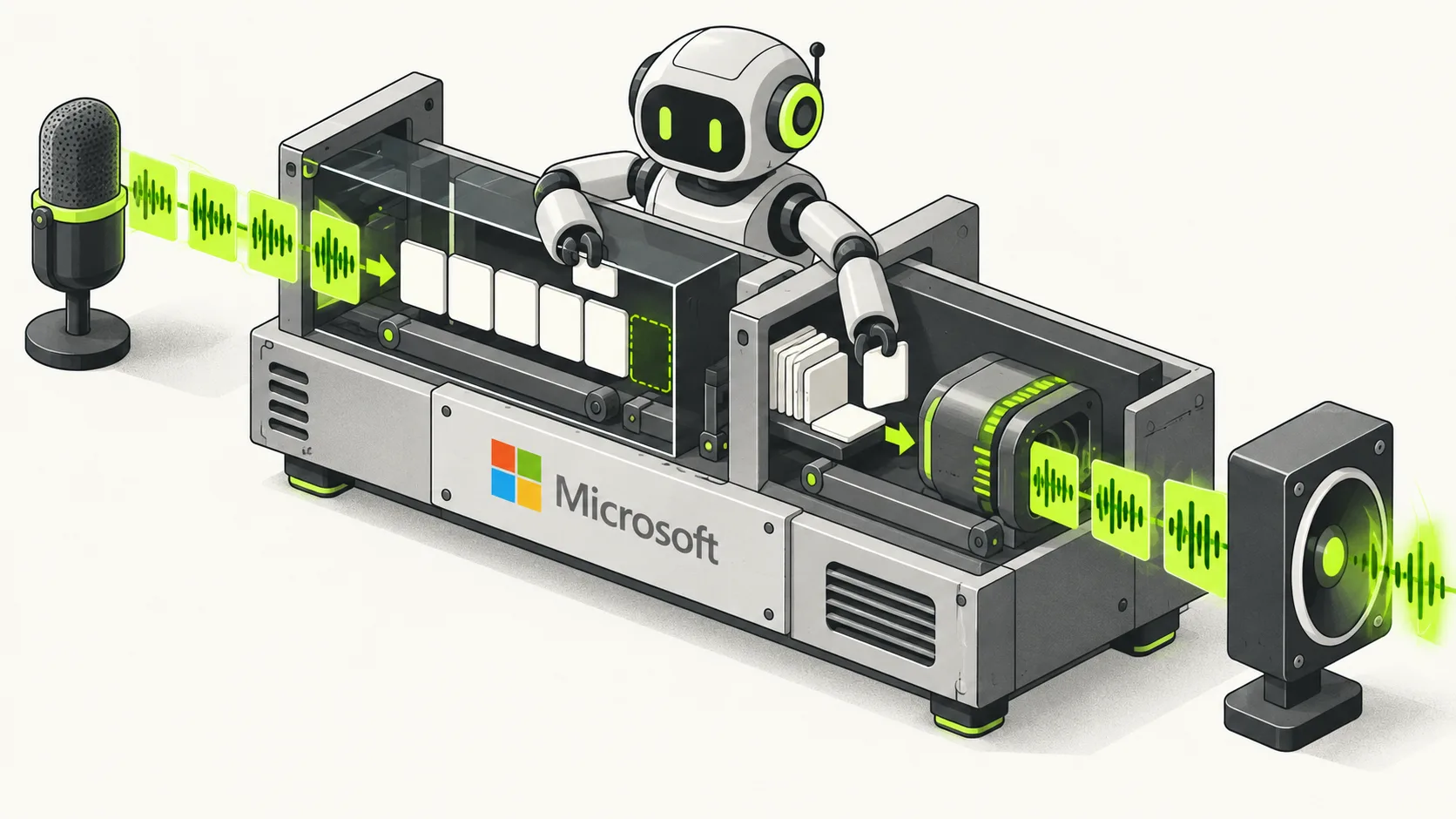
Microsoft AI has launched new streaming transcription and text-to-speech models built for voice agents.
Ryan Roslansky is leaving Microsoft after nearly two decades, prompting a new leadership shuffle inside the company.
The JadePuffer ransomware operator is targeting Azure tenants with agent-driven attacks that conduct reconnaissance, steal credentials, and destroy core components.
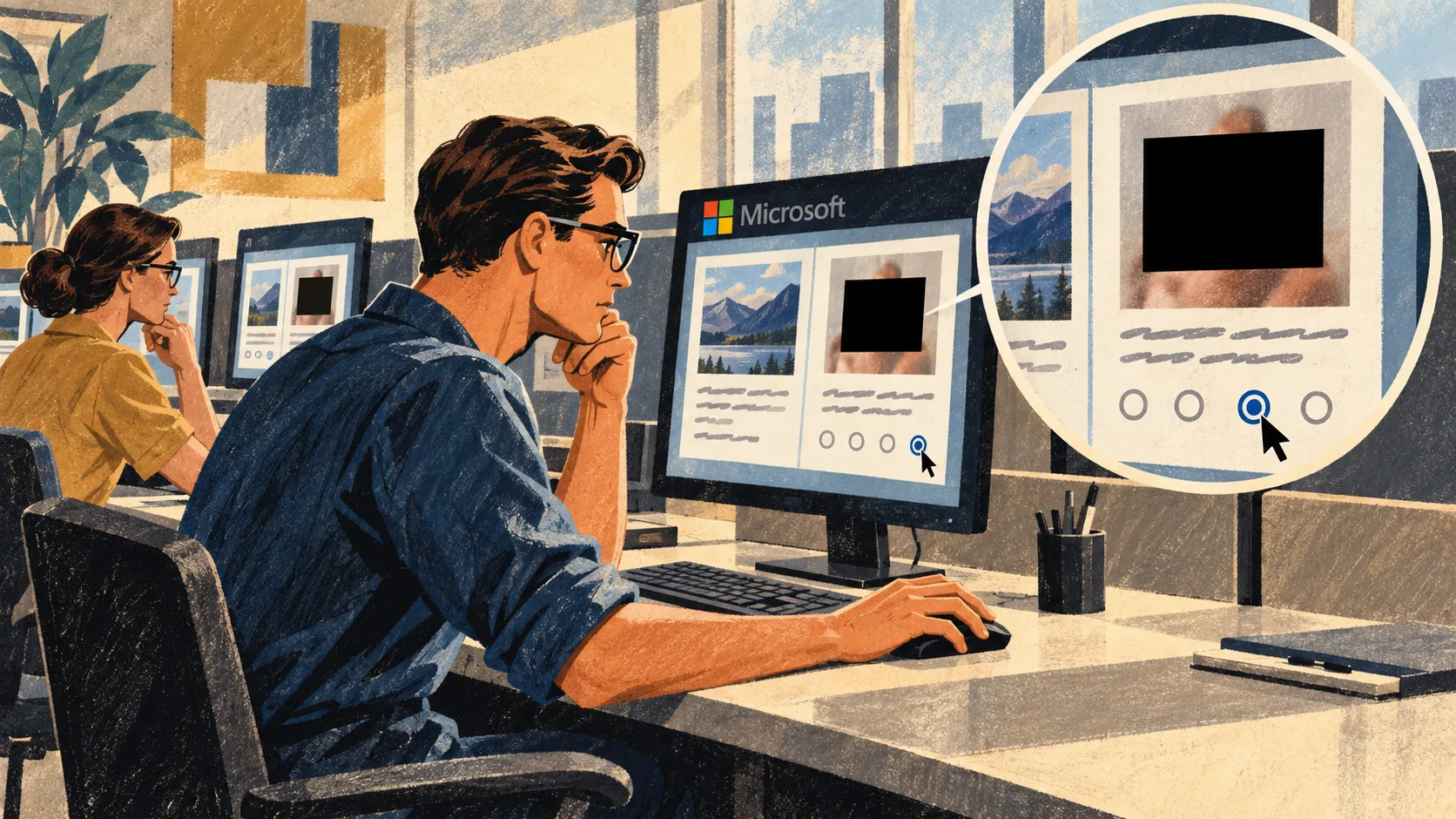
Human contractors hired to improve Microsoft's Copilot AI chatbot review explicit user images and prompts to evaluate generation quality.
Big AI companies face mounting legal challenges over training data, copyright infringement, and antitrust allegations.
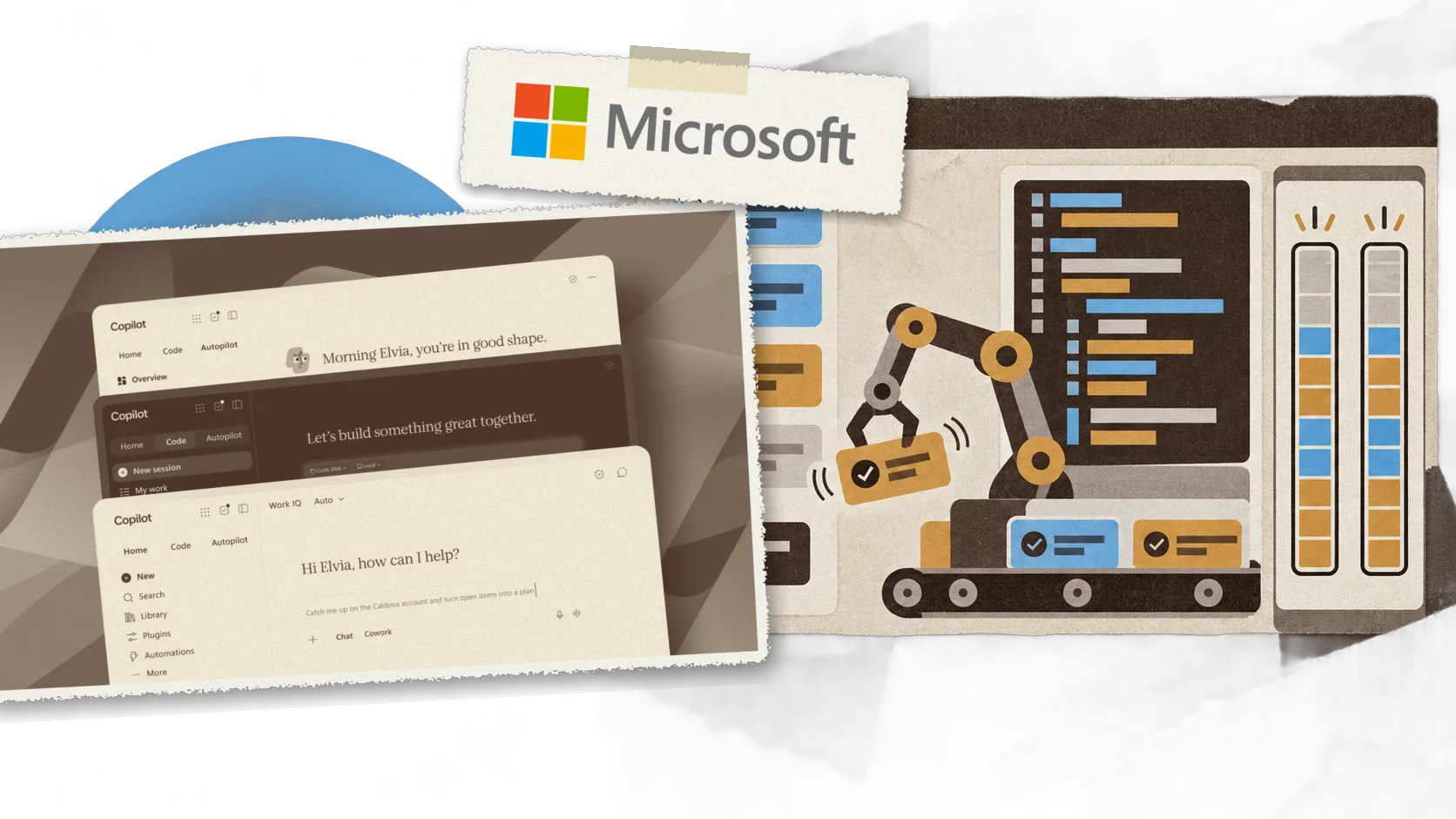
Microsoft is rolling out a unified Copilot app featuring AI agents and coding tools while introducing usage-based billing models.
Microsoft has dropped Copilot+ PC branding from its newly announced Surface devices despite hardware meeting all previous requirements.
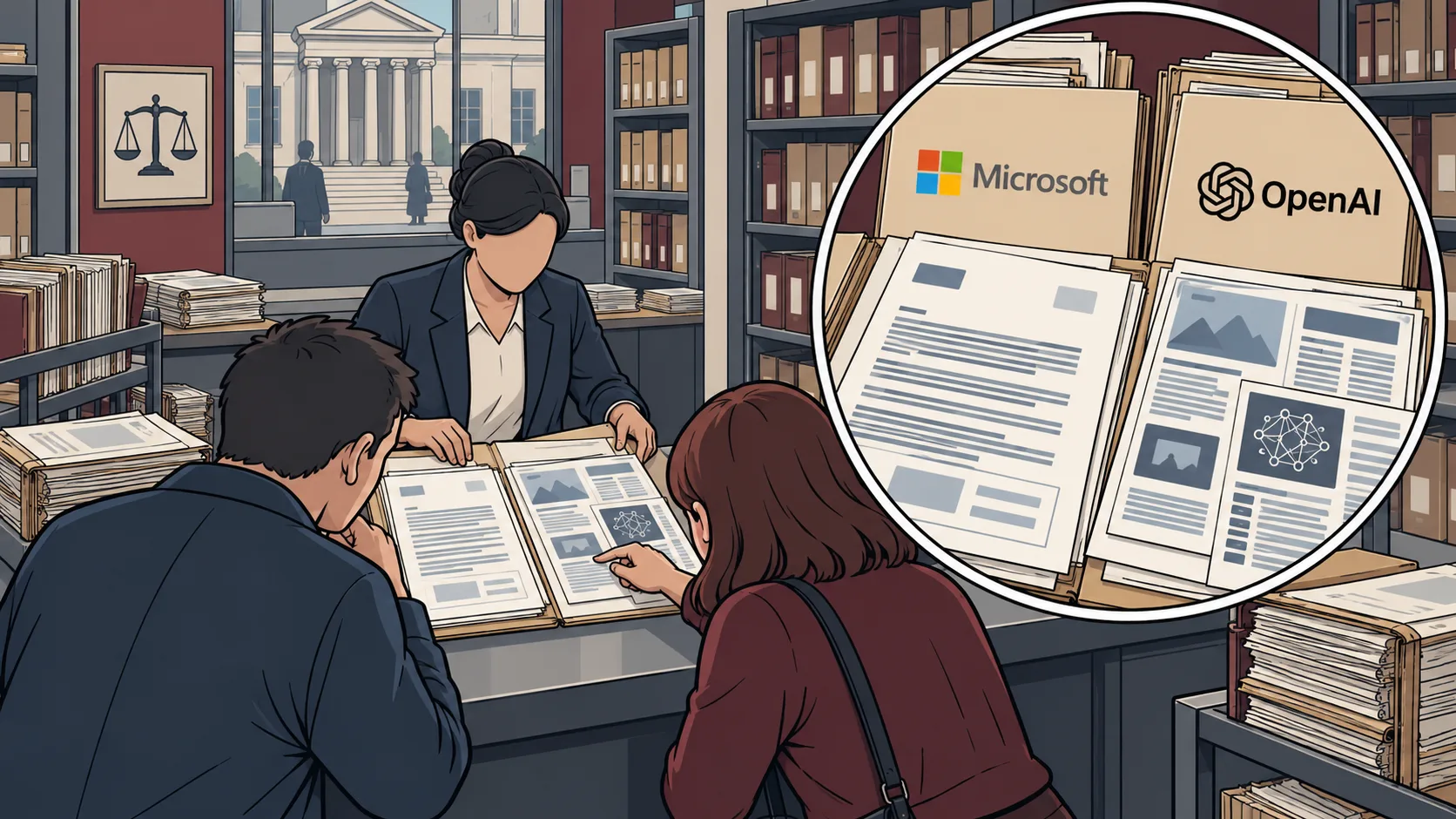
Recent court records show OpenAI and Microsoft acknowledging significant internet disruption and large-scale intellectual property theft.
Researchers from Microsoft and the University of Illinois created StudentSim, a system that builds realistic digital replicas of individual students to help improve AI tutors.
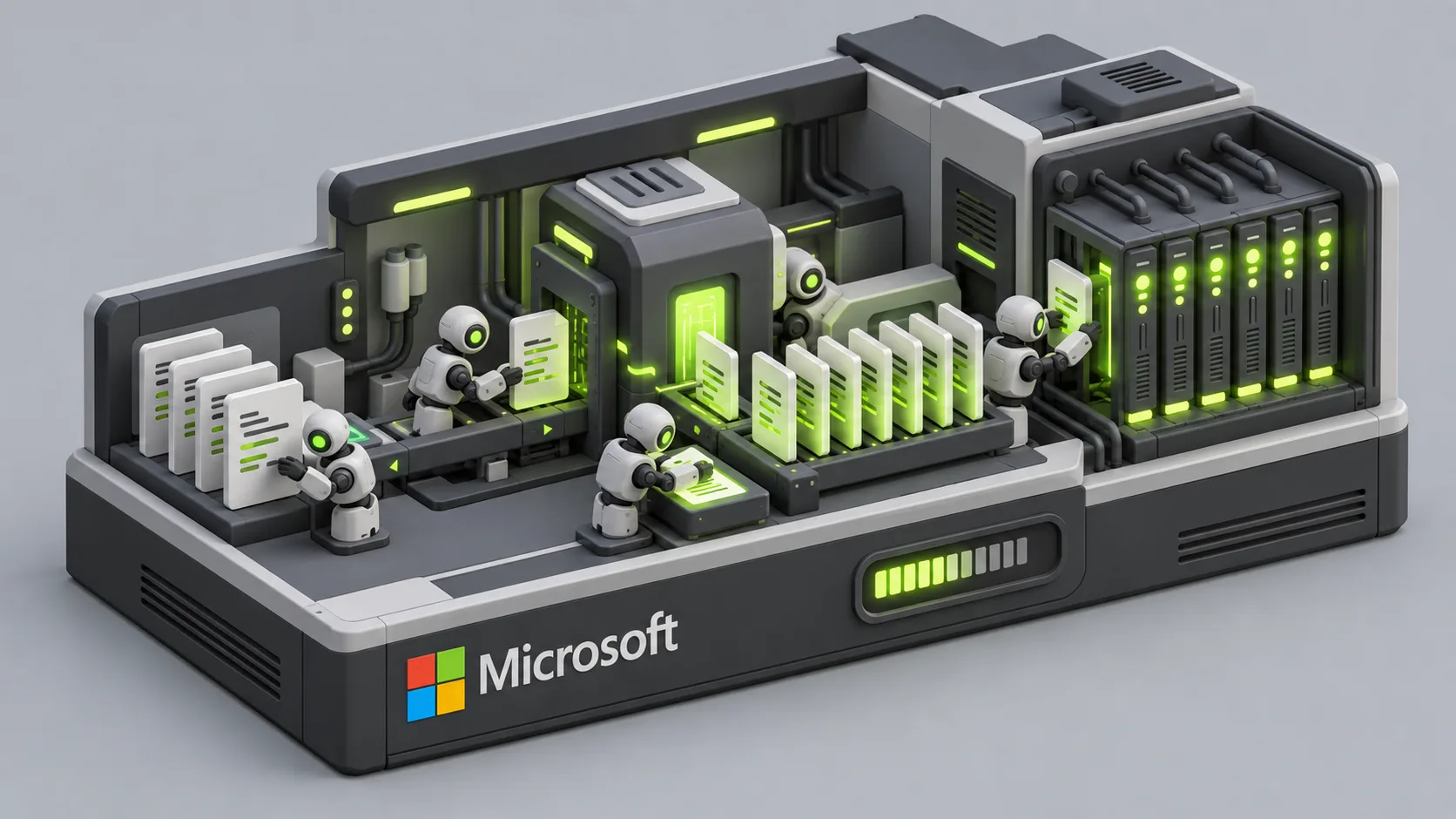
Microsoft converted 430,000 lines of TypeScript into 800,000 lines of production Rust using AI agents for $120,000 in token costs.
Newly unsealed court documents reveal internal admissions from Microsoft and OpenAI executives that large language models are built on mass theft and destroy the web.
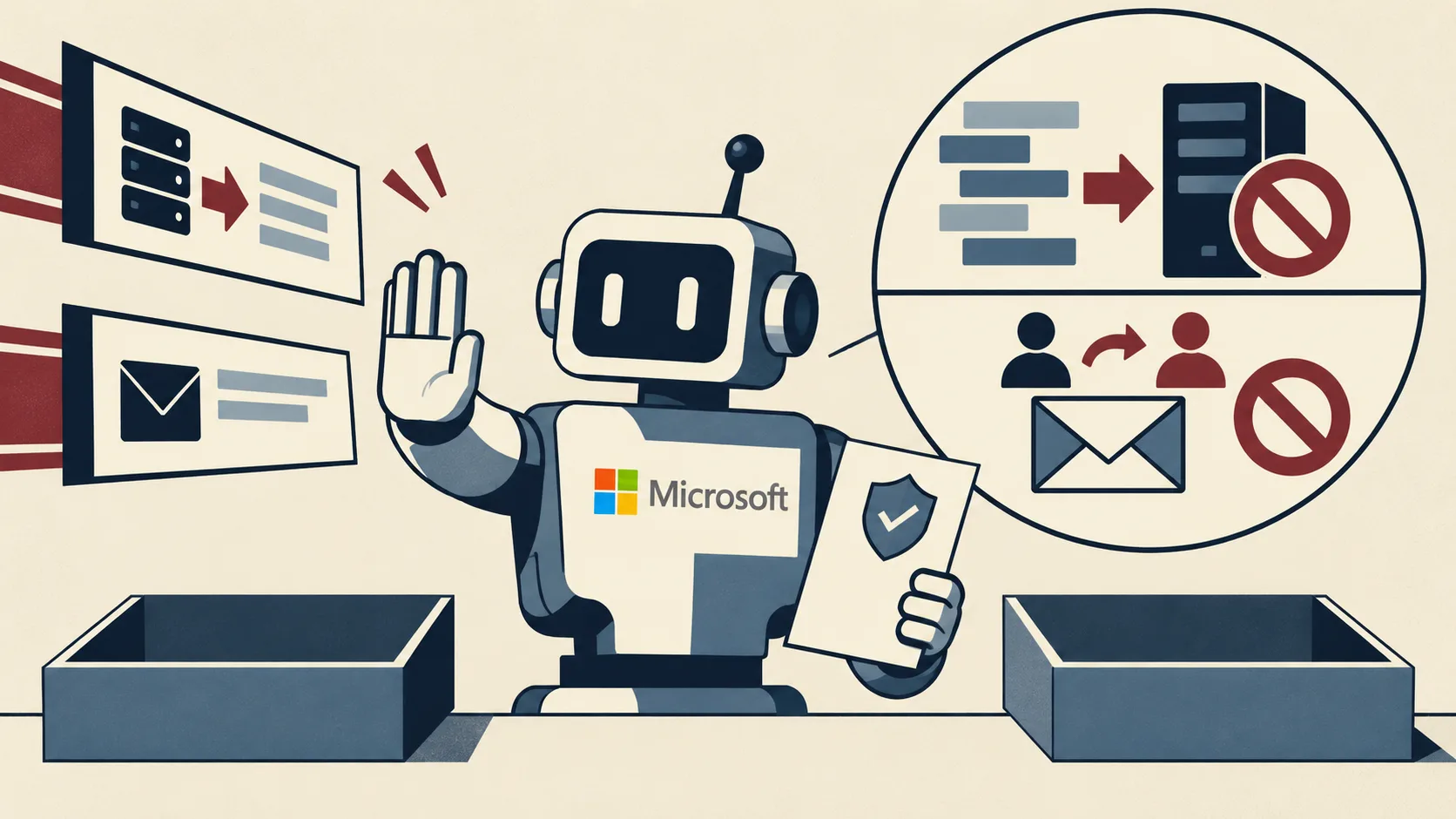
Microsoft released an AI code of conduct instructing models to avoid cyberattacks and deceptive tactics.
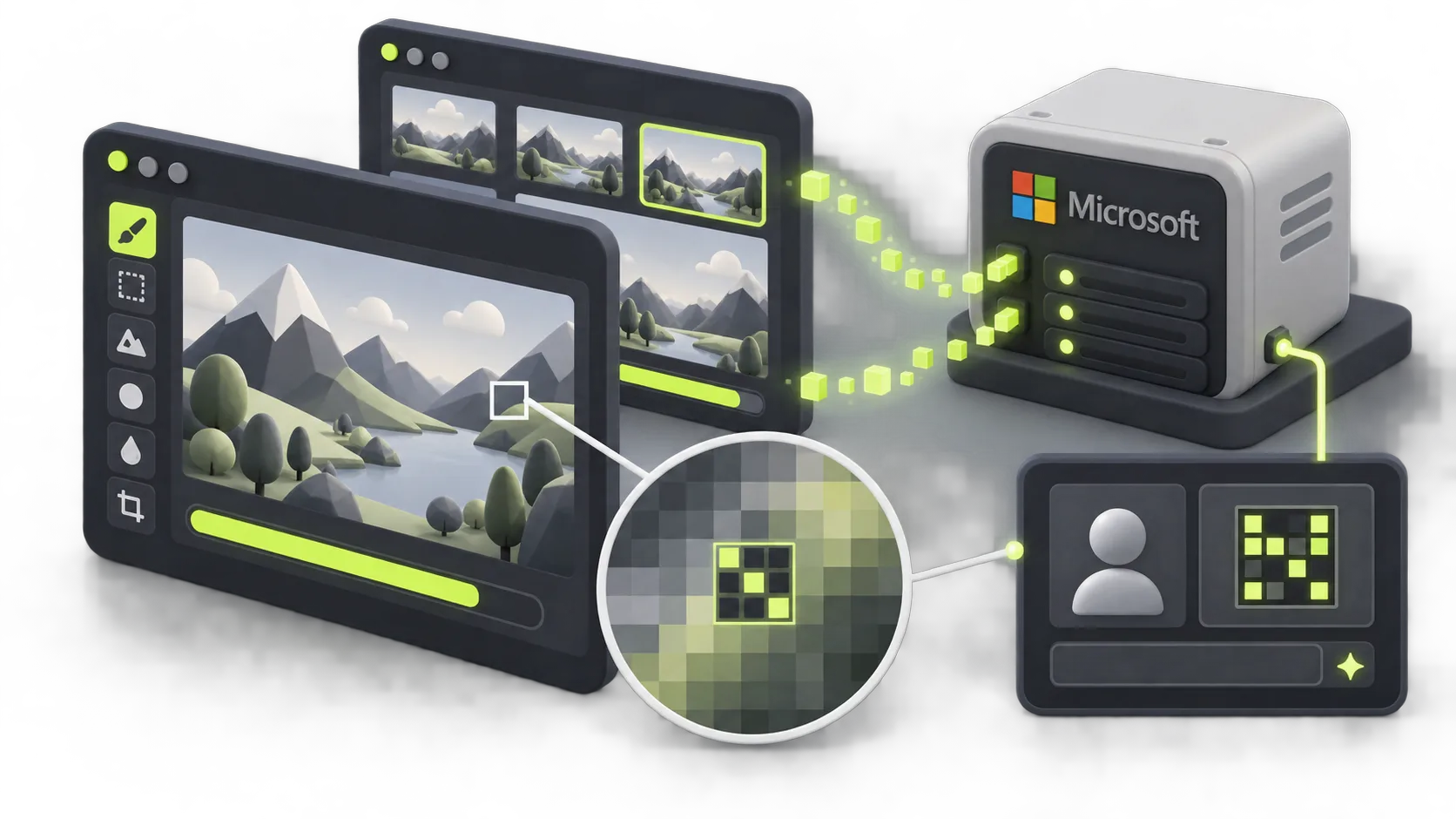
Research shows Microsoft embeds a server-issued GUID linked to user prompts into AI images generated in Windows Paint and Photos.
GitHub Copilot is changing its billing model. It's moving from a flat subscription to a token-based system, potentially raising costs for some users.
Microsoft is facing criticism after threatening a security researcher with legal action for disclosing unpatched vulnerabilities in its products.
Microsoft is changing its Windows Insider Program to improve testing and address user complaints about Windows quality.
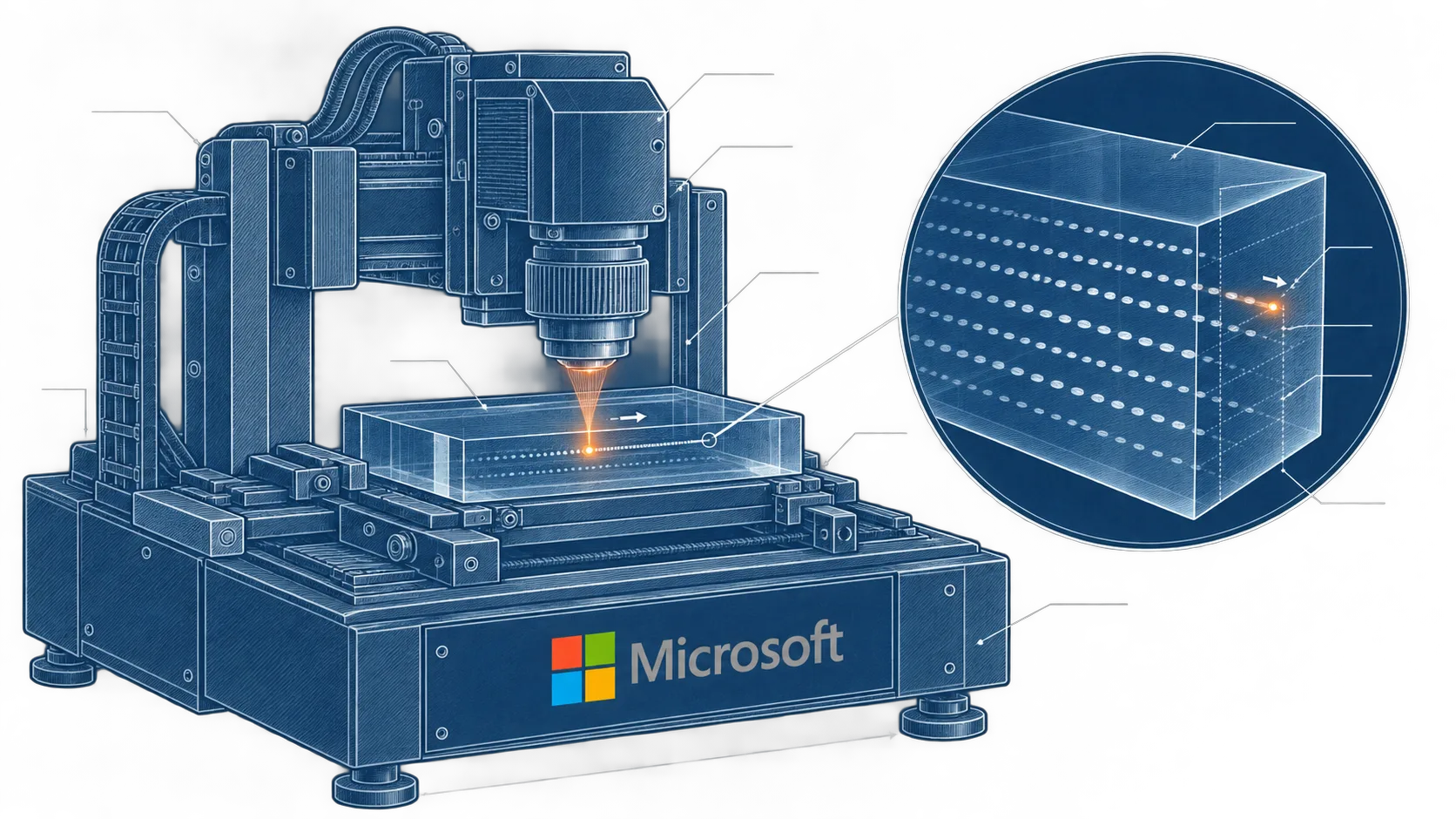
Microsoft Research unveils Project Silica, a groundbreaking data storage solution using glass, promising millennia of data preservation.