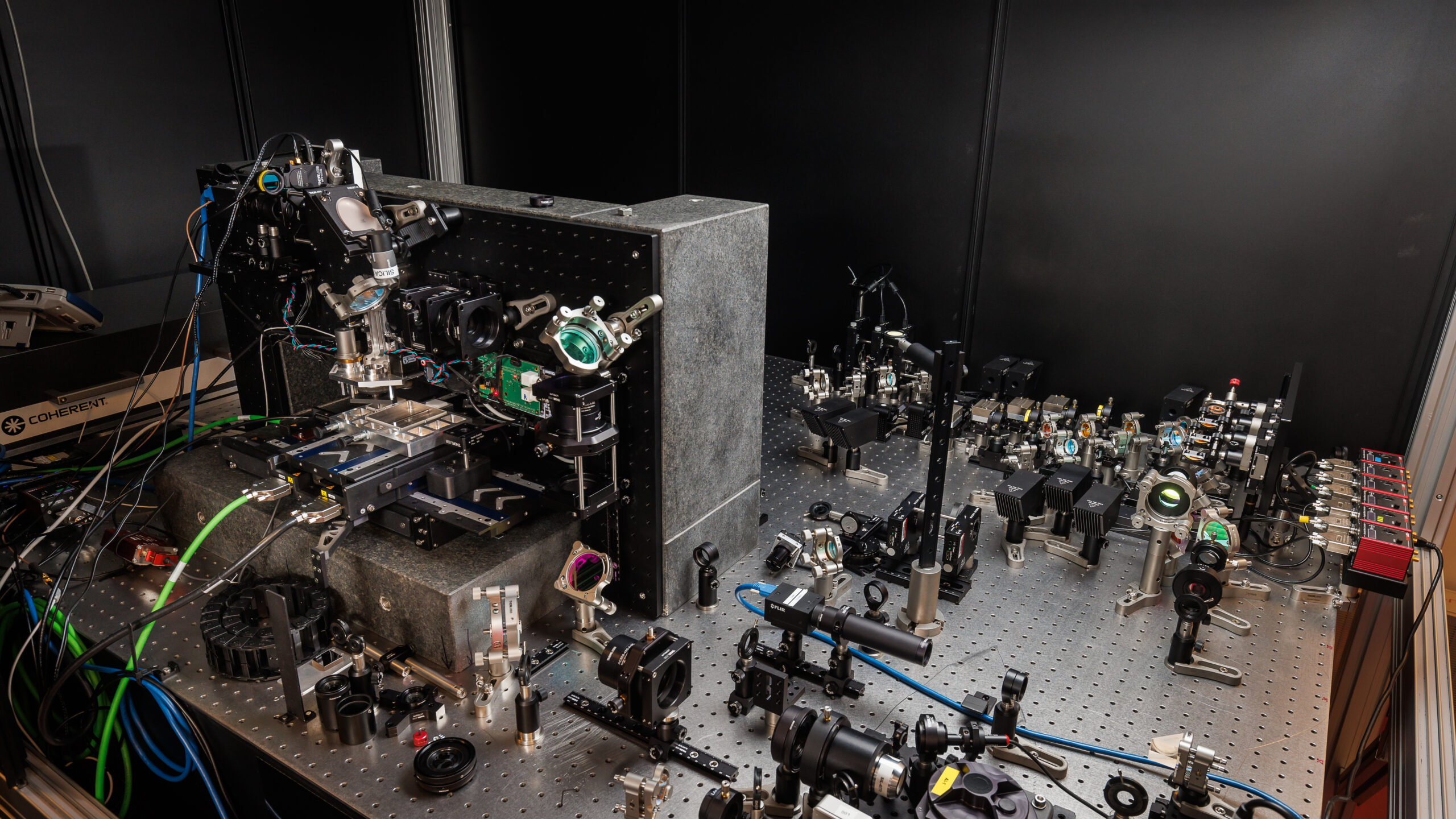

The quest for durable, long-term data storage has led down many intriguing paths, from exploring the potential of DNA to revisiting familiar materials with innovative techniques. Microsoft Research is making waves with Project Silica, a system that etches data into glass, offering a potential solution for archival storage that lasts for millennia.
The Allure of Glass
Glass, often perceived as fragile, possesses remarkable stability when formulated correctly. Project Silica leverages this characteristic by using a glass composition that is thermally and chemically stable, resisting moisture, temperature fluctuations, and electromagnetic interference. This inherent resilience makes glass an ideal medium for preserving data across vast stretches of time.
Femtosecond Lasers: The Key to Writing
The breakthrough behind Project Silica lies in the use of femtosecond lasers. These lasers emit incredibly short pulses—on the order of 10-15 seconds—allowing for precise and rapid etching of data into the glass. This precision maximizes data density, achieving over a Gigabit per cubic millimeter. The writing process becomes efficient, paving the way for practical implementation.
 Read nextMeta Saves Billions On US Taxes By Classifying AI Data Centers As Experiments
Reading the Data
Retrieving the data stored within the glass is another crucial aspect. While lasers, similar to those used in optical discs, offer one method, any technology capable of discerning the minute features etched into the glass could potentially work. This flexibility in reading methods further enhances the versatility of Project Silica.
Project Silica represents a significant leap forward in archival storage, offering a compelling alternative for preserving data for generations to come. While challenges undoubtedly remain, the project demonstrates the feasibility of glass-based storage and its potential to revolutionize how we think about long-term data preservation.