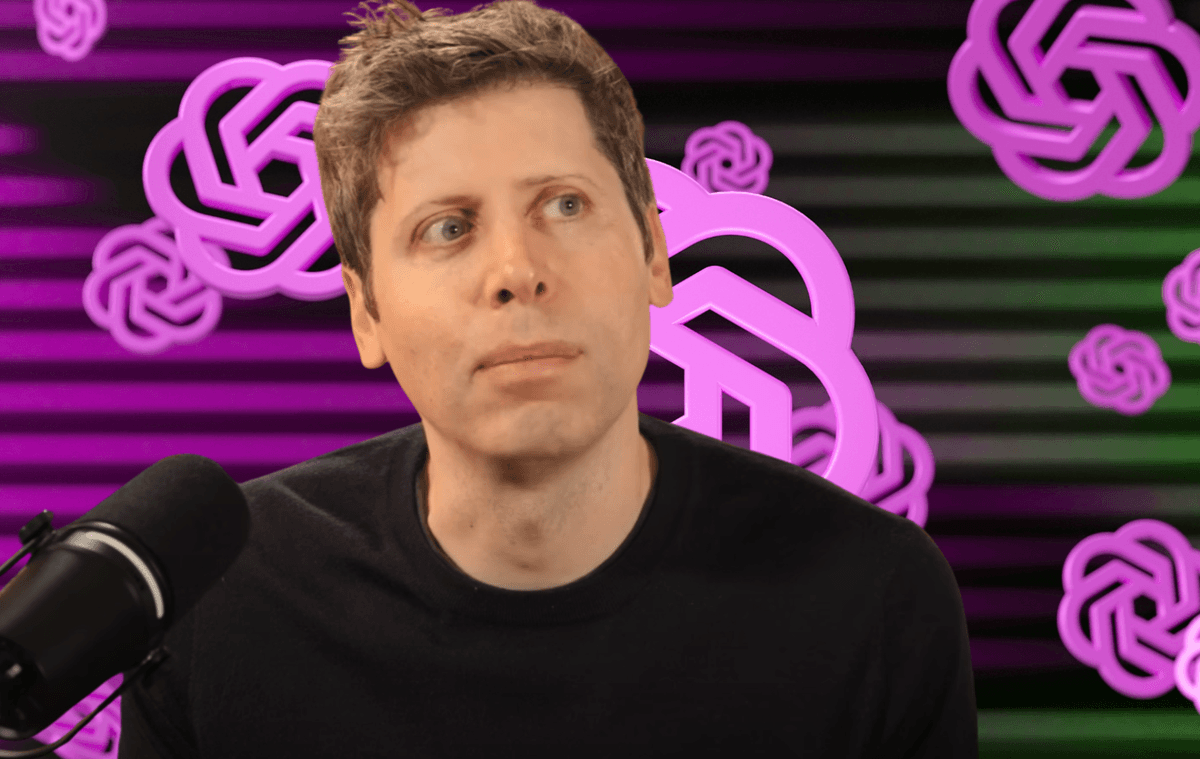

Executives at Microsoft and OpenAI acknowledged that large language models were built on what a Microsoft executive described as an astonishing theft of unprecedented proportions. An internal Microsoft document warned that generative artificial intelligence products created a doom loop that is destroying the entire web.
These statements appeared in an unredacted court filing unsealed Thursday in the copyright lawsuit filed by the New York Times against OpenAI. Lawyers for the New York Times included these statements in a summary judgment filing after previously sealed documents and depositions came to light.
Digital Content Next CEO Jason Kint discovered the unredacted filing while following major artificial intelligence copyright lawsuits. The filing revealed that major tech companies privately understood the predatory nature of their technology despite public arguments that model training constitutes fair use.
Internal Microsoft documents noted that millions of people will consider large models hoarding their work to be an astonishing theft of unprecedented proportions. The documents stated that almost no creators intended for their content to be used this way or received compensation for it.
The court filing highlights how AI products take human content and then cannibalize traffic from those same creators. Microsoft CEO Satya Nadella and other executives testified that clicks to news sites plummeted by more than 90 percent on Bing after the search engine ingested publisher content.
Discovery materials showed that OpenAI developed a workaround to bypass the New York Times paywall. OpenAI cofounder Greg Brockman responded to that discovery by writing ah, nice.
Microsoft executive Brent Hecht wrote that large language models take content without distributing economic value down the supply chain. He stated this practice threatens the economic stability of original content creators.
OpenAI policy director Jack Clark wrote that the company creates systems substituting for the labor of people defining societal culture. A Microsoft policy document added that generative artificial intelligence could disrupt the employment of data generators and destroys its supply chain.
OpenAI explicitly referred to itself as an existential threat to news publishers during the proceedings. An OpenAI software engineer testified that users will not click links no matter how prominently they appear.
Attorneys for OpenAI and Microsoft previously argued in court that their model training methods are transformative and qualify as fair use under copyright law. The newly public internal records contrast sharply with those legal defenses.
The litigation will continue in federal court as the judge reviews the summary judgment motions and the newly revealed evidence from both companies.