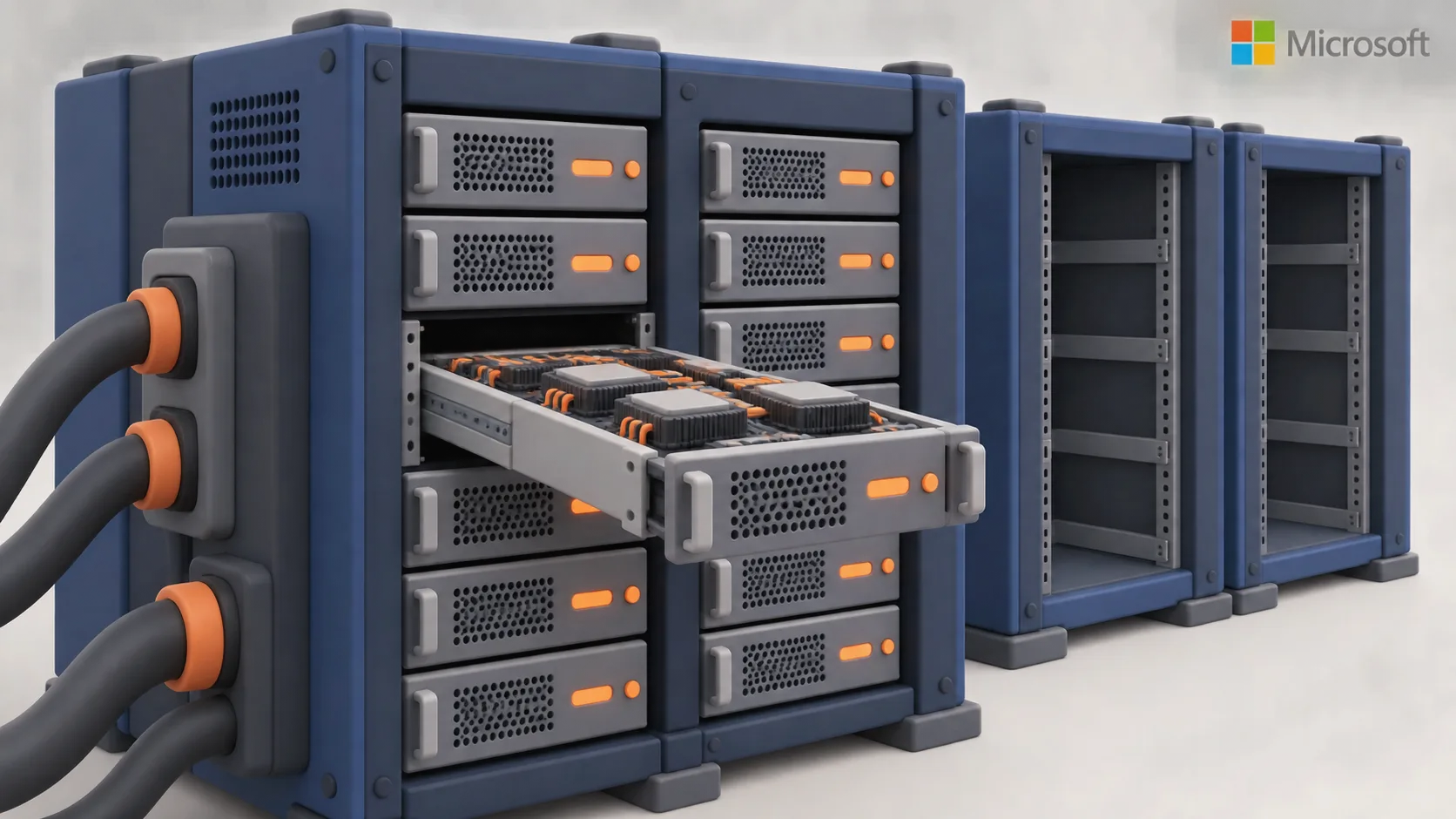

Microsoft plans to expand its Azure Maia AI system to multi-gigawatt deployments starting in 2027. The company says Maia will become its primary system for running AI models across Microsoft products and services. Maia 200 is already serving production workloads, while Maia 300 is scheduled to begin production deployments in 2027.
Maia 200 serves Microsoft workloads
Maia 200 currently supports Microsoft Copilot and the team developing Microsoft's MAI models. Microsoft says GitHub Copilot and Microsoft Foundry will follow by the end of 2026. Across these workloads, the system runs OpenAI models, MAI models and open-source model families.
Microsoft says Maia 200 is being deployed across the United States, Europe and Australia. For built-in AI capabilities in Microsoft Teams, Copilot and Cowork experiences, the company says it delivers up to 1.7 times more tokens per watt than leading GPU infrastructure.
Maia 300 aims to handle longer AI tasks
Microsoft designed Maia 300 for long-context reasoning, conversational responses where delays matter, and sustained tasks carried out in multiple steps. The company expects it to deliver 40% more tokens per megawatt than leading GPU-based systems. It says a full configuration of 96 accelerators delivers up to seven times Maia 200's rack-scale token throughput.
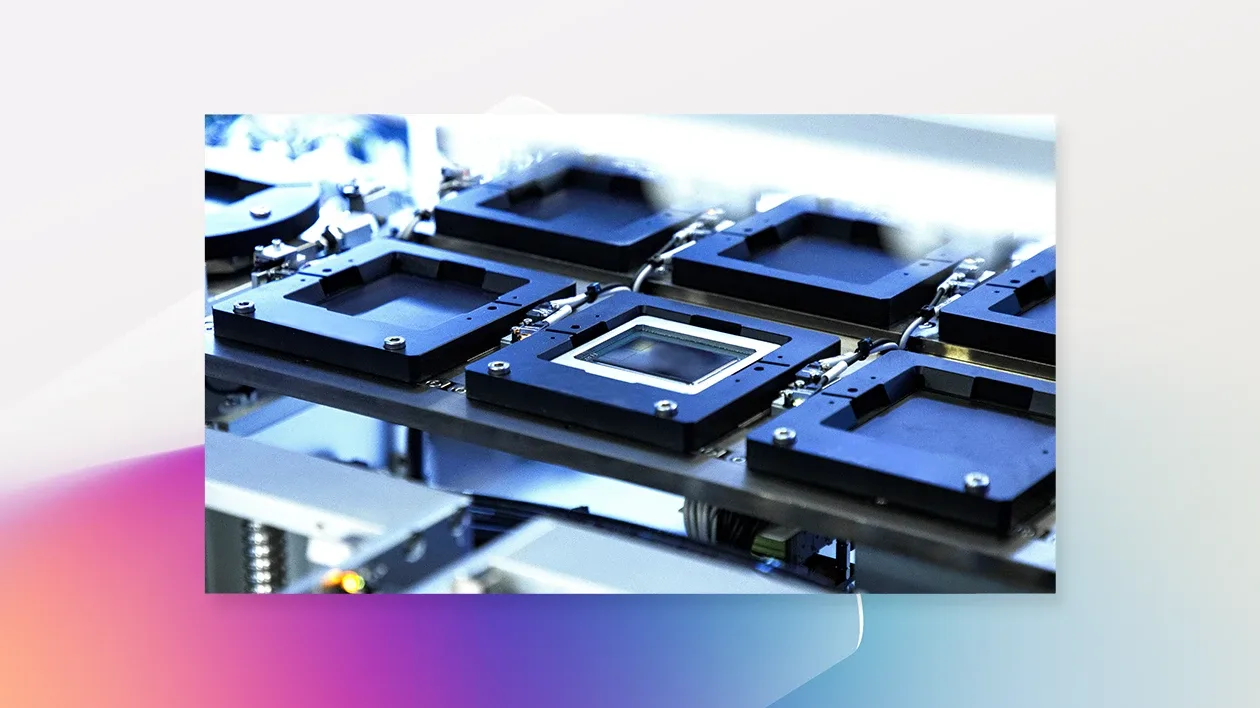
Each Maia 300 accelerator has eight HBM4 memory stacks, with 18.0 terabytes per second of peak memory bandwidth within a 950-watt power limit. Its compute chiplets use TSMC's N2P process. Microsoft says a rack of 96 accelerators operates within a 167-kilowatt power envelope and provides 27.6 terabytes of memory capacity.
Microsoft plans to share more at Microsoft Ignite 2026 next month, in San Francisco and online. Maia 300 is scheduled to begin production deployments in 2027.