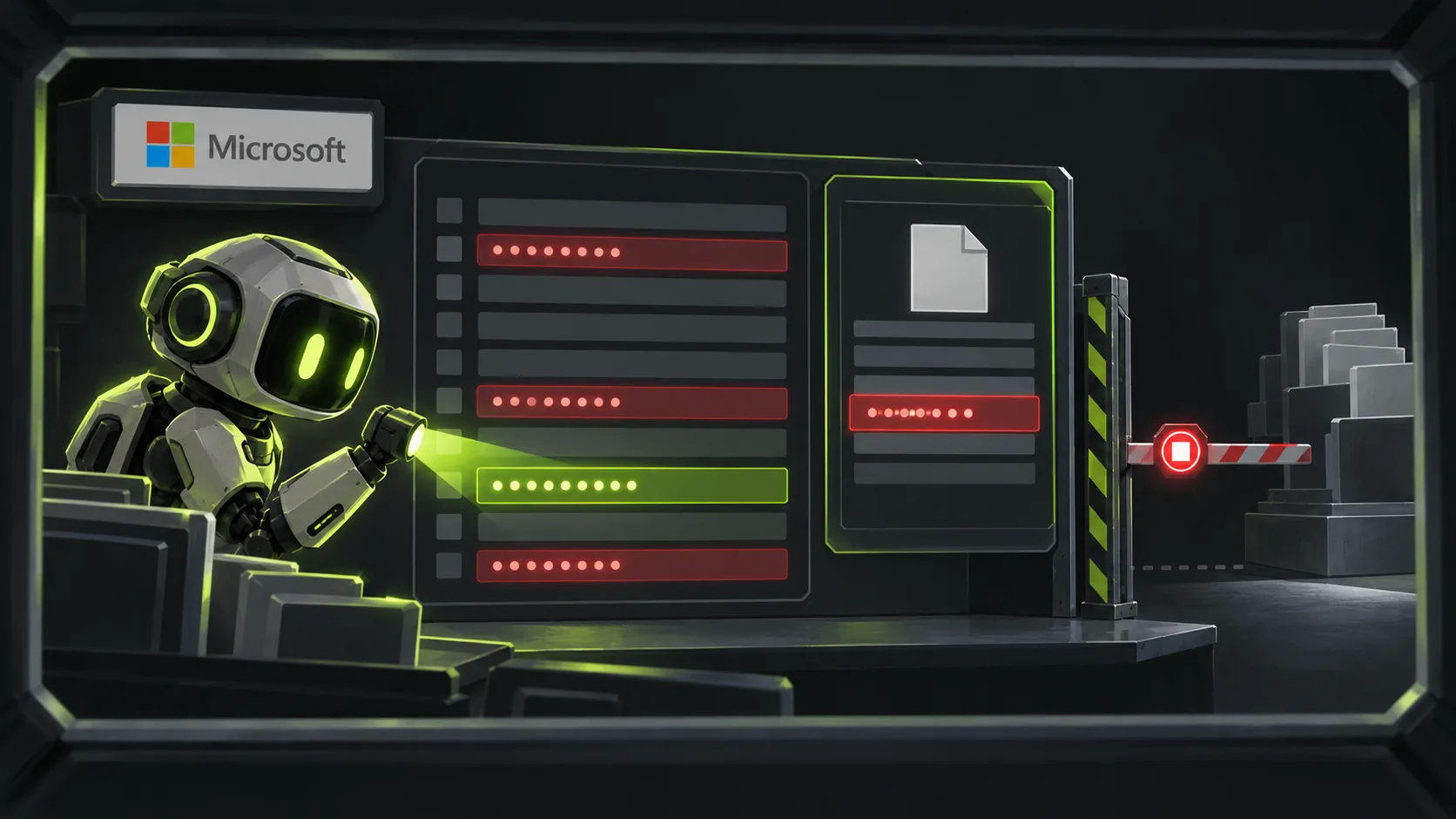

Behind the scenes, at least three of the Big Five US book publishers including HarperCollins, Simon & Schuster, and Hachette have been quietly incorporating AI tools into their publishing processes. These actions are occurring without public disclosures or author consent, according to interviews with more than two dozen workers who spoke anonymously.
Publishers are using large language models like Claude and ChatGPT to email literary agents, write publicity and back-cover copy, design cover art, and generate marketing materials. Editorial staffers note that widely publicized cases of authors using LLMs to write books are only the tip of the iceberg, with multiple esteemed titles canceled due to blatant AI use.
Employees Resist Internal AI Mandates
Senior leaders at HarperCollins purchased Claude licenses from Anthropic months ago and tasked junior and senior staff with discovering use cases in monthly brainstorming sessions. When employees expressed concerns regarding the environmental, legal, and ethical impacts of AI during a meeting, a leader dismissed the qualms as the cost of doing business. Staffers also noted that funds were spent on software instead of raising entry-level salaries, which averaged $47,583 in 2023.
In May 2024, Simon & Schuster held an internal contest with cash prizes for the best AI use cases, though the company later rolled back some initiatives after employee complaints in town halls. Employees at multiple publishing houses also suspect that editors are using AI tools to write rejection letters to literary agents.

Agents Express Fear Over Manuscript Security
Literary agents have started adding specific AI clauses to contracts to prevent publishers from pasting text from unpublished manuscripts into LLMs. Sources indicate that multiple editors have asked managers if they could paste full manuscripts into open-loop LLMs, though legal teams instructed them not to do so. Some workers are reluctantly experimenting with AI only because layoffs have reduced large teams to skeleton crews and tripled their workloads.
Simon & Schuster employees recently gathered signatures on an open letter opposing an experimental trial with Skan AI, a software designed to reduce costs and prioritize automation. On October 6, CEO Greg Greeley sent a memo confirming the company explored Skan AI's Blueprint product but made no decision to use it, though AI detection tools indicated parts of his memo were written by AI.
Publishers Defend Operational AI Tools
A Hachette spokesperson stated the company supports operational AI tools to help authors reach more readers while prohibiting creative uses like communicating with partners. Wibke Grutjen of Simon & Schuster noted that employees have access to vetted enterprise-level tools to free up time for creative work. Meanwhile, industry professionals are urging publishers to provide clear AI usage guidelines and disclosures to manage the ongoing uncertainty.