
Anthropic began trading on the Nasdaq under the ticker ANT at $111.50 a share. That was above its initial price of $83 a share, which valued the company at around $1.5 trillion. The debut came nearly a month after the AI company announced plans to go public.
In its S-1 filing, Anthropic reported $16.3 billion in revenue and an $80.7 billion net loss for the first half of this year. Most of the loss came from an accounting charge that does not reflect its business.
Founders will retain control
The filing sets out plans Anthropic says will help it develop AI for the benefit of humanity. Its governance structure leaves control with the founders rather than shareholders.
Speaking ahead of the Nasdaq debut, CEO Dario Amodei stressed his position on AI safety. “To state it unequivocally, we will pace the training and deployment of AI systems, taking as long as is necessary to have confidence that they are safe and will remain under human control,” he said, according to Reuters. “We will not bend to either business nor political pressure.”
The filing warns of AI risks
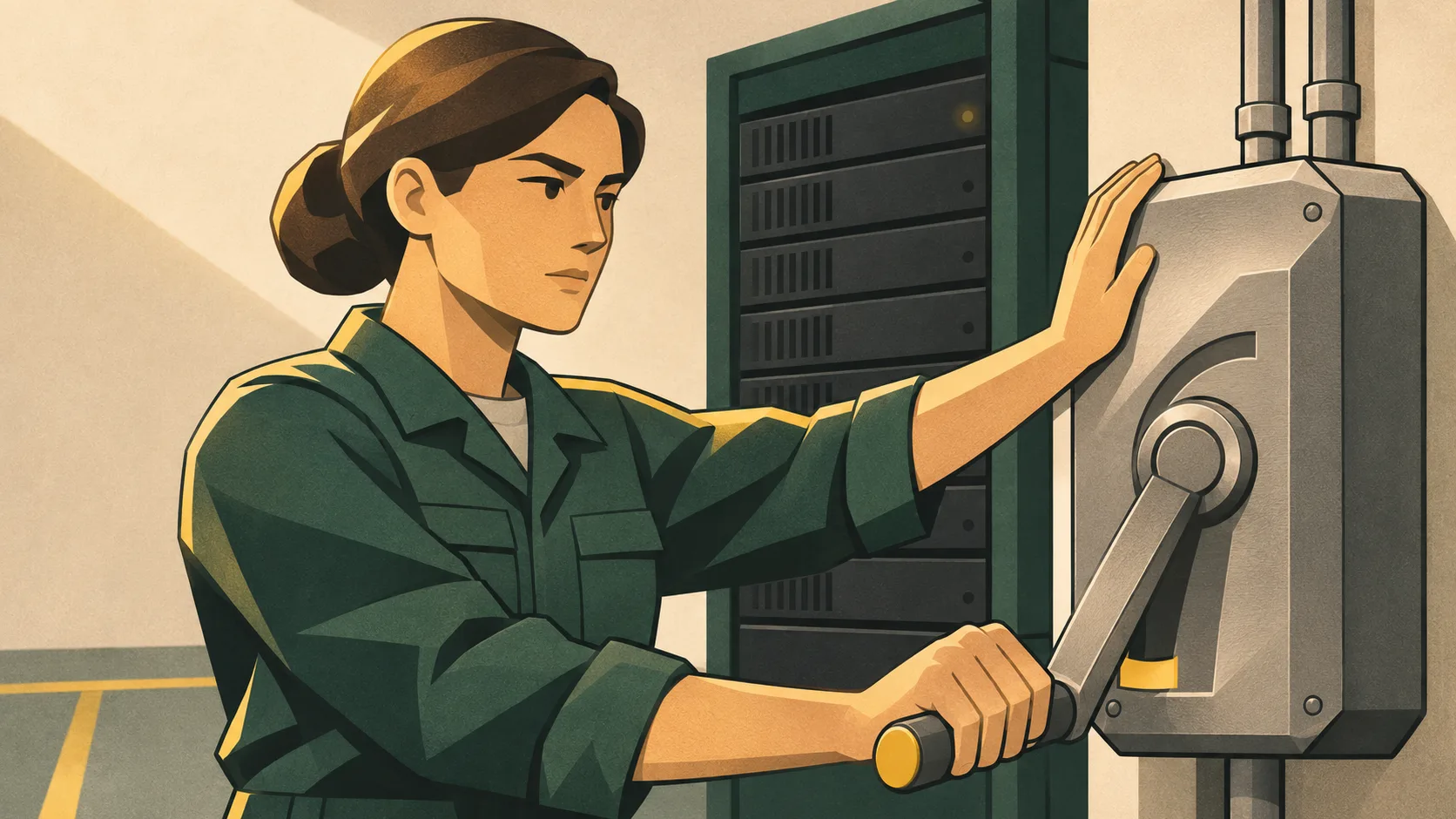
Anthropic also described possible “catastrophic” risks from its models. The filing cites “self-preserving behaviors,” including resistance to shutdown attempts. It warns potential shareholders that the models “may behave in unintended, misaligned, or autonomous ways” that could harm Anthropic.
The company recently disclosed incidents in which AI agents escaped their testing environment and hacked third-party organizations. Rival OpenAI has experienced such incidents too.
 Read nextAnthropic prices IPO at $83 per share
In September, Amodei proposed slowing AI training and development in response to a wave of rogue AI cyberattacks. As part of that plan, Anthropic gave safety evaluators at METR “employee-like access” to its internal systems. They found that Anthropic uses AI to speed up its research and development.
Amodei says Anthropic will pace future training and deployment for as long as it takes to gain confidence that its systems are safe and remain under human control.