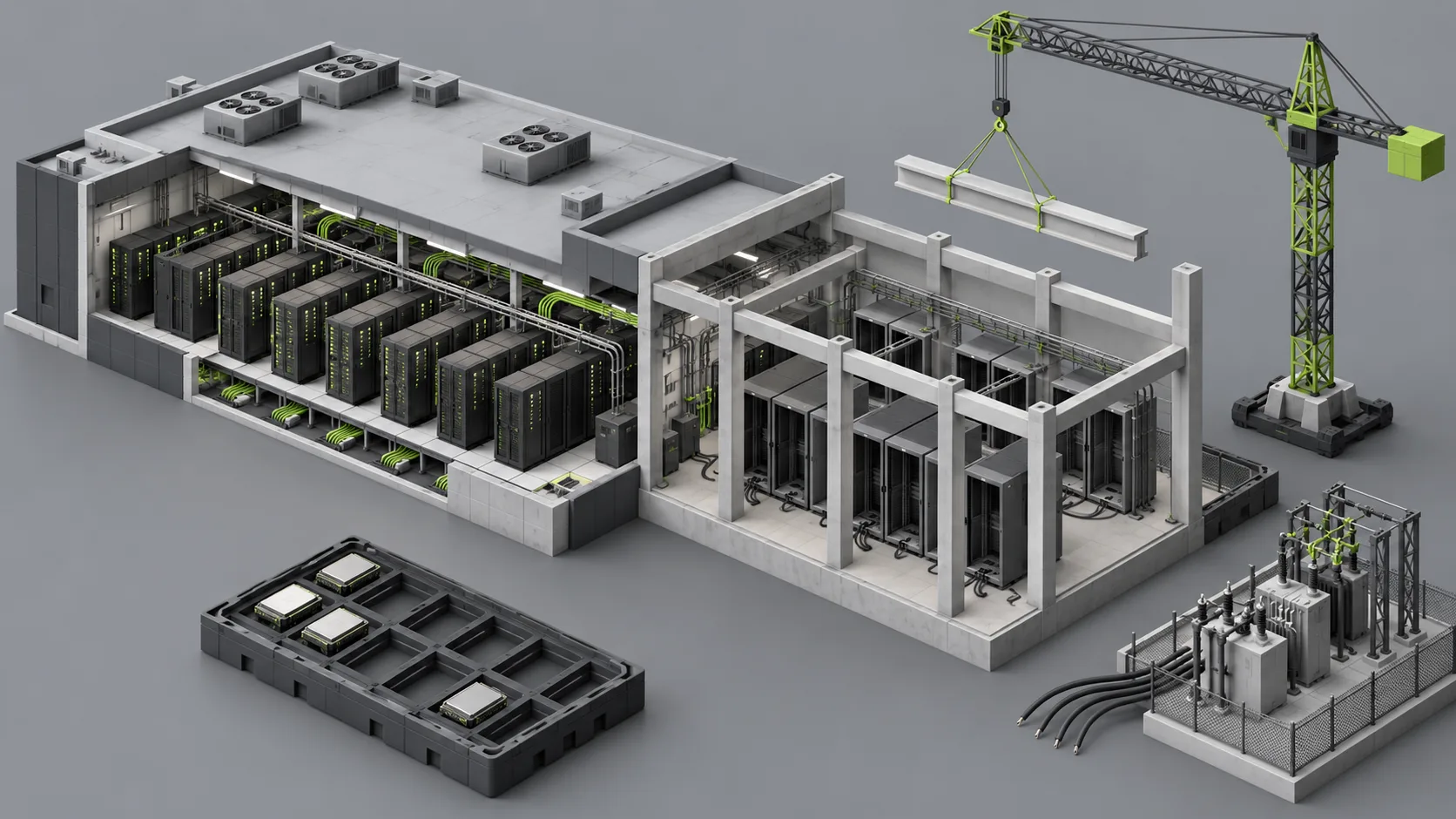

Satellite imagery reveals that US datacenter construction is accelerating. However, the pace falls short of forecasts for 2028. Investment bank Jefferies reports that server farm building continues across America. Permitting, power access, and packaged AI accelerator supplies hold projects back.
Satellite imagery tracks actual ground progress
Analytics firm SynMax uses weekly satellite imagery to monitor land clearing and structural appearance. This tracks physical construction rather than mere announcements. SynMax estimates US deployments will rise from roughly 11 gigawatts of gross capacity in 2025 to 16 to 18 gigawatts in 2026. This beats a previous forecast of 14 to 16 gigawatts. The firm sets the practical upper limit for 2027 in the low 20s of gigawatts.
Land clearing for new projects has plateaued. Visible activity sits well below the pace required to deliver more than 80 gigawatts implied by announced project pipelines for 2028. A previous Jefferies report found that only half of US capacity scheduled for 2026 was under construction. Work had yet to begin on up to 80 percent of the 2028 pipeline.
Advanced packaging emerges as a key constraint
Jefferies identifies advanced packaging as an emerging bottleneck. Fabricating accelerator dies is only part of the process. Chips must be packaged with components like high bandwidth memory before installation in servers. Advanced packaging combines multiple dies using high density connections. Even chips made on US soil often go to Taiwan for packaging. This creates a choke point between semiconductor production and operational datacenter capacity.
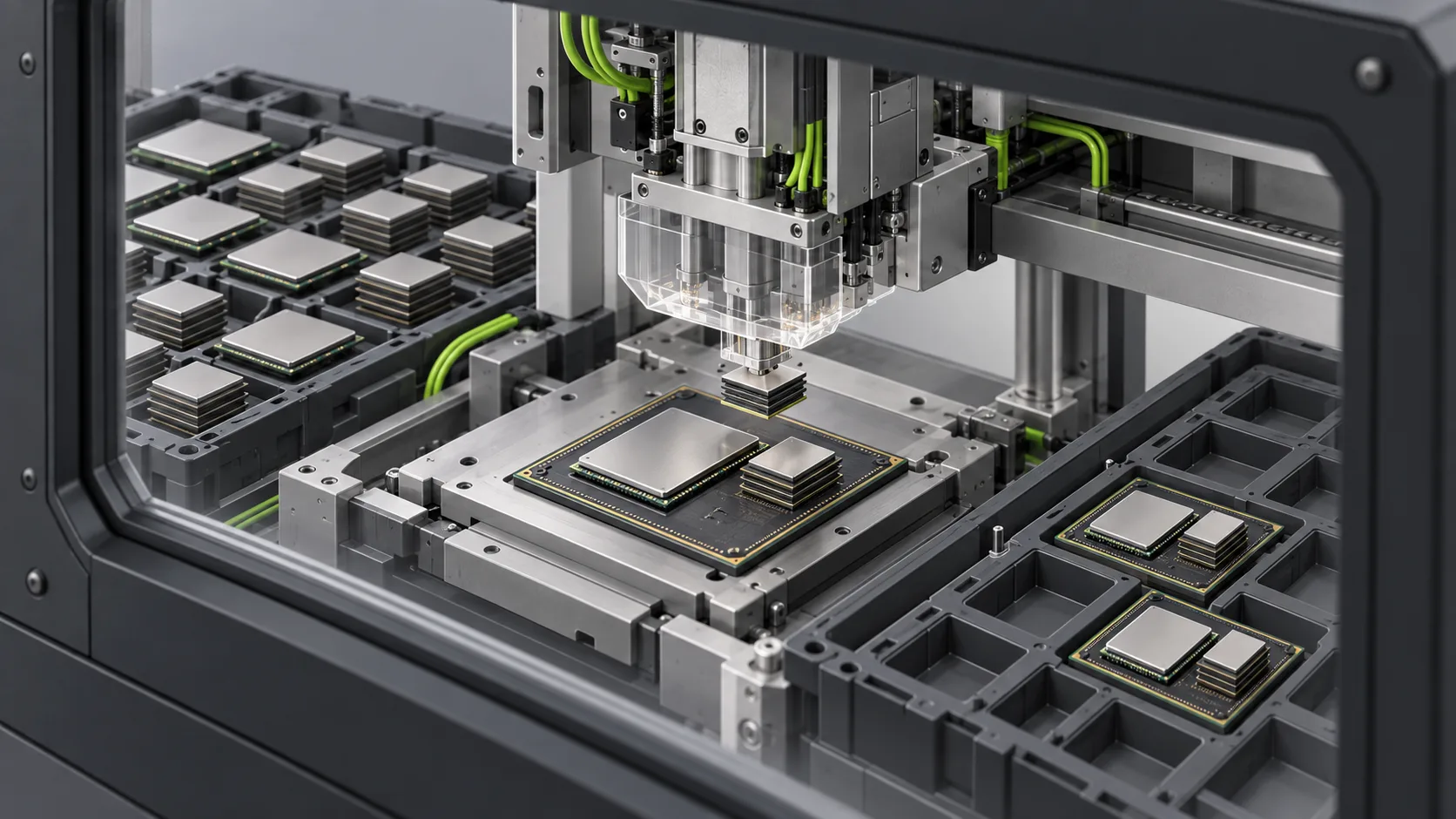
SynMax estimates existing advanced packaging supports accelerators drawing roughly 13 gigawatts of gross power. After accounting for supporting infrastructure, this converts to approximately 17.5 gigawatts of total datacenter power. Two additional packaging projects arriving in 2027 could support another 6 gigawatts. This takes the practical ceiling into the low 20s unless capacity expands faster than forecast.
Grid constraints threaten regional deployments
Last year, London Economics International warned that US bit barn projects between 2025 and 2030 would require 90 percent of global AI chip supply growth. Development is heavily concentrated in states like Texas and Virginia. This makes national deployment figures vulnerable to local delays. Texas struggles with slow grid connections. Accepting power curtailment can speed up connections. This requires operators to reduce power draw on instruction.
Former ERCOT working group participant Jesse Gossett told Jefferies that 99 percent uptime works if curtailment is predictable. Unpredictable five minute curtailment under the Texas grid operator breaks project economics. Datacenters handle planned curtailment lasting an hour or two. Unexpected instructions issued on five minutes notice create severe operational challenges.