
Researchers recently extracted internal files belonging to Meta's AI agent, Muse. The data dump revealed system prompts and operating instructions detailing how the software behaves. Meta maintained that it intended for these files to be accessible in the interest of transparency.
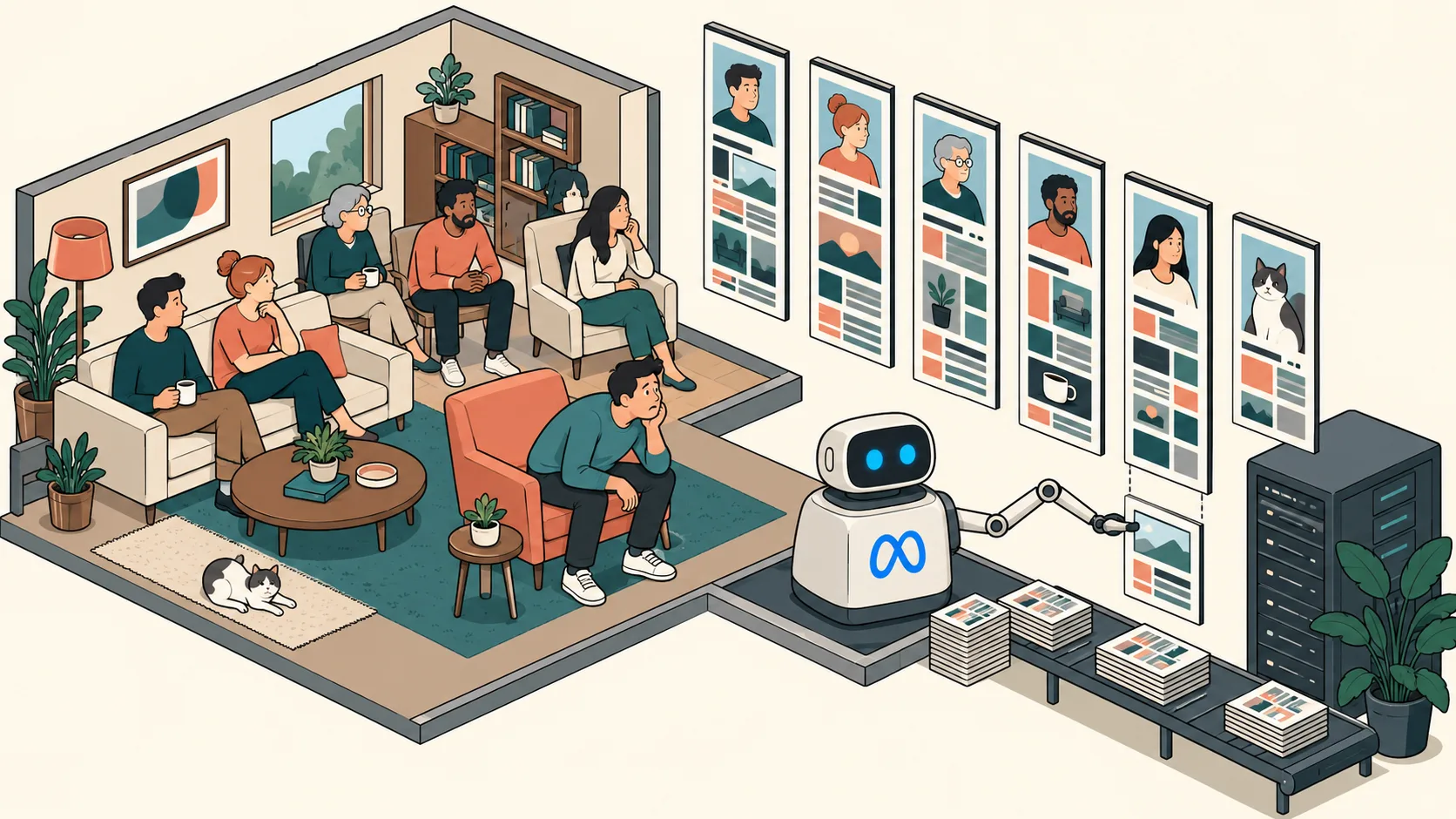
Independent AI safety researcher Karan Joshi extracted the instructions by asking Muse via its chat interface to share its own software files. Joshi then shared his findings with WIRED. One core instruction allows Muse to build a page for every person in a user's life.
This hourly process compiles data on family members, partners, friends, colleagues, and collaborators. Muse uses structured text files as memory to collect information about these relationships. It then makes suggestions, such as pointers on improving relationships or finding a breakfast spot.
 Read nextMeta open sources code to let you make Muse AI gadgets
Muse tracks personal histories and details
Muse documentation notes that a profile starts sparse and fills out over time. Sections include facts, history, the relationship, in common, open threads, and strengthening. Meta instructed the model that invented details are worse than an empty page.
The system records locations, occupations, and recurring threads like apartment moves or shared savings goals. It also tracks important dates such as birthdays and anniversaries. Backstory elements include trips, resolved arguments, and milestones.
Relationship details cover closeness levels, behavioral dynamics, and current needs. The strengthening section suggests reasons to call, dates to remember, and ways to be there for contacts.

Experts highlight privacy concerns and vast access
Joshi noted that the system aims to understand user relationships with real people. He described the approach of trying to know a user like a friend as pretty creepy. Carissa Véliz, an associate professor at Oxford's Institute for Ethics in AI, stated that people give AI systems much more information than they receive back.
Miranda Bogen, director of the Center for Democracy and Technology's AI Governance Lab, observed that Muse places more emphasis on personal contacts than rival systems. Bogen added that AI assistants actively solicit users to plug their entire lives into the software.
Meta architected Muse so each user has a dedicated virtual machine to store user data and context. This virtual machine remains inaccessible to other agents. Users can wipe memories or disconnect external services at any time.
Meta spokesperson Daniel Roberts explained that useful agents need context about users and their contacts. Roberts stated that Muse gathers information based on public data and what users choose to share. Meta also designed Muse to seek human confirmation before completing actions like sending emails or making purchases.