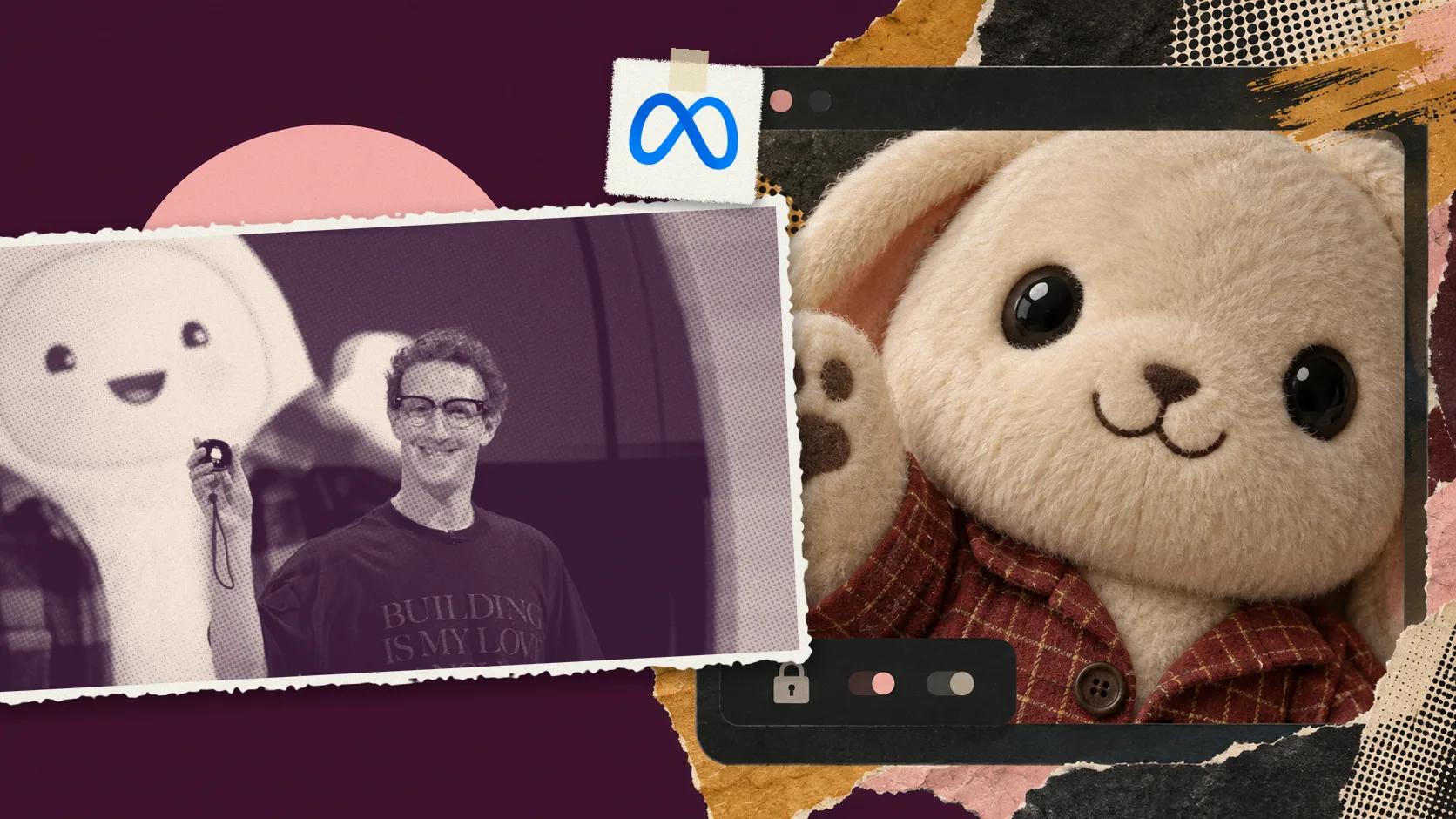

Meta launched the Muse app, which rocketed to the top of the app charts due to its ability to complete digital tasks. Its mascot, Jolly, latched this agent onto the cultural zeitgeist. Alexandr Wang, Meta's chief AI officer, posted nonstop memes of Jolly, sometimes in suggestive situations. Muse is restricted to those 18 and over, yet it looks just like a well-designed children's toy.
Daniel Roberts, a Meta spokesperson, told WIRED that people want to create their own avatar with personality and unique style because it is fun and brings them joy. Roberts noted that Meta requires everyone using the Muse app to provide their date of birth. The company blocks people detected as under 18 from creating an account and performs additional checks to verify adult status.
Mona Sarantakos, vice president of Product Management at Meta Superintelligence Labs, described the design process in a co-authored blog post. She wrote that the team leaned into delightful elements to feel less awkward than chatting with a corporate logo or entity. However, youth advocates are already pushing back against the mascot.
Youth advocates push back against the mascot
Josh Golin, executive director at Fairplay, compared the character to a Teletubby. He stated that the rounded shapes particularly appeal to kids in the preschool age, calling it a character that would appeal to very young children. Golin previously lobbied against Meta's targeting of children.
Julian De Freitas, an associate professor of marketing at Harvard who focuses on AI companions, noted that cute factors can make a product seem warm and less threatening. He stated that Meta faces a high bar because attitudes toward the company are negative following social addiction rulings. In August, Meta settled claims regarding social media addiction by adding restrictive features for teens and paying out up to $16.7 billion.
Other experts compared Muse's mascot to Japan's history of using adorable characters to market technology. Meta is not unique in using anthropomorphized characters for AI assistants, joining examples like Microsoft's Clippy and the red-shelled OpenClaw lobster. Jathan Sadowski, an associate professor at Australia's Monash University, stated that cute design features can make people drop their guard and stop asking critical questions.
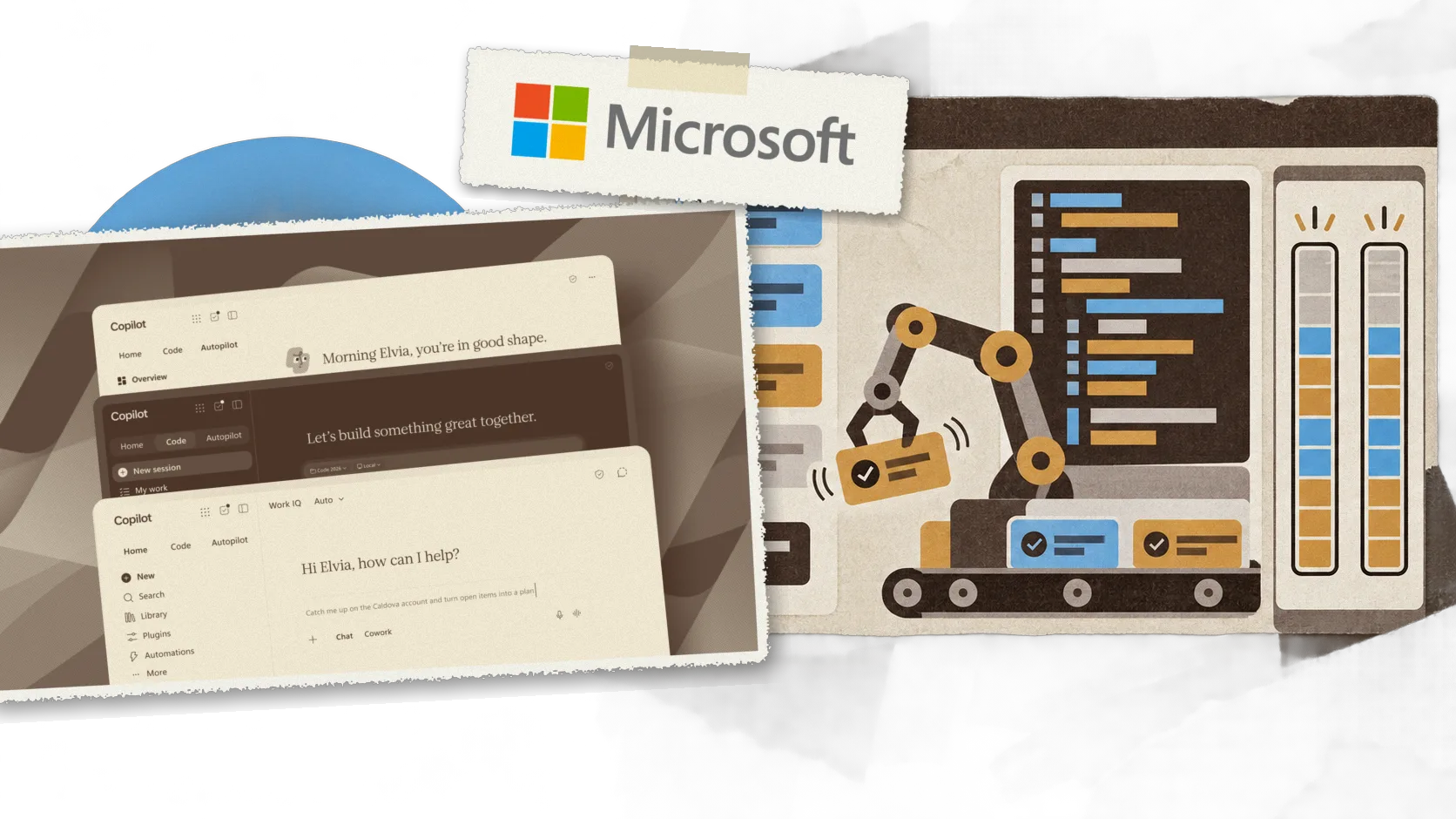 Read nextMicrosoft Launches Unified Copilot App with Enterprise Focus and New Pricing
Meta trains AI models on Muse interactions
Meta trains its AI models on user interactions with Muse unless users opt out. Sadowski stated that agents are trying to convince users they are a cute pocket companion rather than an open portal into a major surveillance company. Research suggests that adopting AI agents could make users more passive.
Meta stated it will release a confidential version of its virtual machine powering Muse later in 2026. This option could cryptographically and verifiably prevent Meta from accessing user data. Ryan Calo, a professor at the University of Washington, compared using AI agents to hiring a tour guide without knowing who pays them kickbacks.
Meta plans to launch Muse Charm, a Tamagotchi-like device, as the holidays approach. Youth advocates remain on red alert regarding the new hardware. Golin stated that the device feels like an inappropriate attempt to get young kids hooked on Muse and called for families and regulators to take a hard look at it.