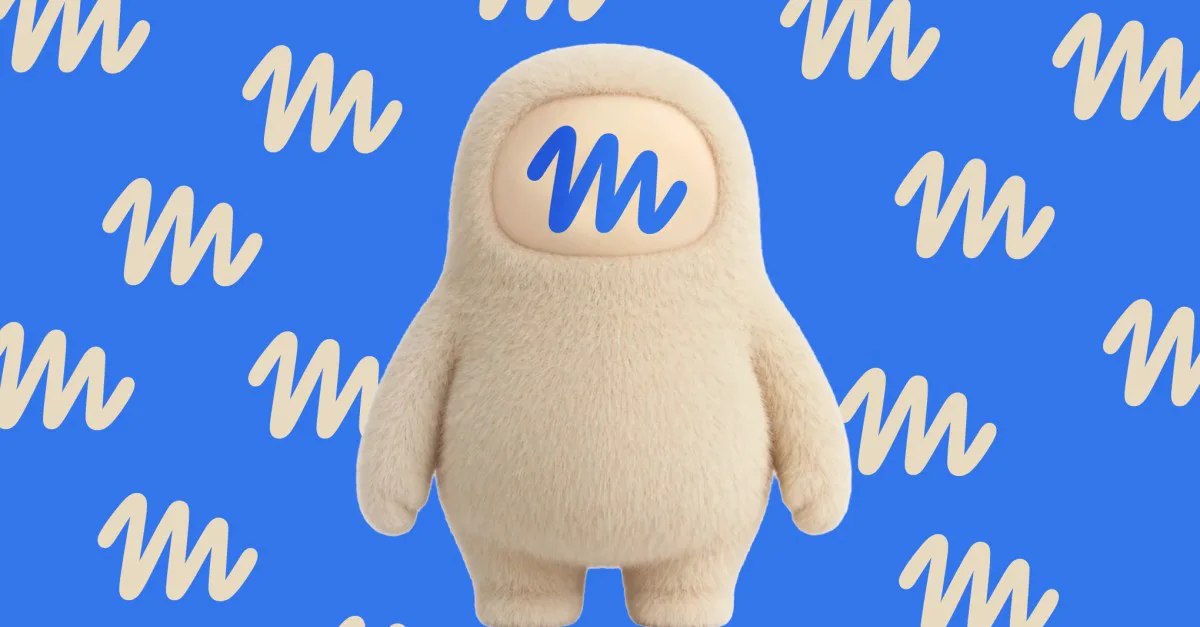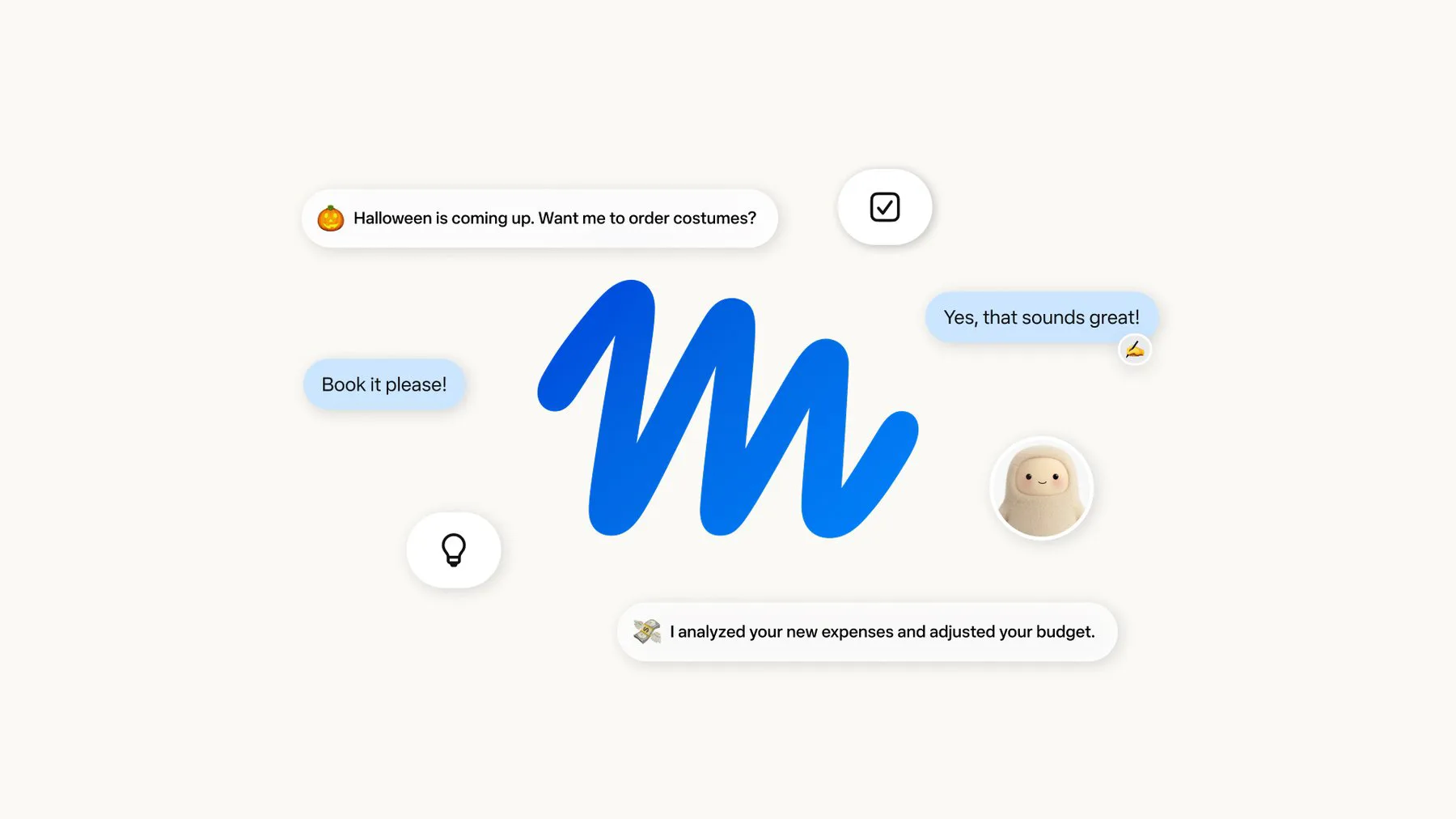

Meta launched its personal AI agent Muse on September 8. The app drew more than 500,000 users in its first week.
Internal data cited by The Information shows more than 250,000 daily active users. These users entered more than two million prompts during that timeframe.
Muse operates as a standalone app in the US and integrates through WhatsApp. It reached the number one spot in Apple's App Store with over 31,000 ratings.
The agent handles routine tasks for users. Examples include researching and booking trips, finding deals, tracking expenses, and resolving scheduling conflicts.
Meta acknowledged that Muse borrows heavily from the open source project OpenClaw. Nat Friedman serves as head of product at Meta Superintelligence Labs and former GitHub CEO.
Friedman wrote on X that Muse is definitely heavily inspired as a product by OpenClaw but was built from scratch. His team fell in love with OpenClaw and wanted to build something similar that could scale to billions of people. He described OpenClaw creator Peter Steinberger as a genius.
Users on X previously pointed out that Muse uses several identical file names and nearly identical contents as OpenClaw. One instance is a file named SOUL.md. This text file defines an AI agent's personality, communication style, and behavioral rules.
Ansh Nanda is the co-founder of an AI app. Nanda claimed in a viral post that Muse is literally OpenClaw for normies. When asked about the matching file names and contents, Friedman responded that his team thought Peter Steinberger got those things exactly right.
TechCrunch reported that this strategy aligns with Meta's history of identifying promising products and adopting their best features. A primary historical example is Meta adopting the Stories format originally created by Snapchat.
TechCrunch noted that Muse even outperforms ChatGPT's early mobile launch when comparing platforms and market availability directly. OpenAI has discussed developing its own personal AI assistant in response to Muse, according to The Information.
The next known test for Muse is whether users will grant AI agents access to their personal data, accounts, and sensitive information, and whether early interest will convert into lasting use.