Yanxi Technology reveals Yansyn-X2 humanoid robot that cries on command
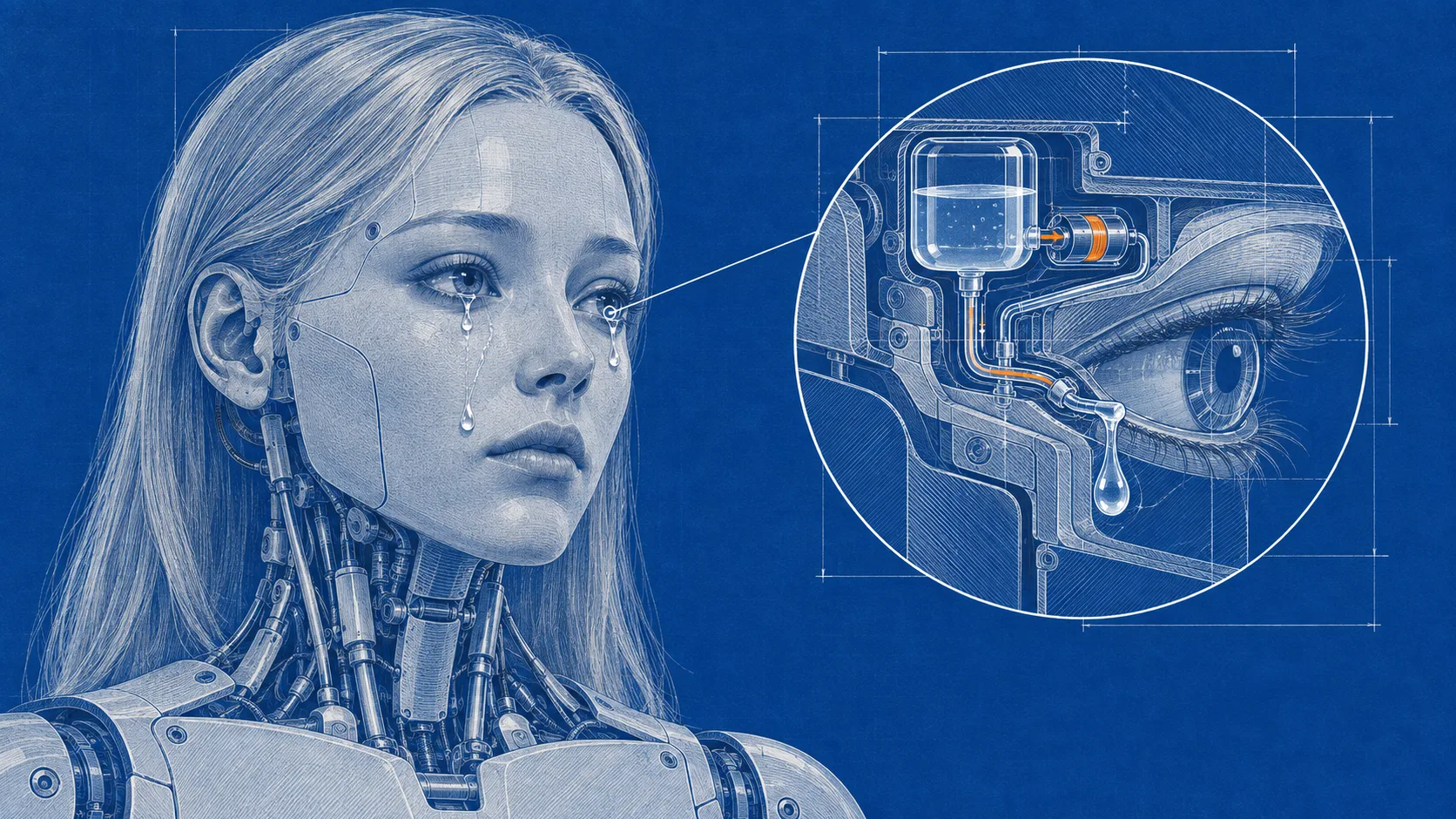
Yanxi Technology has unveiled the Yansyn-X2, a humanoid robot that can produce tears on command using a microfluidic system.
Theme
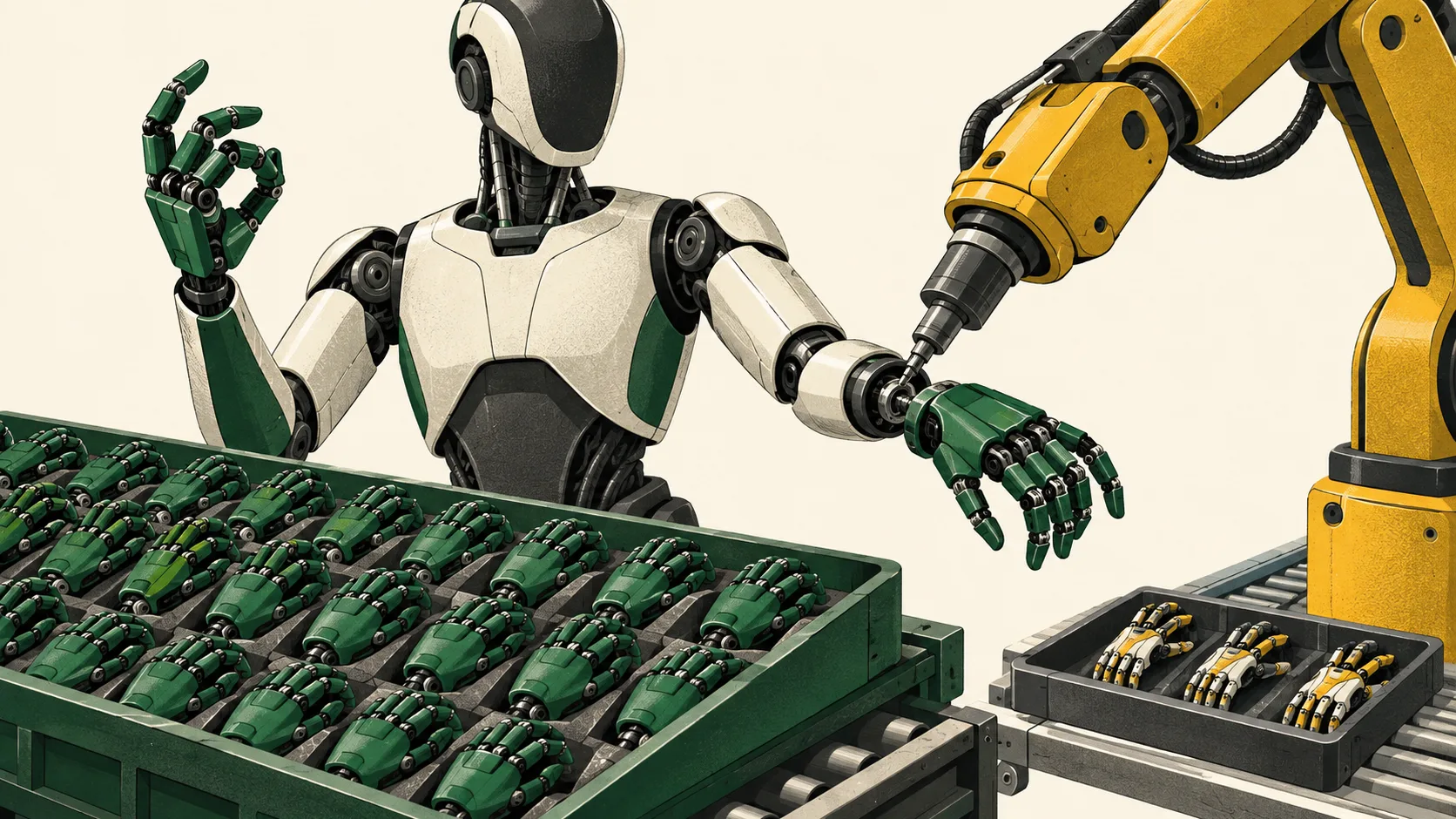
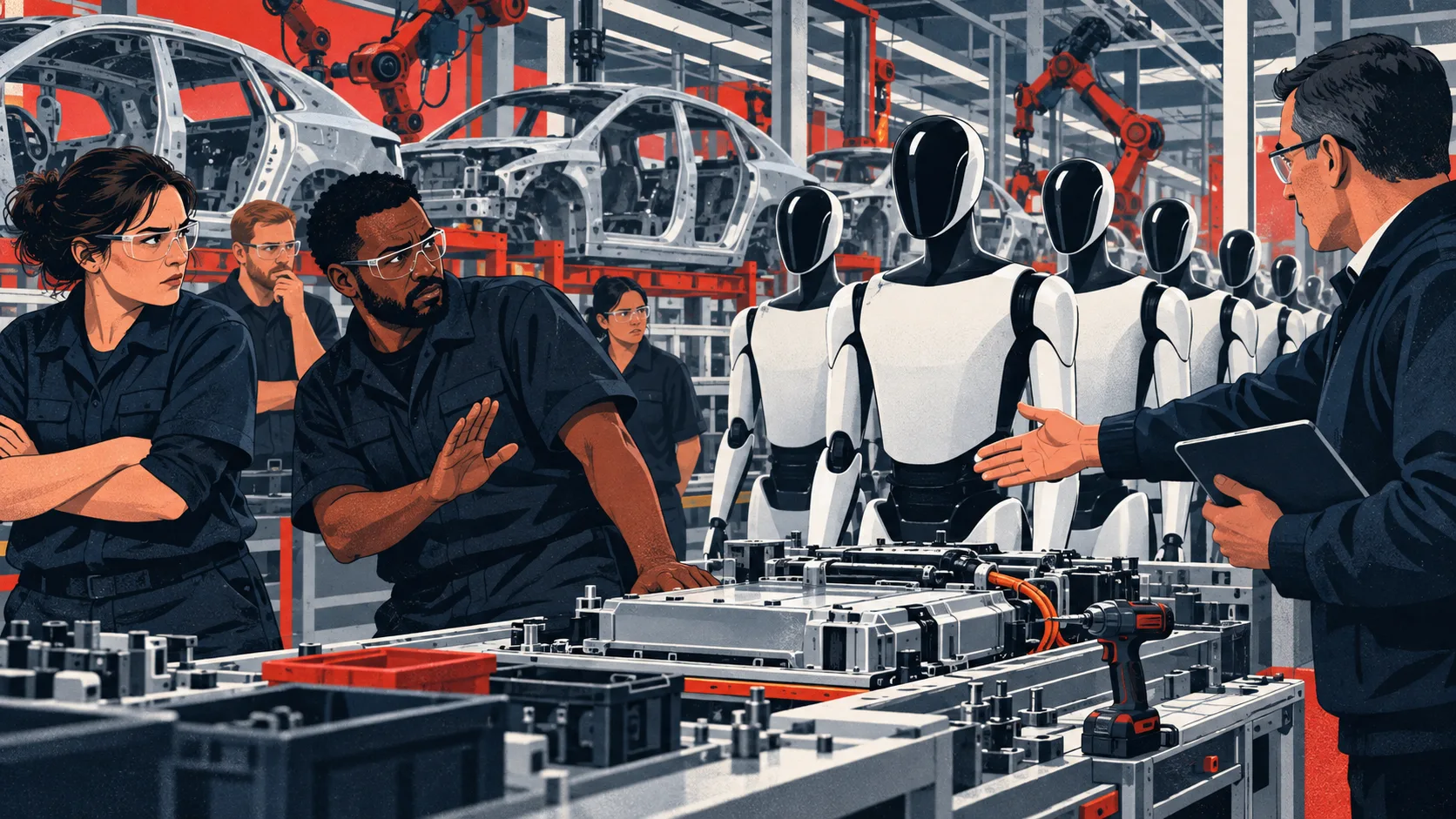
Humanoid robot development continues to advance in both physical capabilities and emotional expression. In recent developments, Yanxi Technology revealed the Yansyn-X2, a humanoid robot capable of crying on command. This static model utilizes an artificial intelligence algorithm, bionic components, and a microfluidic system to produce tears, while also performing head turns, person tracking, and gesturing to make human-robot interactions feel more natural. Meanwhile, the global supply chain for humanoid robot components shows a strong geographical concentration. During the first half of 2026, Chinese firms dominated the market by supplying 96 percent of all dexterous hand shipments for humanoid robots. These Chinese manufacturers typically sell dexterous hands as standalone components. In contrast, Western producers prefer custom, in-house designs. Although the Western share of the dexterous hand market stands at just 4 percent, this figure represents a fourfold increase since 2025, a trend largely driven by Figure AI. Additionally, labor dynamics are shifting as technology progresses, highlighted by Tesla workers pushing back against training the Optimus robots that are intended to replace them. These events highlight the rapid technological, supply chain, and labor developments currently shaping the humanoid robotics industry.
3 stories · Updated
Yanxi Technology has unveiled the Yansyn-X2, a humanoid robot that can produce tears on command using a microfluidic system.
Chinese firms supplied nearly all dexterous hands for humanoid robots in early 2026, but Western players are starting to close in.
Tesla faces manufacturing challenges and employee pushback while attempting to scale production of its Optimus humanoid robot.