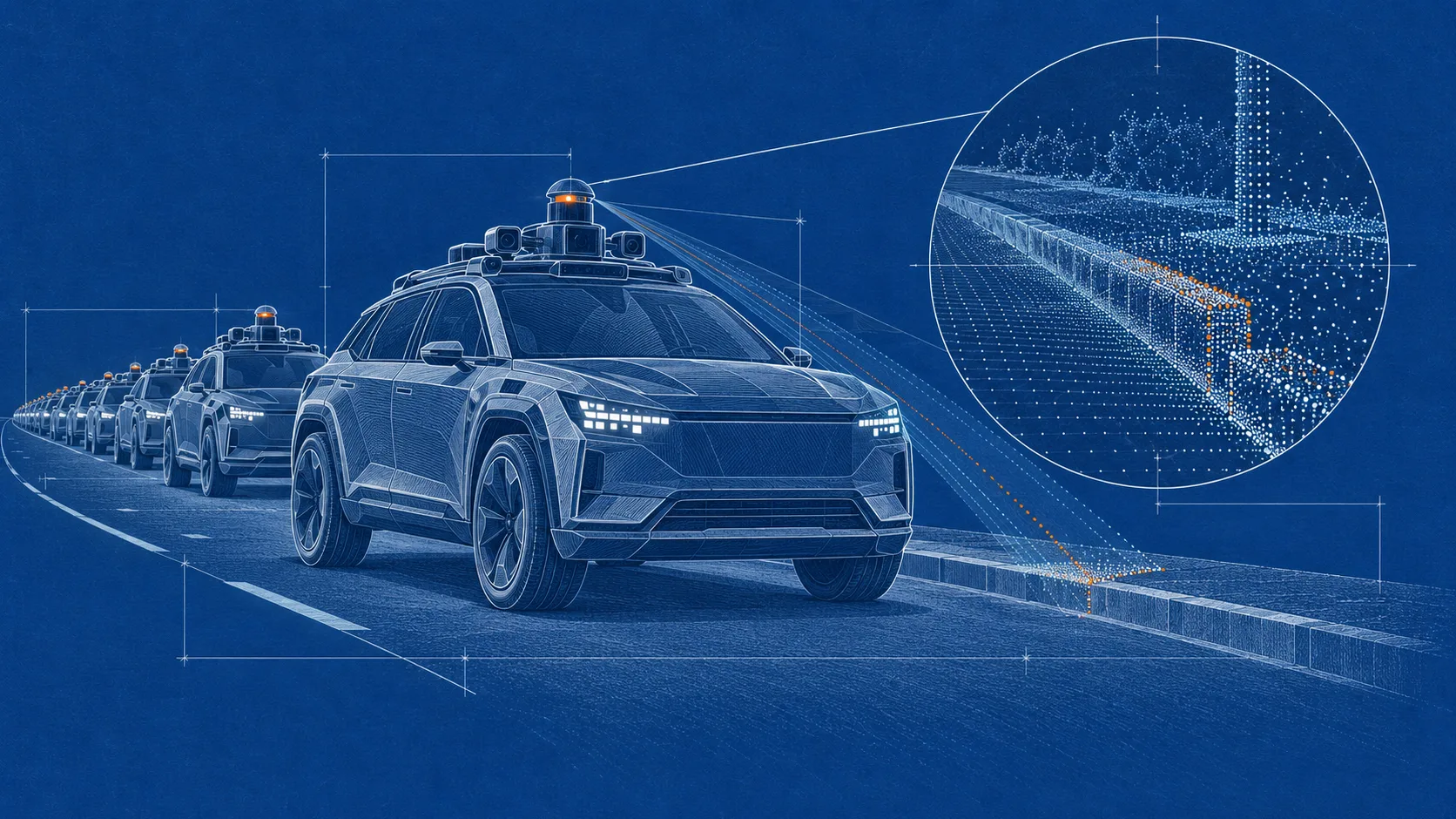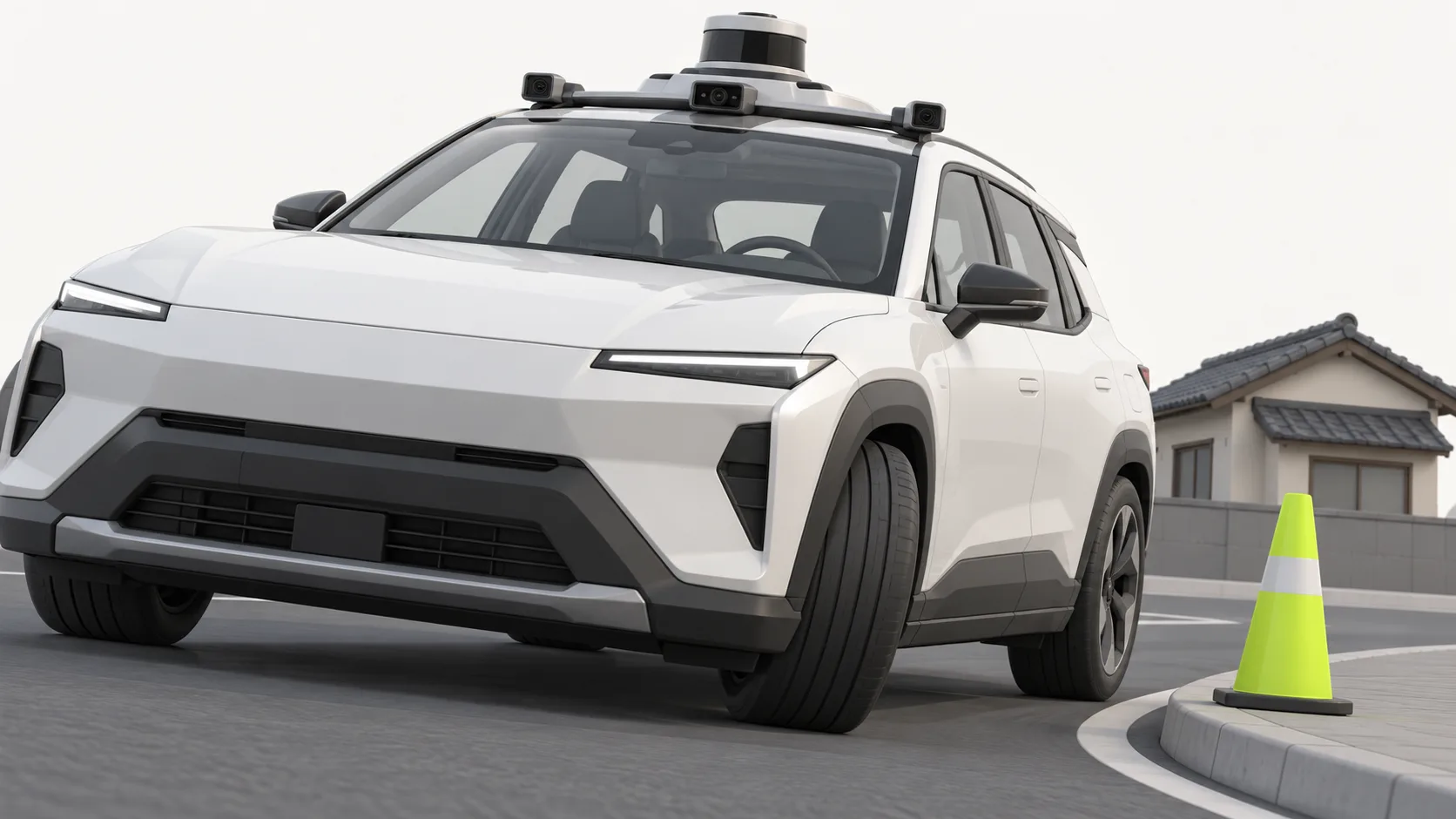
Waymo and Toyota plan autonomous bZ4X tests in Japan in 2027
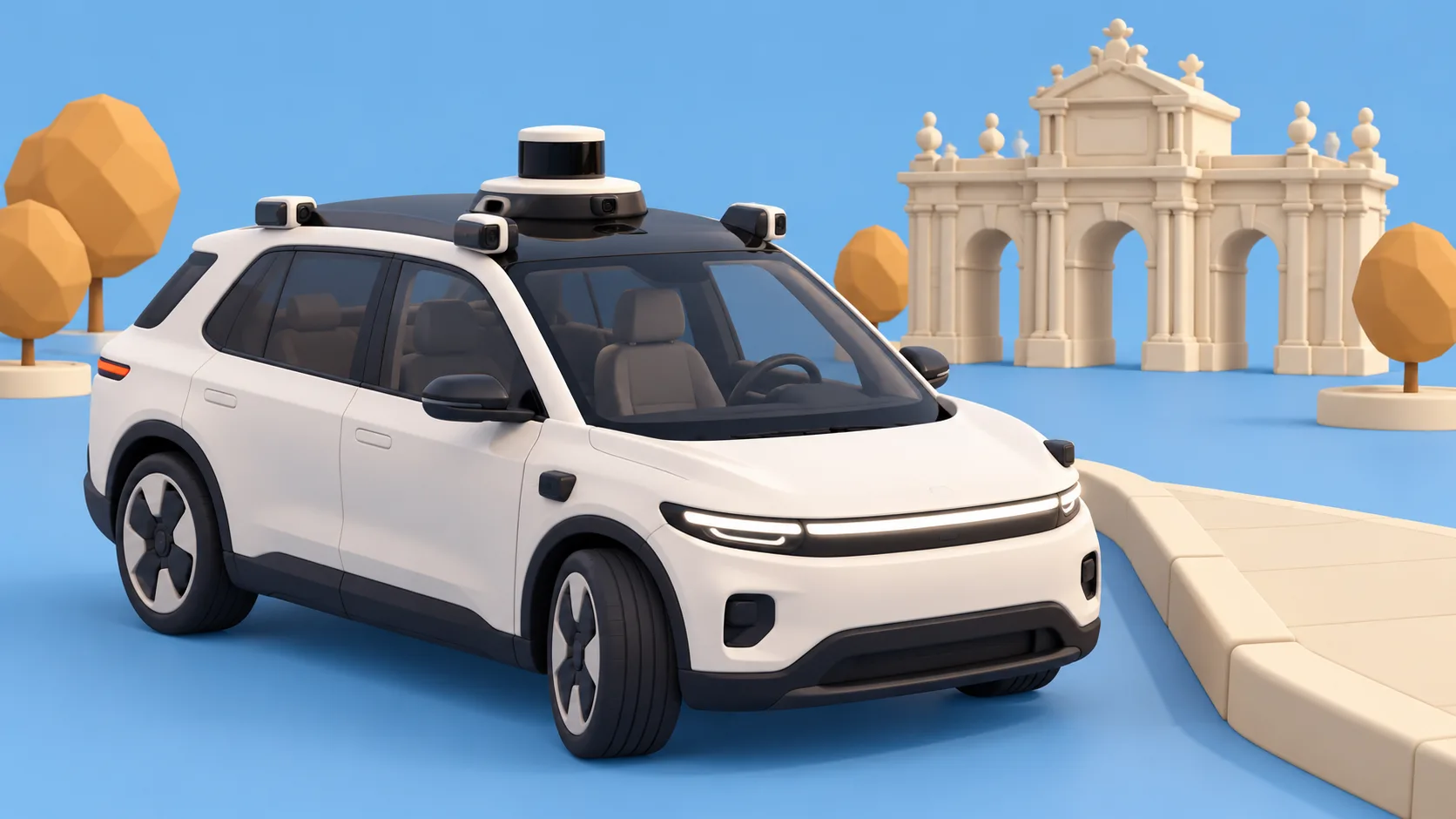
Waymo and Toyota plan to test an autonomous bZ4X fleet in Japan in 2027, with deployment to the United Kingdom and other markets planned for later years.
Theme
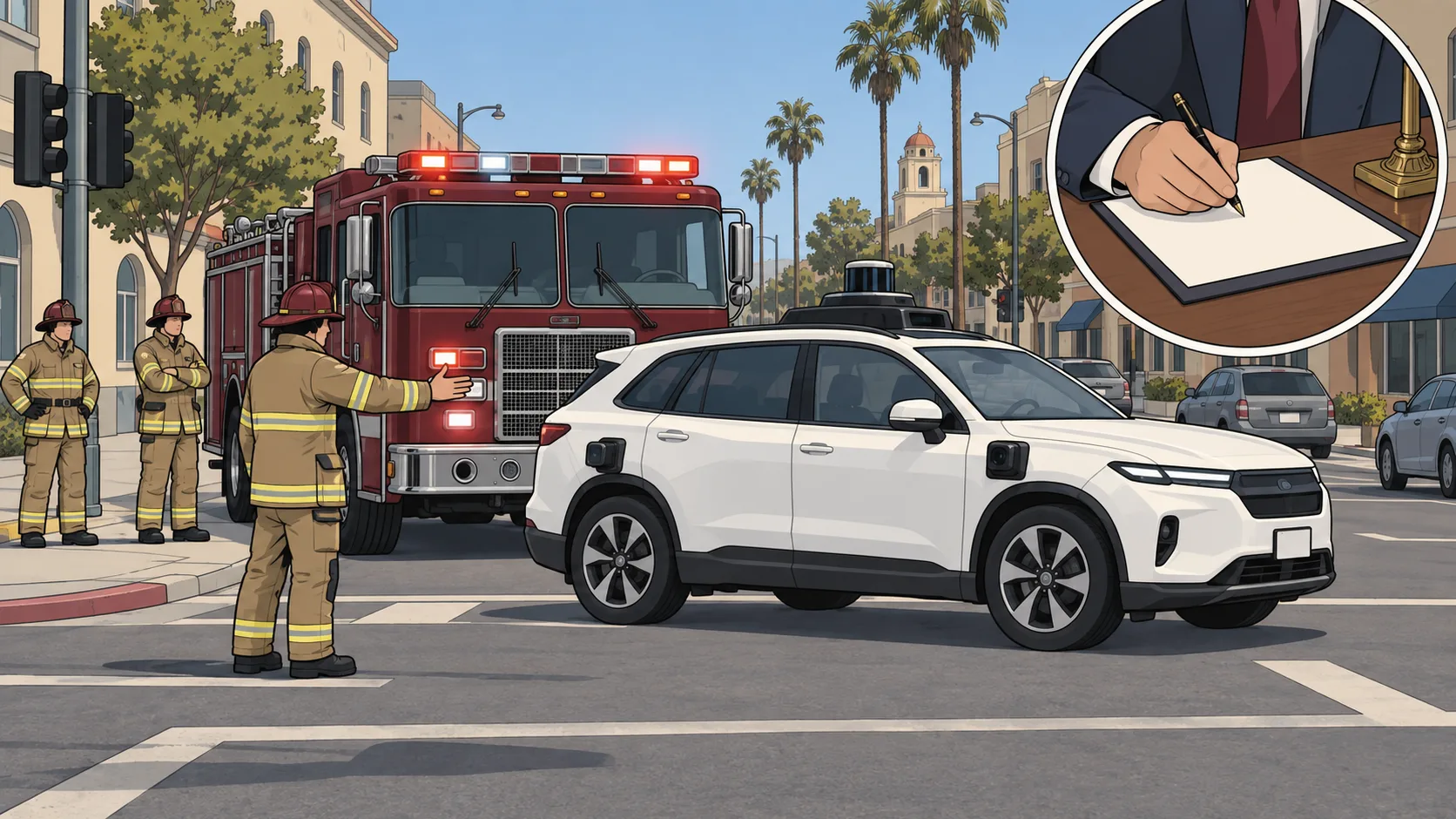
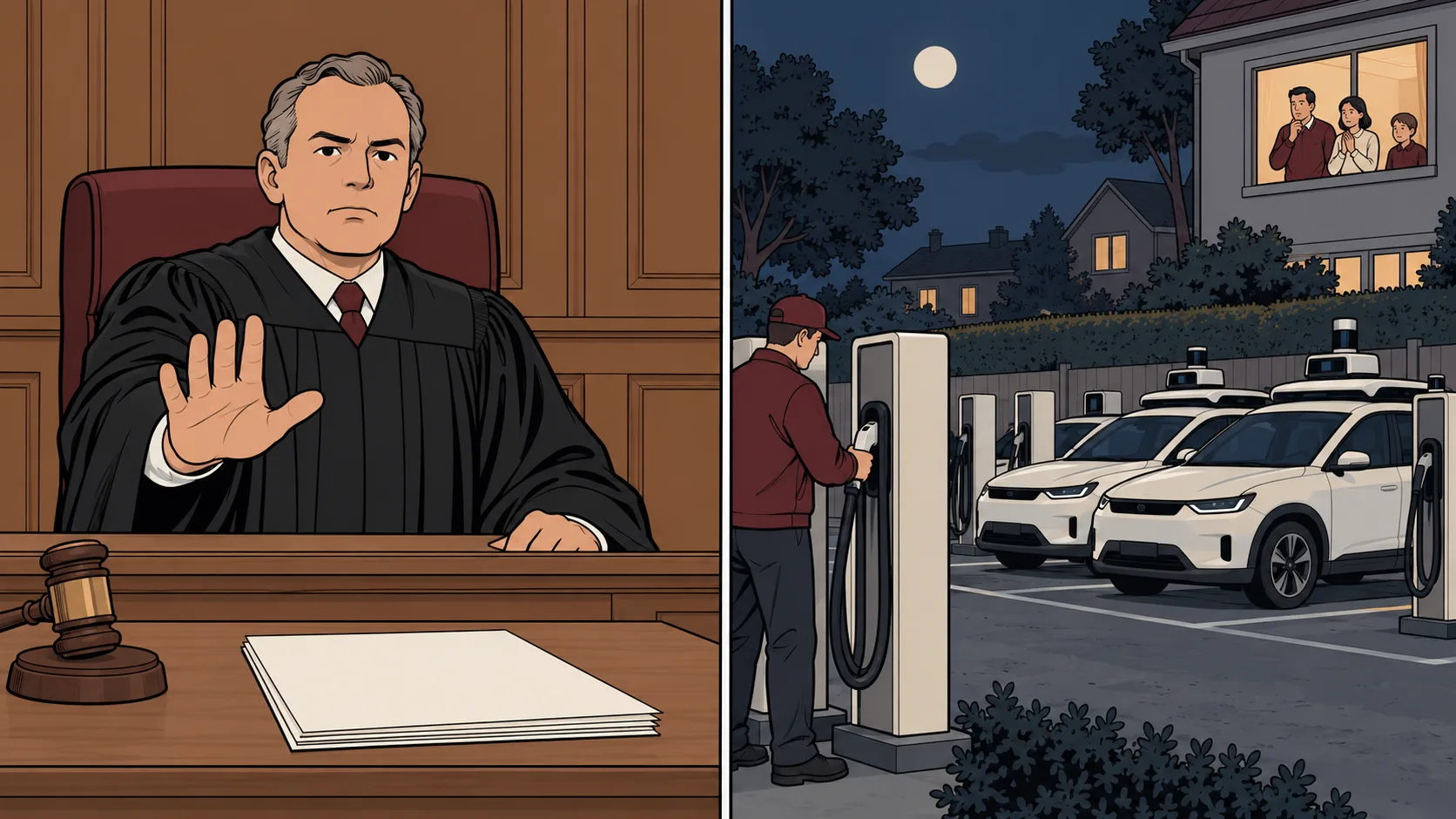
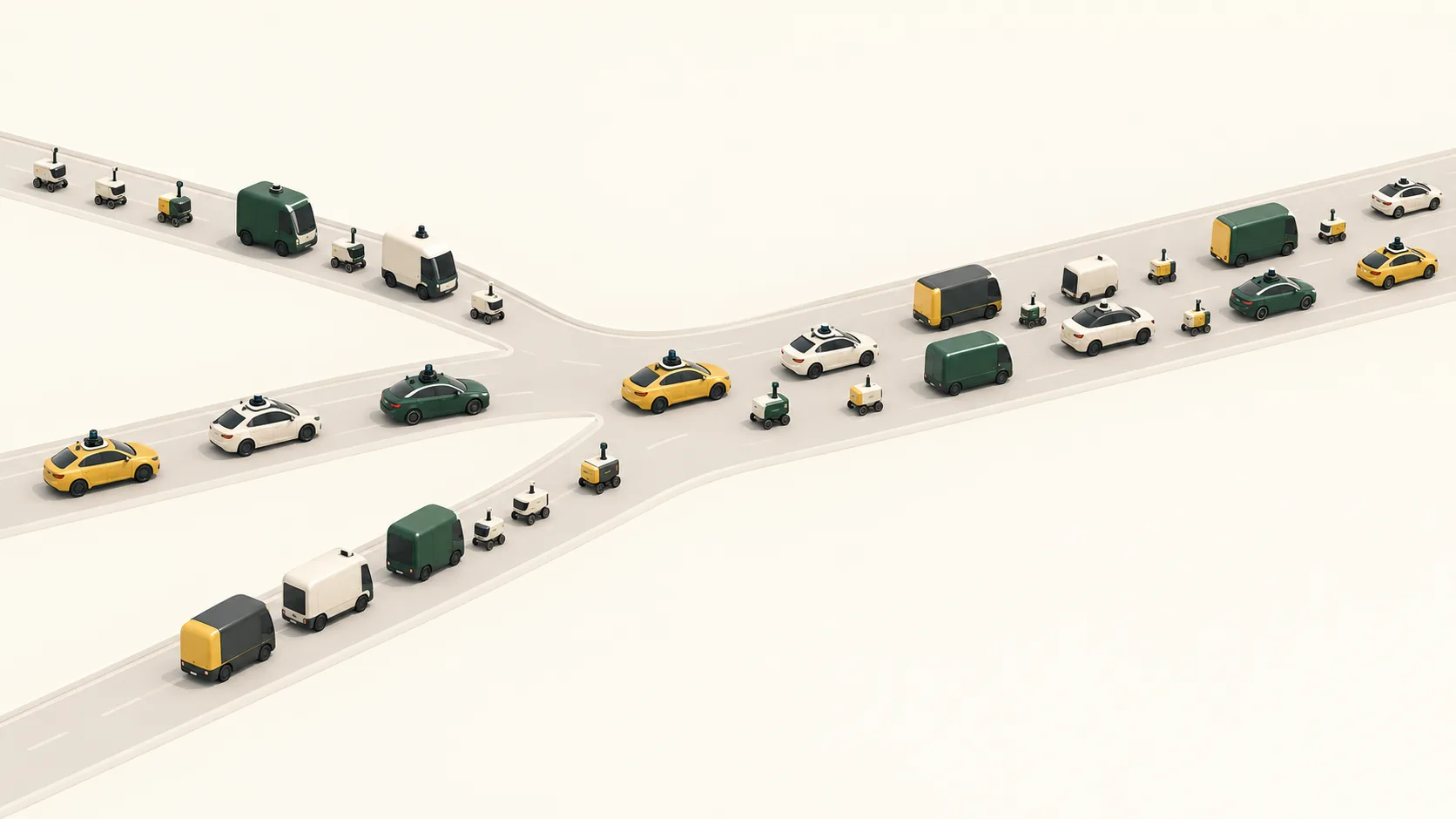
Autonomous vehicles represent a rapidly evolving sector in transportation technology, but they face increasing regulatory scrutiny and operational adjustments. Currently, major companies are expanding their networks and testing capabilities while navigating local legal challenges. In October 2026, California Governor Gavin Newsom signed Senate Bill 1246, which regulates autonomous vehicle operations. Under this new law, which takes effect in July 2028, robotaxi operators face fines if their vehicles block first responders for more than 30 minutes. The legislation also mandates that autonomous vehicle companies provide local on-the-ground support. This development follows other regional challenges, such as a court ruling in August 2026 that halted Waymo's overnight charging operations in Santa Monica. Meanwhile, industry players continue to scale their infrastructure. Uber is actively building an autonomous vehicle network, establishing partnerships with more than 30 partners. To support its expansion and technology development, Uber is also deploying 500 data-collection vehicles on the road during 2026. These combined efforts highlight a landscape where rapid technological deployment and partnership building coexist with tightening municipal and state-level oversight.
6 stories · Updated
Waymo and Toyota plan to test an autonomous bZ4X fleet in Japan in 2027, with deployment to the United Kingdom and other markets planned for later years.
Waymo plans to bring fully autonomous rides to Spain, starting in the Madrid region, and aims to welcome its first riders in 2027.
California Governor Gavin Newsom signed Senate Bill 1246 to penalize autonomous vehicle operators that obstruct emergency responders.
A judge has temporarily barred Waymo from operating two Santa Monica charging sites overnight after residents complained about persistent noise and traffic.
Uber has replaced its in-house self-driving program with a global network of robotaxi, delivery, fleet, and technology partners.
The modified Ioniq 5 will be loaded with sensors to capture data for Uber's new AV Labs division.