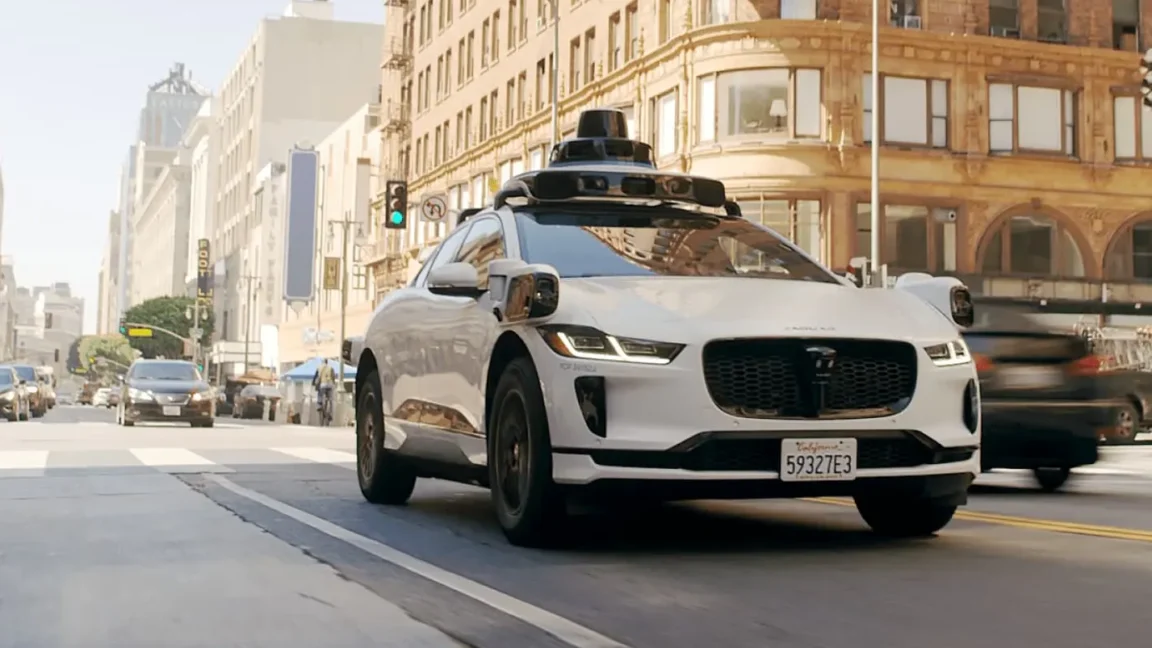

Waymo must stop overnight operations at two vehicle charging facilities in Santa Monica, California, while a public nuisance lawsuit moves through court. Los Angeles Superior Court Judge Bradley S. Phillips granted the city’s request for a preliminary injunction, restricting activity at the sites between 11 p.m. and 6 a.m.
The order covers Waymo facilities on Broadway at 12th Street and Euclid Street. Both locations sit near homes, apartment buildings, and a private school. Residents have complained for more than a year about vehicle movements, warning sounds, lights, and traffic around the sites, particularly during late-night hours.
Noise complaints became a legal dispute
Waymo began using the charging facilities in January 2025. According to the city and nearby residents, autonomous vehicles repeatedly entered and left the lots throughout the night. Complaints focused on reversing alerts, low-speed electric vehicle sounds, acceleration and braking, headlights, and congestion in surrounding streets and alleys.
Santa Monica previously directed the company to halt overnight operations. The disagreement escalated into litigation in November 2025, when the city sued Waymo. The company later filed a countersuit. The city argued that the continuing activity interfered with residents’ ability to sleep and amounted to a public nuisance.
The preliminary injunction gives residents immediate relief while the underlying case continues. Santa Monica Mayor Caroline Torosis said the ruling validated complaints neighbors had raised for more than a year. Residents interviewed after the order took effect said the area had become noticeably quieter overnight.
 Read nextAI Voice Startup ElevenLabs Reaches $22B Valuation
Waymo has appealed
The judge’s order is not a final ruling on the lawsuit. It temporarily limits the charging sites while the court considers the broader dispute. Waymo has appealed the decision, and the next hearing is scheduled for October 2026.
The case illustrates a practical challenge for autonomous vehicle services as their fleets expand. Driverless cars still depend on physical depots for charging, cleaning, maintenance, and dispatch. Those operations can create concentrated traffic and noise even when the vehicles themselves are electric.
The dispute also shows why depot placement may become a planning issue rather than only an operational choice. Fleet operators need sites close enough to service areas to limit empty travel, while residents and cities may demand restrictions on overnight vehicle movement, lighting, and warning sounds.
For cities, the question is no longer limited to whether autonomous vehicles can safely use public roads. Local governments must also decide where large fleets can be serviced and how their support facilities should operate near homes. Santa Monica’s case could influence how other communities regulate robotaxi depots, especially when round-the-clock fleet activity conflicts with residential land use.