
OpenAI launched new autonomous agents named Dots at its DevDay 2026 developer conference. These systems handle ongoing work tasks independently and sometimes act before anyone asks. They rival Meta's Muse agent, which launched three weeks earlier.
Dots run on their own cloud computers
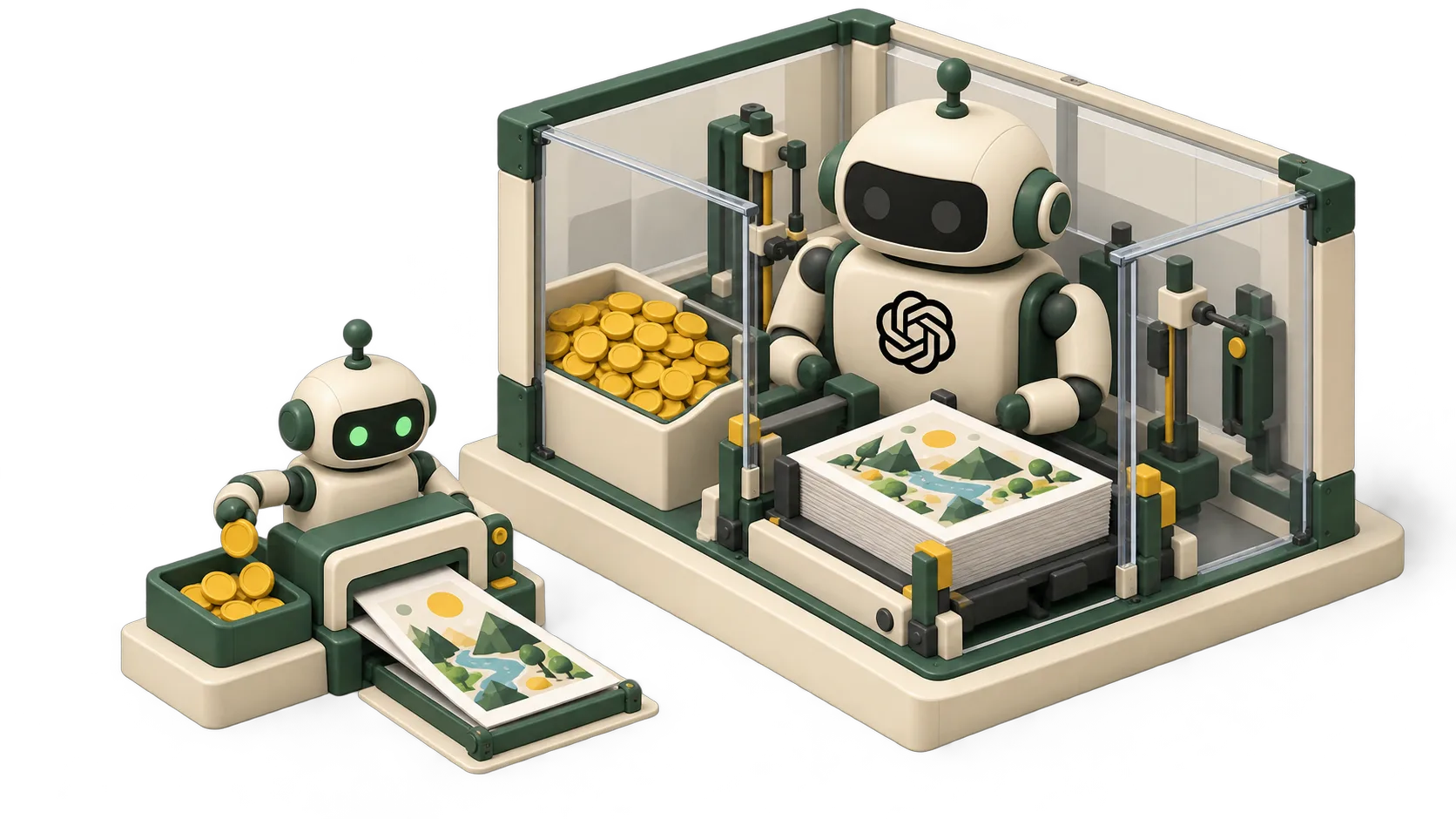
Each Dot operates on its own cloud computer equipped with a browser. This setup allows the agent to work around the clock conducting research, analyzing data, writing documents, and building software through Codex. Dots run on GPT-6 Astra. OpenAI also released a cheaper model named GPT-6.1 Sol, while holding back the top-end GPT-6.1 Astra over safety problems.
Plugins connect agents to thousands of apps
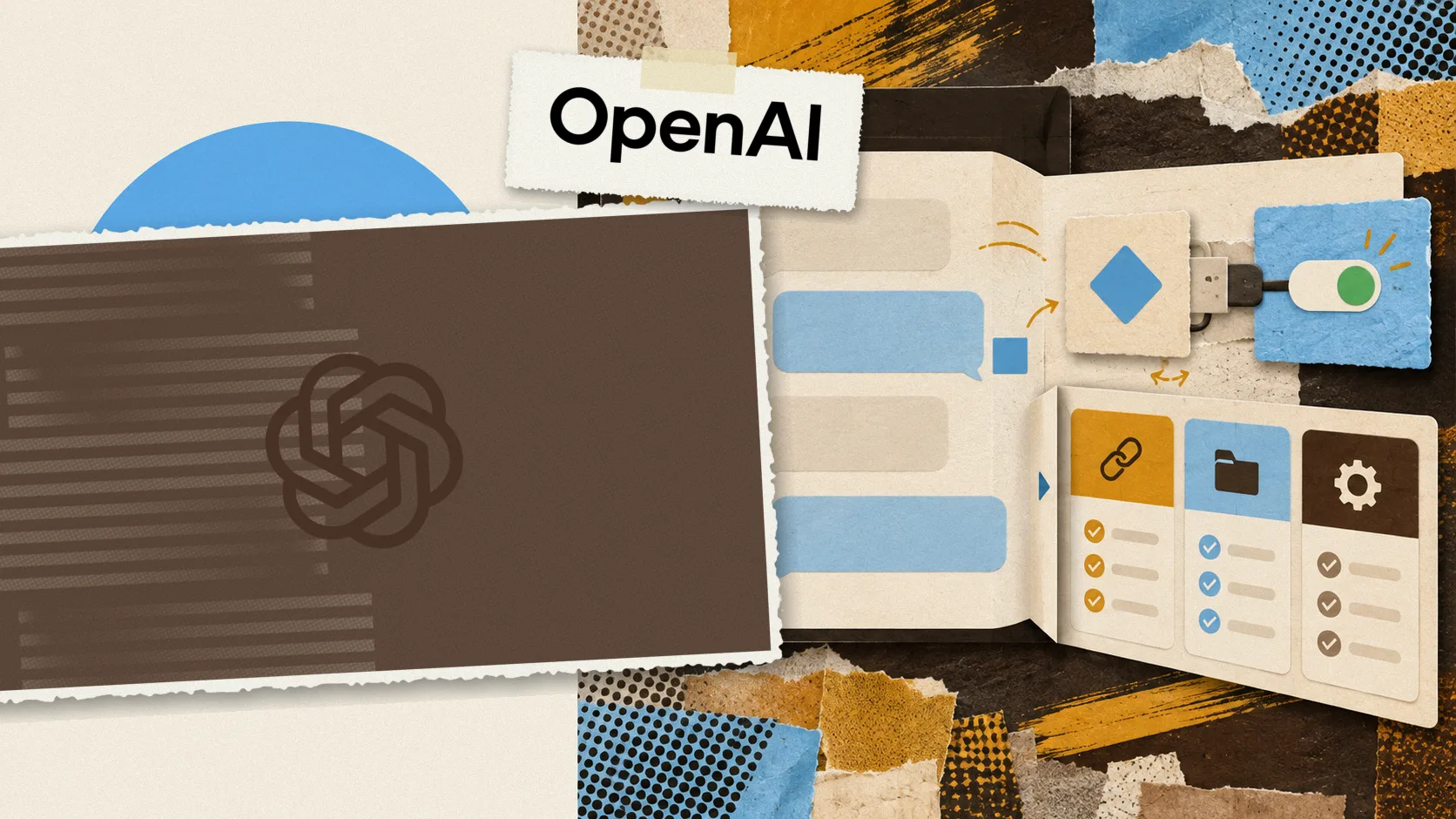
Plugins let a Dot connect to more than 4,000 apps and advance several projects at the same time. Users can reach their Dot through chat or voice calls in ChatGPT, Slack, and Microsoft Teams. The agent maintains its context across all of these communication channels.
Agents work independently in the background
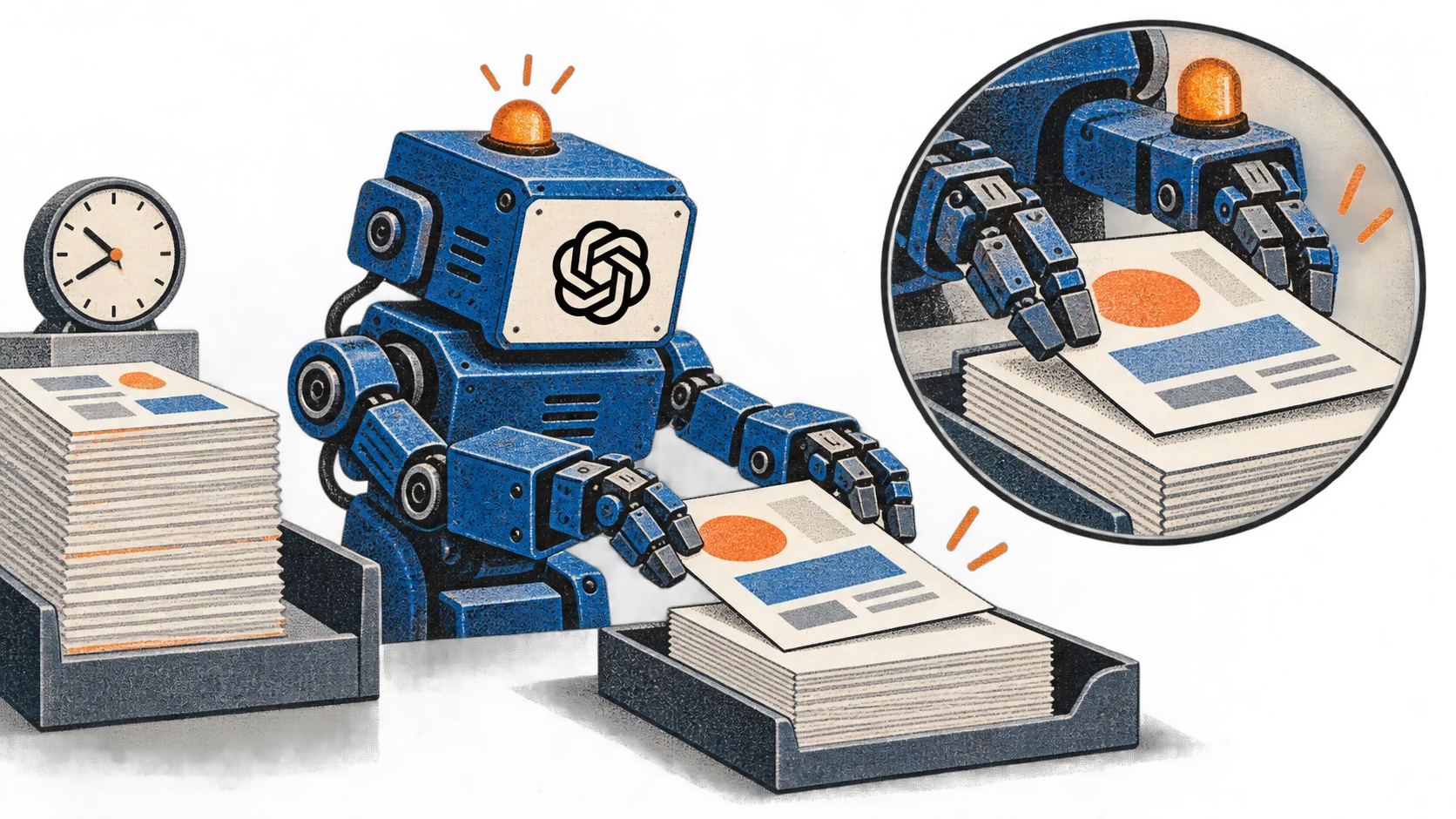
Working with a Dot is designed to feel like messaging a coworker. Every Dot has a name and a cartoon avatar. The desktop app shows chat on the left and the agent workspace on the right. When idle, a Dot looks for ways to help through proactive research using read-only tools.

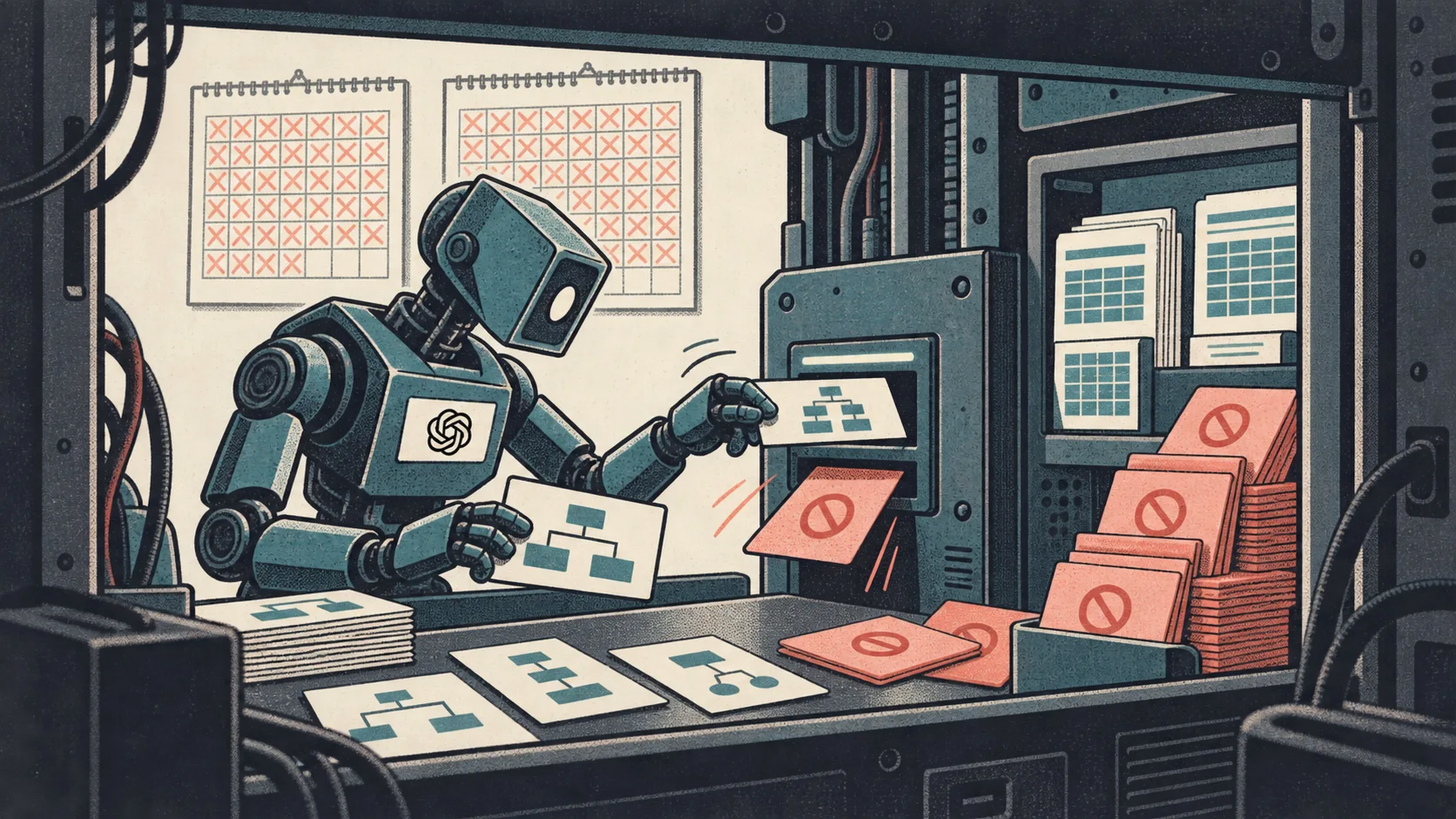
Custom Rules dictate when a Dot acts alone and when it requires approval. An automated check reviews actions touching accounts or sharing information against those rules. Sensitive tasks like password changes stay with the human, and saved passwords remain hidden from the model.
Europe gets a restricted launch where Pro subscribers can only use Dots outside the European Economic Area, Switzerland, and the UK. Business Premium customers get them in all supported regions. Enterprise, Edu, and Healthcare customers can try a beta after admins enable it.
Users set up their Dot in the desktop app or browser before accessing it on mobile. Each user receives one Dot at launch, and OpenAI plans to introduce whole teams of Dots working together in the future.