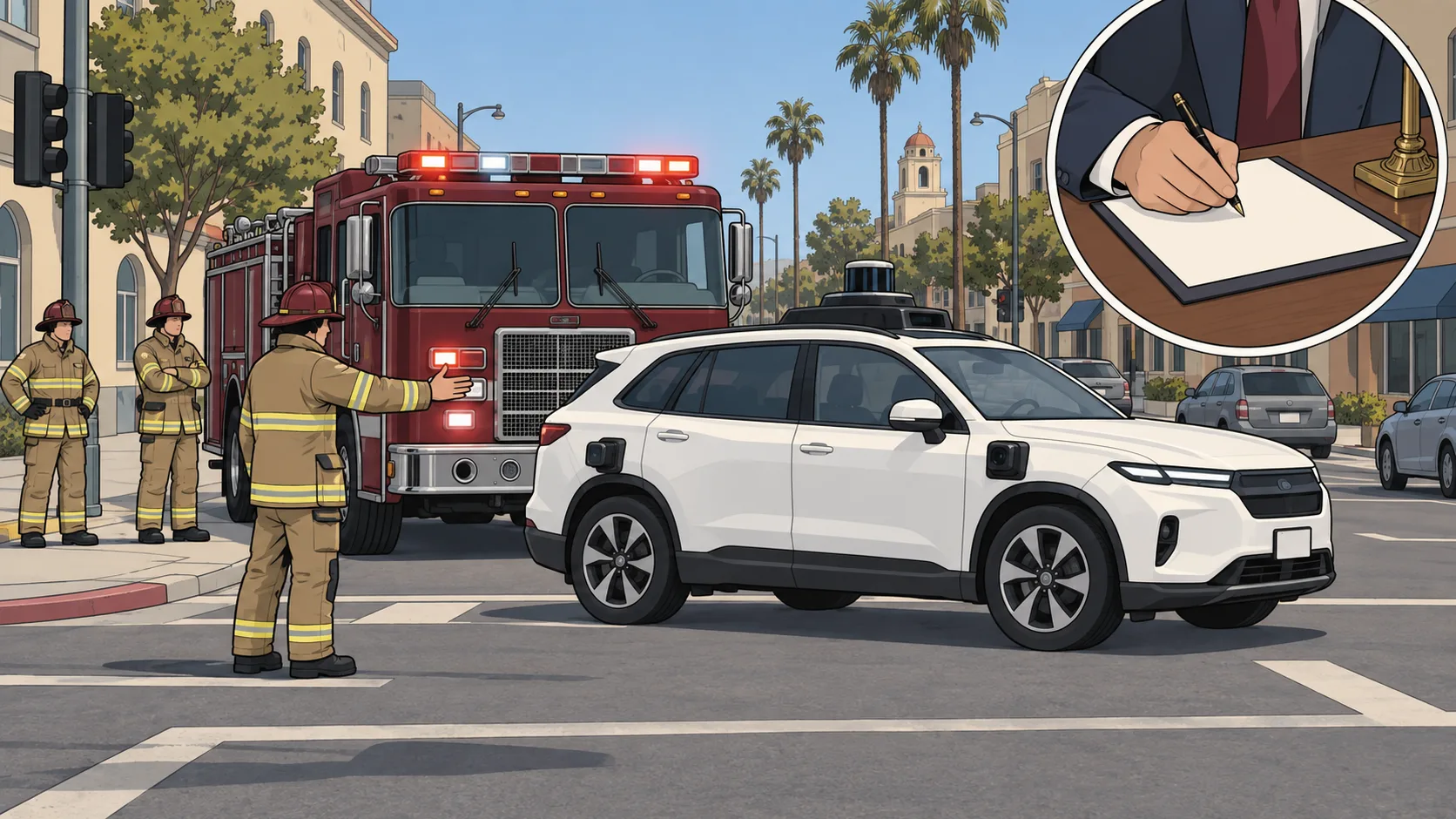

California Governor Gavin Newsom signed Senate Bill 1246 into law. The legislation targets autonomous vehicle developers like Tesla, Waymo, and Zoox. These companies must now provide local, on-the-ground support when their robotaxis cause disruptions.
The law establishes rules to improve safety and response times. Companies face penalties if a robotaxi blocks police or firefighters for more than 30 minutes. This legislation follows several high-profile incidents across California where driverless vehicles broke down, drove into crime scenes, or impeded emergency crews.
Waymo led the bulk of the disruptions
Waymo stands as the largest robotaxi operator in the United States. The company runs a commercial fleet of roughly 4,000 autonomous vehicles nationwide, with about 1,200 located in the San Francisco Bay Area. A TechCrunch investigation showed that Waymo relied on first responders to manually drive its vehicles during problems.
Those events led state and federal lawmakers to demand stricter rules. The National Highway Traffic Safety Administration sent a letter to developers demanding solutions. State Senator Dave Cortese introduced the new bill to address these issues.
Remote drivers must hold US licenses
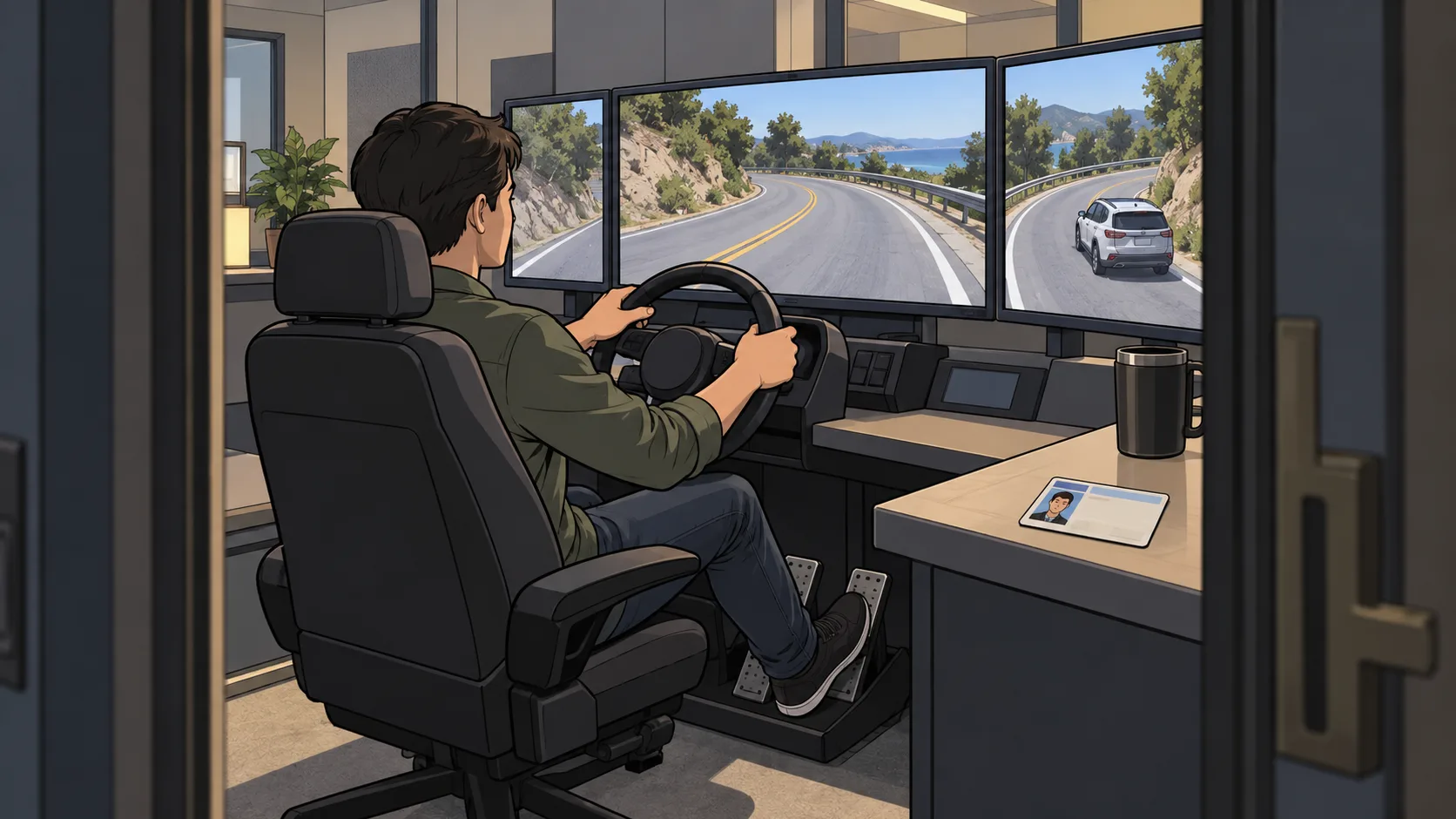
Under the legislation, AV developers can only use remote drivers based in the United States who hold a U.S. driver's license. The term remote driver refers to a human who directly operates the vehicle from afar. Tesla stands as the only company that has publicly stated it uses remote operators for direct control.
Other companies utilize different methods. Waymo uses remote assistance where the self-driving system stays in control while employees provide guidance. Waymo maintains a global network of remote assistance staff in places like the Philippines and operates command centers in Arizona and Michigan. Zoox bases its remote operations teams in the United States according to the company.
 Read nextCalifornia Bans Companies From Relying on AI to Fire Workers
Local jurisdictions will receive outage alerts
The law requires AV companies to notify cities and towns about vehicle locations during system-wide failures. Companies must supply local incident technicians to assist with accidents and obstructions. Both Waymo and Zoox stated they will comply with the new rules.
The legislation takes effect in July 2028. The California Department of Motor Vehicles will establish guidelines on specific aspects of the law, including required response times.