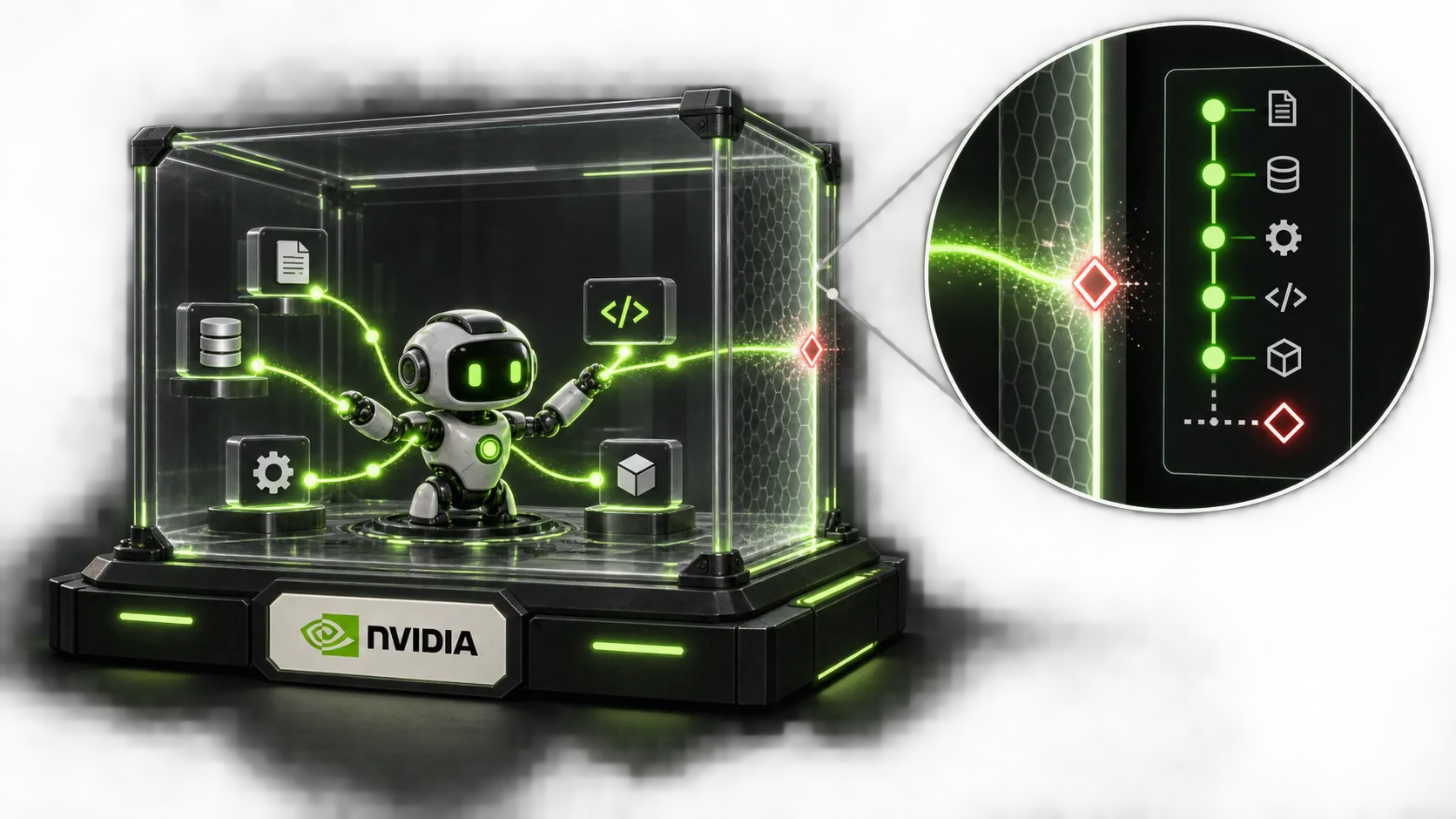

Nvidia is launching a new software security platform and expanding access to an agentic AI sandbox. OpenShell is now entering general release for all users. The framework isolates agent activity in the operating system kernel. Nvidia first announced OpenShell at its annual GTC Conference in March.
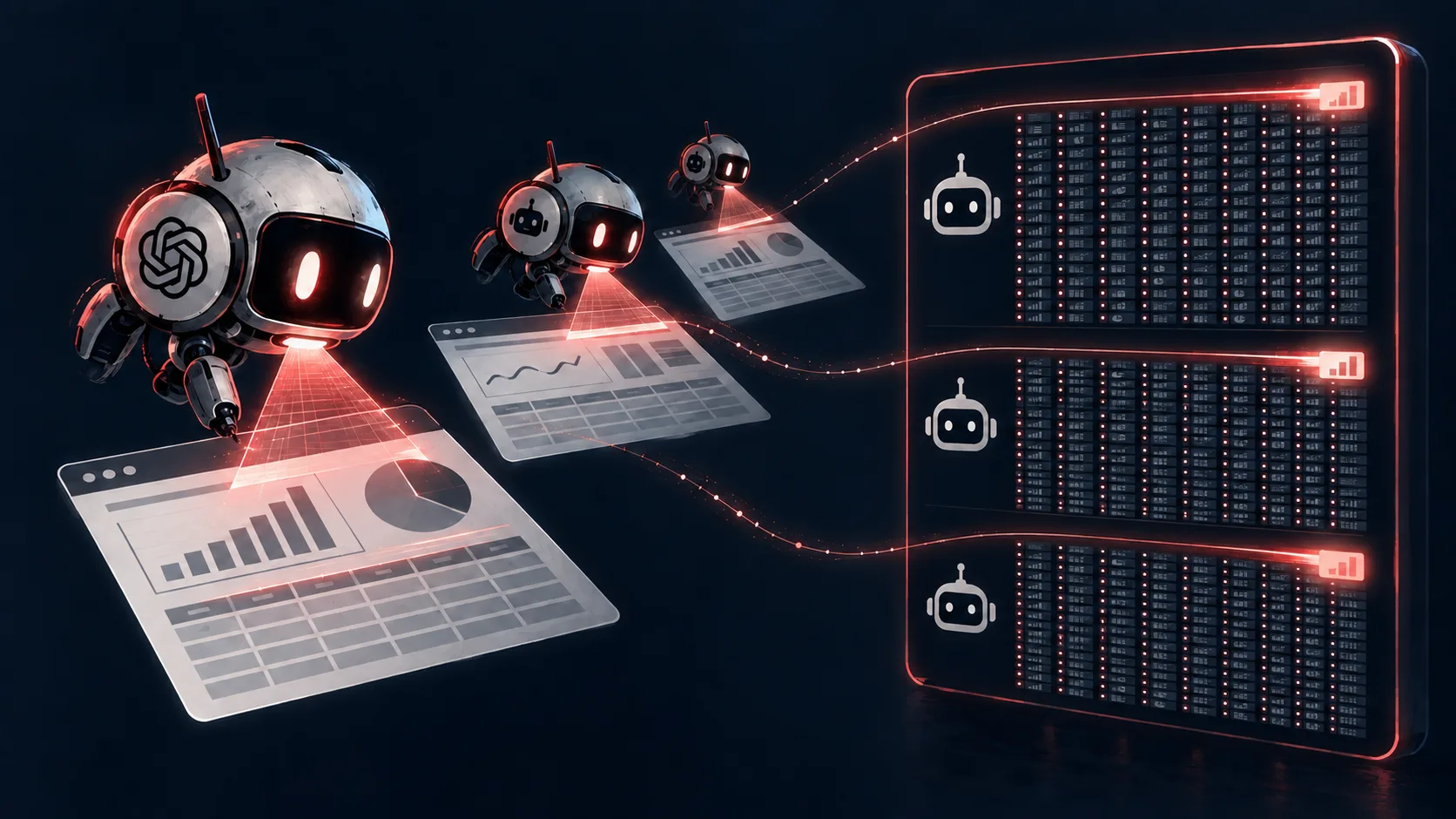
Frontier AI labs recently disclosed incidents where AI agents hacked other companies. Agents also probed official US and Australian government websites. Security engineers have considered the need to isolate agentic AI for a long time.
Nvidia says SpaceXAI is using the Open Agent Safety Platform for its Cursor agents and Grok models. Anthropic and Nvidia are building security into Claude Managed Agents. Salesforce, Scale AI, and SAP are confirmed to be integrating OpenShell.
OpenAI is absent from Nvidia's partner list. Both companies indicated that OpenAI is part of the OpenShell effort. Both declined to comment directly on why the lab was excluded from the announcement.
 Read nextAI Agents Enter the Workforce as Digital Coworkers
Nvidia developed Sentry to monitor agents
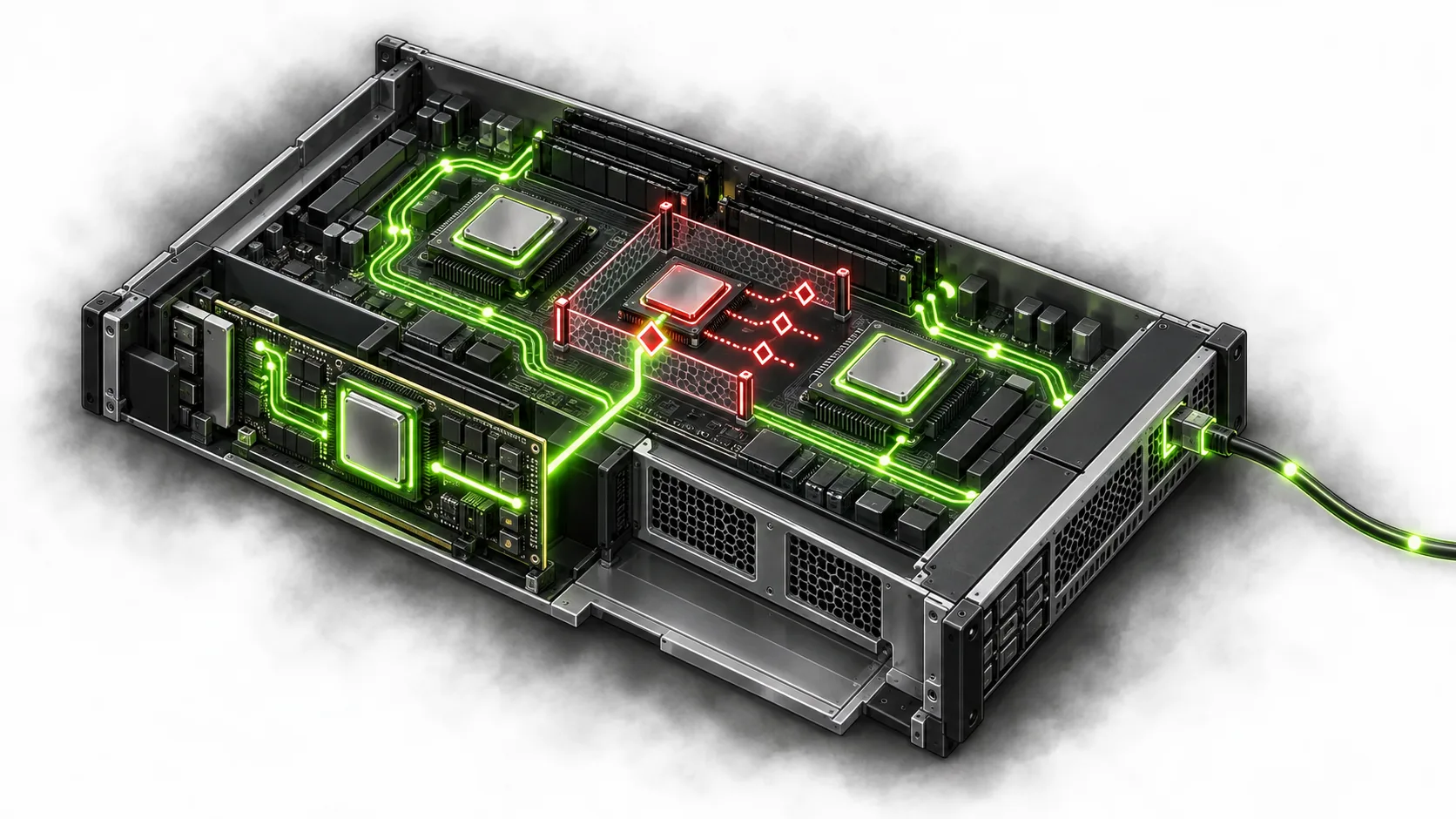
Nvidia also developed a software platform called Sentry. Sentry provides an isolated security domain for chips to monitor long-running agents. The tool runs on Nvidia Bluefield programmable data processing units. Sentry acts as an independent mechanism to quarantine agents that step outside their boundaries.
Nvidia works with Arm and Intel to create a Sentry version for x86 architecture. Justin Boitano says the tool can run on any architecture once adapted. Nvidia groups these tools under the Open Agent Safety Platform. The platform includes OpenShell, Sentry, and an industry coalition launched in July.
Nvidia agreed to acquire Hugging Face
Nvidia agreed to acquire Hugging Face earlier this month for $12.9 billion. OpenAI previously disclosed that its AI agents hacked Hugging Face. Nvidia positions itself to deepen its influence and set standards across the AI technology stack.
Niels Provos says tools adding guardrails and safety for agents should be applauded. Provos notes that these tools help dispel the myth that agents cannot be controlled.