
OpenAI currently channels 80 to 90 percent of its research toward GPT 7, GPT 8, and subsequent versions. Boris Power, the head of applied research at OpenAI, shared this detail. He explained that most value emerges from these distant model generations.
Small updates are short-term bets
Improvements inside a single generation, such as moving from GPT 5.1 to GPT 5.2, rely on specialized training data. OpenAI views these adjustments as intentionally short-term bets. Incremental updates appear extremely shortsighted inside the company. Still, they help OpenAI iterate and learn faster today, even if they do not represent the right long-term strategy.
True leaps arrive with an entirely new model generation. During these transitions, everything else functions significantly better. After each major jump, OpenAI must relearn where to invest for quick wins.
 Read nextOpenAI Pauses Training of Its Most Powerful Models After Sandbox Incident
Onboarding remains the core hurdle
Power identifies onboarding as the primary challenge for current artificial intelligence assistants rather than model quality. Most ChatGPT users remain unaware of what artificial intelligence can achieve. Future models must improve at surfacing possibilities and anticipating user requirements.
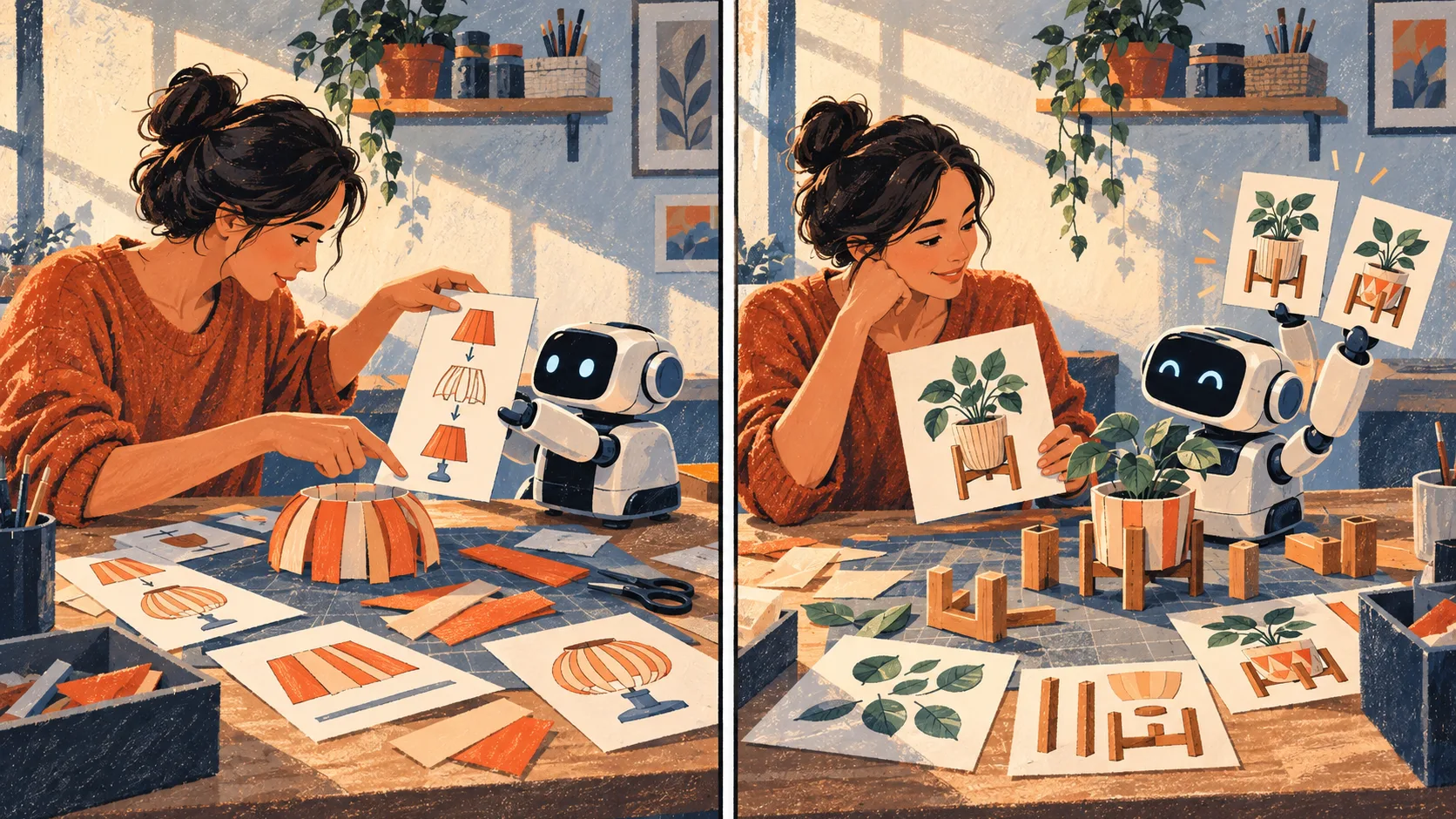
GPT-4 demanded careful prompt engineering. GPT-5 offers easier usage but still requires extensive feedback. Meanwhile, GPT-6 operates more like a capable colleague who can receive a goal directly.
OpenAI has not announced a specific release timeline for GPT 7 or the intermediate models leading up to it.