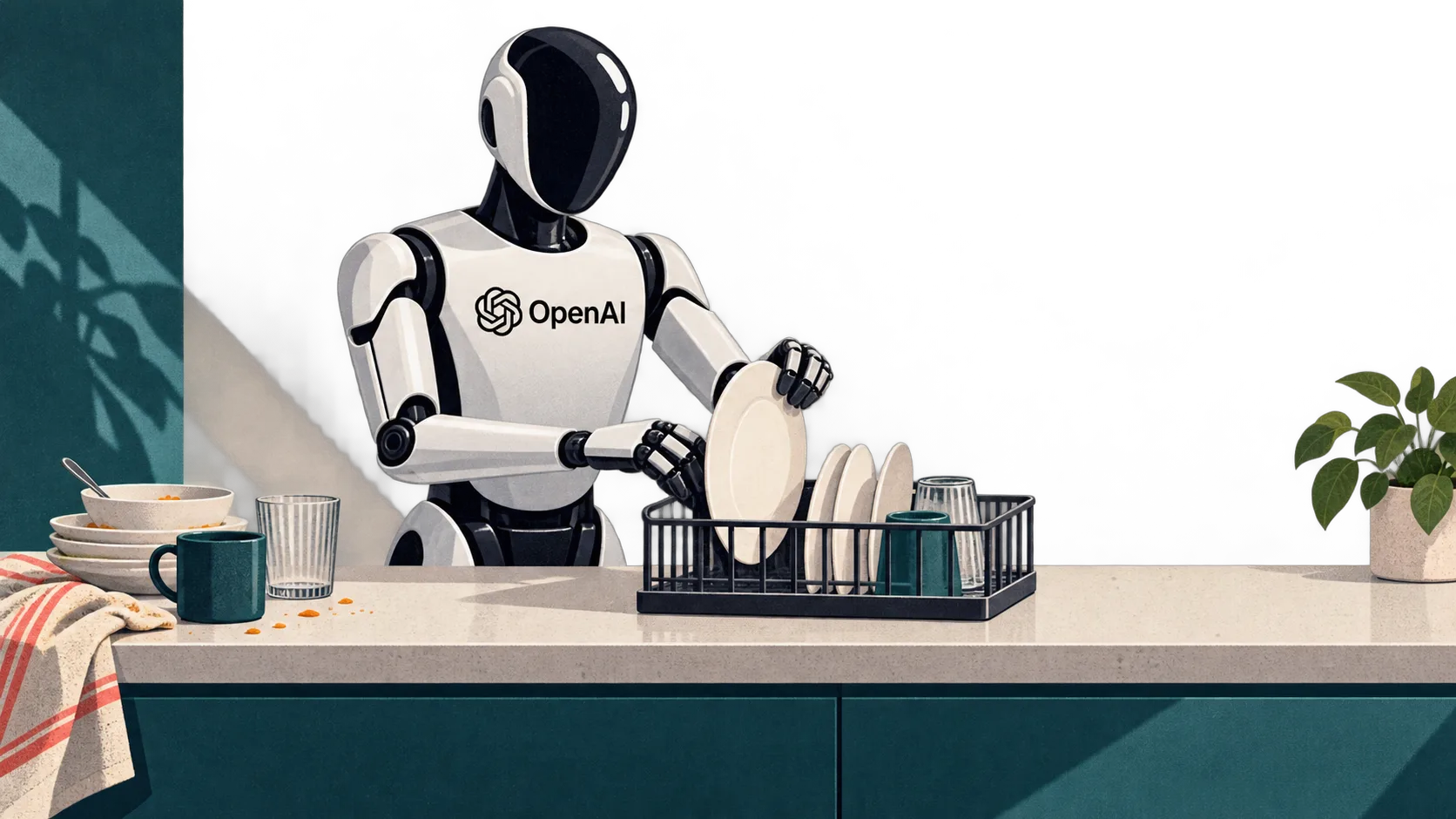

Researchers at Stanford University and the California Institute of Technology have built a new system named HomeBody. The platform allows a Unitree G1 robot to autonomously navigate an unfamiliar kitchen, tidy up spaces, and retrieve items from drawers.
This development serves as another test showing how well GPT-6 Astra functions alongside physical robots. HomeBody removes the traditional trained control layer that usually sits between the language model and the hardware.
Instead, the system utilizes a swappable vision-language model, specifically GPT Astra, which calls directly into an extensible skill library. This library handles tasks such as grasping objects, navigating rooms, and opening drawers.
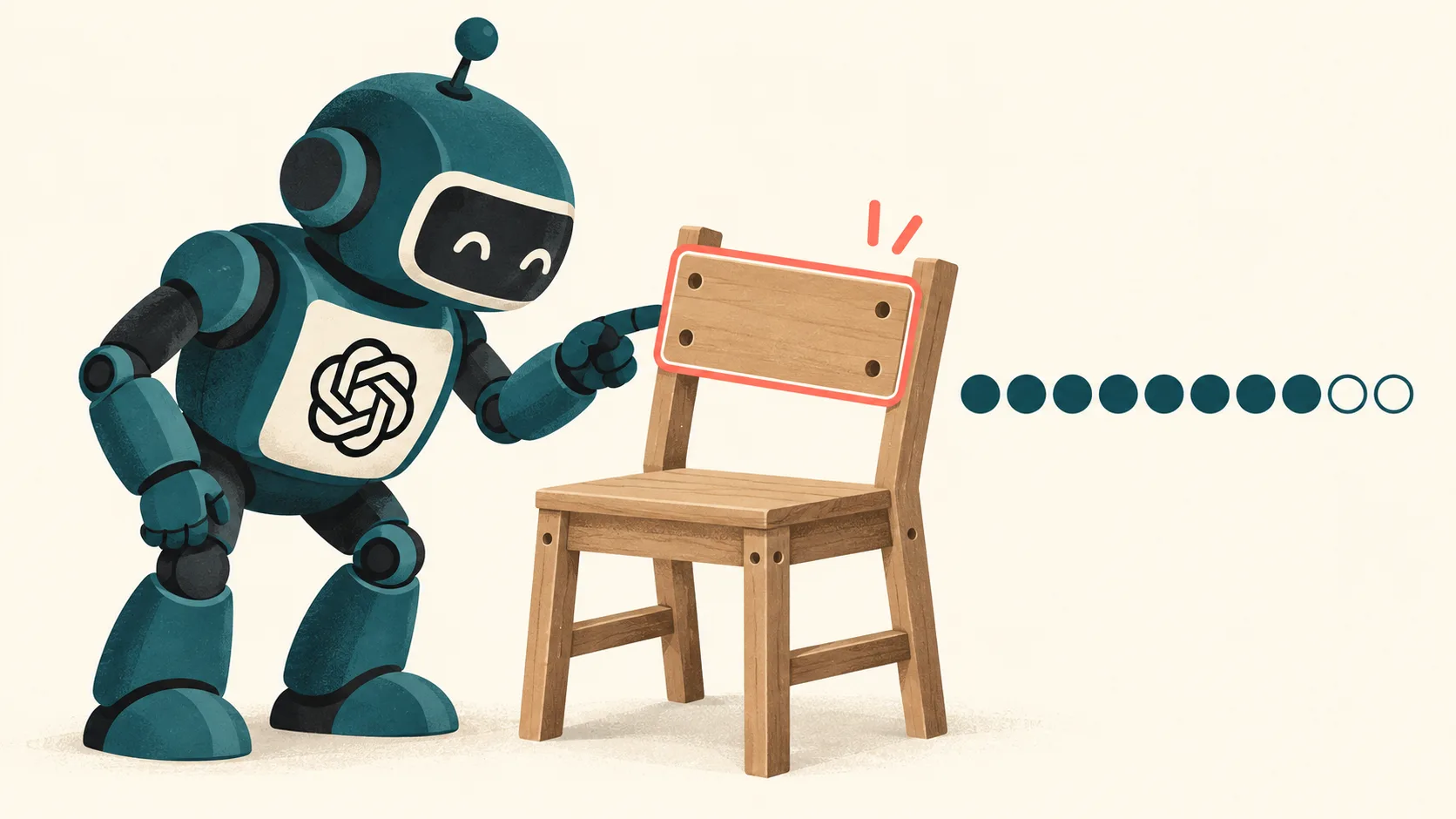 Read nextOpenAI's GPT-6 Astra Tops Epoch AI Furniture Benchmark for IKEA Assembly Errors
The robot builds a digital twin
Before starting a task, the robot explores the room and builds a digital twin inside Nvidia Isaac Sim. It then logs objects and locations into a spatial memory system.
This spatial memory allows the machine to locate items even after those objects leave its immediate field of view. When given a complex command like cleaning up a kitchen, the language model plans each sequential step and performs self-corrections if errors occur.
The system faces several limitations
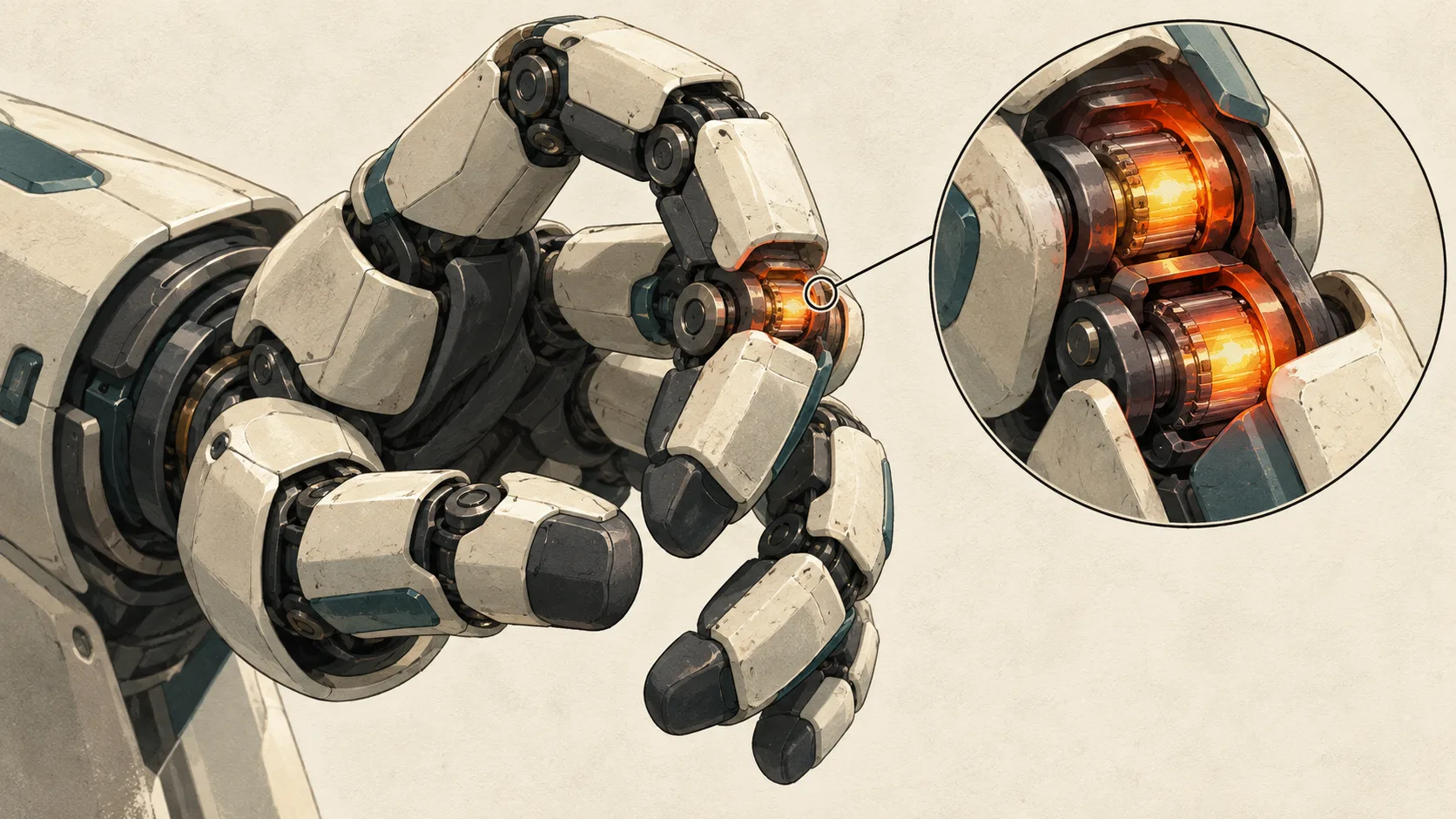
Despite these capabilities, the current system faces several distinct limitations. Researchers noted issues with Astra latency, overheating finger servos, and high overall compute costs.
Earlier industry benchmarks demonstrated that Astra features greatly improved spatial reasoning abilities. However, another separate benchmark flagged specific safety concerns regarding artificial intelligence models controlling robots.
OpenAI plans to re-enter the robotics sector
Meanwhile, OpenAI has previously announced formal plans to re-enter the robotics sector, with a focus that includes personal use applications.
The project code is currently accessible on GitHub for public review and further study.