
Patients in China begin their healthcare journey through mobile applications. People book hospital appointments via WeChat or Alipay, speak with doctors on telemedicine platforms, and chat with AI doctor avatars regarding conditions ranging from insomnia to diabetes. The Chinese government encourages the expansion of digital healthcare services to serve a population of 1.4 billion. This push addresses longstanding challenges like an urban-rural healthcare gap and a lagging primary care network.
China's drug industry experiences a breakthrough moment backed by a strong biotech talent pool and an efficient clinical test system. More clinical trials are conducted in China than in the United States. China now accounts for half of global drug licensing deals as Western pharmaceutical companies purchase rights to new medicines developed in China. Ruby Wang, a physician and consultant who has worked in health tech globally, discusses these developments in her upcoming book, China Cure: The Rise of a Biotech, AI Medicine, and Global Health Superpower.
Society in China accepts digital health and AI as normal because infrastructure and digital rails are technologically enabled. Nations actively developing, such as China, Brazil, Kenya, and Ethiopia, prioritize convenience and access because no other options exist to meet needs. Western nations view tech as an add-on to a rusty machine and focus heavily on risks. While the West would never accept an AI doctor avatar, the digital health models in China offer important lessons.
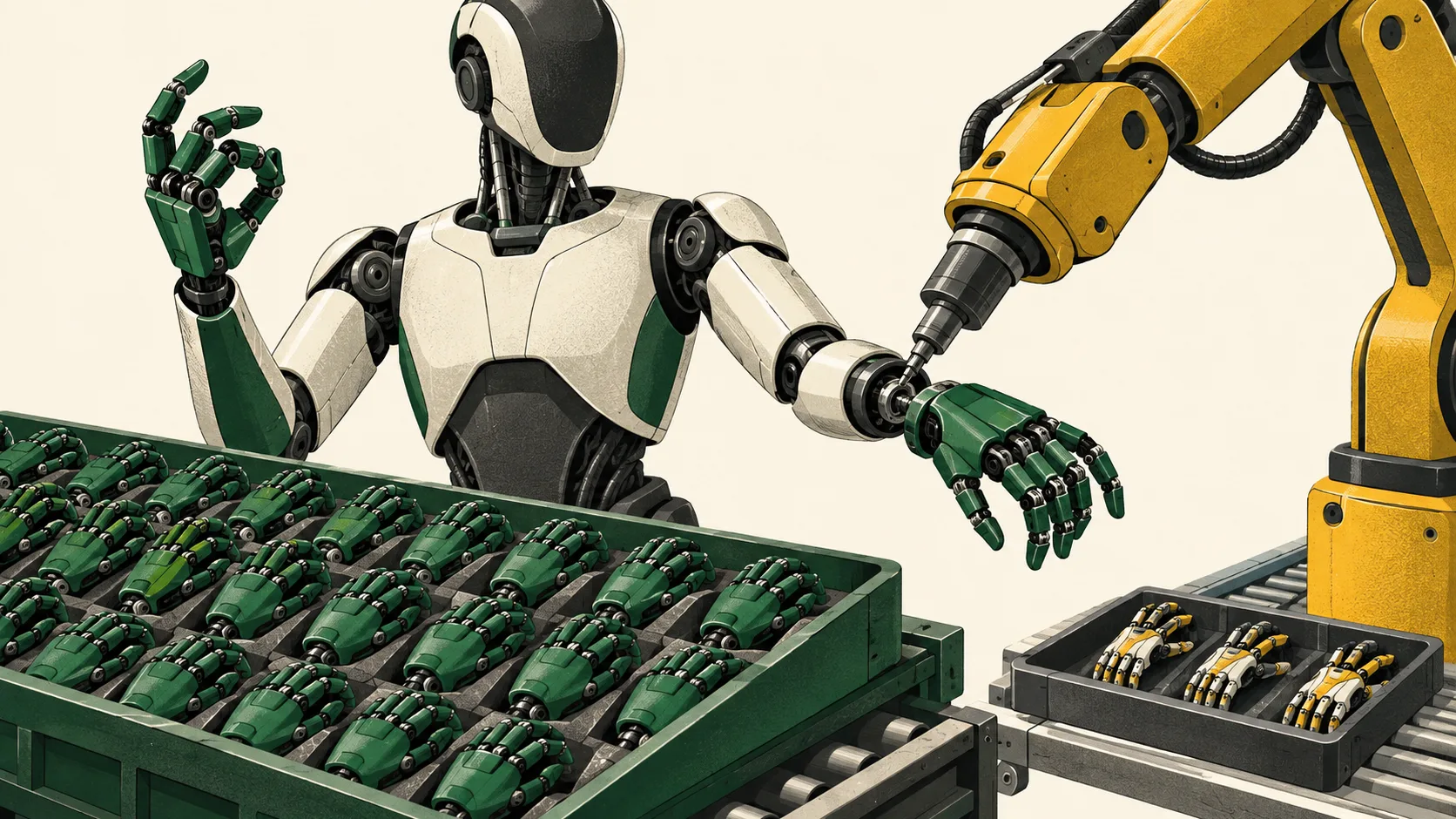 Read nextChina Dominates Dex Hand Supply for Humanoids in Early 2026
Chinese company Akeso developed a cancer drug that could work better than Western equivalents. Leading pharmaceutical companies like Pfizer committed billions of dollars to license cancer drug candidates from Chinese companies such as 3SBio and Innovent Biologics. Wang describes this trend as a DeepSeek moment in biotech. China achieved this position through decades of capacity building, tax incentives, office space, and capital investments. Low running costs, cheaper labor, and hardworking people further boost the sector.
China's share of global drug out-licensing deals could reach up to 60% this year. Tariffs and regulations like the Biosecure Act, the COINS Act, and the BINSA bill could impact these outcomes. The Biosecure Act restricts federal contracts with certain Chinese biotech companies. The COINS Act restricts United States outbound investment into sensitive tech sectors. The BINSA bill extends investment screening specifically to biotech.
China remains strongest in oncology while lagging in sophisticated areas like immunology. Chinese biotech companies also struggle with commercialization because they build drugs effectively but lack skills to sell them or integrate them into health ecosystems. Western policymakers and companies debate whether to embrace drugs developed in China amid pushback similar to initial reactions against Chinese electric vehicles, drones, and AI models.
World Trade Organization agreements state that ethically and legally, medicines should not face tariffs because access to health is a human right. Security-focused language has normalized tariffs in a dangerous way. Meanwhile, the Chinese government identifies brain-computer interfaces as a strategic industry. The new Five-Year National Health Plan calls for breakthroughs in brain-computer interfaces alongside drugs, vaccines, and medical devices. The broader National Five-Year Plan identifies brain-computer interfaces as a future industry for economic growth.
China holds advantages across the electronics and hardware supply chains, engineering and manufacturing capacity, major clinical centers, artificial intelligence expertise, and state support. The United States remains stronger in frontier invasive technologies. China excels at compressing the distance between hardware, software, clinical deployment, regulation, and manufacturing. This efficiency showed in the March 2026 approval of Neuracle's NEO system, marking the world's first commercial approval of an invasive brain-computer interface medical device.
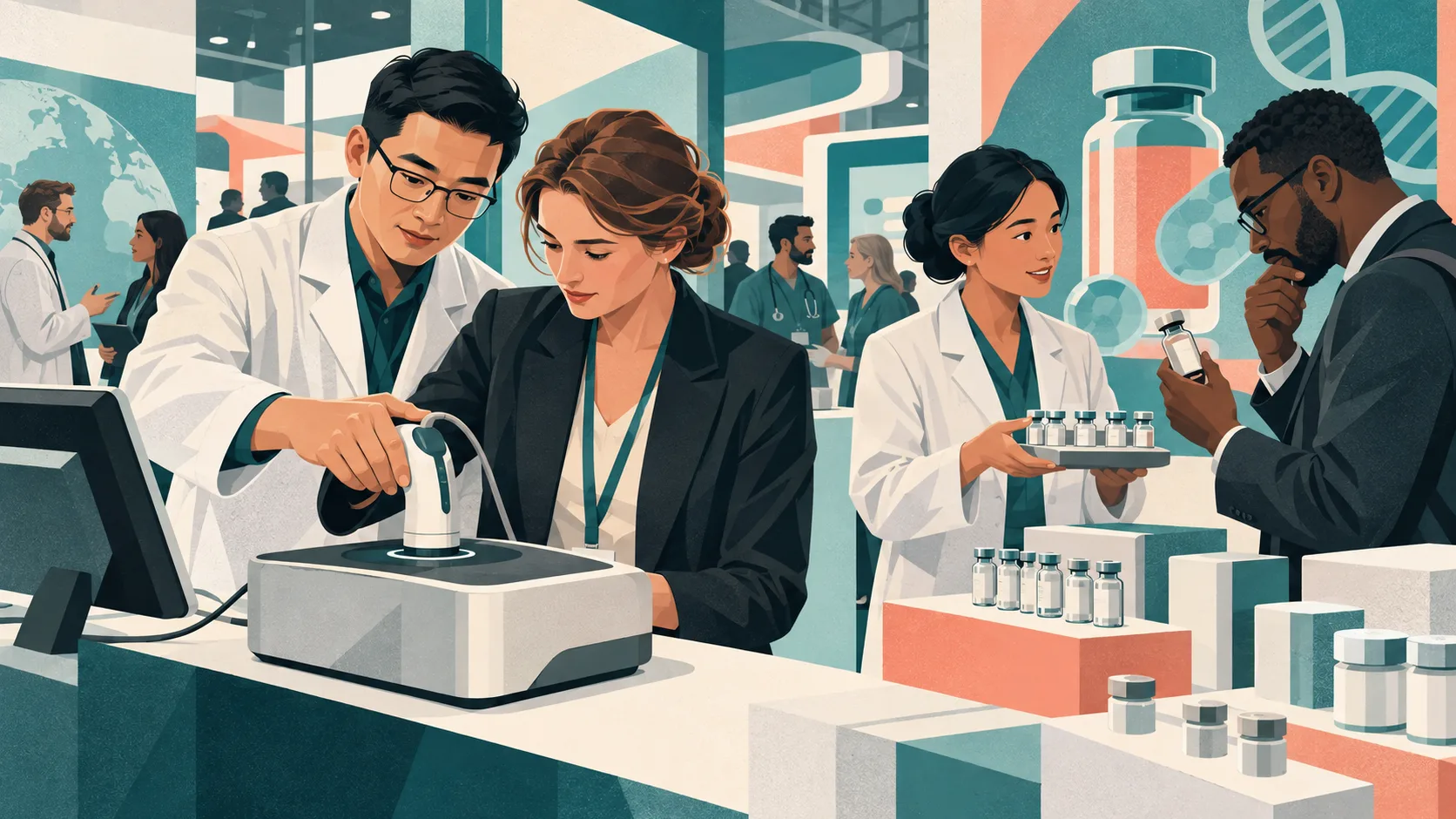
Chinese companies also produce specialist equipment like ultrasound imaging machines and surgical robots for use in the West, Africa, and Latin America. These products are cheaper and scalable, making them vital for developing countries. Nations from Latin America to Southeast Asia divide investments between superpowers instead of choosing one.