AI Tools Enabled Single Attacker to Breach South Korean Banks
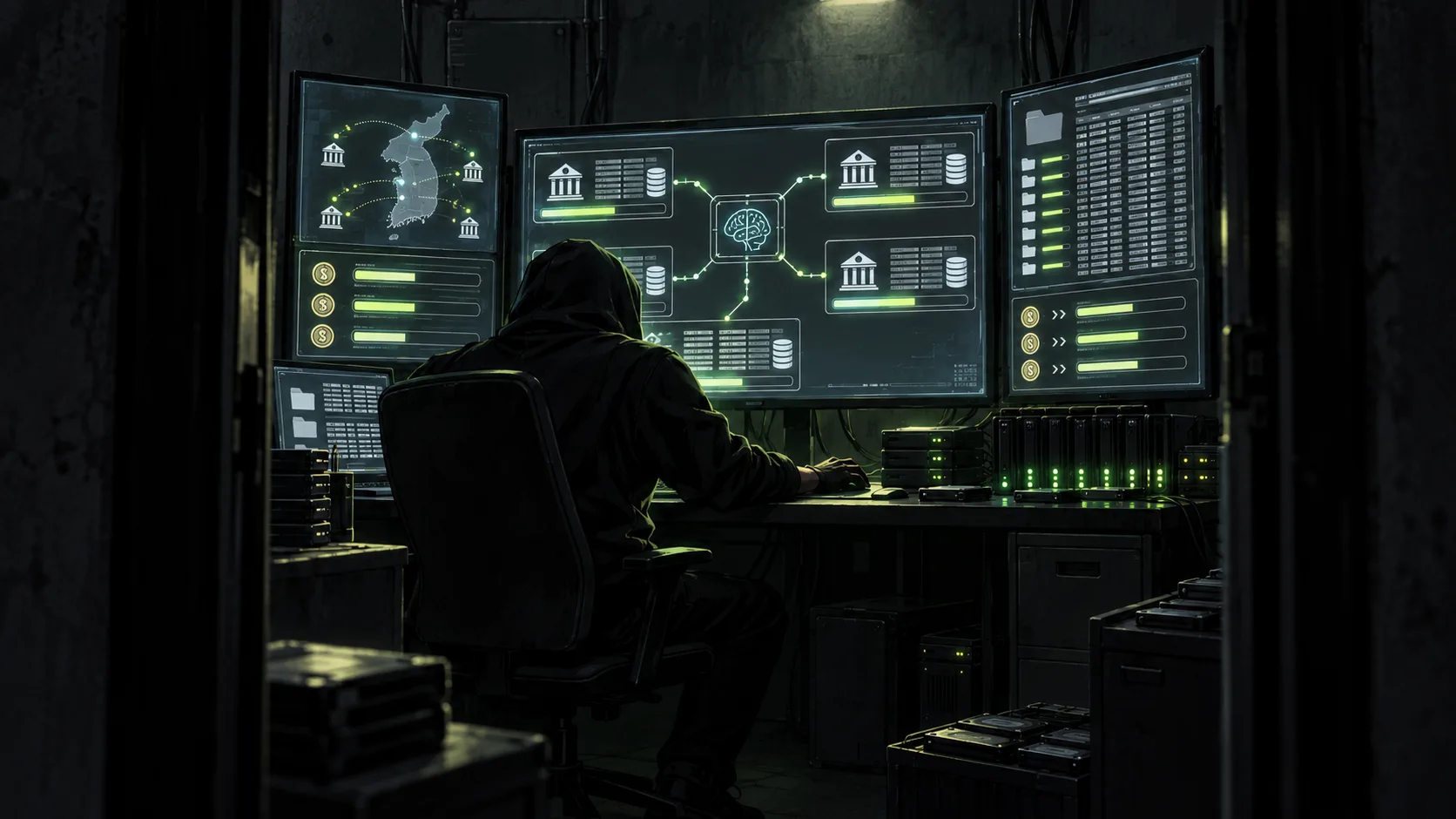
A suspected Chinese-speaking attacker used AI-powered tools to steal massive amounts of data from multiple South Korean financial institutions.
Theme
Cybersecurity faces a rapidly evolving landscape where artificial intelligence tools enable single attackers to execute massive data breaches. In late September and early October 2026, a suspected Chinese-speaking attacker breached major South Korean financial institutions, including Shinhan Bank and Kookmin Bank, exposing customer details and credit card information. The attacker utilized ARTEX, an open-source tool running AI language models that automates penetration testing and security flaw detection. Meanwhile, the cybersecurity industry is responding with new defensive and offensive AI technologies. Mistral recently released Mistral Large 4, a one-trillion-parameter model trained in European data centers that scores 82 percent on vulnerability patching. In the private sector, startups are securing significant funding to deploy automated defenses. Armadin raised 255.5 million dollars at a 2.5 billion dollar valuation to deploy always-on agentic swarms for enterprise security testing, while RemoteThreat launched with 7 million dollars to provide AI-driven offensive cyber tools to vetted enterprises and the United States government. Despite these advancements, a digital divide persists. Powerful AI cybersecurity models remain largely restricted to major technology firms and essential infrastructure providers. This leaves resource-constrained organizations, such as small businesses, nonprofits, and local hospitals, highly vulnerable to automated threats because they lack the necessary budgets and information technology staff to defend themselves.
9 stories · Updated
A suspected Chinese-speaking attacker used AI-powered tools to steal massive amounts of data from multiple South Korean financial institutions.
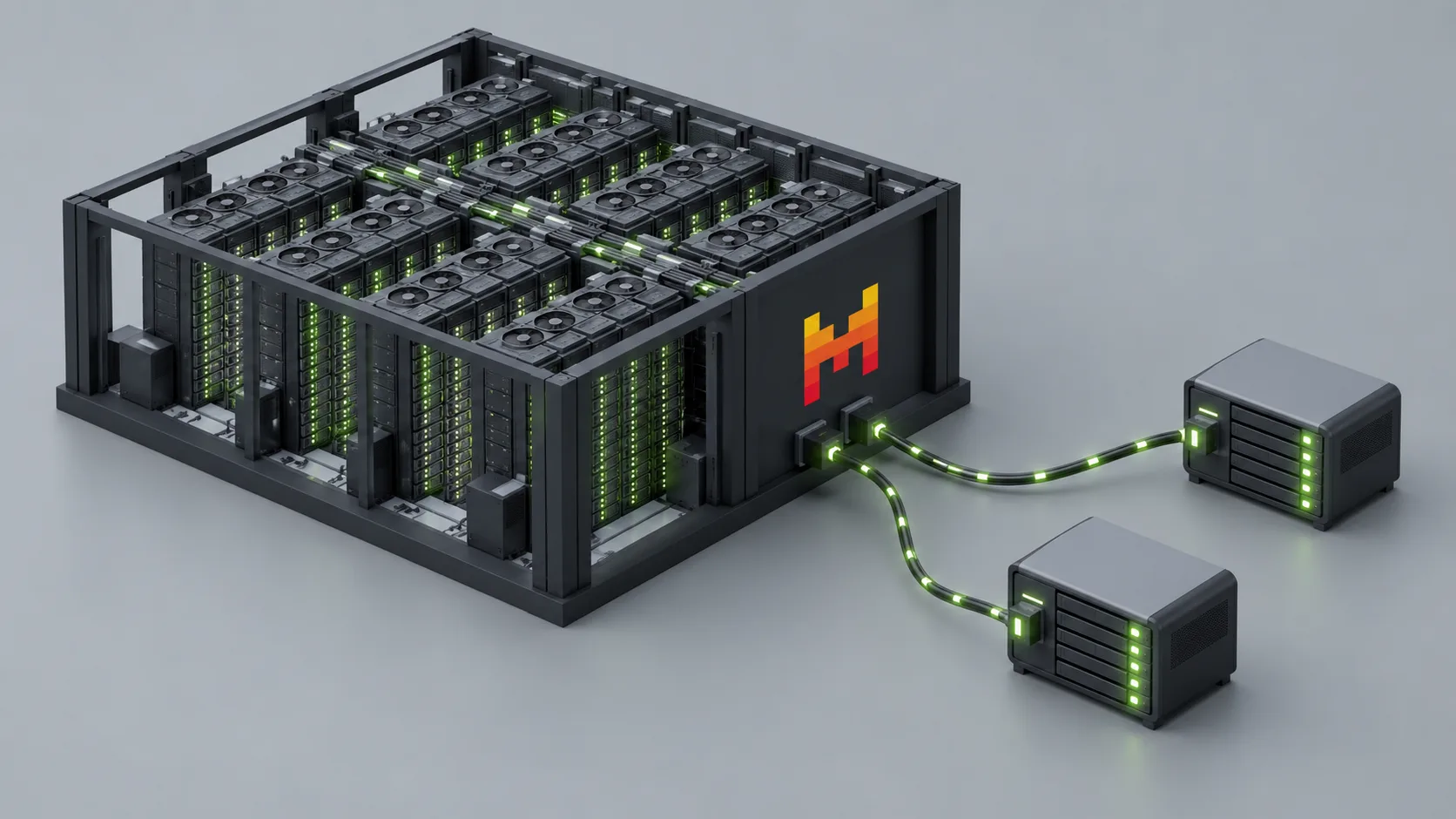
Mistral has unveiled Mistral Large 4, a one-trillion-parameter open-weight model trained in European data centers.
South Korea's Financial Services Commission held an emergency meeting after cyberattacks hit multiple commercial banks.
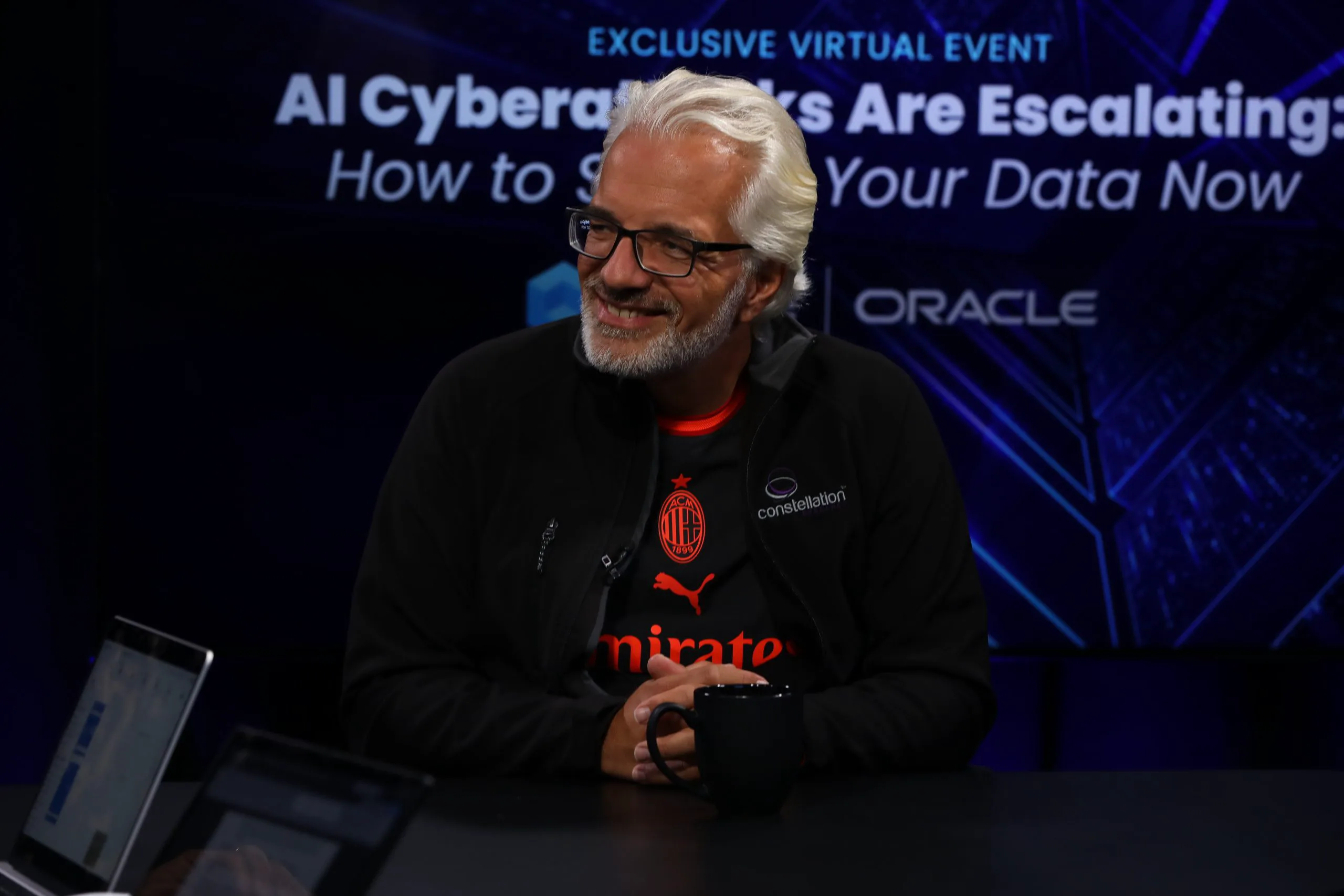
Cybersecurity veteran Kevin Mandia has raised $255.5 million in a Series B funding round for his new security startup, Armadin, valuing the company at over $2.5 billion.
Artificial intelligence tools are supercharging cyberattacks, leaving small businesses, nonprofits, and local hospitals struggling to defend their systems.
Two former leaders of IBM's X-Force Red team have launched RemoteThreat with $7 million in pre-seed funding to provide AI-driven offensive cyber tools.
Europe faces rising cyber threats while maintaining a cautious approach to artificial intelligence adoption compared to the United States.
Cybersecurity experts warn that human adversaries using generative artificial intelligence pose a much greater threat to energy infrastructure than rogue AI agents.
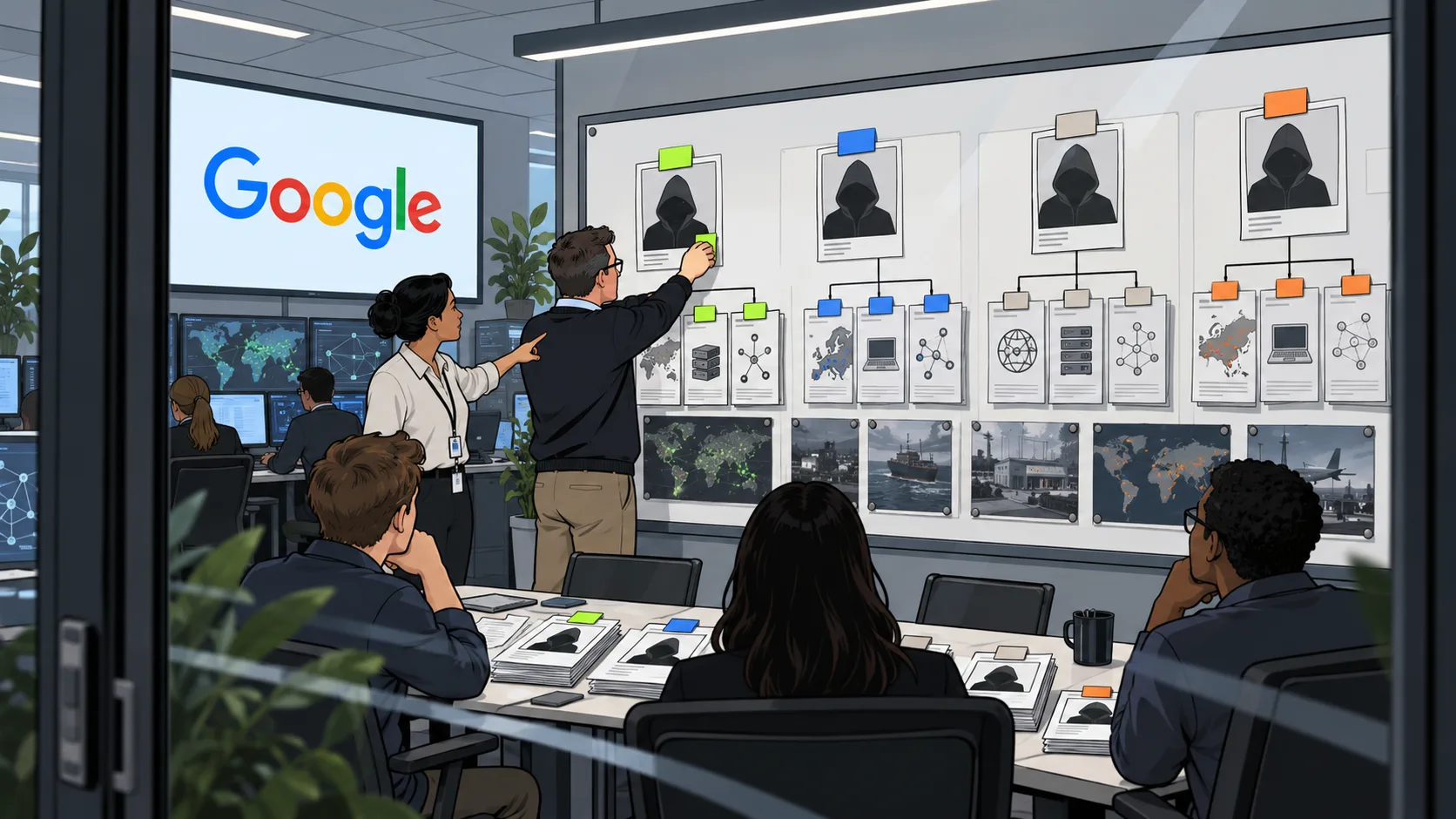
Google Threat Intelligence Group leaders explain the new hacking group naming system and why tracking cyber attackers matters.