Together AI introduces compiler that continually optimizes AI inference
Together AI says its new compiler adapts inference software to changing models, hardware and traffic, and is already serving trillions of tokens.
Theme
AI inference infrastructure sees rapid development as companies launch continuous tuning compilers, open-source orchestration stacks, and specialized hardware. Together AI provides a compiler that continually optimizes inference across changing models, hardware, and traffic, reporting up to 2.6 times higher throughput in tests and serving trillions of tokens. Google offers llm-d 1.0, an open-source Kubernetes stack designed for distributed AI inference, introducing session-aware routing, traffic controls, and context reuse on Google Kubernetes Engine fleets. For hardware, Microsoft plans multi-gigawatt deployments of its Azure Maia system starting in 2027 to serve as its main inference engine, featuring Maia 300 accelerators with 288 gigabytes of HBM4 memory. Runware has launched Portable Sonic Inference Pods to supply AI compute. At the same time, demand for inference services drives major funding for infrastructure providers, even while high compute costs keep gross margins thin. Fal has raised 1.3 billion dollars in Series F funding at a 16 billion dollar valuation after surpassing 800 million dollars in annualized revenue. Similarly, Modal Labs is nearing a 750 million dollar funding round led by Accel at a 15.75 billion dollar valuation, up from 4.65 billion dollars four months earlier.
6 stories · Updated
Together AI says its new compiler adapts inference software to changing models, hardware and traffic, and is already serving trillions of tokens.
Fal raised $1.3 billion in a Bessemer-led round that values the AI inference startup at $16 billion, double its April valuation.
Google has released llm-d 1.0, an open-source stack that routes model requests across servers and manages shared accelerator capacity.
Microsoft plans to make Maia its primary inference system, but its efficiency claim has drawn questions about how the comparison was measured.
Modal Labs is closing in on a $750 million funding round led by Accel that values the AI infrastructure provider at $15.75 billion.
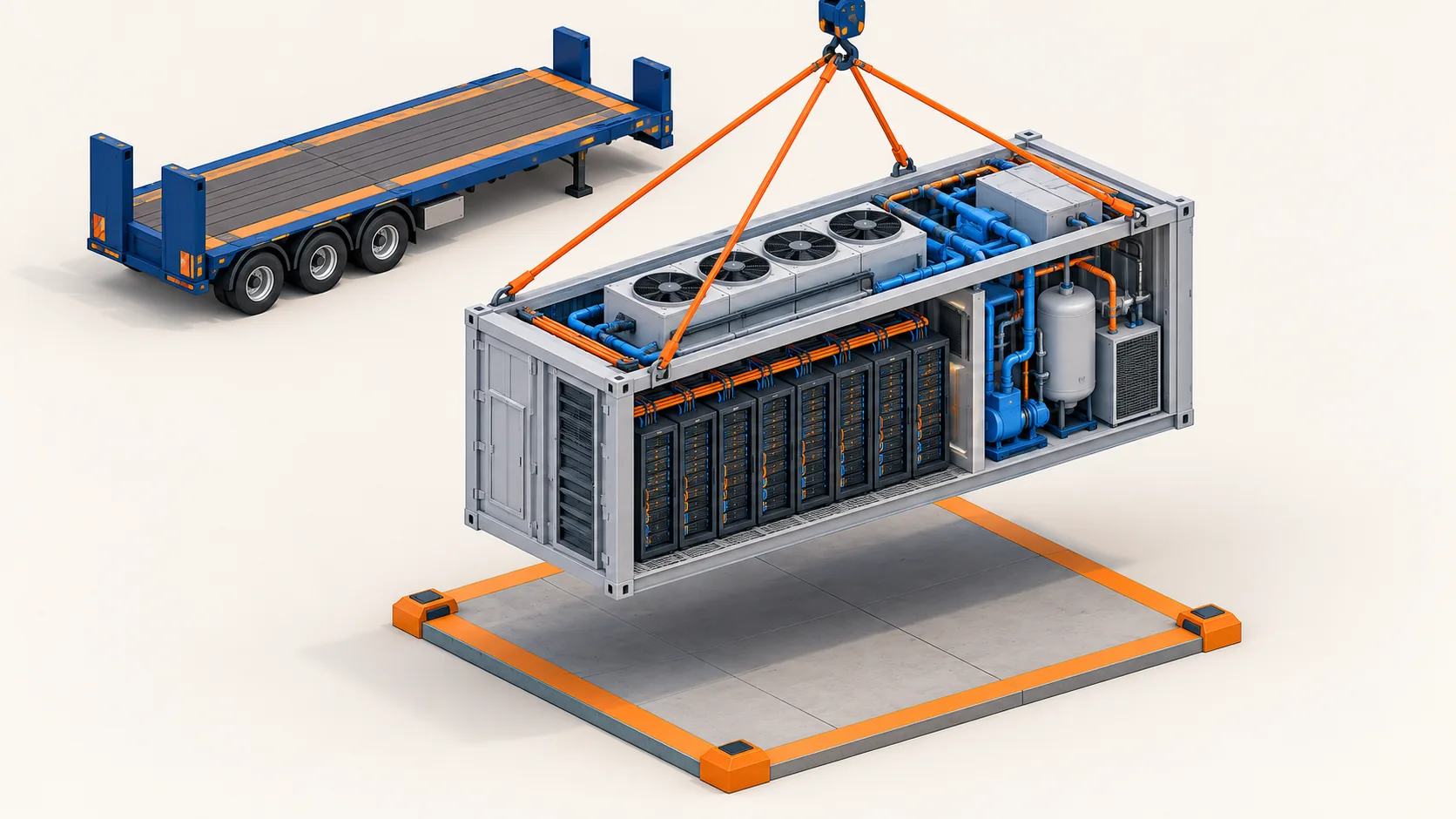
AI infrastructure company Runware introduced the Sonic Inference Pod on Tuesday as a modular and transportable data center option.