
Starfish Space launched in October 2019 with the goal of changing the world. A global pandemic shut the world down just a few months later.
Co-founder Trevor Bennett noted the resilience required to reach this stage. Bennett and fellow co-founder Austin Link previously worked as engineers at Blue Origin.
They observed billionaire ambitions to build big rockets and launch massive satellite numbers. This prompted them to consider how humanity would manage increased orbital traffic and preserve low-Earth orbit.
They focused on improving space mobility, deorbiting threats, and extending asset life. They identified business cases in geostationary orbit life extension and low-Earth orbit constellation management.
 Read nextFervo Energy Brings First Cape Station GeoBlock Online in Utah
The first Otter will launch this fall
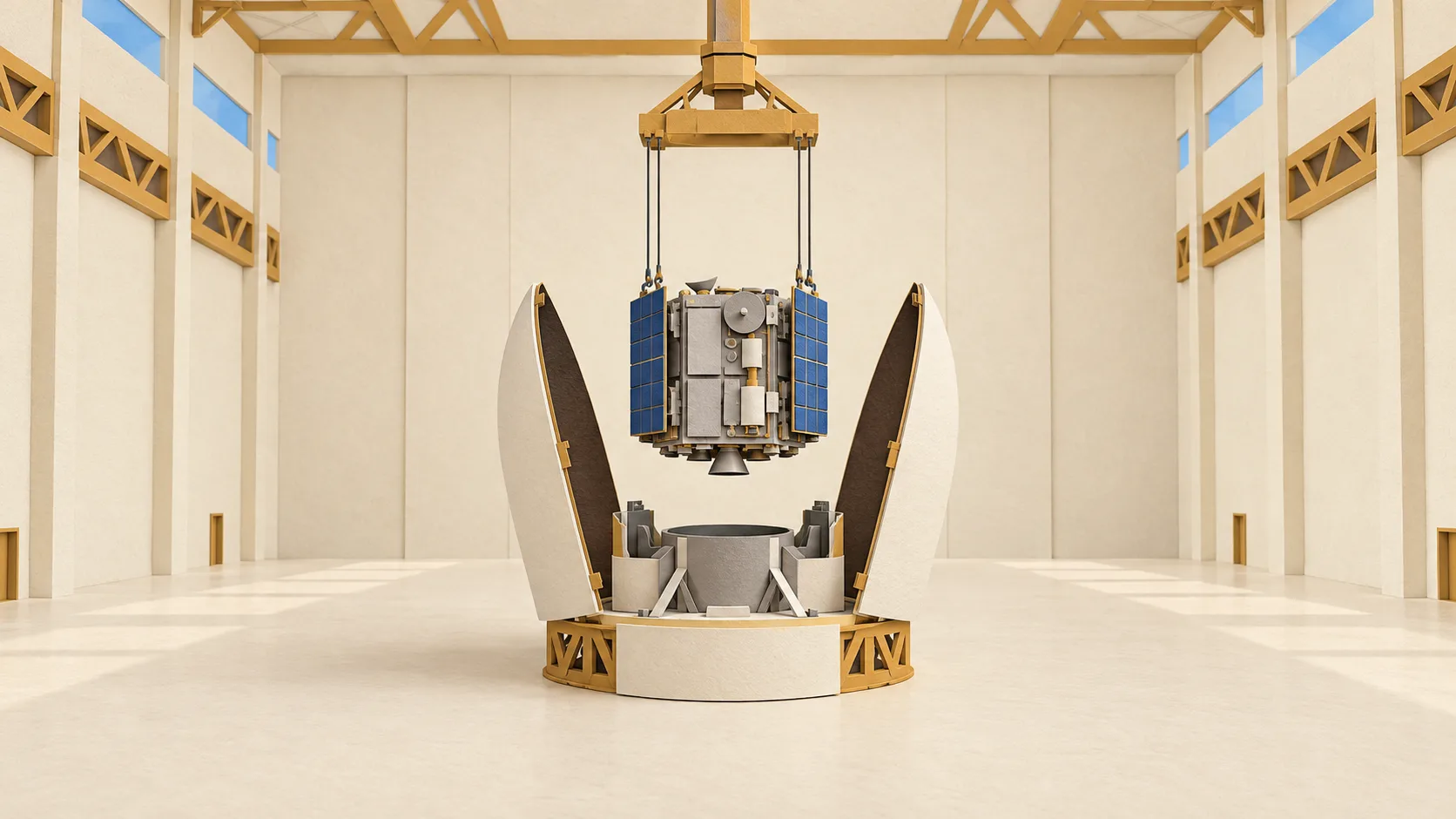
Seven years after founding, the first Otter will fly to space this fall. The spacecraft bus measures about the size of a large washing machine with a mass of approximately 350 kg.
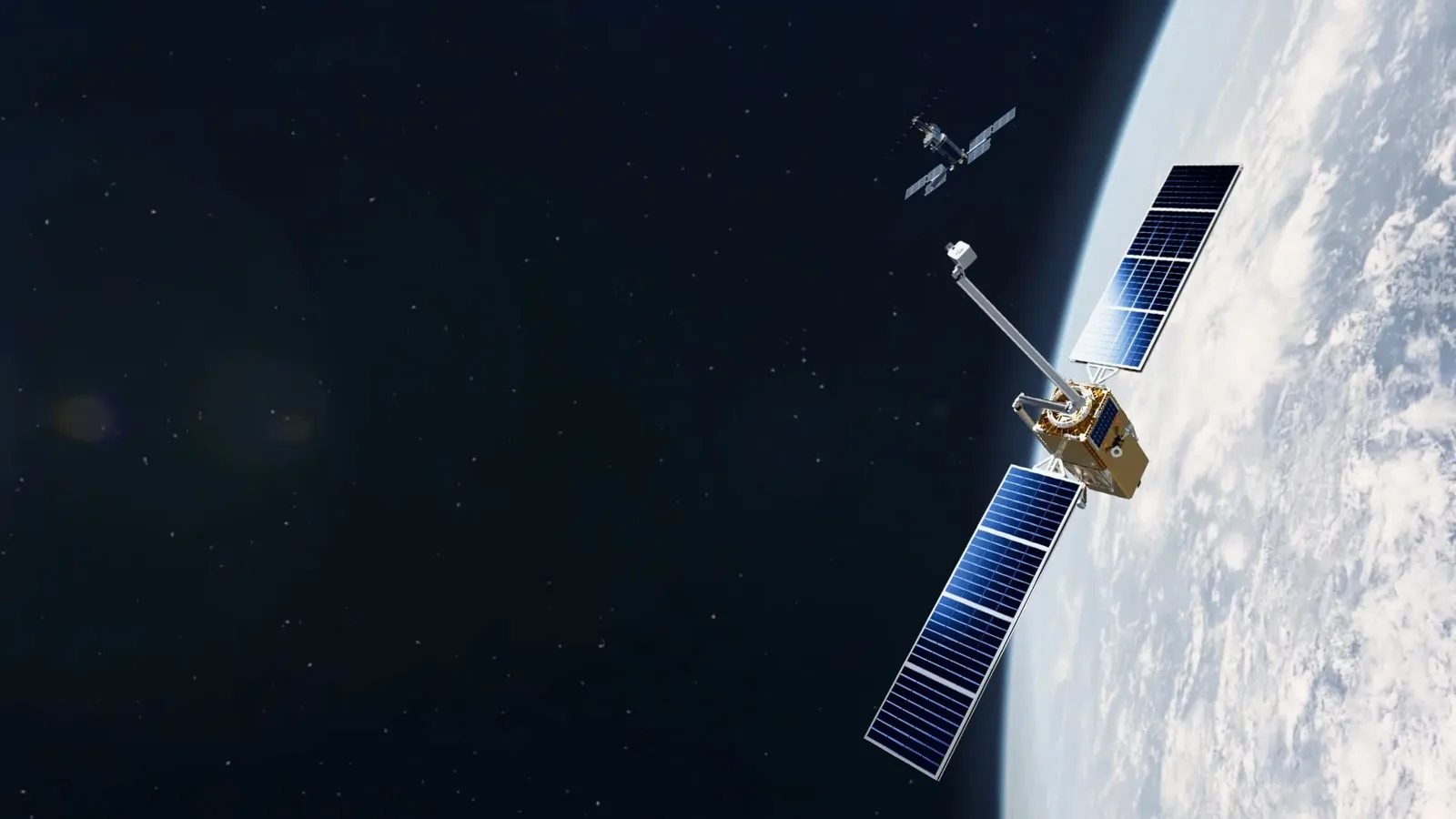
An Otter will fly on a Falcon 9 Transporter mission next month. This flight serves as a demonstration mission for NASA named SSPICY, which stands for Small Spacecraft Propulsion and Inspection Capability.
Otter will approach older spacecraft during the mission. It will get close to multiple US-owned, defunct satellites to inspect them within hundreds of meters.
The spacecraft will gather information about spin rates and current conditions. NASA is paying Starfish $15 million for this first commercial debris inspection mission funded by the agency.
Starfish has raised 150 million dollars
Starfish maintains a team of about 120 employees and has raised about $150 million. The company procures its spacecraft bus from Astro Digital while focusing on software and maneuvering technologies.
The company experienced past demo missions including Otter Pup 1 in 2023. That vehicle suffered an external orbital transfer vehicle failure that ejected the spacecraft prematurely.
Starfish recovered Otter Pup 1 despite a later thruster failure. Two later demo missions achieved more success, including Otter Pup 2 launching in 2025.
Starfish also partnered with Impulse Space last summer to demonstrate autonomous rendezvous capabilities using a single lightweight camera system and software. Starfish has five more Otters in production for additional missions.