NASA and IBM Release Open Source Lunar Foundation Model
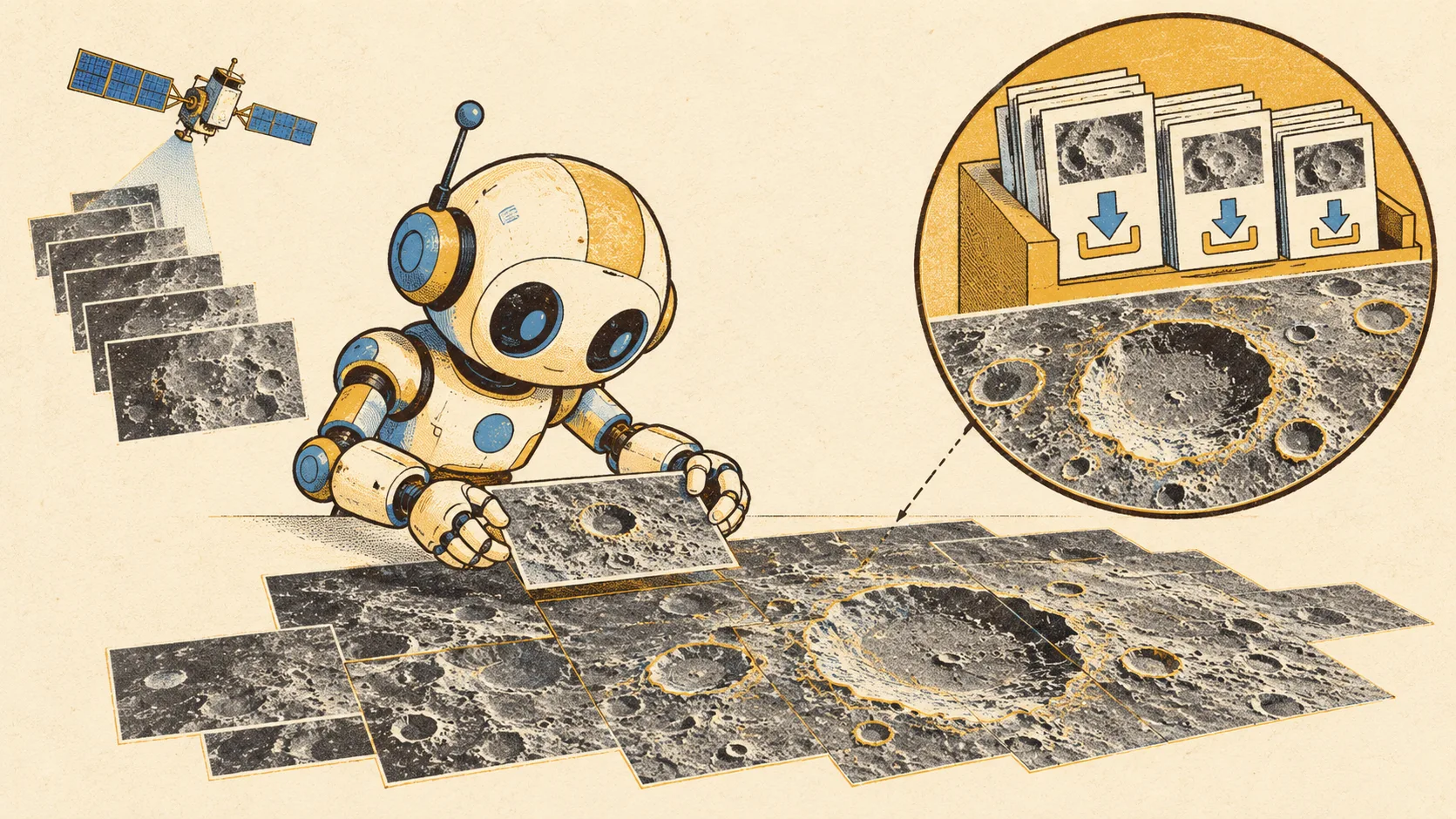
NASA and IBM have released an open source lunar foundation model that uses 17 years of orbiter data to improve lunar science machine learning.
Company
NASA is actively advancing space exploration through artificial intelligence, machine learning, and commercial partnerships. In a recent collaboration, NASA and IBM released an open-source lunar foundation model trained on 17 years of orbiter data. This model, which is publicly available on Hugging Face, helps researchers with tasks like crater detection and polar ice deposit prediction, reducing prediction errors for these deposits by up to 22 percent. Additionally, NASA and private firms are testing generative AI and machine learning models for orbital tasks and Mars rover route planning, while engineers work to manage the risks of non-deterministic autonomy in space. In commercial operations, NASA is paying 15 million dollars for a debris inspection mission named SSPICY. Conducted by Starfish Space, this mission utilizes the Otter spacecraft, scheduled for a fall launch on a Falcon 9 Transporter, to inspect multiple defunct, United States owned satellites. This initiative marks the first time NASA has funded a commercial debris inspection mission. These developments build on major milestones from earlier in the year, including the launch of the Artemis II mission, which sent humans toward the Moon for the first time since 1972, and the first AI-planned drive on Mars completed by the Perseverance rover.
8 stories · Updated
NASA and IBM have released an open source lunar foundation model that uses 17 years of orbiter data to improve lunar science machine learning.
Space agencies and startups are testing generative AI and autonomous systems to help spacecraft interpret their surroundings and make decisions.
Starfish Space will launch its first full-fledged Otter spacecraft on a SpaceX Falcon 9 Transporter mission next month for a NASA demonstration.
On Tuesday, NASA announced the crew for the Artemis III mission , which is scheduled to be flown no earlier than summer 2027.
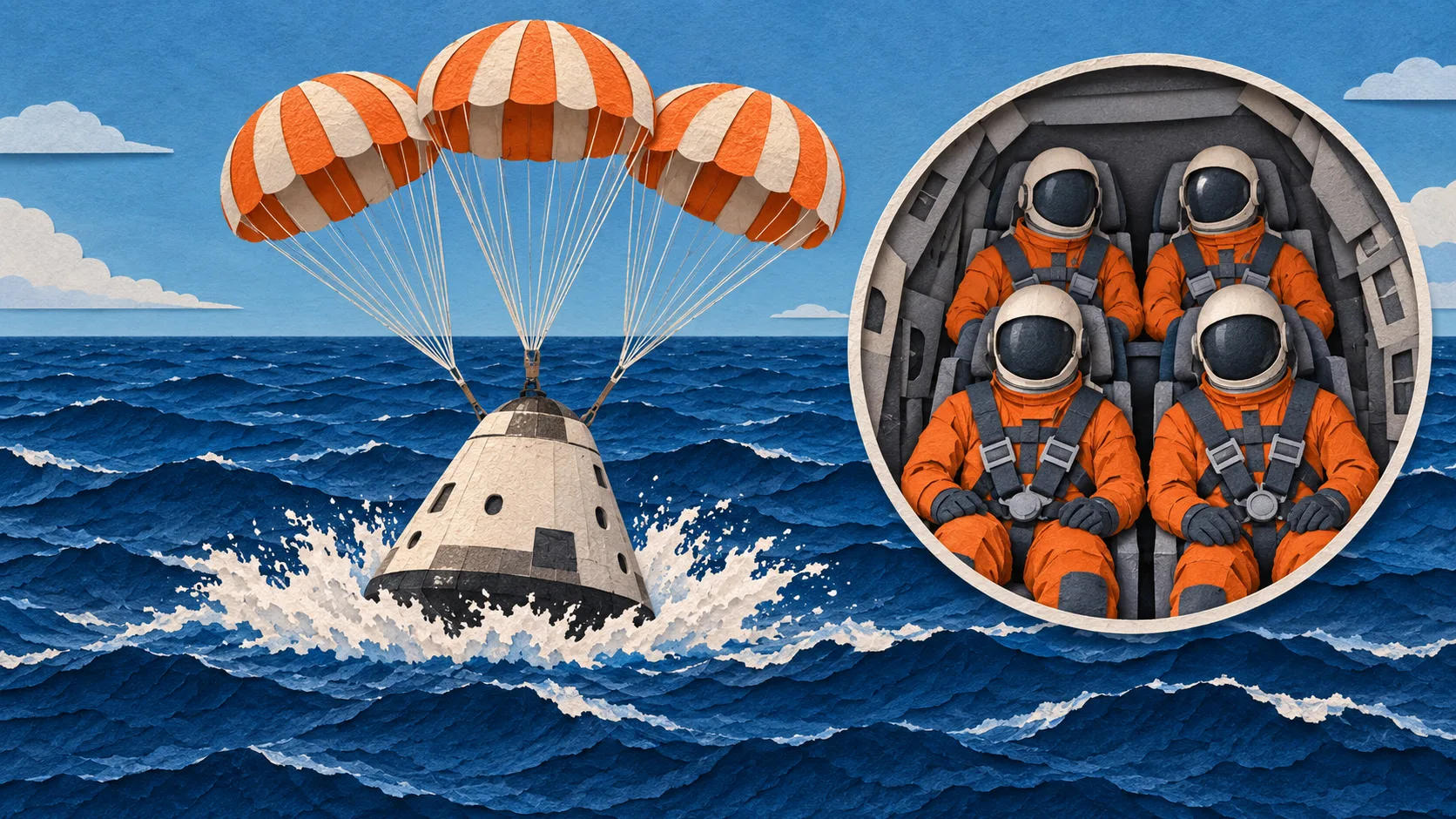
NASA's Artemis II mission, carrying four astronauts, is scheduled to splash down on Friday after a 10-day journey around the moon.
The Artemis II mission, pushing the boundaries of human space travel, culminates in a high-stakes return. Watch live as the Orion capsule braves atmospheric re-entry and splashes down near San Diego.
Four astronauts are heading to the moon after NASA's Artemis II launched April 1 — the first crewed lunar mission since Apollo 17 in 1972.
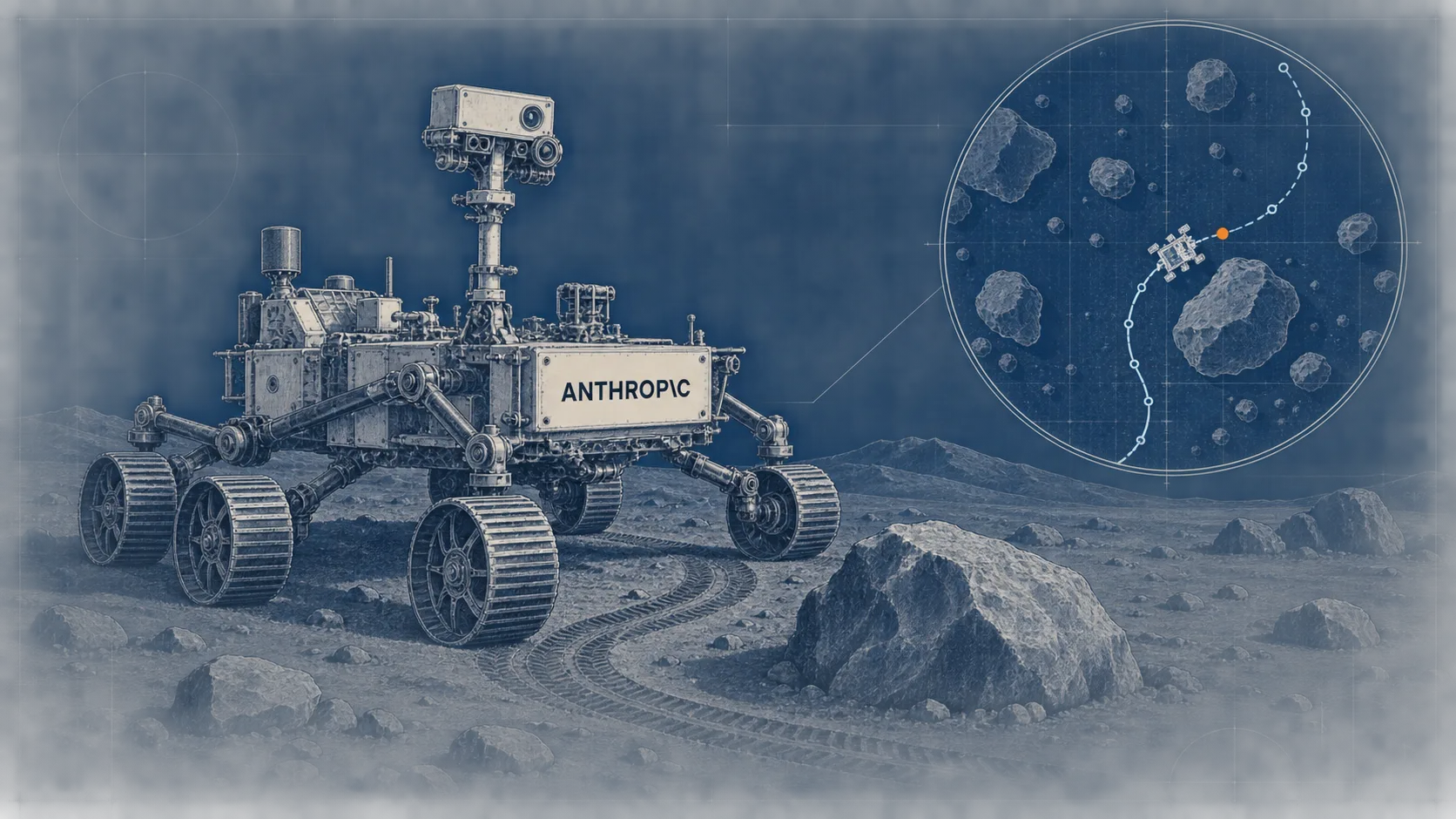
NASA's Perseverance rover made history by navigating Mars using routes planned entirely by AI, powered by Anthropic's Claude models.