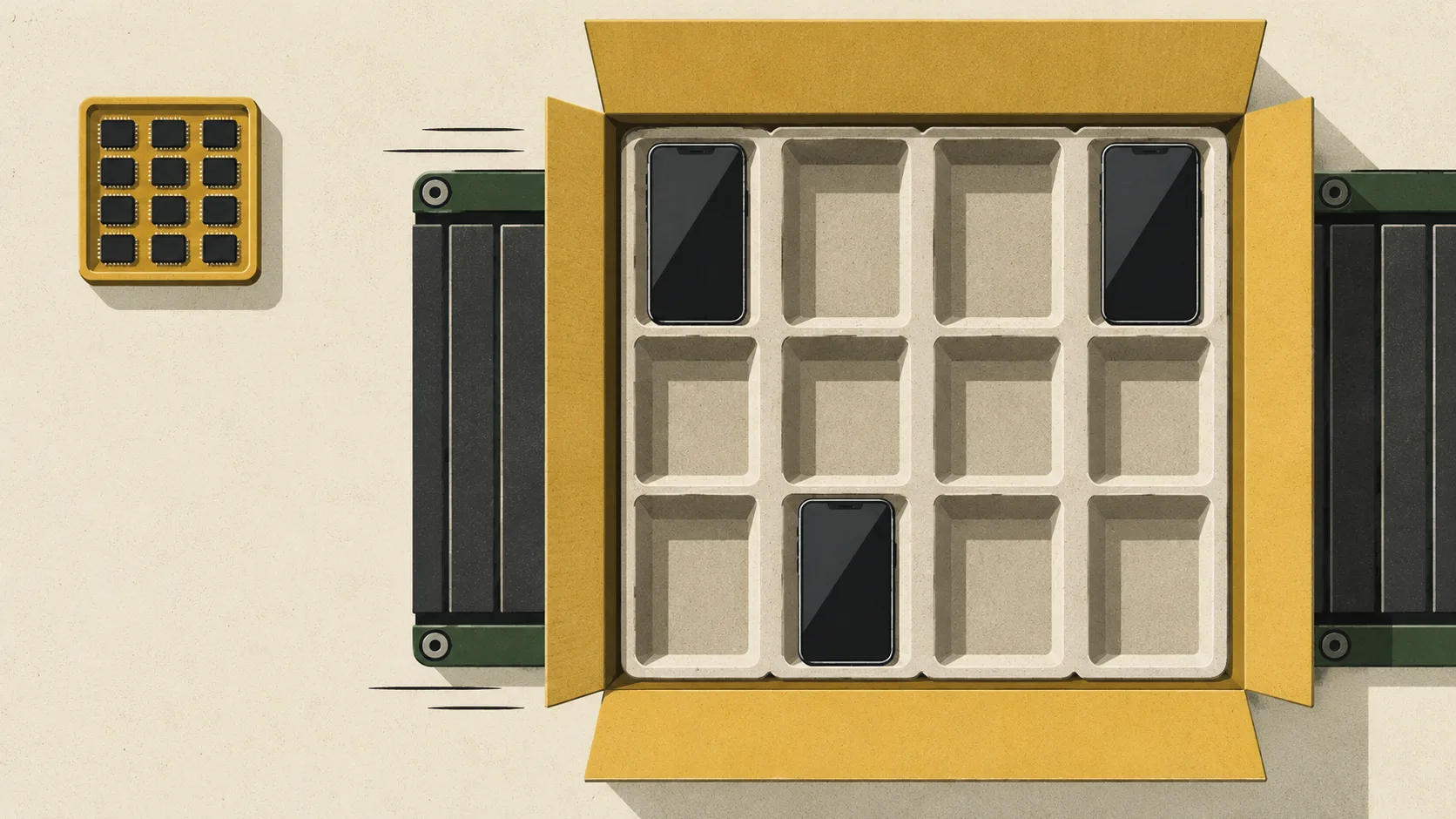

Global smartphone shipments fell by at least a fifth year on year in the third calendar quarter of 2026, according to preliminary estimates from IDC and Omdia. The firms put the decline at 22 percent and 20 percent, respectively, as demand for components from AI systems pushed up memory costs.
IDC estimates that vendors shipped 255.3 million smartphones into distribution channels. Omdia puts the figure at roughly 255 million. IDC says memory costs have risen approximately 350 percent since last year and are still climbing. Vendors have responded by raising prices and cutting back on lower-priced phones as their margins come under pressure.
“The sharp downturn the industry has been bracing for finally materialized in the third quarter this year. However, the worst is yet to come,” said Nabila Popal, IDC's senior research director for worldwide devices.
“Current indicators suggest that the market has not yet reached the bottom. While memory inflation is beginning to slow down, with a low double-digit sequential increase in Q3 compared to a 50 to 100 percent jump in prior quarters, costs remain elevated across other critical components as well, compounding the crunch.”
 Read nextAdobe optimizes Photoshop, Premiere and Substance 3D for RTX Spark
Samsung and Apple gained market share
Omdia says the market has become more concentrated as price-sensitive segments take a harder hit. Samsung and Apple now account for about 45 percent of global shipments, up approximately 8 percentage points from a year ago. Omdia expects shipments to fall 12 percent across 2026 and another 6 percent in 2027. It had previously forecast that phones priced above $400 could prove more resilient and might record shipment growth.
“We don't anticipate any relief to the current memory crisis before 2028 at the earliest as we expect there to remain a considerable gap between demand and supply. The first signs of improvement we're looking for is when the memory pricing will stabilize (basically stopping to grow), and we're still not there yet,” Omdia principal analyst Runar Bjorhovde told The Register.

Phone makers are using cheaper components
Omdia says investment in distribution partnerships and premium phones could affect which vendors are stronger when costs ease. It also suggests buyers may become accustomed to higher prices, creating more opportunities for higher-value devices. The firm has previously reported that some phone makers are switching to cheaper display panels, sensors or radio frequency modules to offset memory costs. IDC likewise sees little prospect of recovery before 2028 and expects higher costs to persist. It says vendors that adjust their products and pricing will be best placed to gain market share.
New flagship launches, promotions and festive demand are due in the fourth quarter, but Omdia says they are unlikely to fully offset the continuing supply pressures.