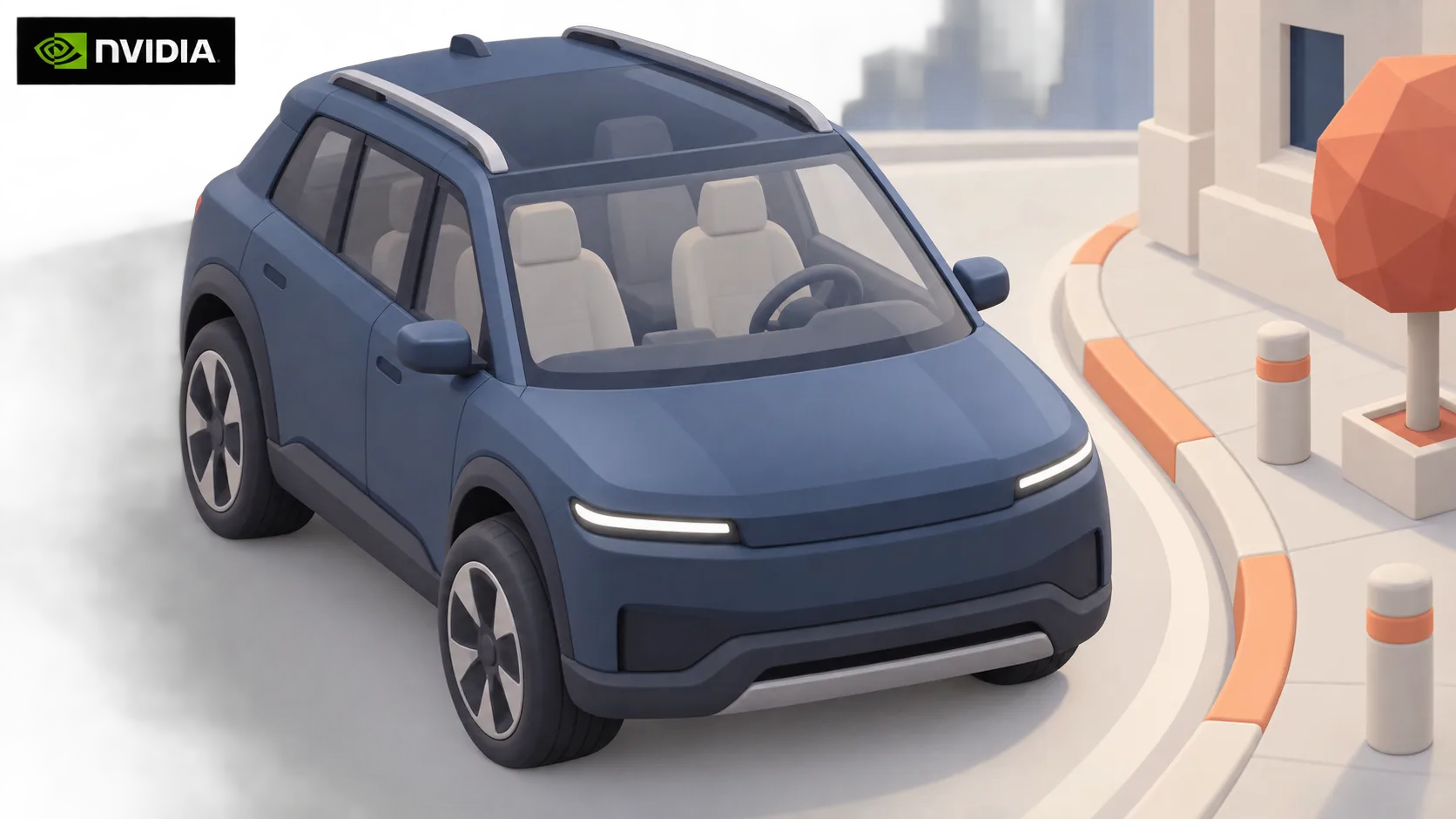

Volvo plans to launch hands-free, point-to-point driving before the end of the decade using Nvidia technology. The Chinese-owned, Swedish-designed automaker said Thursday that the system will be partially automated and available across its vehicle lineup.
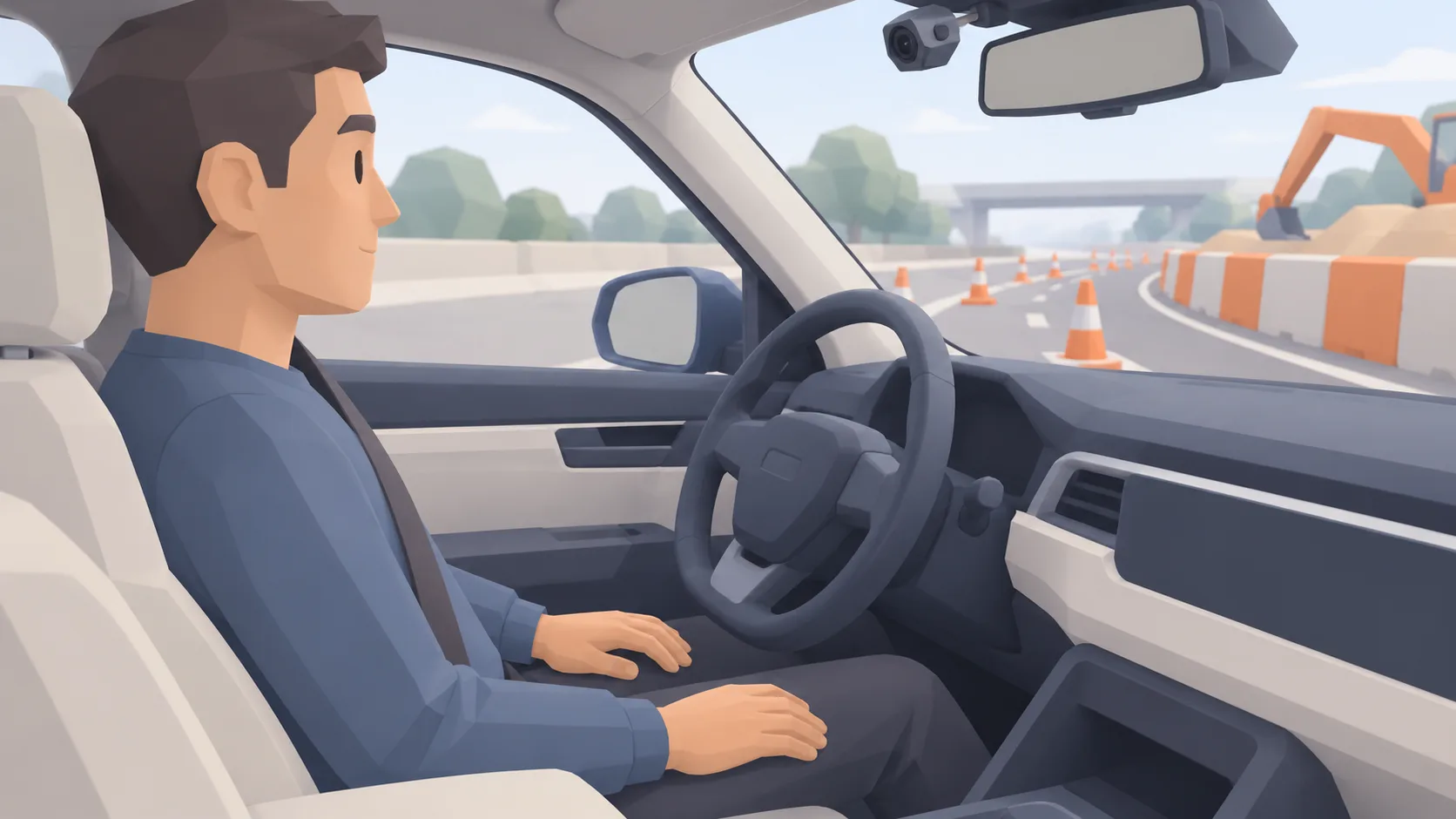
Volvo calls it a Level 2++ system. The company says it will handle complex city driving, including traffic lights, stop signs and unprotected left turns, without explicit driver control. It is similar to Tesla’s Full Self-Driving (Supervised), according to Volvo. Ali Kani, Nvidia’s vice president and general manager of automotive, also compared it with the Nvidia-powered system recently introduced in the new Mercedes-Benz CLA sedan.
Volvo will combine Nvidia software with its safety systems
The system will use Nvidia’s Hyperion platform, including its chips and sensors mounted around the vehicle. Volvo will also use Nvidia’s Alpamayo software to interpret complex road conditions and plan steering, braking and acceleration. The planned setup does not include lidar, although Volvo could add it later.
Volvo will contribute its own driver-understanding technology. Alwin Bakkenes, head of global software engineering at Volvo Cars, said it examines driver behavior in more detail than a basic driver monitoring system. Volvo also plans to use its connected safety technology, which lets vehicles share information about hazards and conditions ahead, including roadworks. That information could extend the system’s awareness beyond what one car’s sensors detect.
The plan follows earlier automation setbacks
The expanded Nvidia partnership follows two setbacks for Volvo. The company effectively sidelined its Ride Pilot Level 3 unsupervised driving system in the US after it failed to secure regulatory approval. Its plan to put lidar sensors in some models also fell away after supplier Luminar went bankrupt.
Kani said point-to-point driving could have more commercial value than assistance limited to highways. Nvidia also sees the partnership as a way to help Volvo develop ongoing software-based offerings.
Volvo intends to offer the system in vehicles ranging from entry-level to high-end models. It has not said which models will get it first. Bakkenes said the launch will come before the end of the decade.