
The Ethereum Foundation has put zkAPI live on Ethereum's main network. This new system lets people pay for artificial intelligence services without tying their identity to their prompts, according to the Ethereum Foundation's announcement.
Prompts are personal. People ask artificial intelligence models about their health, their finances, and their doubts. Under the current model, using artificial intelligence means handing a running transcript of your thinking to whoever holds the billing relationship, the Ethereum Foundation argued.
ZkAPI separates payment from identity. Users deposit credits like ETH or USDC into a vault contract on Ethereum in one ordinary transaction. From then on, the balance exists as a private note, acting as digital cash that only the user can spend and that nobody can trace back to the deposit.
 Read nextNvidia launches $4,999 DGX Spark with 64GB RAM amid memory crunch
OA Chat launched alongside the tool
The tool was built with the Open Anonymity Project. Alongside the launch comes OA Chat, a browser-based private chatbot that needs no installation, and the code is open on GitHub.
The concern over privacy in the artificial intelligence space is not an abstract one. In May 2025, a federal court ordered OpenAI to preserve its output logs, including chats users had deleted, in a copyright lawsuit brought by The New York Times and other publishers.
Devices build zero-knowledge proofs for payments
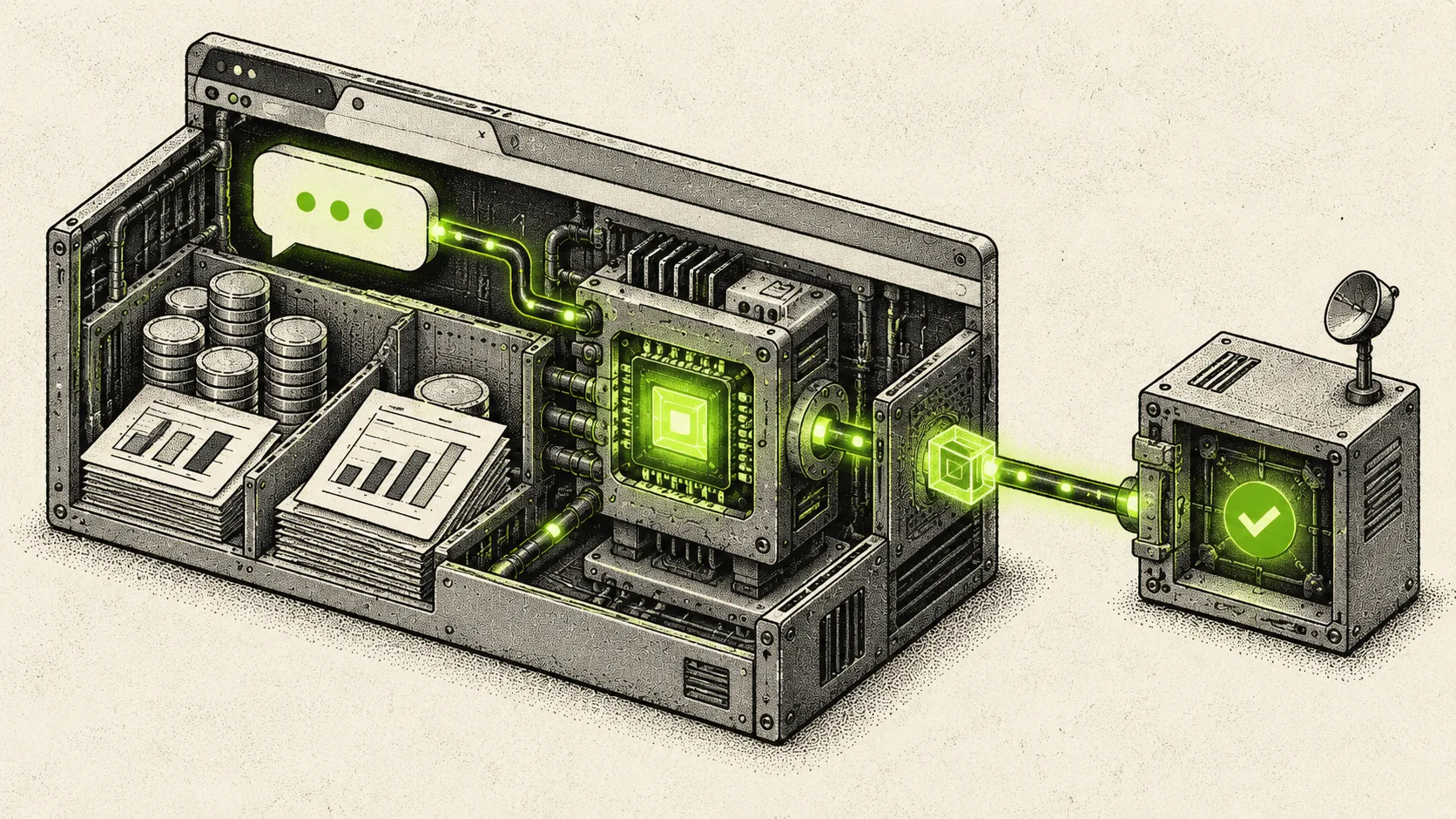
With this implementation, every time a user wants to ask an artificial intelligence something, software on their device builds a zero-knowledge proof. This is a mathematical receipt that proves a fact without showing the details behind it. This specific proof shows the user has enough funds and has not already spent them.
The server checks the proof and hands back a temporary API key, which is basically a password that lets software talk to an artificial intelligence service. The key is capped at a dollar amount and lives only in the device's memory.
User requests then go to the artificial intelligence provider with that key and nothing else. There is no name and no payment details attached.
When the key expires, the provider issues a signed usage receipt and the user is charged for what was actually used, rather than the cap. The provider sees what was asked and the payment layer sees what was spent, but neither can link the two.
The repository labels the protocol experimental and does not list a formal audit.