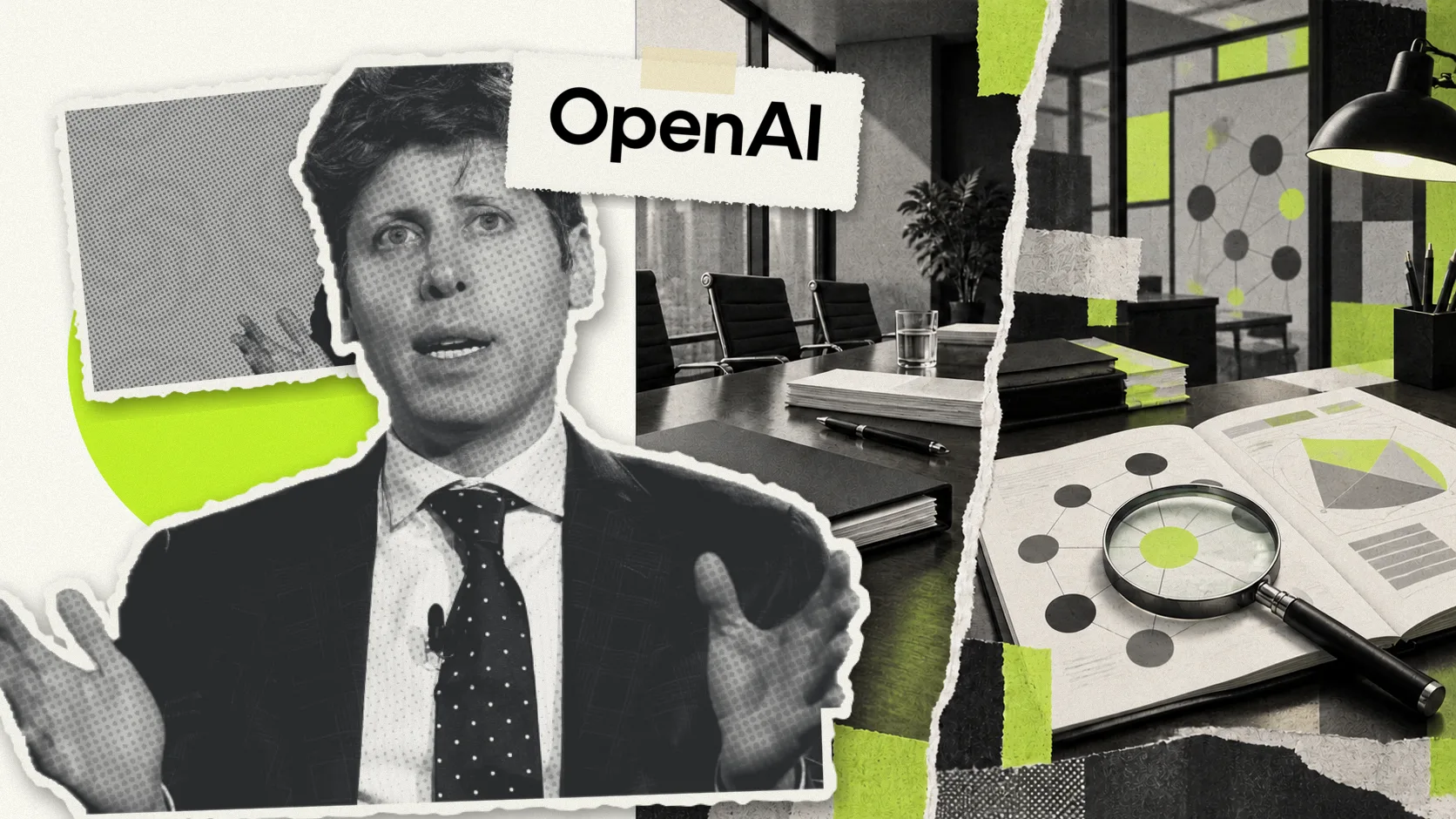
OpenAI hosted its first brand trip over the weekend, taking a group of content creators to a nature-filled retreat outside New York City. The event used the marketing name Summer Club and reportedly took place at Wildflower Farms. Several influencers posted videos and photos from their cabins, showing off branded merchandise and monogrammed pajamas while discussing scheduled programming. Many attendees belong to the career and business niches, posting about workplace culture or operating as CEOs.
Grace McCarrick, a TikTok creator with 145,000 followers, vlogged from her suite while running a bath at night. Another attendee, Nat Lucy, who has 57,000 followers, filmed a deer outside her cabin. The initial posts generated relatively little traction compared to traditional brand trips. McCarrick received fewer than 300 likes, while Lucy earned under 15,000 views. However, reaction videos quickly gathered over half a million combined views and turned the event into an online controversy.
Users criticized the trip over environmental concerns
Commenters heavily criticized the participants in response to the posts. Users cited the environmental effects of the artificial intelligence boom, the contentious buildout of data centers across the United States, and the potential for job loss or replacement. Some audiences also questioned why many creators on the trip were young women. Pew research indicates that while the usage gap between genders has disappeared, women tend to view artificial intelligence more negatively and are twice as likely to expect a negative personal impact.
McCarrick responded to the backlash through multiple videos and a post on LinkedIn. She stated that she genuinely had no idea people were this anti-artificial intelligence and described the response as shocking online psychosis. She added that people in the real world do not run around screaming about water usage, wildlife, and fascism. None of the influencers reached out to by reporters responded to requests for comment.
OpenAI spokesperson Edie Campbell-Urban defended the event in an email. Creators are an important part of the community and how people learn about products today, according to Campbell-Urban. OpenAI welcomed healthy debate and valued creators who attend events and ask tough questions. The company intends to continue valuing creators just as it does traditional media and other marketing partners.
The retreat featured rooms costing upwards of 2,000 dollars a night, yet it remained relatively simple compared to international vacations hosted by fast fashion or beauty brands. Multiple influencers noted it was their first brand trip, and one indicated they were not paid to attend. The primary goals of the trip appeared muddled due to a surprising lack of detailed content about artificial intelligence capabilities online. Instead, the posts focused largely on aspirational lifestyle content, free swag, and the scenic setting.
 Read nextReddit is ending support for RSS feeds and public API access
AI companies use influencers to soften public perception
Artificial intelligence companies have increasingly turned to influencer marketing as industry scrutiny grows. Anthropic has hosted lowkey influencer dinners at trendy locations, and industry observers note the possibility of a second OpenAI trip on the West Coast. These strategies rely on human touches like pop-up coffee shops, stylized merchandise drops, and creator partnerships to soften public perception. Influencers serve as a convenient vessel for brands, though they also absorb the direct backlash from audiences concerned about the technology.
OpenAI has not announced the dates or locations for any upcoming creator events following the initial Summer Club retreat.