
Oobleck is a mix of cornstarch and water. It's famous for acting like a liquid when you stir it slowly but solidifying when you punch it. It's named after the Dr. Seuss book, "Bartholomew and the Oobleck." Recent research in Physical Review Letters shows more surprising oobleck properties.
Normally, a fluid's viscosity depends on temperature and pressure. Water flows no matter what forces act on it. But oobleck is a non-Newtonian fluid. Its viscosity changes when force is applied. It blurs the line between liquid and solid.
Think about stirring water. It moves out of the way. Its viscosity stays the same. But with oobleck, applying force changes how it flows. Ketchup is similar. Hitting the bottle doesn't make it pour faster. The force increases its viscosity.
Yogurt, gravy, mud, pudding, and pie fillings also act this way. Oobleck's simple recipe hides complex physics. Scientists find it fascinating. In 2023, University of Chicago engineers used nanoparticles to see what happens at the molecular level when oobleck turns solid.
The next year, UC Merced researchers made films that get tougher on impact, like oobleck. These films could be used in smartwatches, sensors, and health monitors. Oobleck-like materials have potential.
 Read nextMeta, MIT and University of Washington Researchers Introduce Context Language Models
Latest Research
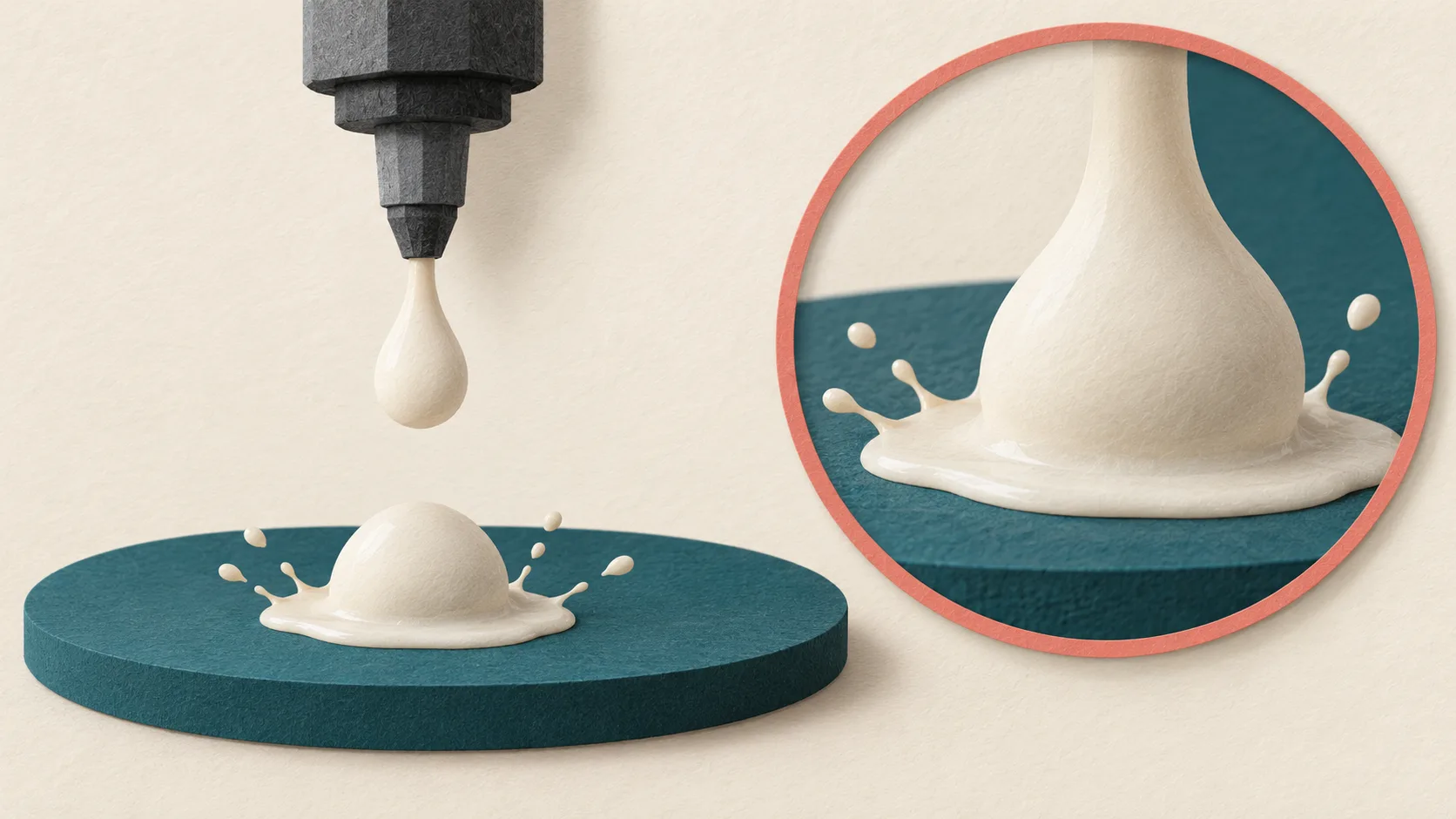
Anahita Mobaseri, a physicist at the University of Minnesota, led a new study. Her team looked at oobleck drops hitting a flat surface. This is important for 3D printing, soft robotics, and applying industrial coatings. They used cornstarch suspensions with different viscosities. They watched the drops with force sensors and a high-speed camera.
Mobaseri's work could refine how we use these materials. Understanding oobleck helps improve other technologies. The underlying physics of seemingly simple materials continues to surprise and inspire.