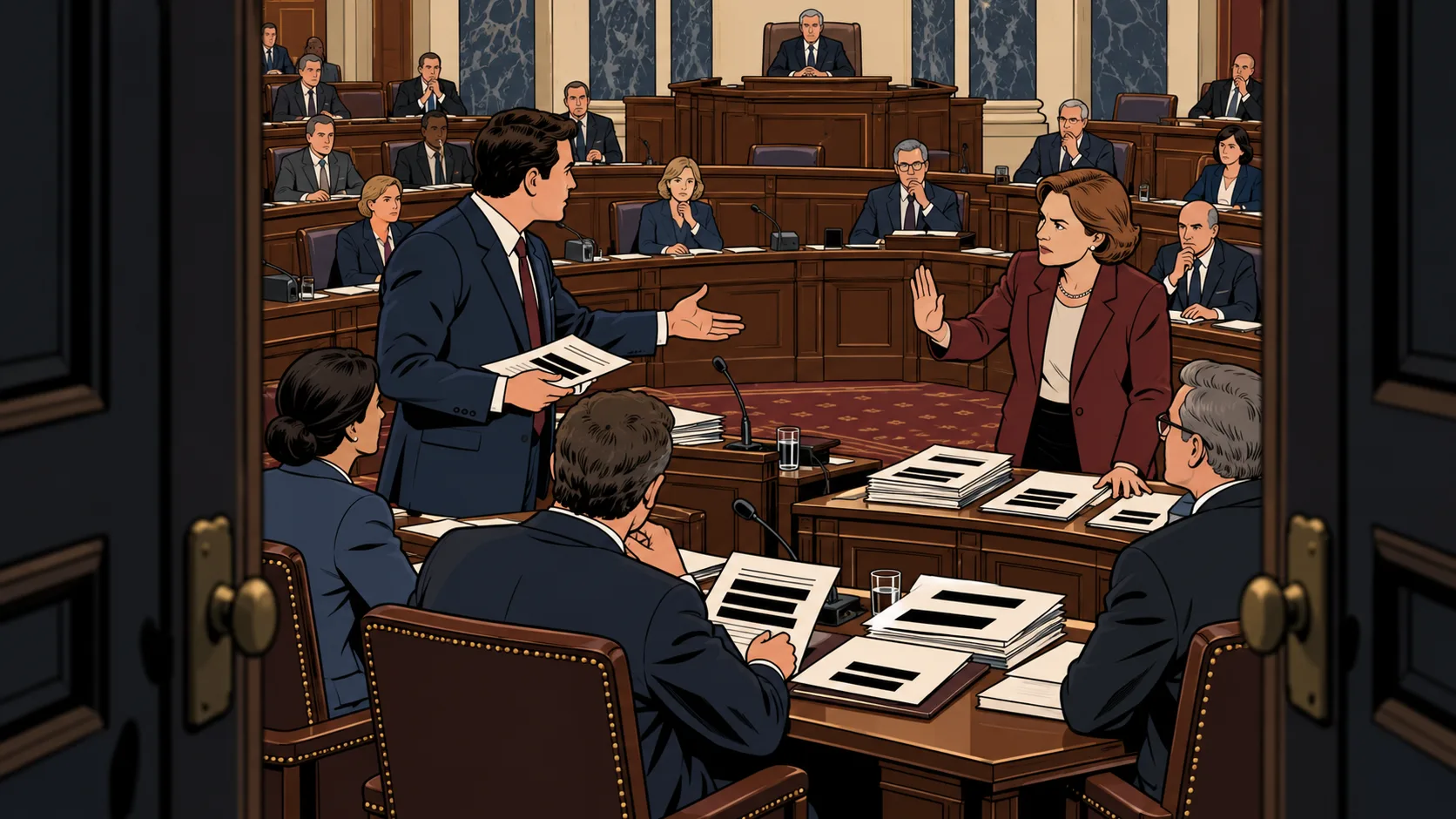

A controversial surveillance law is back on the table. Section 702 of the Foreign Intelligence Surveillance Act (FISA) is set to expire soon. This law allows federal agents to monitor communications, even those of Americans. A bipartisan group in Congress wants to change it. Others want a "clean" reauthorization.
Section 702 was first enacted in 2008. It lets agencies like the FBI and NSA monitor foreign targets. They can access communications of "non-US persons" outside the country. The catch? If an American is talking to one of those targets, their communications can be swept up too. Critics call it a "backdoor search loophole."
Speaker Mike Johnson is delaying the vote
The last reauthorization in 2024 was messy. It almost didn't happen. Now, House Speaker Mike Johnson is delaying the vote. Some say it's to weaken the push for reform.
Concerns about Section 702 aren't new. Edward Snowden revealed details about its use back in 2013. Progressives are especially worried given past abuses. Declassified documents show the FBI used Section 702 to search information on a member of Congress, campaign donors, and Black Lives Matter protesters between 2018 and 2020. They also targeted government officials, journalists, and political commentators.
 Read nextMeta, MIT and University of Washington Researchers Introduce Context Language Models
Advocates fear the law could spy on citizens
Privacy advocates are sounding the alarm. They fear the law could be used to spy on American citizens. Stephen Miller, a White House advisor, sees Section 702 as vital to homeland security, according to Politico sources.
The debate boils down to security versus privacy. How much power should the government have to monitor communications? Where do we draw the line to protect civil liberties?
The clock is ticking. Congress has to decide whether to renew, reform, or let Section 702 expire. The decision will have a big impact on surveillance and privacy rights.