
Huawei launched a new processor that it states contains no US technology. The Chinese giant calls this new silicon the Kirin 950 Pro. Company executives claim its LinxiCore processor cores, GPU, and neural processing unit all feature proprietary designs.
The system on a chip utilizes the Tau Scaling architecture. Huawei explains that this design arranges components closer to each other. The layout reduces die size and boosts performance. This happens without relying on advanced manufacturing processes used by companies like TSMC and Intel.
When Huawei revealed Tau Scaling last May, market analysts noted the company achieved interesting results with its silicon. Those same observers concluded that Huawei did not achieve any fundamental breakthroughs.
Huawei disagrees with that assessment. The organization states its new hardware delivers 42 percent higher performance than the processor used in its previous folding phone released last year.
The chip powers a new folding phone
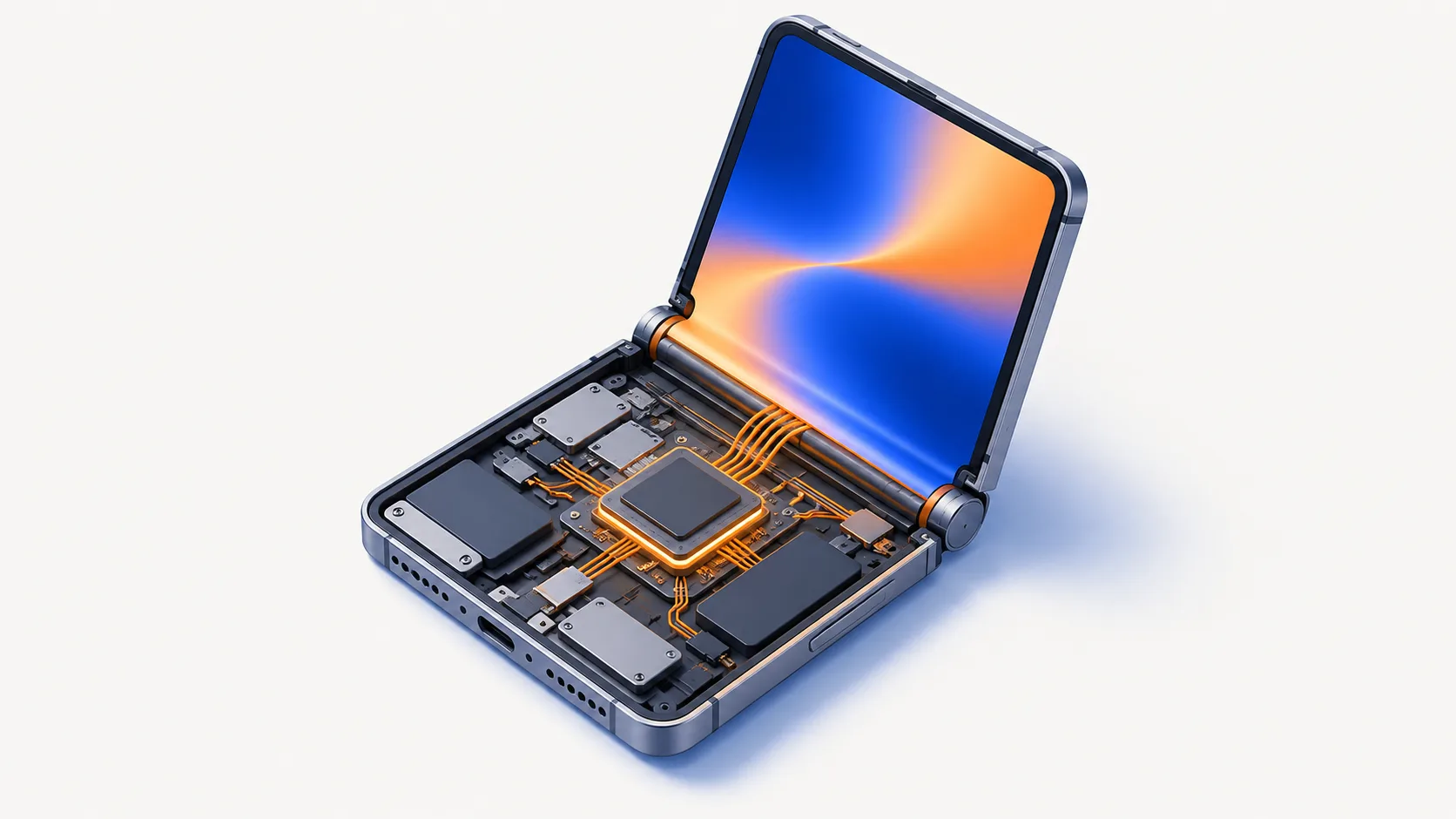
The company deploys the Kirin 950 Pro inside its new Mate XT2. This device is a three-screen folding phone priced at $2,979.
Counterpoint research projects that Huawei will close 2026 holding 24 percent of the folding phone market. That specific market represented 1.6 percent of total smartphone sales last year.
Huawei timed this hardware reveal just days before pundits expect Apple to launch a folding iPhone. Counterpoint predicts that upcoming Apple device will capture 25 percent of the folding phone market by the end of the year. Because of this timing and niche focus, the Kirin 950 Pro will likely have a minimal impact on the broader smartphone market.
During the launch event, executives highlighted adoption rates for HarmonyOS. This software operates on 85 million devices since its October 2024 debut. Despite strong growth, this user base remains a fraction of the total smart device market.
If Huawei adapts the technology behind the Kirin 950 Pro for other applications, Chinese industries might bypass comparable hardware from AMD, Intel, and Nvidia. Such a shift would prove that local firms can build technology that lowers dependence on foreign imports.
During the product launch, Huawei executives did not mention any plans to modify the new chip for different computing roles. The Tau Scaling architecture will therefore not threaten major international rivals immediately.
 Read nextAi2 releases OlmoEarth v1.3 with global satellite embeddings
Huawei fails to achieve success outside China
Western chipmakers are aware that Beijing encourages domestic buyers to choose local alternatives over foreign products. A larger question centers on whether these Chinese manufacturers can succeed outside their home nation. China prioritizes consumer product exports to drive domestic growth. Smartphone brands such as Xiaomi, Oppo, and Honor achieved strong sales across Europe, Africa, and Latin America using Android and Google services.
Huawei hardware and the HarmonyOS ecosystem have failed to achieve similar notable success outside China.