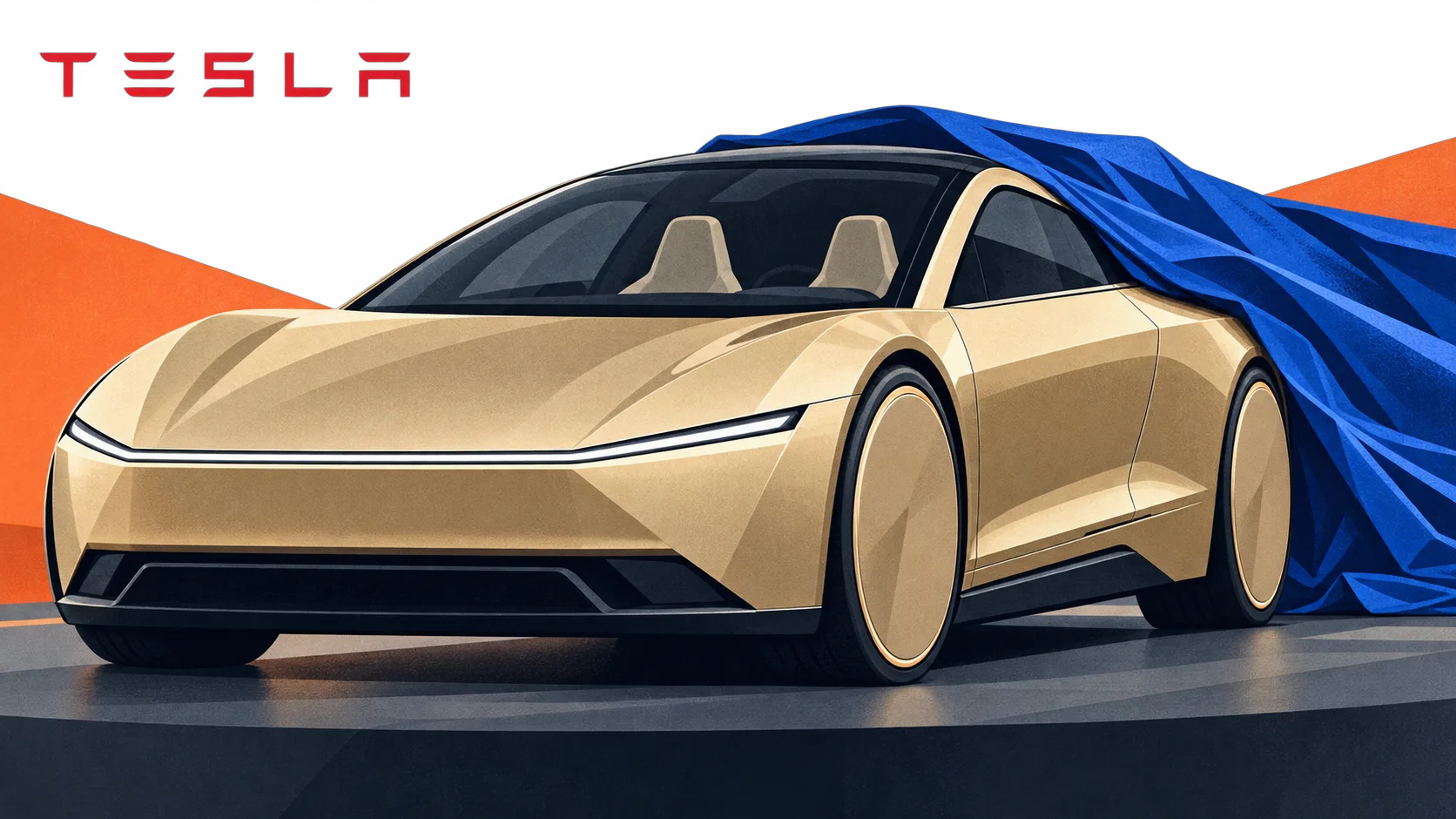

Tesla said Wednesday that it will start selling Cybercabs to customers by the end of the year. The gold-colored autonomous two-seater has no steering wheel or other traditional controls. Federal regulators are investigating whether it meets vehicle safety standards.
On Tesla’s third-quarter earnings call, vice president of engineering Lars Moravy said every Cybercab produced today is going to Tesla’s own robotaxi fleet. As that fleet grows, Tesla will begin delivering vehicles designed for autonomous use to customers, starting on a small scale. Moravy said the company would expand as it learns more about delivery, ownership and fleet management.
Tesla raised the prospect of selling Cybercabs to third parties last month, around its Cybercab event in Austin. It also posted a form for people interested in buying robotaxis. At the time, the company had not explained how those sales would work.
 Read nextTesla starts Optimus production as third-quarter profit falls 43%
Tesla sets a later date for unsupervised FSD
CEO Elon Musk has long described plans for a large fleet of low-cost robotaxis. Until recently, those plans focused on updating privately owned Teslas so they could operate as self-driving taxis. That has yet to happen.
Owners can currently subscribe to Full Self-Driving (Supervised). The driver-assistance system handles many driving tasks, but a human driver must stay engaged and ready to take over. Tesla continues to update the software, although videos show some drivers testing the limits of that requirement. Musk said Wednesday that an unsupervised version would reach customers sometime in the second quarter of next year, another delay for owners who bought or subscribed to the software years ago.
If both dates hold, outside fleet customers could buy Cybercabs and potentially use them as robotaxis before owners gain unsupervised driving in their own Teslas. Musk said the Cybercab is intended chiefly for ride-hailing rather than personal ownership. He said most Cybercabs would remain Tesla-owned and provide transportation as a service.
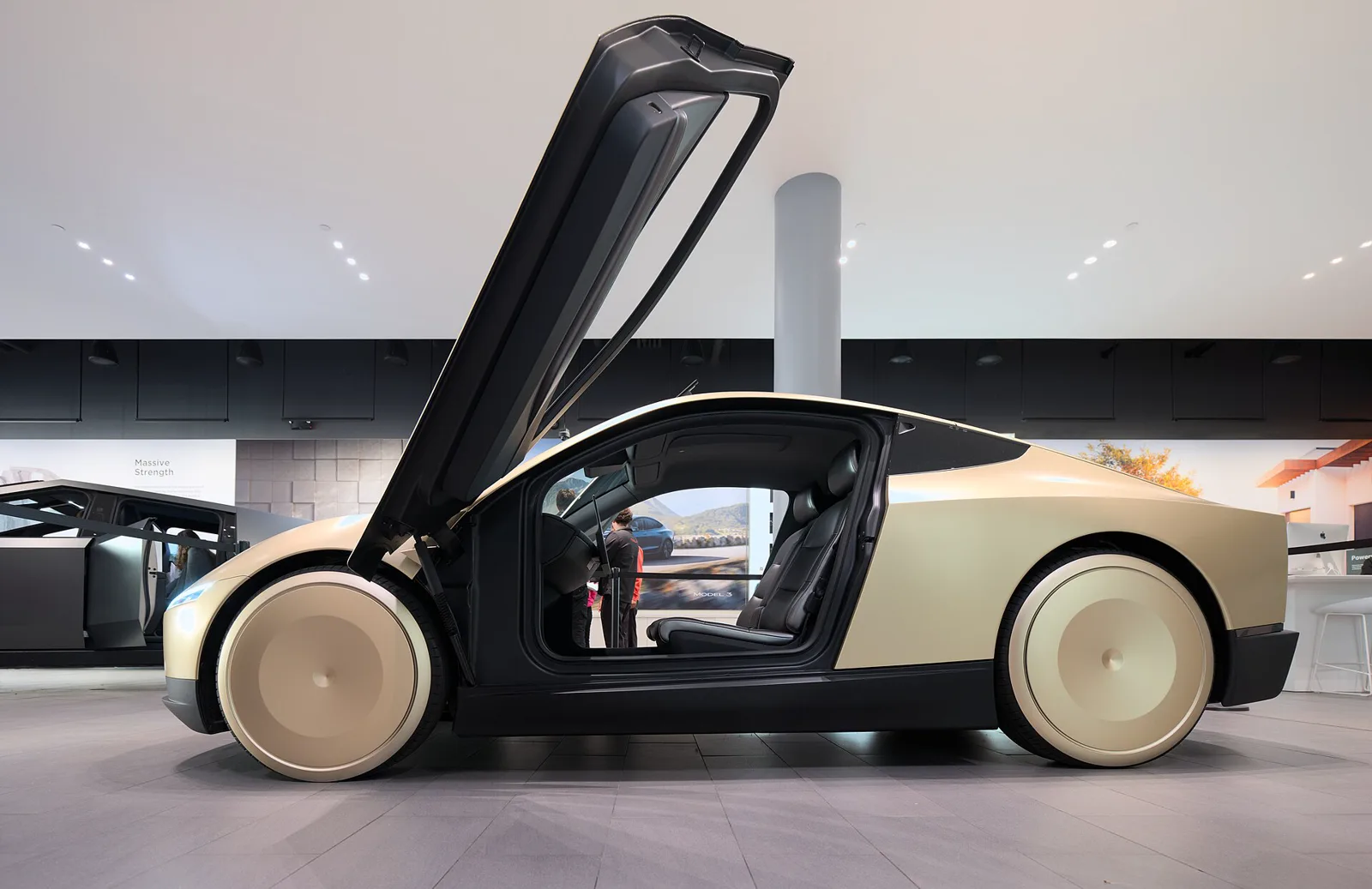
Regulators examine the Cybercab’s certification
The National Highway Traffic Safety Administration opened an investigation last month, hours after Cybercabs began operating on public streets in Austin. Federal Motor Vehicle Safety Standards require manual controls, including brake pedals, and features such as rearview and side mirrors. Tesla certified the Cybercab’s compliance itself, as automakers traditionally do.
Current rules do not accommodate vehicles without manual controls, though the Department of Transportation recently proposed removing those requirements for vehicles designed to drive autonomously. The investigation’s outcome could affect whether Tesla or anyone else can legally operate the Cybercab. NHTSA said it would examine the process and technical data Tesla used to certify the vehicle.