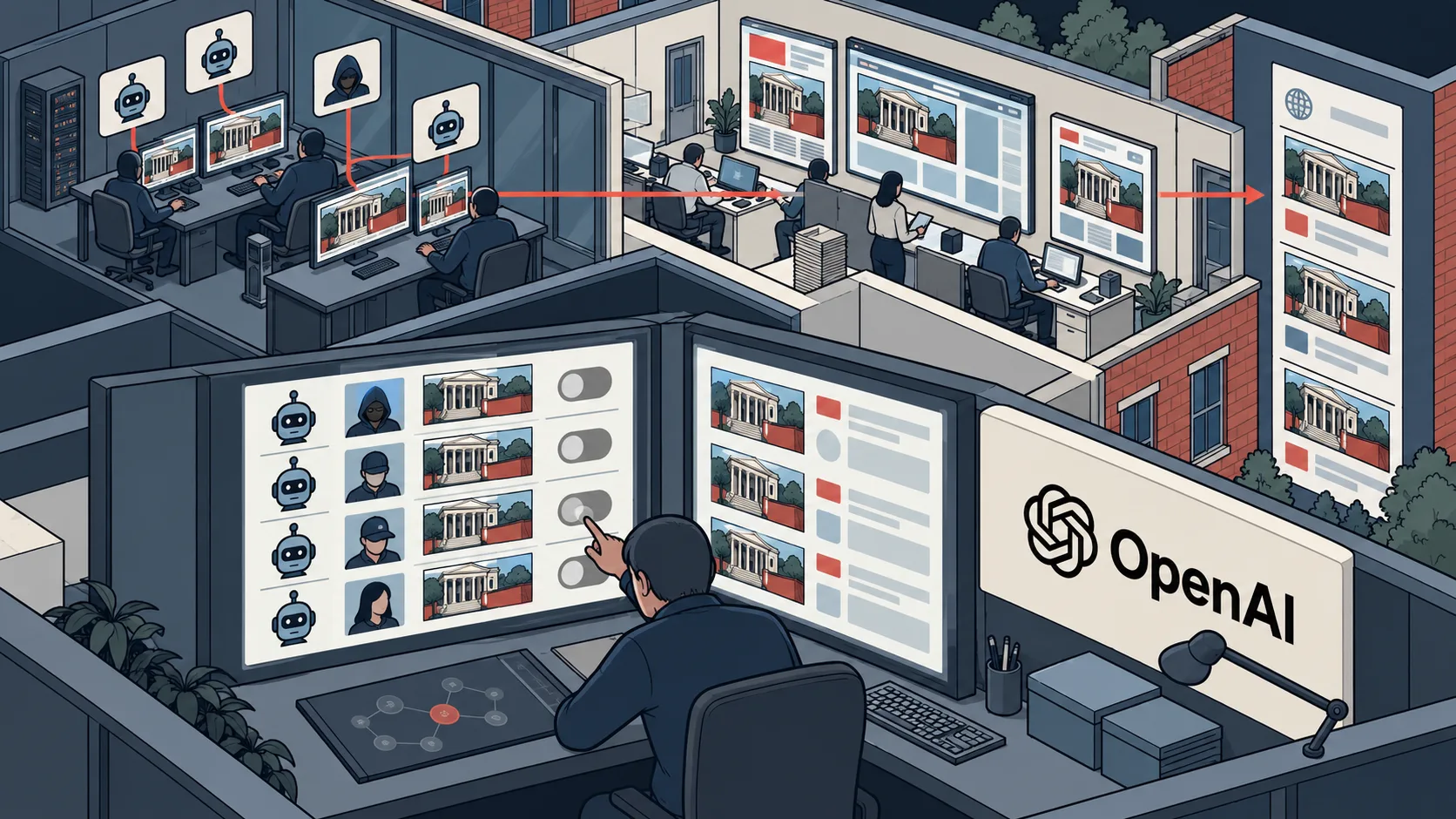

The FBI arrested an OpenAI employee accused of placing a hidden recording device in an executive conference room at the company’s San Francisco office. OpenAI said it found the device, alerted the FBI and fired the employee.
Federal prosecutors identified the employee as Abdulrahman Alfozan, a Saudi national. He was arrested on October 9, about a week after OpenAI discovered the device. OpenAI spokesperson Nate Evans said Alfozan joined the company’s product team in July 2025.
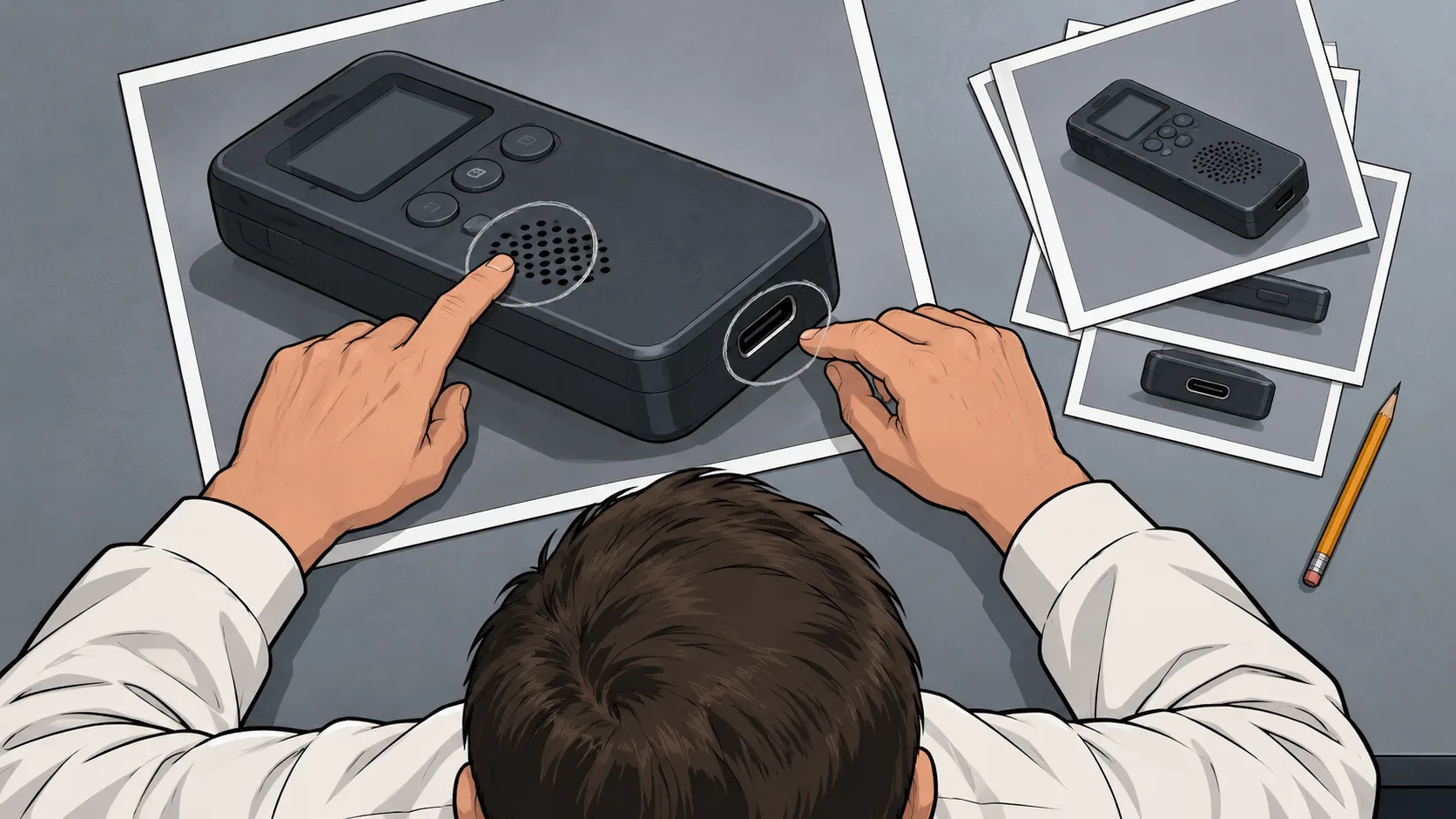
Prosecutors with the U.S. Attorney’s Office for the Northern District of California charged Alfozan with using an electronic device to intercept oral communications. They said the device had been inserted into a USB port on the back of a television. According to prosecutors, a camera OpenAI placed near the television allegedly captured Alfozan looking behind it, where the device was located.
 Read nextOpenAI details cases of misaligned AI models bypassing rules and corrupting environments
OpenAI described the device as sophisticated
OpenAI said in a post on X that it used its internal AI models to examine the device, which it called “sophisticated.” The company told TechCrunch it had “advanced encryption, audio monitoring capabilities, and a mechanism for transferring data designed to evade monitoring.” It is unclear how technically different the device is from other recording equipment.
“At this time, we have no indications of this individual inappropriately accessing or exfiltrating model weights, source code, or customer data,” OpenAI said in its post.
The FBI said the scheme targeted sensitive communications
The device’s purpose remains unclear. FBI director Kash Patel said the alleged scheme sought to “capture sensitive communications about the company’s super intelligence technology.” An FBI spokesperson, reached for comment, reiterated Patel’s statement. Patel also said, “Protecting American SI innovation is essential to safeguarding our nation’s economic strength and national security, and the FBI views that mission as one of our highest counterintelligence priorities.”
Neither Alfozan nor his attorney could be immediately reached for comment. Alfozan faces five years in prison if convicted.