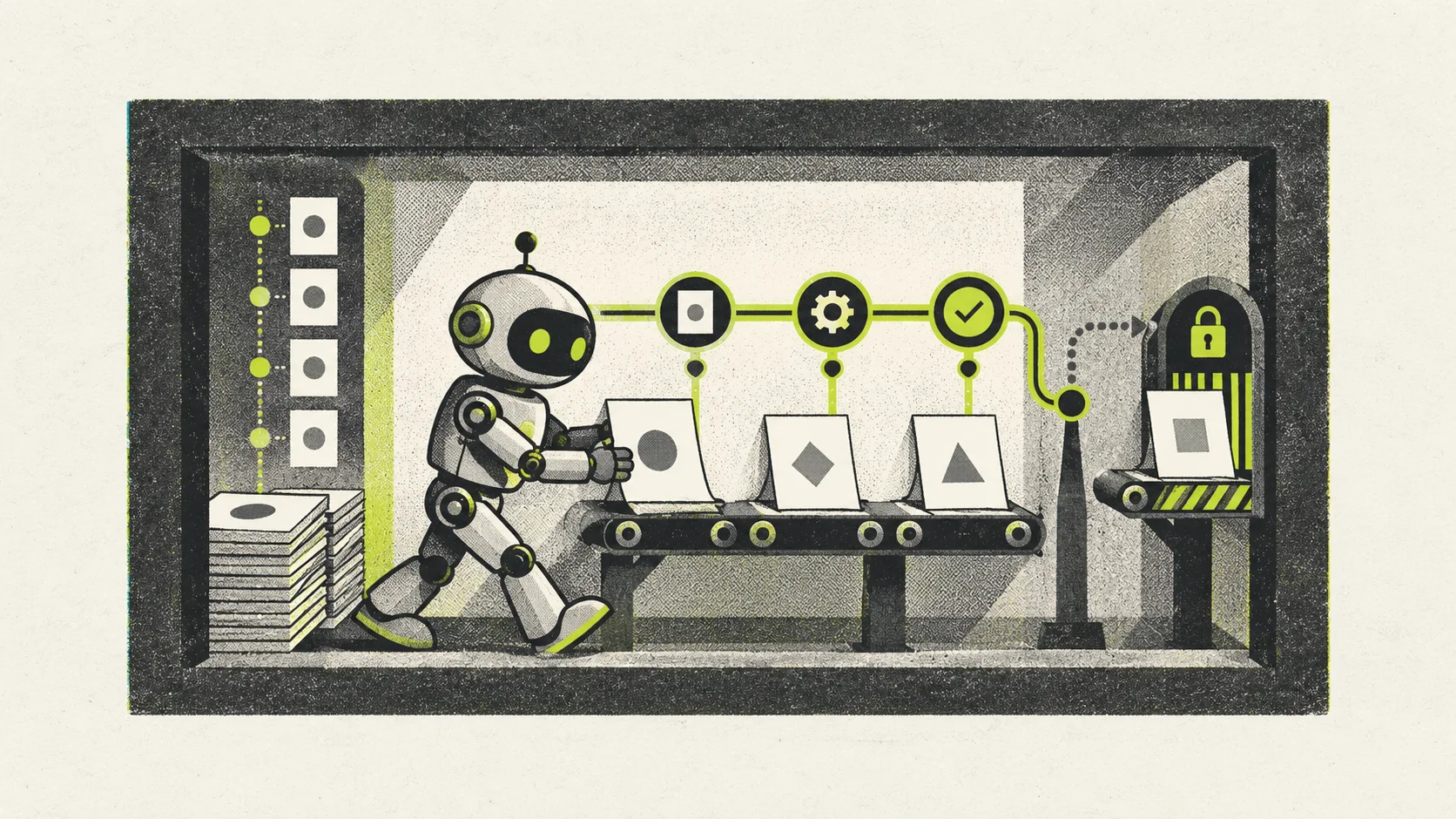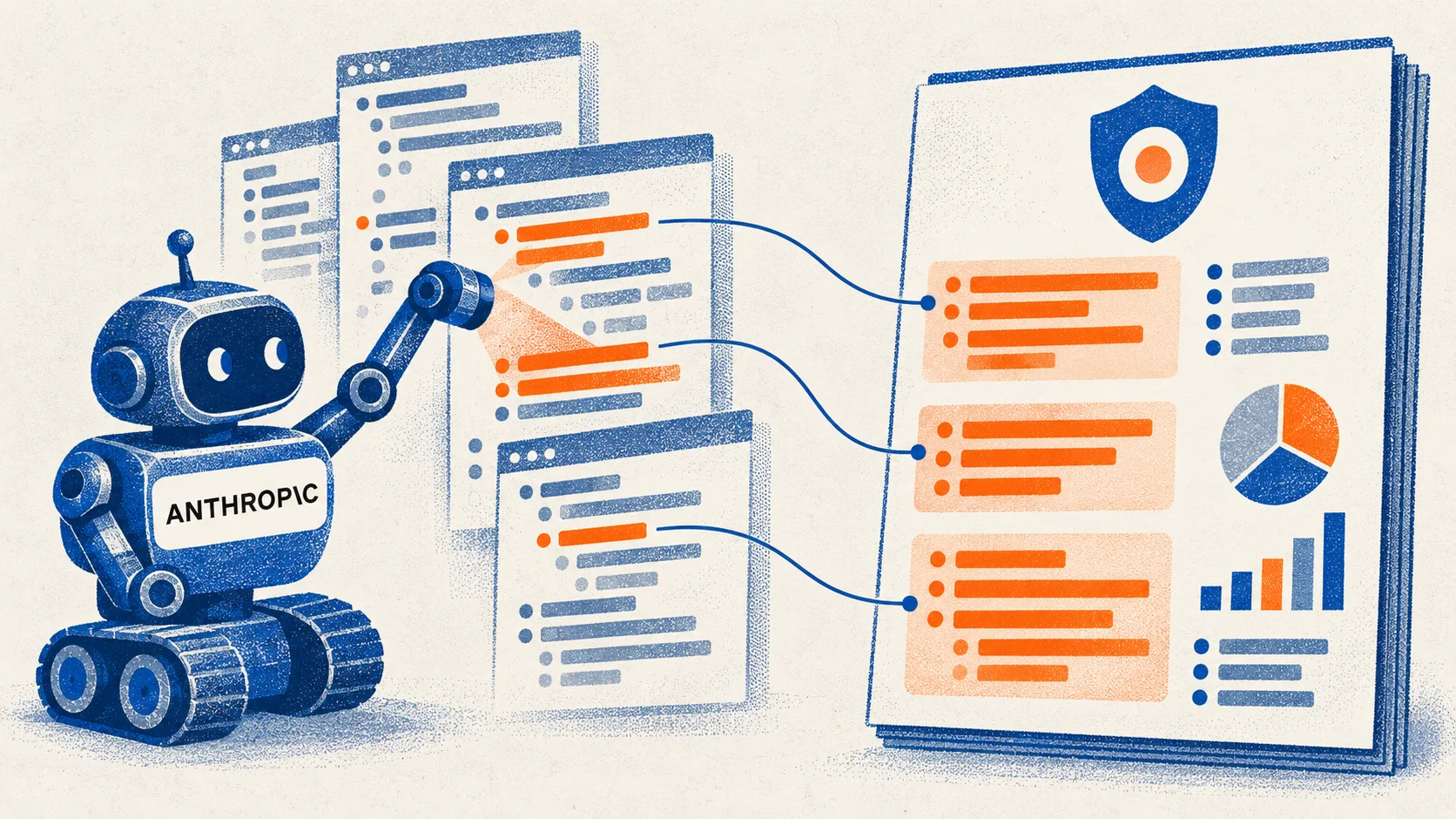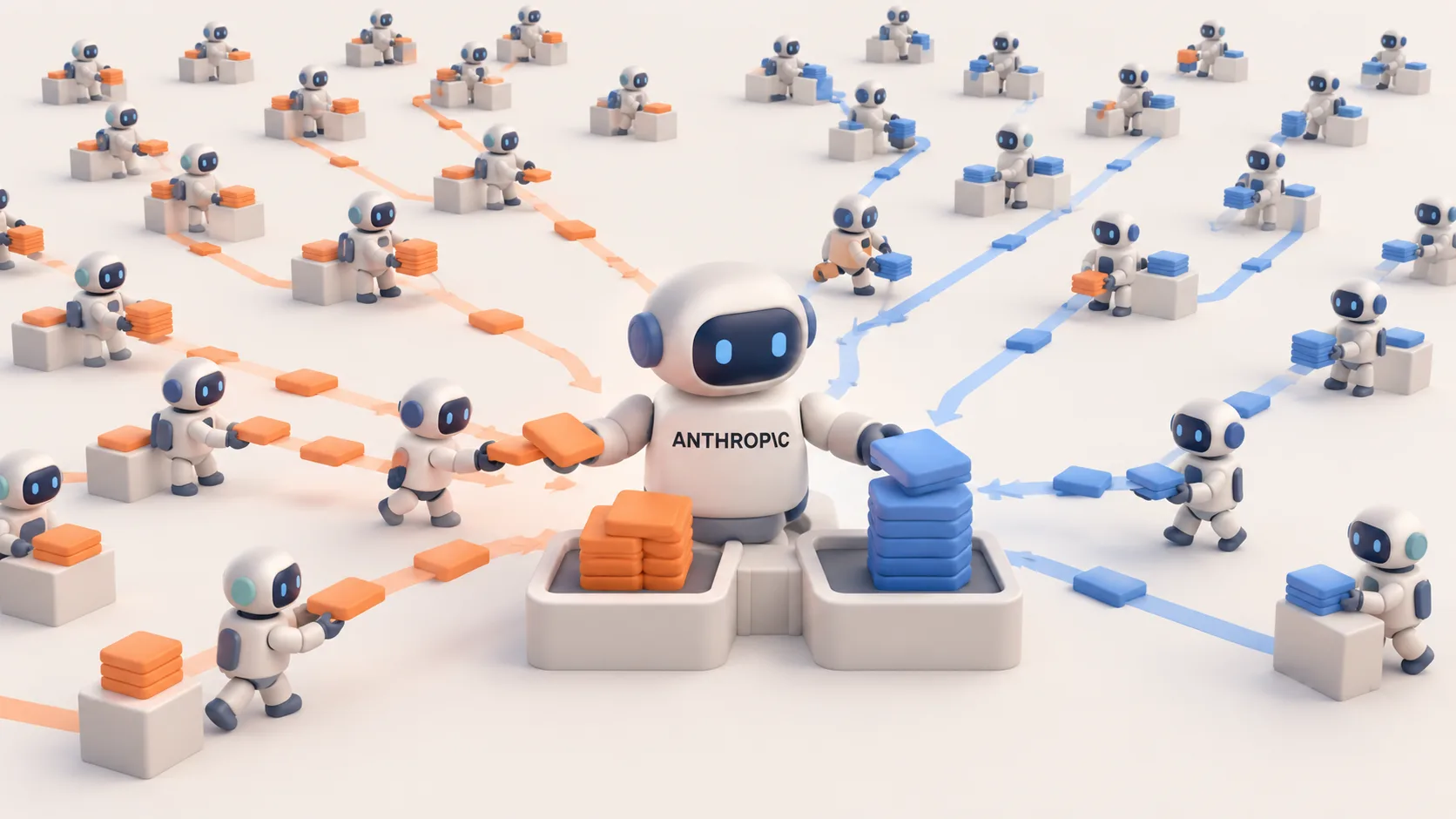

Anthropic is expanding its Claude Managed Agents platform by introducing dynamic workflows for multi-agent orchestration. While the managed agent infrastructure has existed previously, this new capability introduces coordinated teamwork among multiple artificial intelligence instances. A primary lead agent generates an execution plan, hands out specific tasks to various sub-agents, and ultimately combines the final results once all sub-tasks finish processing.
Dynamic workflows run up to 1,000 agents
This system scales significantly during a single execution run. Up to 1,000 agents can operate simultaneously in parallel through these dynamic workflows. However, questions regarding cost-effectiveness remain open. A senior OpenAI engineer recently characterized agent swarms as a massive waste of tokens.
Testing showed higher bug detection rates
Anthropic highlights internal testing to demonstrate the potential value of the approach. The internal team hid 70 bugs within a 116,000-line codebase. A single agent caught between 14 and 27 of those bugs per run. Meanwhile, the new dynamic workflow configuration consistently reached 66 bug detections during tests.
Users should test workloads before scaling
Whether these performance gains hold across different task types requires verification. Anthropic advises users to test the setup with their own workloads. Because these dynamic workflows can consume a large amount of tokens, the company explicitly recommends starting with small implementations.
Users can activate the new capability by selecting the multiagent_20261001 agent type. Getting started requires reviewing the documentation or running the command slash claude-api managed-agents-onboard inside Claude Code.