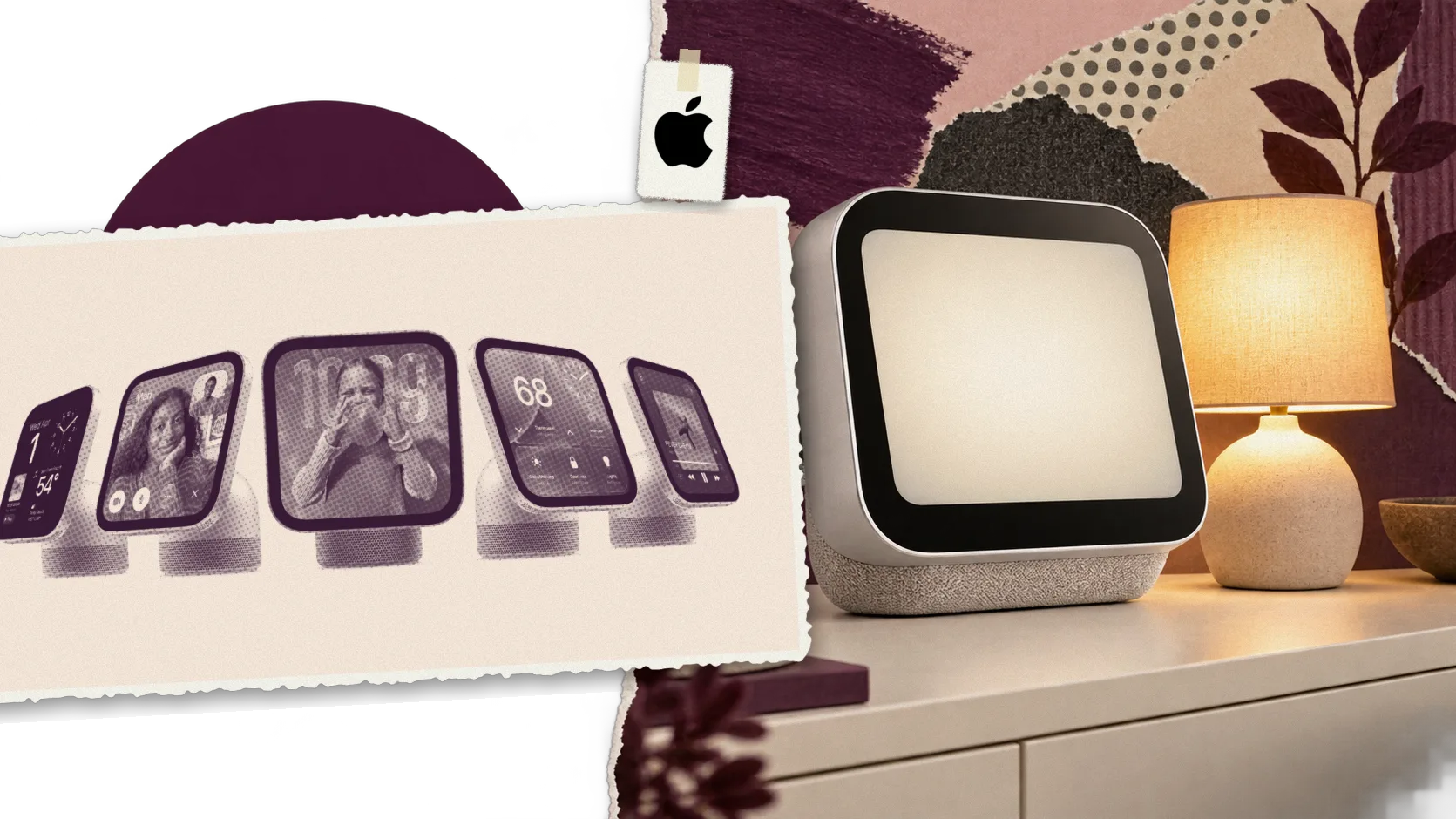

Apple has introduced HomeView, its first smart display. The $299 device combines a 7-inch screen and speaker with Siri AI, FaceTime and controls for Apple Home devices. Preorders are open in the US, UK, Canada, Australia, New Zealand, Singapore, South Africa and India.
HomeView is also a smart home hub, Matter controller and Thread Border Router. It can manage supported Apple Home and Matter devices, including products from Apple’s new collection of cameras, thermostats and a door lock. As an Apple Home hub, it supports local control, scenes, automations and HomeKit Secure Video.
The display offers tabletop and wall options
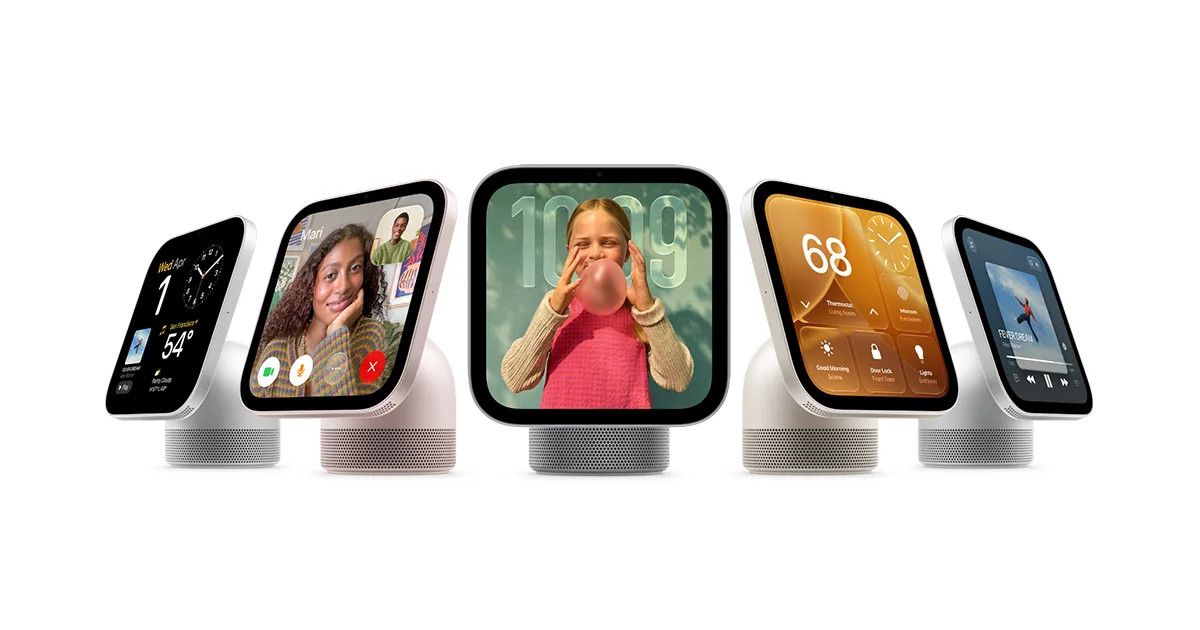
The square screen sits above a small aluminum speaker base on an adjustable stainless steel arm. HomeView comes in silver, starlight, rose pink and space gray. Its screen supports True Tone and ambient light adjustment, with brightness ranging from 0.3 to 500 nits. There are no physical volume or power buttons, and the 12-megapixel FaceTime camera has no cover. Apple says the camera is used only for calls and facial recognition.
The tabletop model has two speaker drivers in the display, plus a woofer and two force-canceling passive radiators in the base. The Verge’s initial listening impression placed its sound above the HomePod Mini but below the HomePod. A wall-mounted version also costs $299. It drops the speaker base and offers plug-in, in-wall power and in-wall PoE mounting. Apple says its audio is tuned for wall placement; The Verge did not hear that version.
Customizable screen faces can show photos, clocks, Snoopy or widgets for apps such as a to-do list, world clock and podcasts. A home face offers controls for lights, climate and cameras. HomeView can also display recipes, keep callers in frame with Center Stage, and show live feeds or footage from HomeKit Secure Video cameras. It can display up to nine live camera streams.
Personal features depend on recognition
Siri AI can answer general questions, control supported home devices and use personal context from messages, calendars and email. Apple says HomeView supports up to six profiles. Facial recognition and a recently unlocked iPhone on the home Wi-Fi network identify the user; personal context also requires an Apple Intelligence-capable iPhone. Each profile needs an iPhone or iPad running the latest OS.
Without recognizing a user, HomeView can still answer general questions, show a live doorbell feed, display recipes, play media and control some devices. Recorded camera footage and security accessory controls require authentication. Apple says recognition data from the microphone and camera is processed in a Secure Exclave on the A18 chip that Apple, the operating system and apps cannot access.
 Read nextGoogle launches Gemini 4 Argon globally with API access and new subscription availability
HomeView runs Apple apps including Calendar, Reminders, Messages and Music. Apple says third-party audio and video apps can work through the CarPlay architecture. Spotify and Audible are among the audio apps available, but there are no video apps yet. Its Siri AI is the upgraded assistant introduced on iPhone with iOS 27. In a demo, it kept context across requests to add a calendar event, set a reminder and update a grocery list. Combined home commands remain limited to specific device types, so one request cannot both lock a door and adjust a thermostat.
The Verge saw demonstrations but had not yet used HomeView. Those demos showed how the shared screen could handle personal tasks and home controls, while leaving open how smoothly it switches profiles in everyday use. Preorders are open now, and devices ship November 13th.