

World co-founder Alex Blania has unveiled World ID for banking and finance. The tools let financial institutions check whether a real person is behind a transaction, trade or customer request, the company said on Sunday.
Bain Capital, OpenExchange, Outtake, Pantera Capital and VanEck Funds are initial design partners, according to World.
Three proofs check identity in different ways
The offering uses three cryptographic proofs in the World ID app. Proof of Human confirms that someone is a real, unique person after a one-time visit to one of World’s Orb devices. Proof of Presence uses a live selfie check on a phone. Proof of Attributes confirms details such as nationality or age from a government ID while revealing only the information requested.
World said banks could require a verified person to approve ACH or wire transfers, or to recover an account, without collecting documents or storing other personal data. AgentKit, a developer toolkit still in beta, lets users delegate certain proofs to AI agents so the agents can transact on their behalf.
The suite also includes World ID for Zoom, building on earlier World integrations with Zoom and Tinder. People verified at an Orb receive a “Human Badge” on their video tile after a live selfie check.

Fraud concerns drive the rollout
World cited a case at engineering firm Arup. In early 2024, an employee transferred about $25.6 million after a video call in which every other participant was a deepfake. Deloitte forecasts that AI-enabled fraud losses in the U.S. could rise from $12.3 billion in 2023 to $40 billion by 2027.
More than 18 million people hold a Proof of Human ID, according to World. The World Foundation raised $52.5 million this year to expand the network.
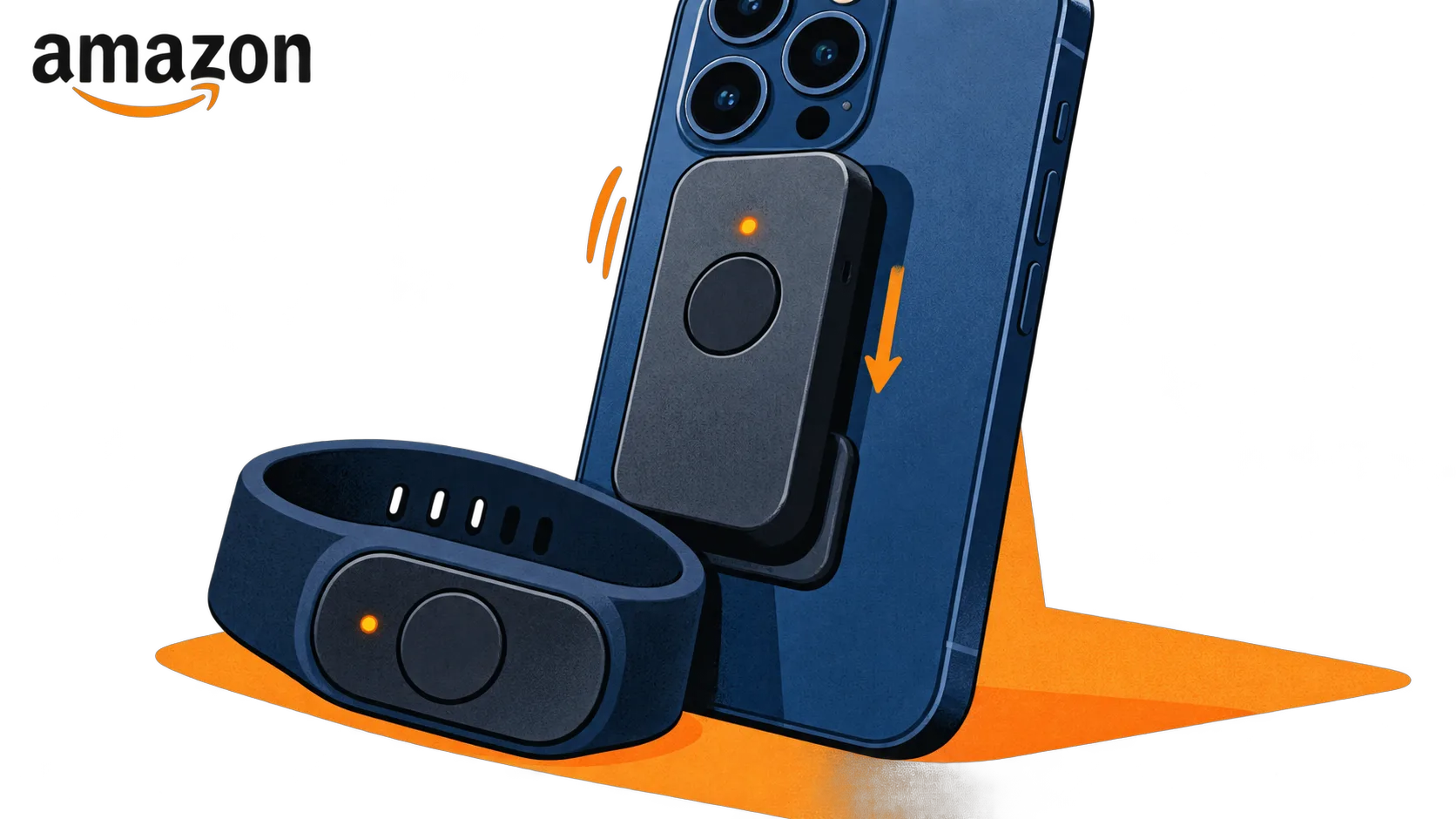 Read nextAmazon’s Bee introduces Frontier wearable and Eclipse phone accessory
World’s iris-scanning model has also faced regulatory action over biometric data. Hong Kong’s privacy watchdog ordered the project to stop iris scanning in 2024. South Korea’s privacy regulator fined it $830,000 later that year, and Spain’s data protection agency told it that December to delete all iris scan data. Last year, a Kenyan court ordered World to delete biometric user data, while Brazil’s data protection authority denied its appeal against a ban.
For video calls, World says Zoom hosts will soon be able to require verification in the waiting room before a call.