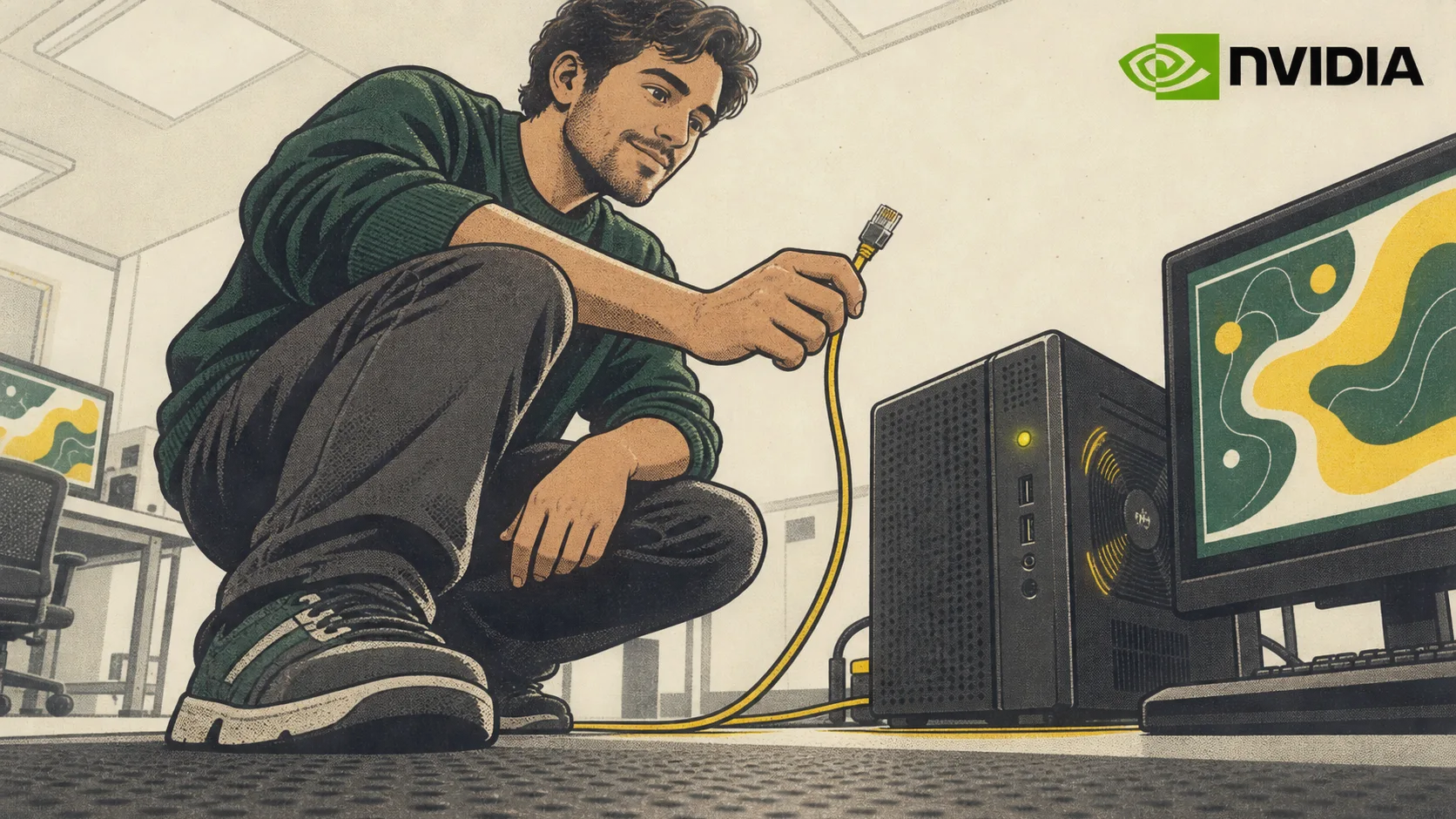

ServiceNow and Nvidia have made Arc, an AI agent for everyday enterprise work, generally available as of Wednesday. The companies first introduced the idea in May. Arc is available on Mac.
The companies are addressing a major obstacle to more autonomous AI at work: security controls. That concern has grown after a summer of breaches involving agents. Arc is designed to work with tools such as email and Microsoft Teams. According to ServiceNow and Nvidia, it can identify action items by scanning an employee’s inbox and meeting notes.
Arc can run locally on an employee’s desktop or on its own device within Nvidia OpenShell. It is designed to run efficiently on Nvidia’s new RTX Spark devices. The companies say it builds memory and skills over time, keeps data as local as possible, and sends complex tasks to frontier models only when needed.
 Read nextNvidia launches OpenShell architecture for AI agent security
Security controls govern Arc as it works
ServiceNow’s Super Intelligence Control Tower provides the governance framework. It is intended to monitor agents, check their access and performance, and look for risks such as prompt injection. Nvidia OpenShell, an open-source runtime control tool, can restrict an agent’s behavior while it works.
IT teams can define policies in the Control Tower for OpenShell to enforce at runtime. Users can control which systems an agent accesses, which APIs it calls and which data it reads. The companies say this extends enforcement into the runtime and hardware layers.

The companies announced another layer, AI Passport, last week. It carries rules set through the Control Tower about an enterprise’s risk tolerance and which services agents may access. Those rules let Nvidia’s controls intervene when an agent attempts an unauthorized action, according to the companies.
If the Control Tower revokes a passport, OpenShell contains the affected task in a sandbox for later review. Other approved actions can continue without a restart. The companies say Nvidia BlueField can enforce a revocation before the agent proceeds.
The layered controls show how the companies plan to govern an agent that can act across workplace tools. Windows support for Arc is still on the way.