
Reliable Robotics has raised $115 million as it works to certify an autonomous flight system for existing aircraft. The funding values the Mountain View, California, startup at more than $1 billion. Co-founder and CEO Robert Rose says the company is making progress with the Federal Aviation Administration.
The financing extends Reliable’s Series D round to $275 million. It includes $90 million in equity led by Nimble Partners and $25 million in debt from Silicon Valley Bank. Other investors include Gideon Strategic Partners, RockCreek, Geek Ventures, Gold Hill Capital and Sparkwave Capital. Reliable has raised $380 million to date.
Reliable has spent nearly a decade developing the technology. Rose previously directed flight software at SpaceX and worked at Tesla and Google. Co-founder and CTO Juerg Frefel also worked at SpaceX, where he spent nearly a decade as an engineer. “We continue to make steady progress and deliver evidence to the FAA and every day, we inch closer and closer,” Rose said.
 Read nextBlackwall raises $100 million at a $2.2 billion valuation
Reliable is pursuing four certifications
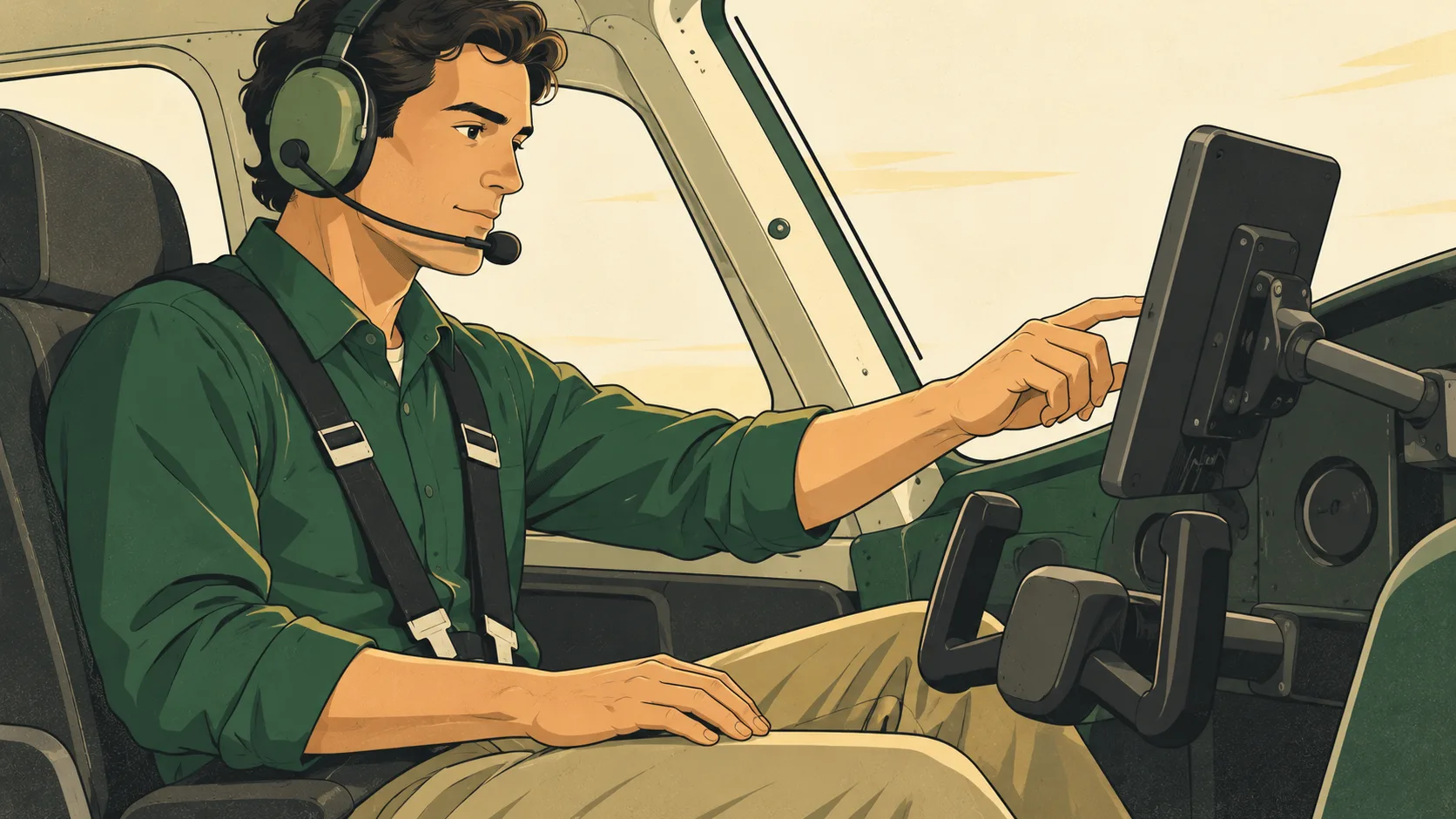
The company’s first product, continuous autopilot engagement, handles engine startup, taxiing, takeoff and landing. A pilot remains aboard and uses a touchscreen to interact with the system. Rose expects certification in 18 to 24 months.
A second certification would move the pilot from the cockpit to a ground-control station. Rose says that approval is at least three years away.
Reliable is also seeking certification for a collision-avoidance radar it developed in-house after legacy suppliers declined to take on the project. Unlike conventional systems with moving antennas, its solid-state radar has no moving parts. Rose says it scans farther and at higher resolution, costs less and is easier to maintain.
“This is of great interest to operators these days, given the collisions that we’ve had recently in commercial aviation,” Rose said. He said the radar can also detect potential collisions with aircraft or infrastructure on the ground. He expects it to be certified by the end of 2027.
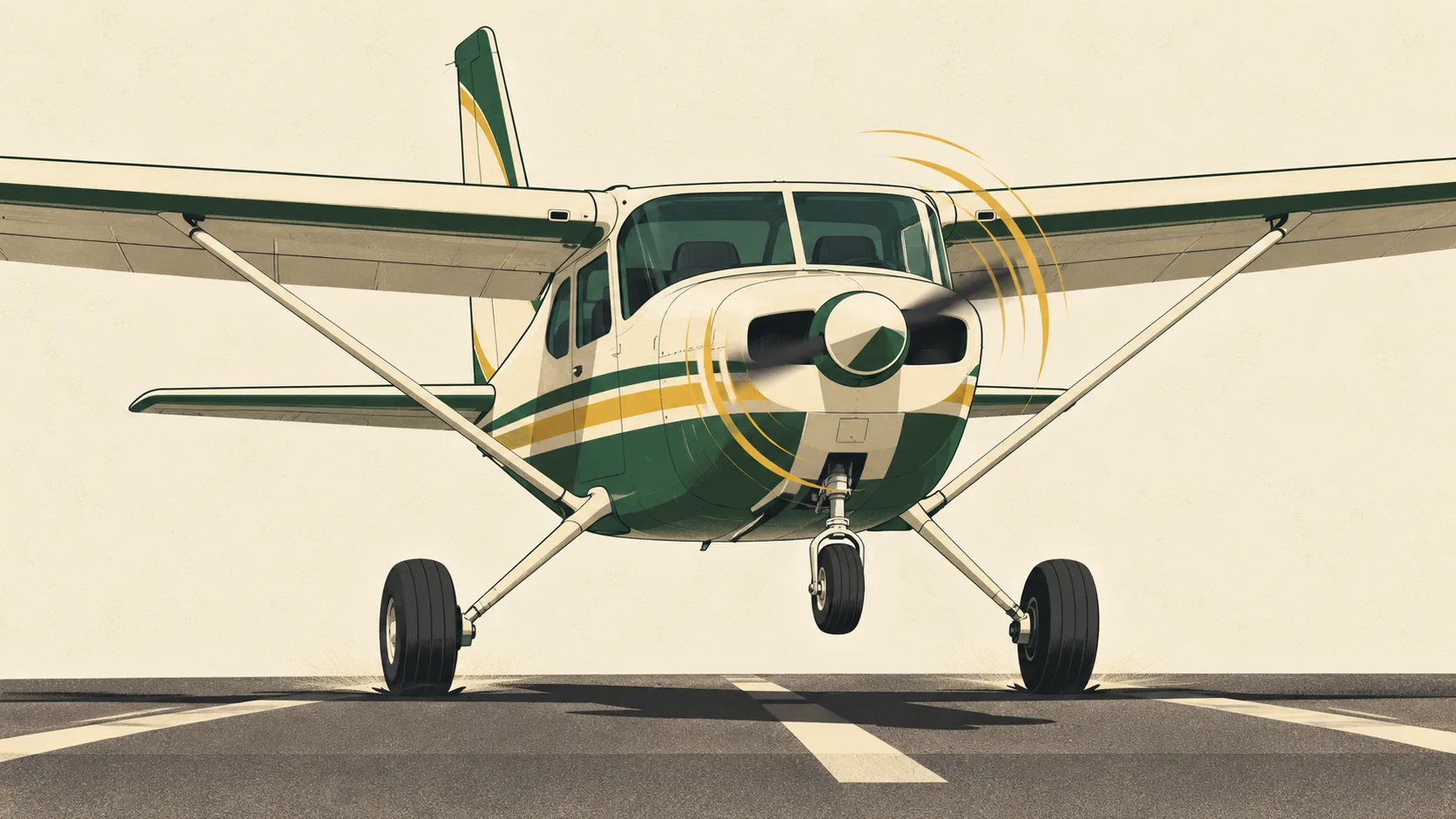
The fourth certification covers Reliable Airlines, which the company plans to make the first airline approved to use its autonomous flight technology. Based in Albuquerque, the airline flies cargo six days a week with six Cessna Caravans. FAA approval of the equipment and the airline’s operations requires separate certification.
Nimble Partners founder John Burbank sees a broader market for a system designed to work across aircraft types. “It’s a much bigger effort and much bigger opportunity than to just build one plane,” he said. “They had a really big vision nine years ago, and saw this as something needed and essential. Once they get the first one approved, then everyone will realize this is going to be the path for the industry, just as we’re seeing the path for the auto industry being autonomous.” The next stated certification target is the radar, which Rose expects to be approved by the end of 2027.