
Oracle has introduced the Fusion Claw runtime to give customers more control over AI agents that automate business processes. Analysts welcome the tighter controls but warn of early adoption and cloud lock-in.
Big Red promised applications that can reason, decide, and act in pursuit of defined business objectives back in March. The company has now launched a runtime to govern their actions. It runs on Oracle Cloud Infrastructure and integrates with Fusion applications.
Fusion Claw targets complex enterprise operations
Oracle is targeting enterprise resource planning, finance, and supply chain management with Fusion Claw for cloud-based Fusion applications. Frontier models from Google and OpenAI power the system, with support for others planned over time. Oracle CEO Mike Sicilia said the company wants to address getting measurable value for business AI investments.
Sicilia stated that Fusion Claw helps answer that question by moving from AI assistance to execution. He noted it enables customers to automate increasingly complex work across important business processes with enterprise-grade governance.
Analysts praise native workflows but cite cost barriers
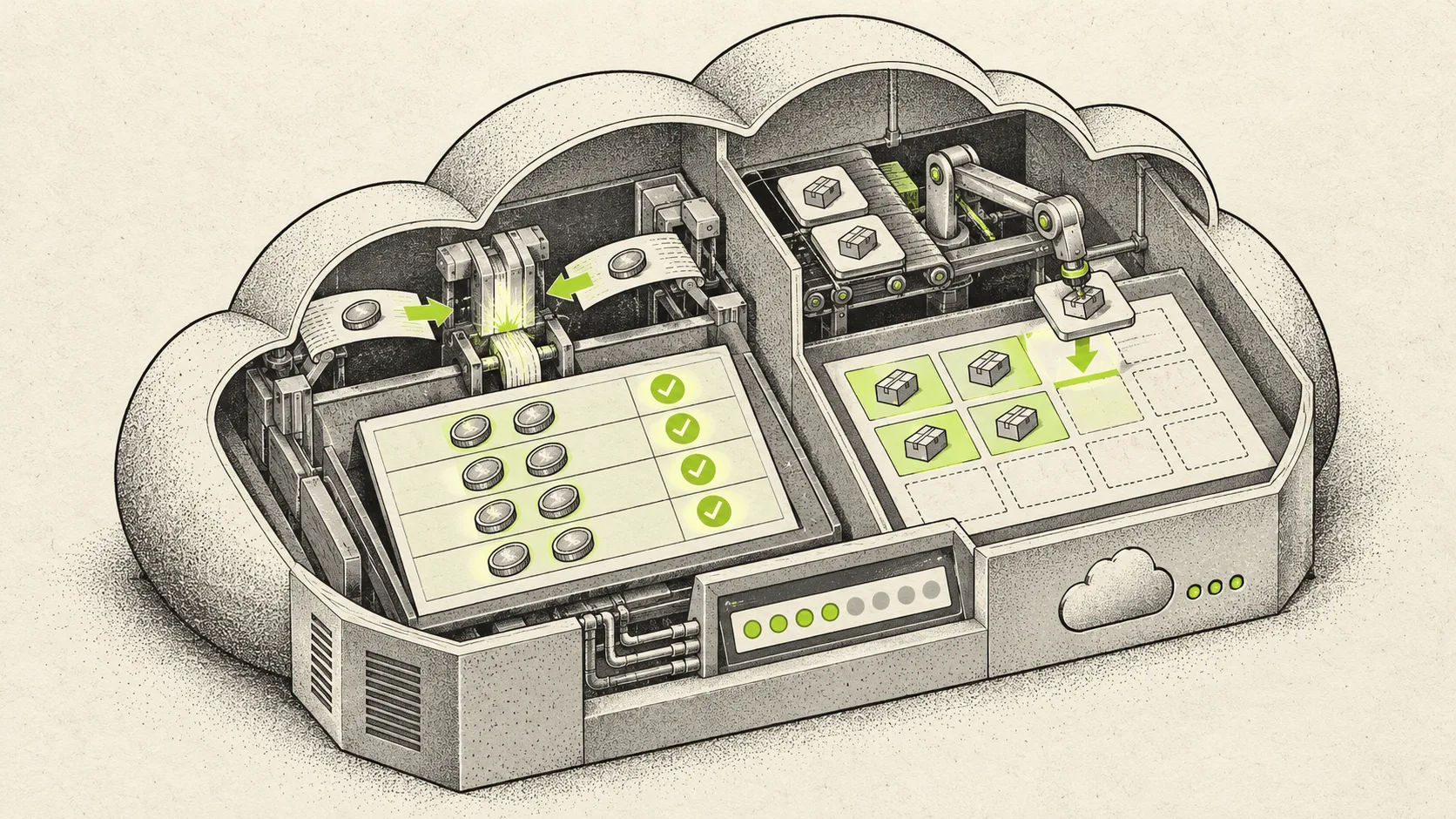
Gartner welcomed the technology as a way to provision isolated containers for heavy supply chain optimizations and subledger reconciliations. Instead of bolting AI onto legacy transactional back ends as a sidecar copilot, Oracle is rebuilding its application foundation around native agentic workflows.
Other vendors should take heed of the move because prompt-based UIs offer diminishing returns. However, users face a cost barrier because using an LLM for thousands of transactional records becomes financially unviable at enterprise scale.
 Read nextNous Research Secures $1.5B Valuation and Launches Enterprise AI Agents
Oracle separates reasoning from compute execution
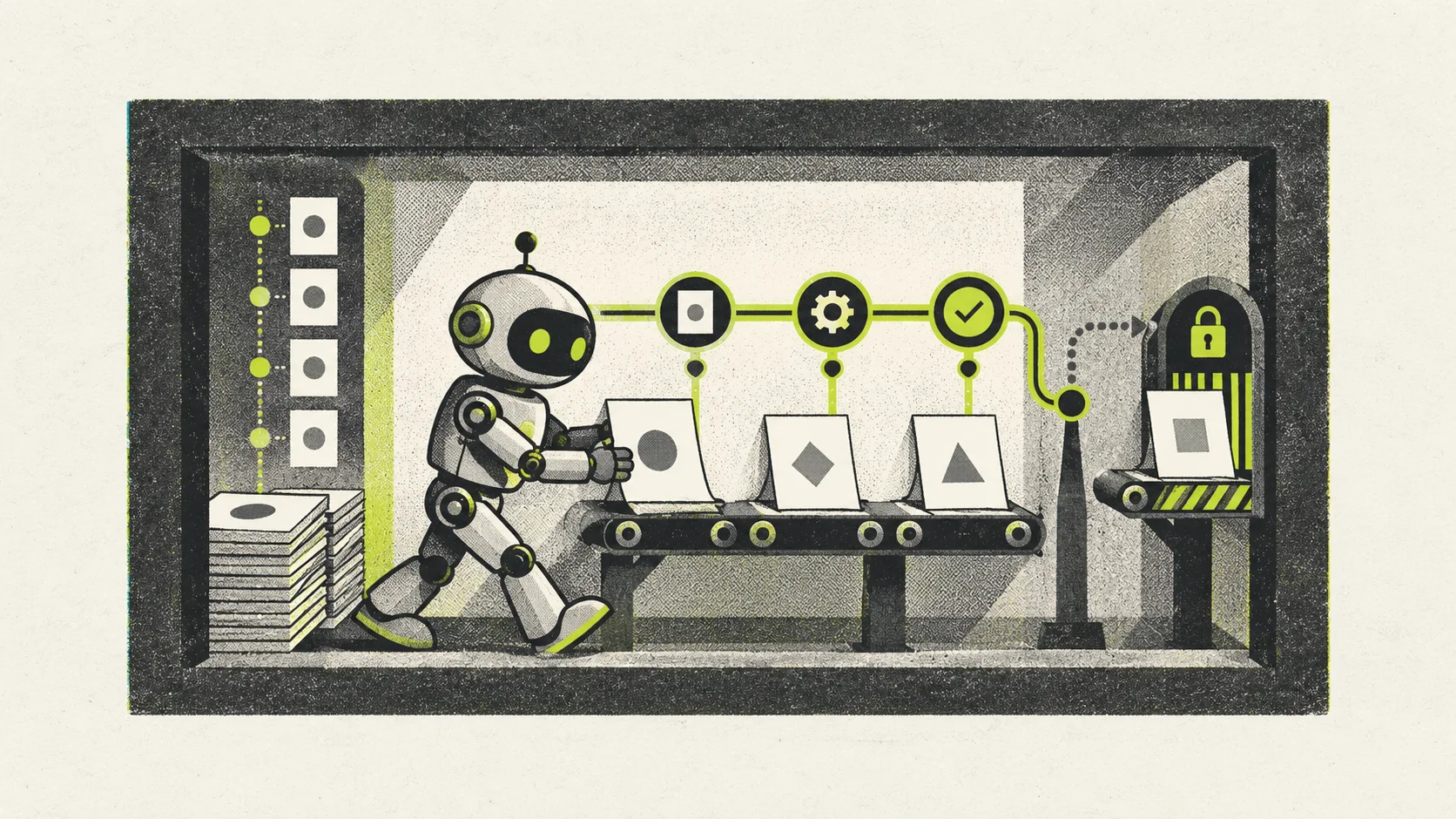
Oracle bypasses the cost problem by separating reasoning from compute execution. An agent evaluates context and defines execution logic just once. Calculations are then delegated to deterministic compute engines to avoid passing millions of records through expensive LLM context windows.
Isolated containers offer specific authority limits and policy guidelines. Gartner recommends including Fusion Claw in requests for proposals for AI agent deployments. However, Patrick Connaughton warned that the technology remains very much in early piloting mode.
Forrester also welcomed the introduction of Fusion Claw, which is offered under per-user pricing and consumption models. Principal analyst Craig Le Clair noted that commercial positioning is aggressive. He added that many trust issues must be solved before agentic systems can operate independently of designer intent.
Le Clair also highlighted the risk of cloud lock-in. While inspired by OpenClaw, Oracle's version is proprietary and tightly coupled to the Fusion platform and cloud infrastructure. Enterprises with broader vendor mixes may find these ties difficult to justify.
Oracle offers ready-made applications to improve financial ledger readiness, make staffing plans, and consolidate shipping. Organizations are now evaluating how to apply these automated tools within their existing infrastructure.