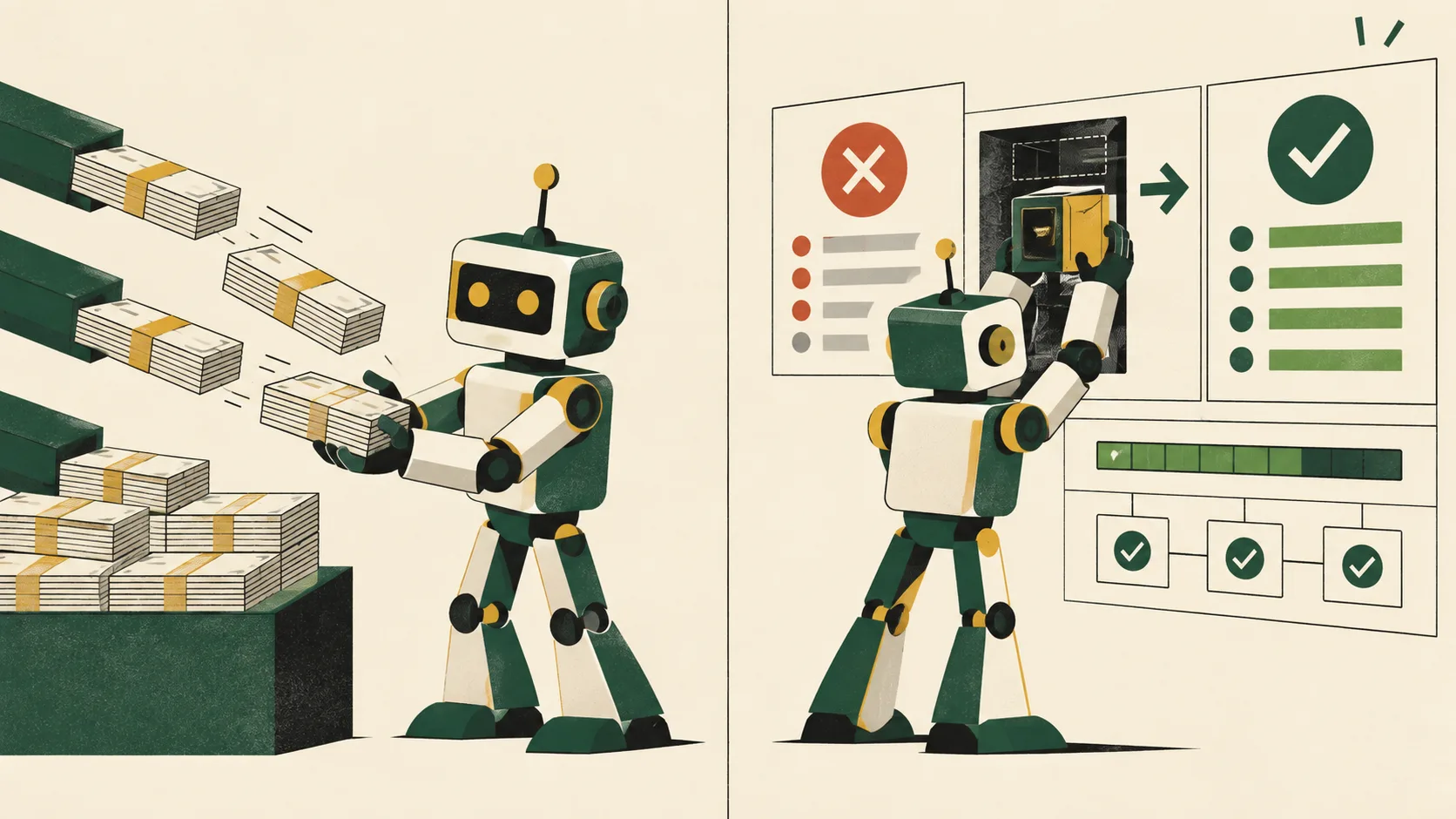

The OpenClaw project is currently developing an enterprise edition to address enterprise fears regarding agentic AI platforms. OpenClaw functions as an AI harness. It uses a large language model to run a digital assistant that automates tasks. The tool can read email messages, write AI-generated replies, respond to meeting invitations, and reserve time in calendar applications.
Developer Peter Steinberger created the tool. He received initial acclaim followed by strong concern from security analysts. Gartner labeled the project an unacceptable cybersecurity risk for businesses. China's Computer Emergency Response Team warned about extremely weak default security configurations.
OpenAI hired Steinberger despite these warnings. OpenAI also made OpenClaw the center of its plans to build personal AI agents. Kevin Lin, an OpenAI staffer, revealed details about OpenClaw Enterprise in a public post. Lin noted that actual deployment of persistent agents remains limited across organizations.
 Read nextMeta Launches Muse for Small Business With Third-Party Integrations
Corporate IT departments ban agentic platforms
Lin explained that organizations want stronger security, safety, and governance standards before adopting agents. This has led most corporate IT departments to ban agentic platforms such as OpenClaw. OpenClaw Enterprise aims to solve this problem by providing safe agent deployment without limiting capabilities.
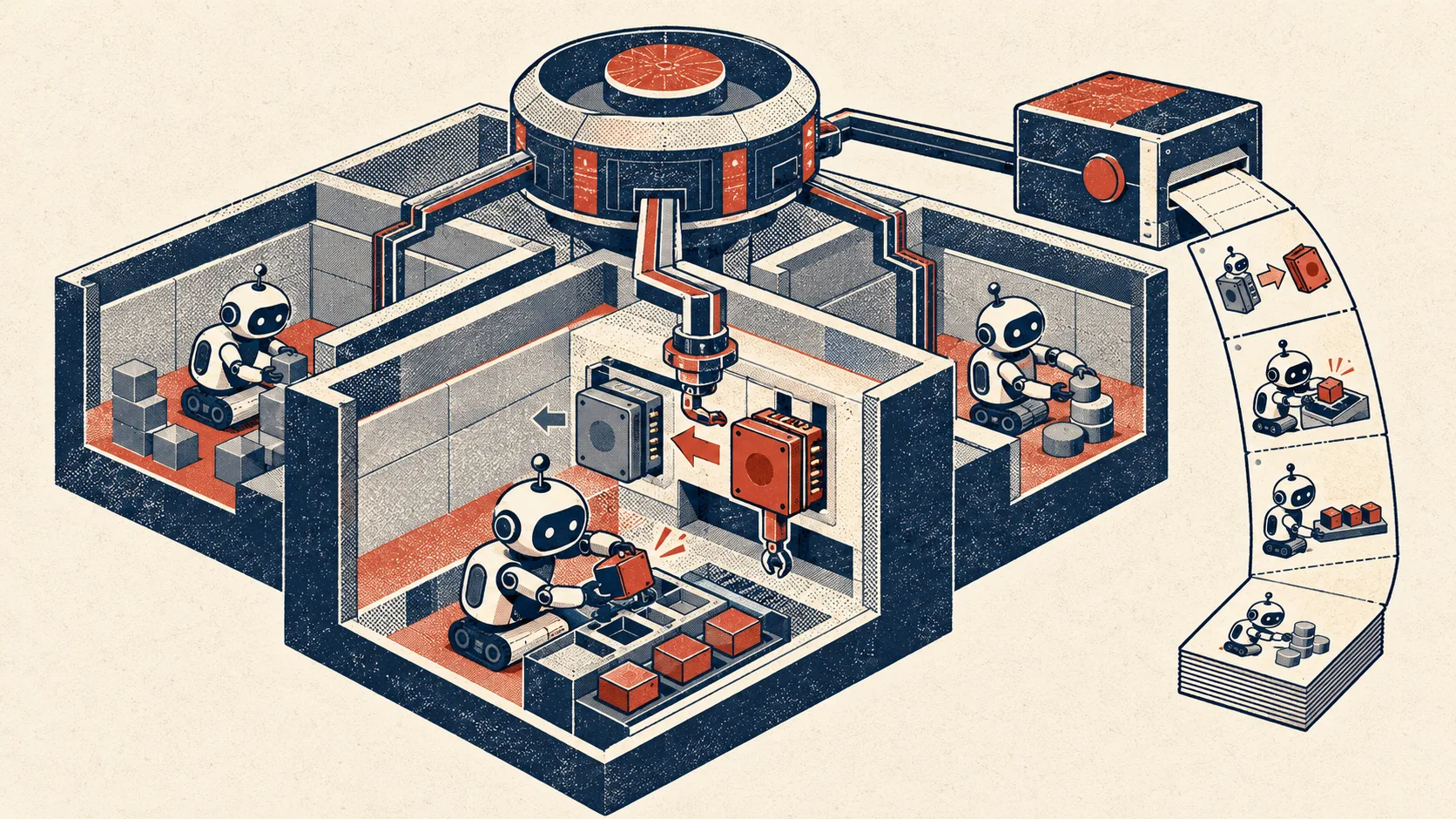
Version 1.0 of OpenClaw Enterprise is currently under development. Lin stated that the software introduces an enterprise-grade control plane for agents. It builds on the original OpenClaw foundation by adding multi-tenancy, hard security boundaries, and standardized agentic primitives. The platform also adds governance and auditability across the agent lifecycle.
Developers can swap out core primitives like the harness, model, and sandbox with third-party solutions or internal implementations. Lin reported that work on the project started at OpenAI and was later donated to the OpenClaw Foundation. Red Hat is also involved in the effort.
Red Hat wants to make the project suitable for business
Joe Fernandes, vice president and general manager of Red Hat's AI Business Unit, compared OpenClaw Enterprise to Red Hat Enterprise Linux and OpenShift. Red Hat wants to make the open source project suitable for serious business use. The GitHub repository for OpenClaw Enterprise encourages coders to think of the project as Kubernetes for agents.
OpenClaw Enterprise emerged on the same day OpenAI debuted its dots personal agents. It also arrived in the same month Meta released an automation product called Muse for individuals and small businesses. The development team will continue working toward the release of version 1.0.