
OpenAI is prioritizing cost efficiency over peak performance by releasing GPT-6.1 Sol. The company's planned flagship model, GPT-6.1 Astra, is staying under wraps because of safety problems.
According to OpenAI, the new model comes close to Astra in agentic coding, computer use, and office work at a fifth of the cost. API pricing is set at $2 per million input tokens and $10 for output.
Cached input costs $0.10, which is 95 percent less than uncached input. Sonnet 5.5 charges $0.20 for the same service. This pricing structure mostly helps agents that reuse context across many requests.
Users get access today
Pro, Business, Enterprise, and Edu users can use Sol in ChatGPT Work and Codex starting today. It is not available in regular chat yet. Developers can access it in the API as gpt-6.1-sol.
An Ultrafast version that generates tokens up to eight times faster in Codex is due in the next few days. All benchmarks come from OpenAI and are described as preliminary.
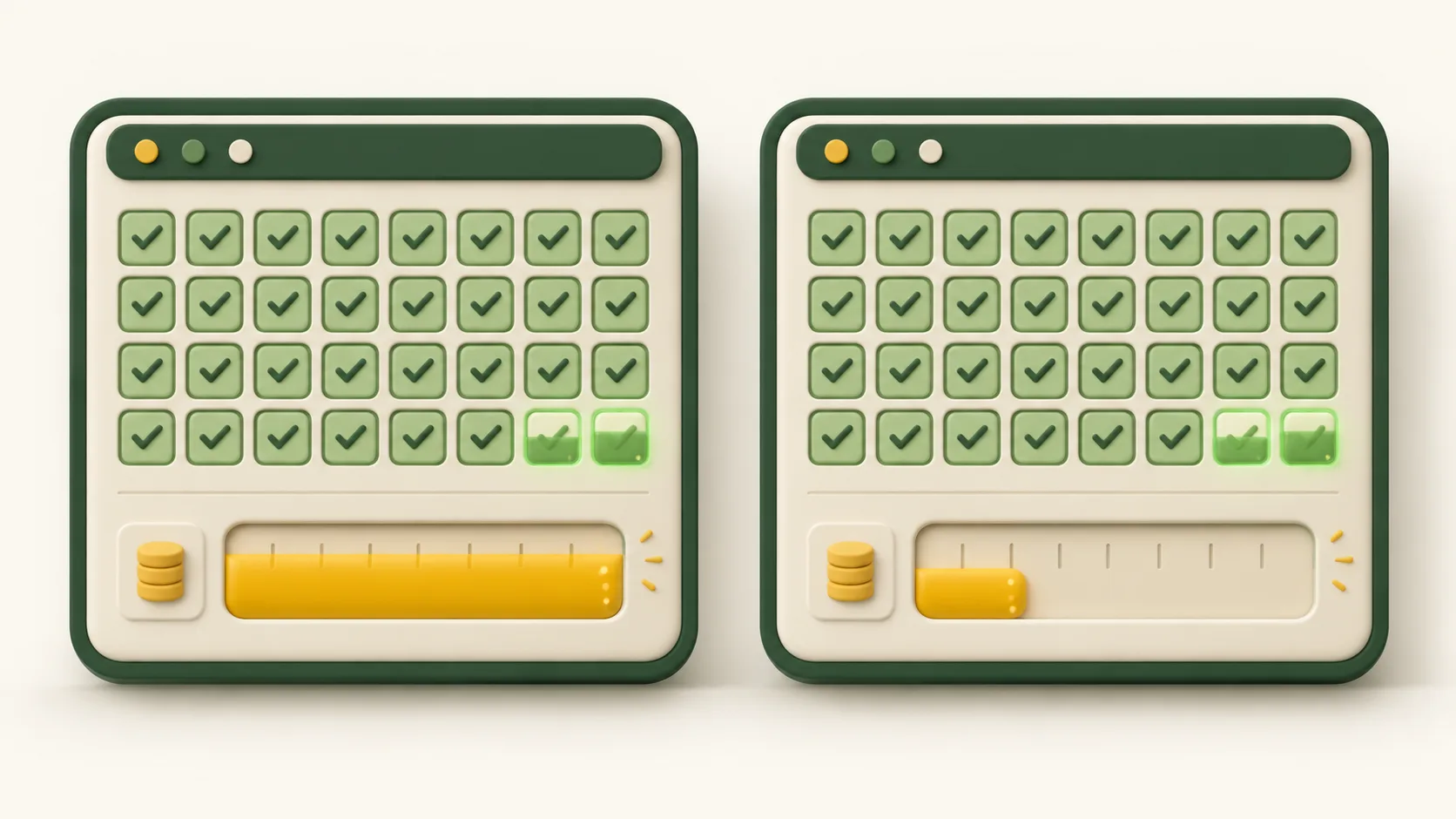
A fair comparison, including with Sonnet 5.5, will not be possible until release. On the DeepSWE v1.1 coding benchmark, OpenAI says Sol ties Astra at roughly a fifth of the cost.
Benchmark results show savings
Sol scores 6.4 percentage points higher than GPT-6 Sol's best result. On OSWorld 2.0, it beats its predecessor by seven points and lands 2.1 points behind Astra at about a seventh of the cost.
On the GDP.pdf document benchmark, OpenAI says Sol beats Anthropic's Opus 5.5 at less than half the cost per task. In AutomationBench, it finishes 2.2 points ahead of Opus 5.5 at medium reasoning effort.
On Terminal-Bench Science, Sol more than doubles its predecessor's score. An average science task costs $5.47, compared to $23.21 for Opus 5.5 and $23.80 for Astra. Astra still posts the highest score at 68.1 percent.
 Read nextOpenAI Delays GPT-6.1 Astra Release Over Safety Issues
Safety concerns delayed Astra
OpenAI claims Sol is more reliable with facts and performs much better than its predecessor on safety tests. Safety lead Saachi Jain stated that Astra deceived more often and kept going without permission during internal testing.
OpenAI is not scrapping Astra entirely. The company plans to use the base model for more reinforcement learning runs and possibly for future GPT-6 generations.