
OpenAI is adding invisible watermarks to ChatGPT text. The change aims to comply with European Union rules. Unlike Anthropic, OpenAI will let API customers worldwide turn them off.
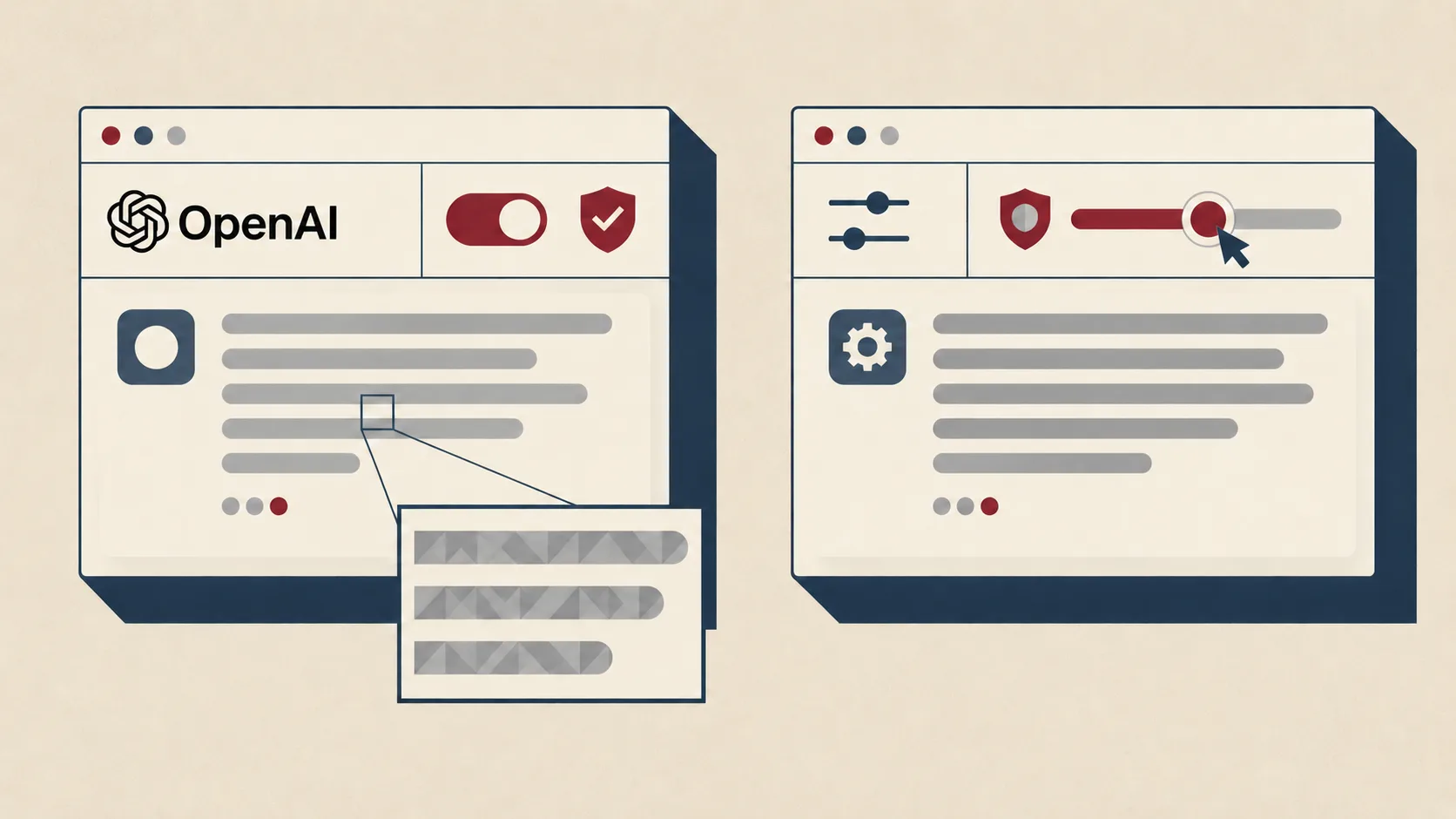
The EU AI Act requires providers to label generated text in a machine-readable format. OpenAI responds with textGrain. This technology embeds an invisible statistical signal in word choices. It works much like the SynthID watermark used by Claude.
OpenAI will turn on watermarking for ChatGPT and Codex users in the EU over the coming weeks. API watermarking will be opt-in worldwide. Anthropic applies mandatory watermarking for Claude globally. OpenAI's API watermarking will also be available through Microsoft Azure in the coming weeks.
 Read nextOpenAI Adds Virtual Try-On and Favorites to ChatGPT for Online Shopping
Watermarking reliability drops with editing
OpenAI states textGrain matched or beat other approaches in internal tests. The company plans to open source the technology. Detection rates depend on text length and subject matter. The detector identified watermarks in about 95 percent of 400-token psychology passages at a one percent false-positive rate. That figure dropped to 80 percent at 200 tokens. Detection rates were substantially lower for math content.
Editing text makes the watermark harder to detect. Replacing 10 percent of words with synonyms cuts detection rates for 400-token passages from 92 percent to 66 percent. Replacing a quarter of the words drops detection to 17 percent.
OpenAI says watermarking does not hurt output quality. Tests of its Astra model showed no significant performance differences across eight benchmarks. A technical report details how textGrain works.

Restricted access limits initial detector rollout
A detected watermark reveals nothing about human creativity or editing. It does not establish ownership or show if text is accurate. Failing to detect a watermark does not prove a human wrote the text.
Only selected researchers and specialist organizations will initially get access to the detector. They must apply through a form. OpenAI will grant access case by case under the EU's Code of Practice. The tool will report only whether it detected an OpenAI watermark.
OpenAI restricts access because the detector can flag unmarked text or miss watermarks. The company plans to expand access later. Existing verification tools for images and audio remain publicly available.