
NVIDIA has added four open-weight models to its Cosmos 3 family for generating driving scenes and interactive robot observations, according to an announcement published by Hugging Face. Two models focus on camera and LiDAR data for driving. The other two generate video from simulator controls or robot actions.
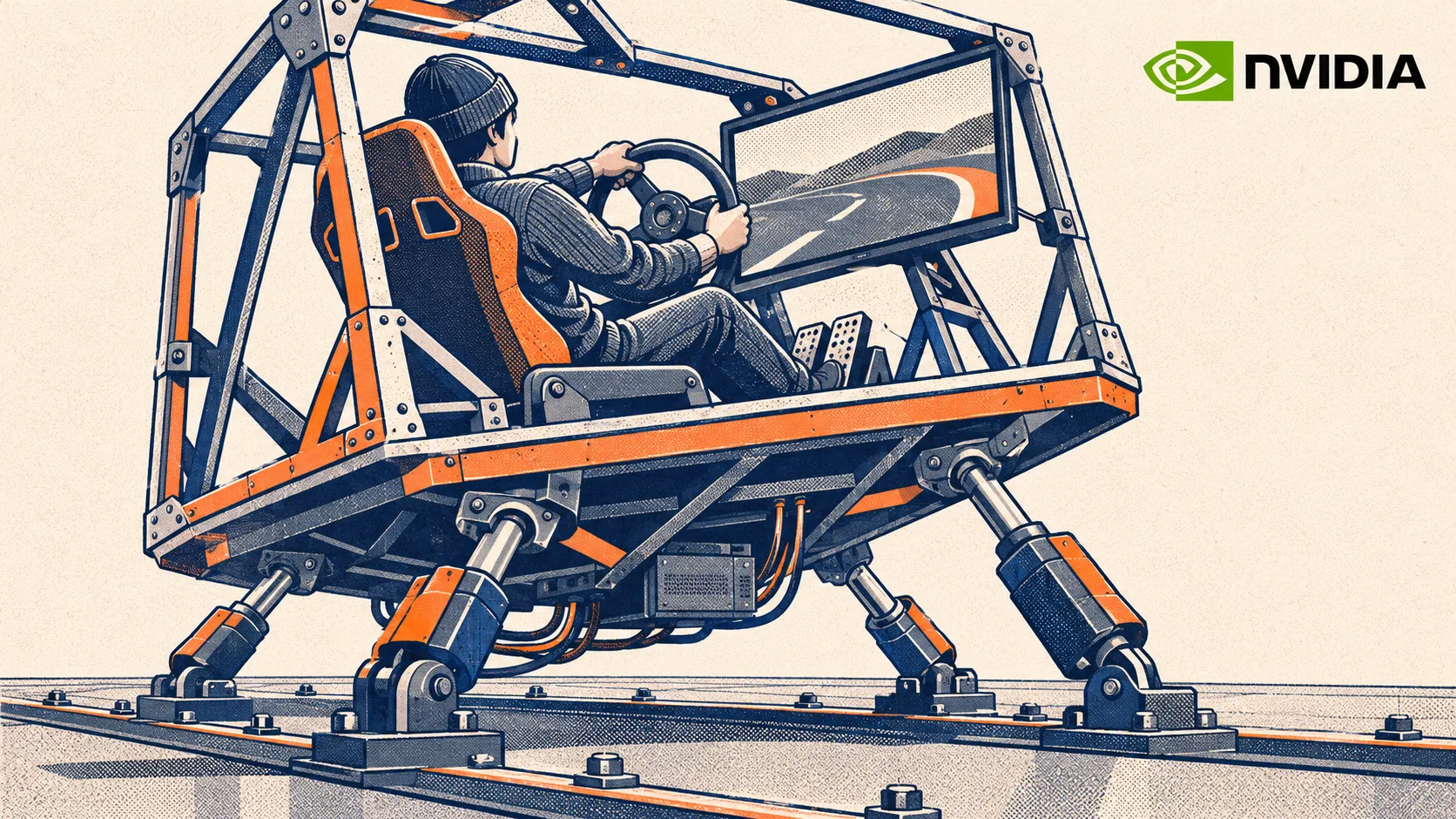
Cosmos3-Nano-Transfer-Auto generates offline driving data across up to 11 synchronized camera views, including fisheye views. It also supports joint color video and LiDAR generation. Developers can use scene controls to specify road structure and traffic motion, while text prompts guide appearance and optional starting images anchor the scene.
Cosmos3-Nano-Sim-Auto generates successive chunks of synchronized camera video and LiDAR using updated driving controls and previously generated observations. NVIDIA says this supports longer interactive simulations. A simulation runtime and World Scenario Map renderer are required to update the controls from driving inputs during closed-loop use.
The other models generate video from controls
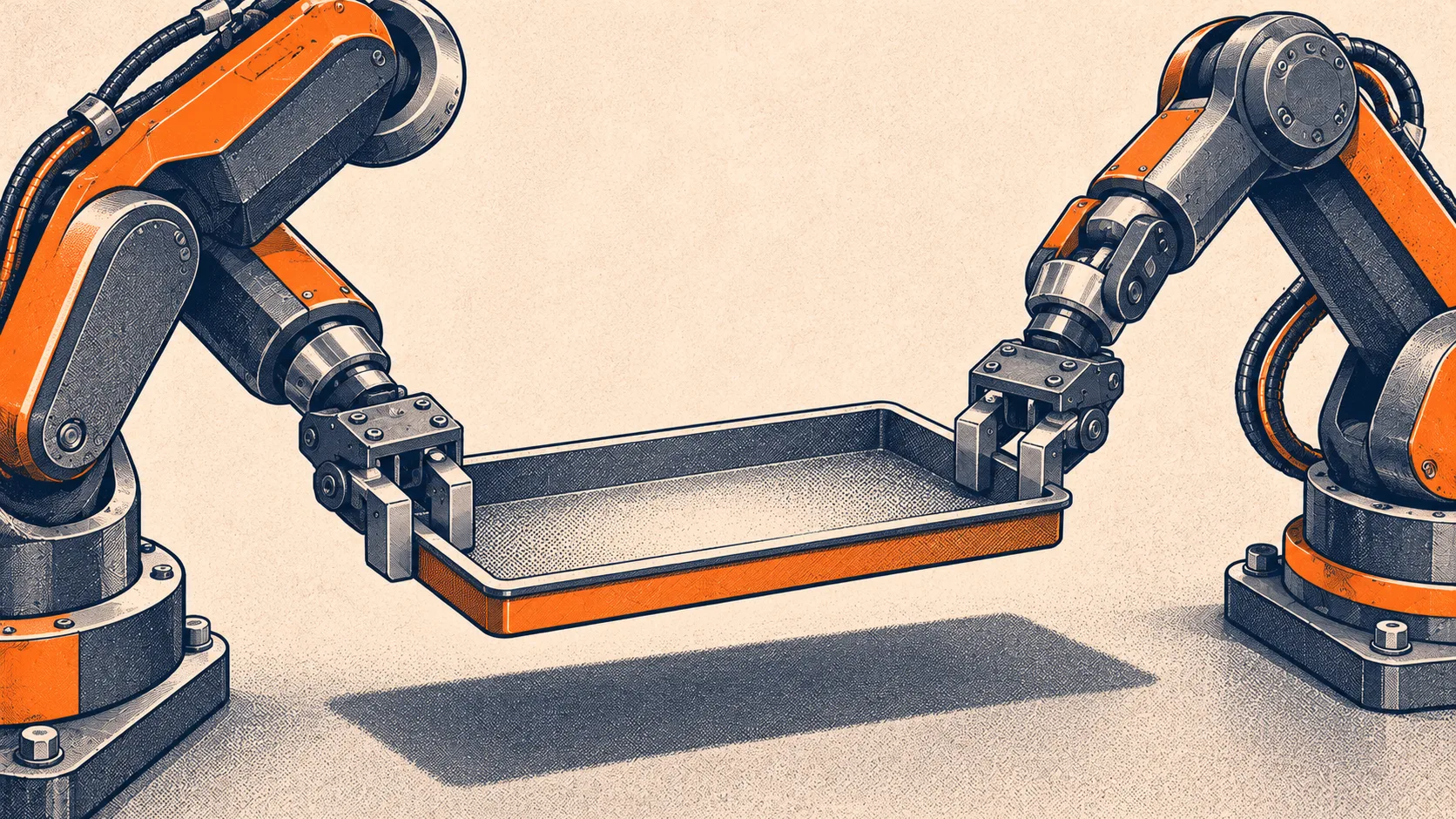
Cosmos3-Nano-Sim-Transfer turns spatial controls from a physics simulator and a text prompt into color video. The simulator remains responsible for motion, contacts and physical state. Cosmos3-Nano-Sim-Bimanual instead predicts the next observations directly from robot or camera actions. It supports two-arm simulation for YAM and AgiBot robots, controlled by a policy or human-operated joysticks.
Developers can adapt the models
All four are post-trained examples of Cosmos 3 Nano, each with 16 billion trainable parameters. NVIDIA provides post-training recipes for adapting them to different driving domains, sensor setups, simulated environments and robot configurations. The announcement says researchers still need to measure how faithfully the models support policy learning and evaluation.
The checkpoints use the OpenMDW1.1 license, which permits commercial and non-commercial use under its terms. All four checkpoints are available to download.