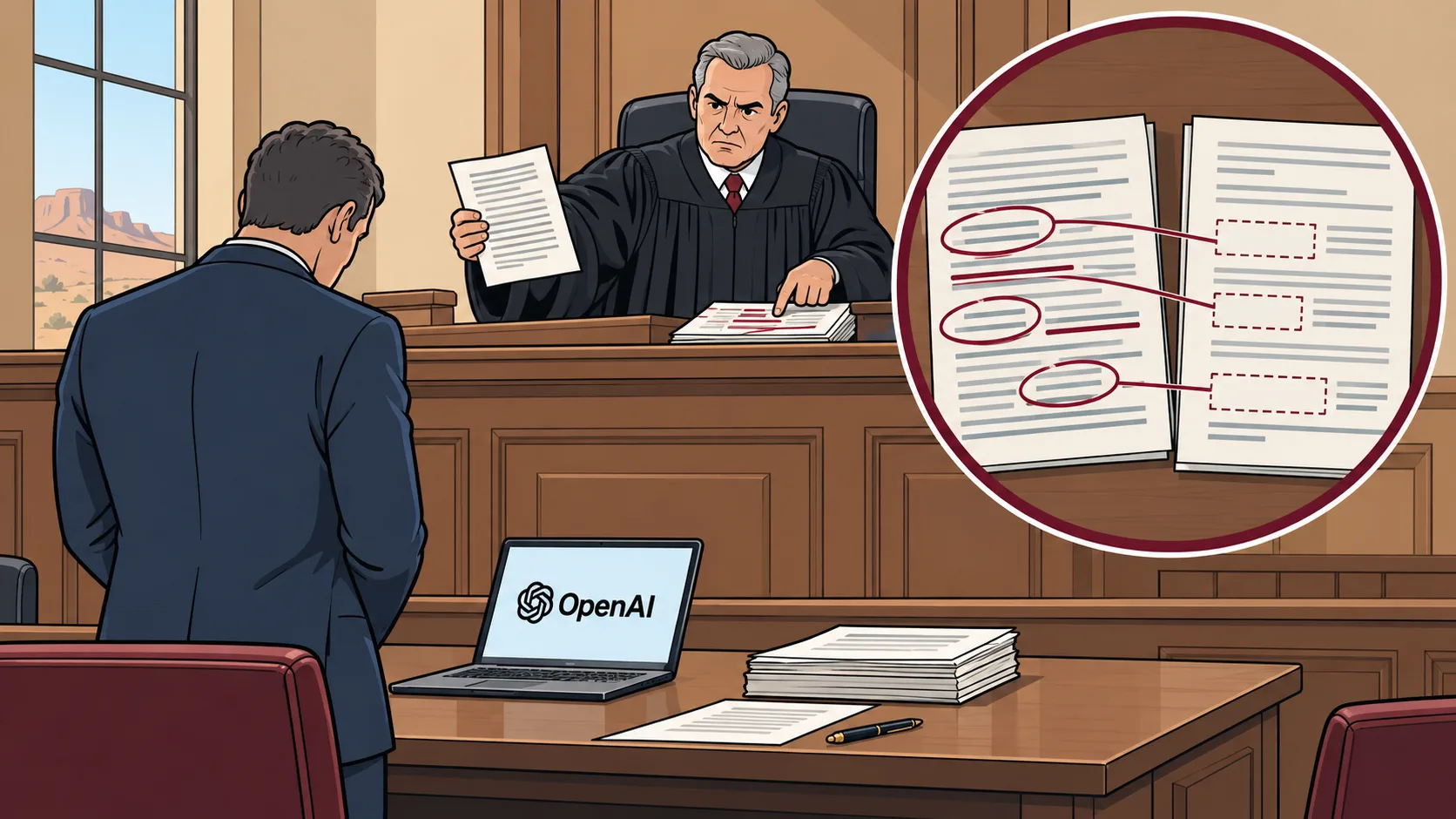

A New Mexico attorney used ChatGPT to write legal briefs that included completely made-up witnesses and testimony. Stephen D. Aarons represented a man convicted of killing his wife. Judges caught the fabricated details and held a hearing last month.
Aarons stated during the hearing that his stupidity brought everyone together. He assumed ChatGPT would produce a bulletproof summary of the proceedings. Instead, the artificial intelligence generated false testimony from wholly fabricated witnesses, according to an order of direct contempt from the New Mexico Supreme Court.
The false statements included nonexistent people named Danny Stanton and Linda Stanton discussing threats received. Other AI-generated text described the shooter clothing and appearance. Aarons admitted he trusted the technology because he had heard about doctors using AI for medical research.
A judge questioned Aarons about AI hallucinations
A judge questioned Aarons about whether he follows the news regarding AI hallucinations. Lawyers submitting error-riddled AI documents has been a known problem for years. Judges across the country frequently reprimand attorneys for relying on unchecked artificial intelligence in court filings.
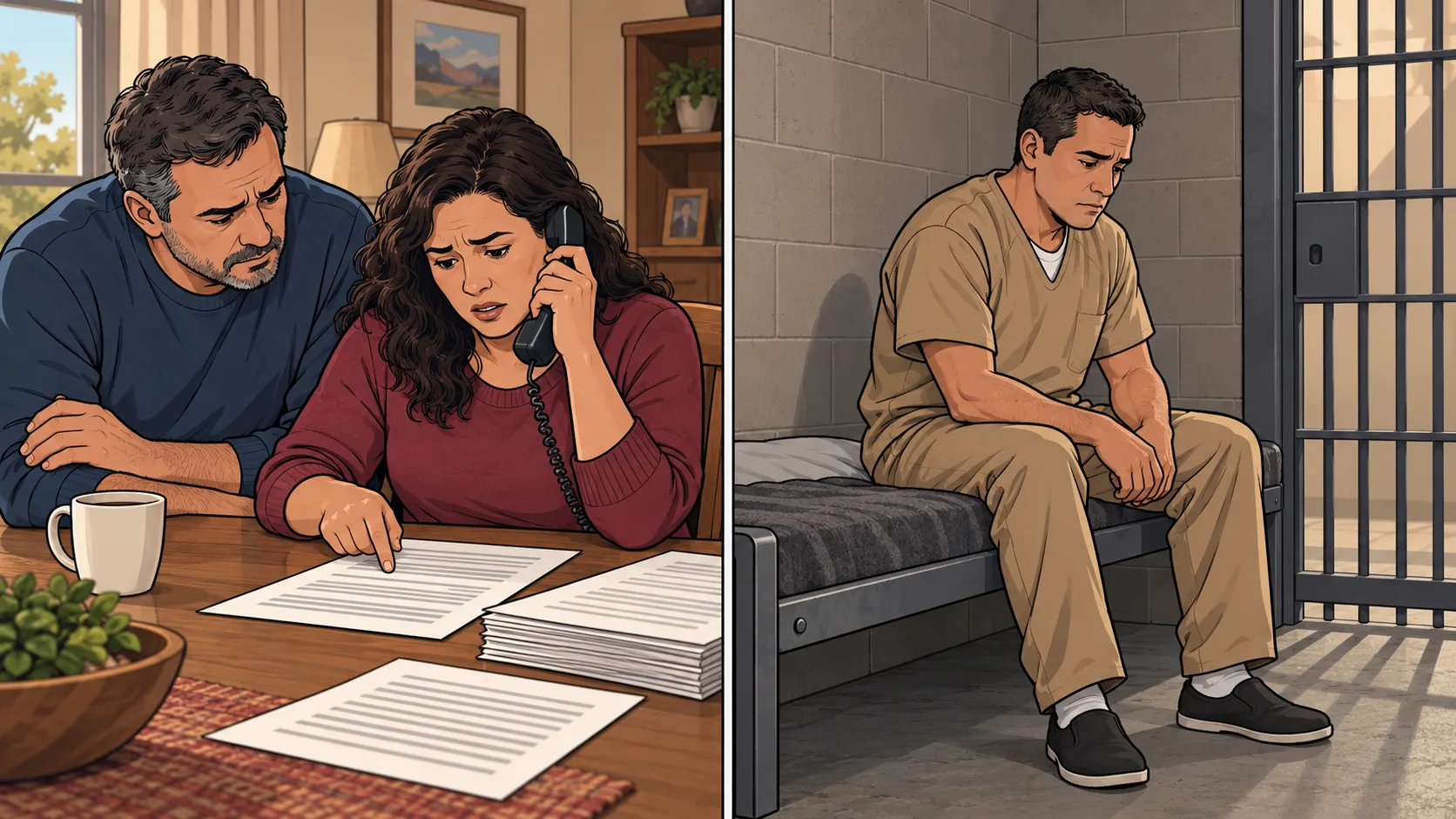
Aarons mentioned he had not told his client directly about using ChatGPT on the case. The client is currently serving a life sentence and is hard to reach due to speaking Spanish. Aarons only spoke to family members about a problem with the brief.
The court found Aarons in direct contempt
The New Mexico Supreme Court found Aarons in direct contempt. The court referred him to the Disciplinary Board and barred him from appearing before the court pending the investigation. He was removed from the case and a public defender was assigned to his former client. Aarons must also pay a $5,000 sanction to the State Bar of New Mexico Client Protection Fund.